
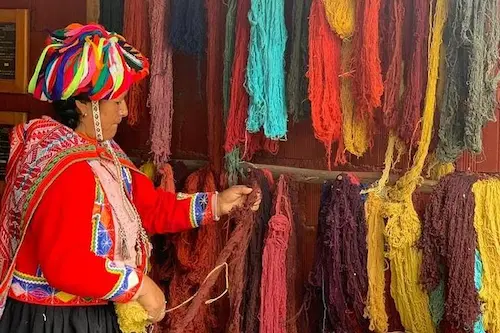
Traditional textile center of Cusco is one of the most authentic cultural experiences travelers can have in Peru, as it allows them to deeply understand the textile traditions that have been passed down from the Inca period to the present day. Beyond visiting ruins or natural landscapes, exploring these textile centers offers a genuine connection with Andean communities, their worldview, and the way they preserve cultural identity through the art of weaving.
In this guide, you will discover what traditional textile centers are, why they are important, how much it costs to visit them, what you can buy, and how to strategically include them in your Cusco travel itinerary.
You might be interested in reading: The solar calendar of the Incas
What is a traditional textile center of Cusco?
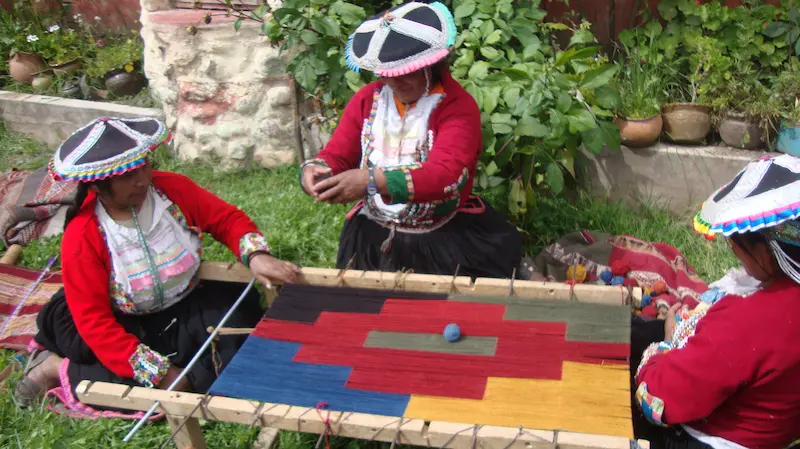
A traditional textile center of Cusco is a community-based or cultural space where local artisans create, display, and sell handmade textiles using ancestral weaving techniques that have been preserved for centuries. These centers are not only commercial points but also living cultural environments where visitors can observe the full textile production process, from spinning natural fibers to dyeing yarns with organic pigments and weaving complex symbolic patterns.
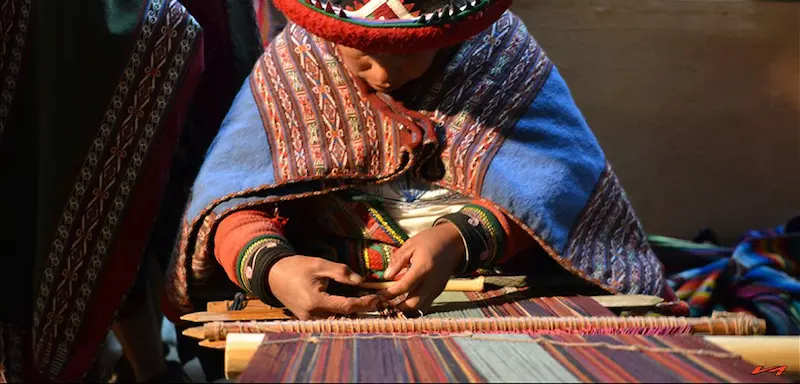
In many cases, these centers operate as educational hubs that promote cultural preservation and sustainable tourism. Travelers have the opportunity to learn about materials such as alpaca, sheep, and sometimes vicuña fiber, as well as the traditional tools used in backstrap and vertical loom weaving. Artisans often explain the meaning behind geometric designs, which can represent elements of Andean cosmology, agricultural cycles, local wildlife, and social identity.
You might be interested in reading: How Ancient Civilizations Lived Sustainably?
Cultural importance of visiting a traditional textile center of Cusco
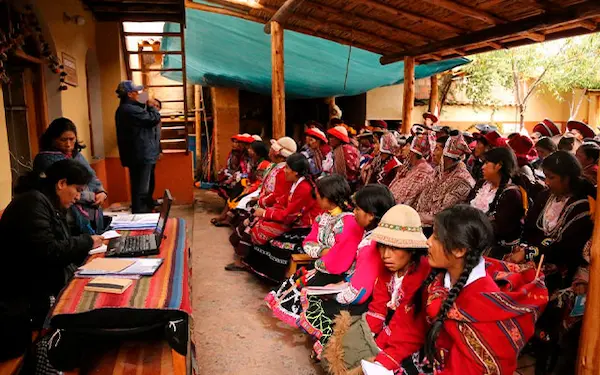
Exploring a traditional textile center of Cusco allows travelers to actively support sustainable tourism while gaining a deeper understanding of how Andean communities preserve their cultural traditions in a rapidly globalizing world. These visits go beyond simple shopping experiences, offering meaningful cultural exchange and opportunities to witness living heritage in practice. By interacting with artisans and learning about their techniques, visitors become part of a tourism model that values authenticity, respect, and long-term cultural continuity.
1. Supporting local economies and cultural continuity
Visiting a traditional textile center of Cusco contributes directly to the economic stability of rural families who depend on textile production as a primary source of income. Unlike mass-produced souvenirs, handmade textiles reflect hours or even days of skilled labor, making each purchase an investment in cultural preservation.
2. Preserving ancestral knowledge through responsible tourism
Responsible tourism plays a key role in protecting intangible cultural heritage. At a traditional textile center of Cusco, travelers can observe how ancient weaving knowledge is transmitted from elders to younger artisans through daily practice and storytelling. These experiences highlight the importance of maintaining traditional techniques, natural dyeing processes, and symbolic design systems that have survived since pre-Columbian times.
3. Strengthening cultural identity in a globalized world
In an era where globalization influences fashion, consumption, and lifestyle patterns, traditional textile centers in Cusco act as cultural strongholds. They provide communities with a platform to celebrate their identity, language, and artistic expression while engaging with international visitors.
4. Enhancing meaningful travel experiences
For many travelers, visiting a traditional textile center of Cusco transforms a standard itinerary into a more meaningful journey. Instead of simply observing landscapes or monuments, visitors participate in cultural dialogue and gain insights into daily life in the Andes.
You might be interested in reading: The amazon pink dolphin: fascinating facts about the mysterious river dolphin
Best places to visit a traditional textile center of Cusco
There are several picturesque Andean towns near the city where travelers can experience a traditional textile center of Cusco in an authentic and immersive way. These destinations not only offer demonstrations of ancestral weaving techniques but also allow visitors to explore local markets, interact with artisan families, and understand how textile traditions are integrated into daily life.
1. Chinchero textile centers
Chinchero is widely considered one of the best places to explore a traditional textile center of Cusco due to its strong cultural identity and well-preserved weaving traditions. Located on a high plateau with stunning mountain views, this town offers organized demonstrations where artisans explain spinning, dyeing, and weaving techniques step by step.
| Aspect | Information |
| Distance from Cusco | Approximately 45 minutes |
| Altitude | 3,762 meters (12,343 ft) |
| Experience type | Live weaving demonstrations |
| Average visit time | 1–2 hours |
| Ideal for | Cultural learning and photography |
2. Pisac weaving communities
Pisac is another excellent destination to discover a traditional textile center of Cusco, particularly for travelers interested in combining textile experiences with vibrant market culture.
| Aspect | Information |
| Distance from Cusco | Around 1 hour |
| Experience type | Market exploration and artisan workshops |
| Best visiting time | Morning market hours |
| Cultural highlights | Textile symbolism and natural dyes |
| Ideal for | Shopping and cultural immersion |
3. Ollantaytambo artisan workshops
Ollantaytambo offers a unique perspective on traditional textile centers in Cusco by blending living Inca architecture with family-run weaving studios. Visitors can explore narrow cobblestone streets while discovering small workshops where artisans continue practices inherited across generations.
| Aspect | Information |
| Distance from Cusco | About 1.5 hours |
| Experience type | Family textile workshops |
| Historical setting | Inca urban layout |
| Recommended duration | Half-day visit |
| Ideal for | Cultural travelers and slow tourism |
You might be interested in reading: Best Huaraz travel guide 2026
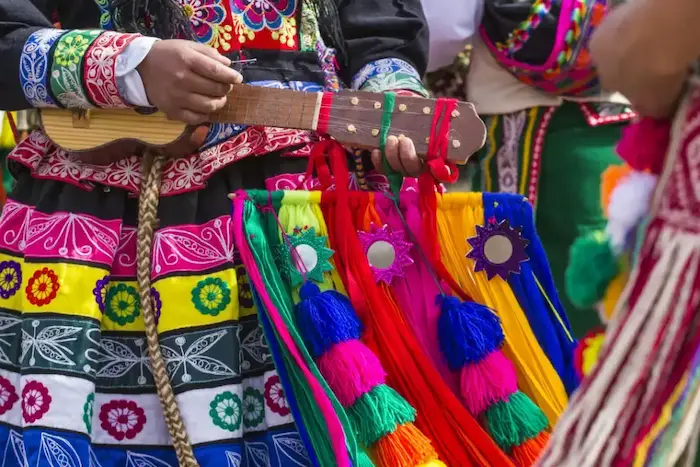
Prices and what to buy at a traditional textile center of Cusco
Visiting a traditional textile center of Cusco is usually affordable and in many cases free of charge, as most communities welcome travelers who are interested in learning about their cultural heritage. Instead of paying for entrance, visitors are encouraged to support artisans by purchasing handmade textiles or participating in demonstrations. These purchases not only provide meaningful souvenirs but also contribute directly to the preservation of ancestral weaving traditions.
1. Alpaca scarves and lightweight accessories
Scarves are among the most popular items to buy at a traditional textile center of Cusco because they are practical, easy to carry, and showcase intricate weaving patterns. These products are often made from alpaca fiber, known for its softness, warmth, and durability.
| Item | Price range |
| Standard alpaca scarves | $20 – $40 USD |
| Baby alpaca scarves | $35 – $60 USD |
| Handwoven belts or headbands | $10 – $20 USD |
| Textile bracelets | $5 – $12 USD |
2. Traditional Andean hats and winter garments
Another highlight when visiting a traditional textile center of Cusco is the opportunity to purchase traditional garments such as chullos and gloves.
| Item | Price range |
| Traditional chullos | $15 – $25 USD |
| Wool gloves | $12 – $22 USD |
| Handwoven socks | $15 – $30 USD |
| Thick Andean shawls | $40 – $80 USD |
3. Ponchos and large handwoven textiles
Ponchos are considered premium purchases at a traditional textile center of Cusco due to the time and skill required to produce them. Larger decorative textiles such as table runners or wall hangings are also highly valued for their artistic and cultural significance.
| Item | Price range |
| Standard wool ponchos | $60 – $120 USD |
| Alpaca blend ponchos | $90 – $180 USD |
| Decorative tapestries | $50 – $150 USD |
| Large ceremonial textiles | $120 – $250 USD |
You might be interested in reading: 20 best places to visit in Cusco for an unforgettable trip
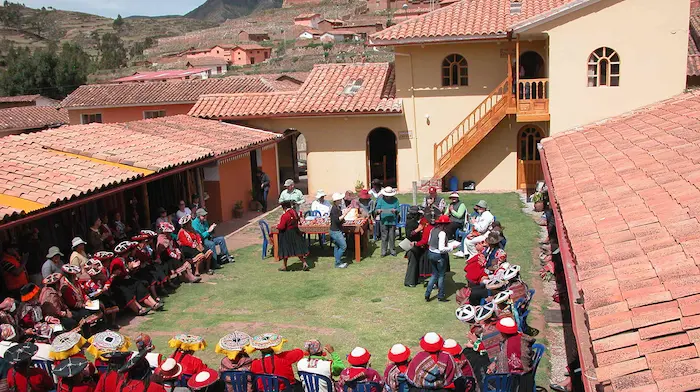
How to include a traditional textile center of Cusco in your itinerary
Including a visit to a traditional textile center of Cusco in your itinerary is an excellent way to enrich your cultural experience without significantly changing your travel plans. These centers are usually located along strategic tourist routes in the Sacred Valley or in towns close to the city, making it easy to combine them with archaeological visits, traditional markets, and Andean natural landscapes.
1. Combine textile centers with Sacred Valley routes
Many travelers include a traditional textile center of Cusco as part of excursions to the Sacred Valley, since towns like Chinchero or Pisac are located on the way to important archaeological sites. This planning helps optimize travel time while enjoying cultural activities, mountain scenery, and artisan markets within the same day.
2. Integrate it into half-day itineraries from Cusco
If you have limited time, it is possible to organize a short visit to a traditional textile center of Cusco from the city. Several textile communities are located less than an hour away, allowing visitors to attend weaving demonstrations, shop for handmade products, and enjoy cultural tours without needing to stay overnight outside Cusco.
3. Add the experience before high-altitude hikes or adventures
Another popular strategy is to visit a traditional textile center of Cusco before starting treks or more physically demanding excursions. This sequence allows travelers to gradually acclimatize to the altitude while participating in more relaxed cultural activities.
4. Include textile visits in family or educational trips
Textile centers are also excellent stops within family itineraries or educational trips, as they offer interactive experiences that appeal to travelers of all ages. Watching live weaving processes, learning about natural dyes, and listening to local stories turns the visit into a participatory activity that complements the historical and cultural learning of the destination.
You might be interested in reading: Social organization of the Incas
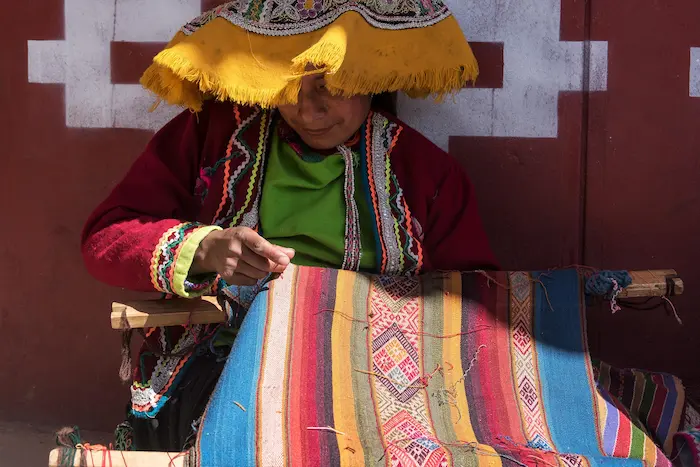
Traditional tourism vs modern infrastructure in global destinations
Interestingly, while textile centers in Cusco maintain simple, community-based structures, major tourist cities around the world rely on advanced commercial infrastructure to protect their businesses.
For example, in high-traffic urban destinations, many stores install specialized security systems such as rolling gates nyc which help safeguard storefronts and merchandise at night without affecting the visual appeal of the surroundings.
1. Differences between artisan economies and urban tourism economies
In Andean communities, economic activity is largely centered on handicraft production, agriculture, and small-scale cultural tourism. Textile centers function as open spaces where interaction between travelers and artisans happens naturally, without significant physical barriers.
In contrast, large tourist cities operate under much more intense commercial dynamics, where thousands of visitors move daily through shopping districts, entertainment areas, and gastronomic hubs. This creates the need for structural solutions that ensure business security while maintaining a positive visitor experience.
2. Commercial security in modern tourist cities
In international shopping zones, it is also common to find solutions such Overhead roll up doors in New York City designed to optimize logistics for shops and restaurants located in areas with high tourist activity.
These types of infrastructure allow businesses to operate more efficiently by facilitating processes such as merchandise loading, access control, and protection during closing hours.
3. Visitor experience in traditional vs metropolitan environments
Traveling to textile communities in Cusco offers an intimate and participatory experience, where visitors can observe manual processes and engage in direct conversations with local producers. The absence of large commercial infrastructure reinforces the sense of authenticity and cultural connection.
On the other hand, in highly visited metropolitan destinations, the tourist experience is often shaped by modern commercial spaces, busy avenues, and urban management systems designed to accommodate large volumes of travelers.
4. Business protection and tourism growth
As global tourism continues to expand, many cities implement technologies such as Roll Up Security Gates to maintain security without limiting the visitor experience.
These solutions reflect the evolution of contemporary tourist destinations, where protecting local commerce becomes a priority in response to increasing international travel flows. Meanwhile, cultural regions like Cusco continue to rely on sustainable models based on tradition, human interaction, and the preservation of living heritage.
Conclusion: Is Working Travel Peru worth it?
For travelers seeking flexibility, cultural immersion, and long-term exploration, Working Travel Peru can be one of the most rewarding ways to experience the country. By combining professional responsibilities with meaningful travel experiences, visitors can move beyond traditional tourism and develop a deeper understanding of Peru’s landscapes, traditions, and daily life.
From dynamic urban environments with strong digital infrastructure to historic mountain cities and peaceful coastal destinations, Peru offers diverse settings that adapt to different working styles and personal goals. This variety allows remote workers, volunteers, and temporary travelers to design unique routines that balance productivity, adventure, and well-being.

