
INCA ARCHITECTURE
Discover the architecture of the Incas, one of the most fascinating in the ancient world. We will explore their constructions, techniques, and the way they integrated their cities with nature. We will show you their legacy, their ingenuity, and the works that still endure over time. Join us on a journey through Inca architecture and awaken your explorer spirit!
inca architecture
Inca architecture stands out for its precision, durability, and harmony with the environment. Builders used carefully shaped stones that fit together perfectly, creating structures resistant to earthquakes and the passage of time. Their designs included terraces, temples, and urban layouts adapted to mountainous terrain, showing both practicality and vision. Explore how the Incas transformed their surroundings into enduring architectural masterpieces.
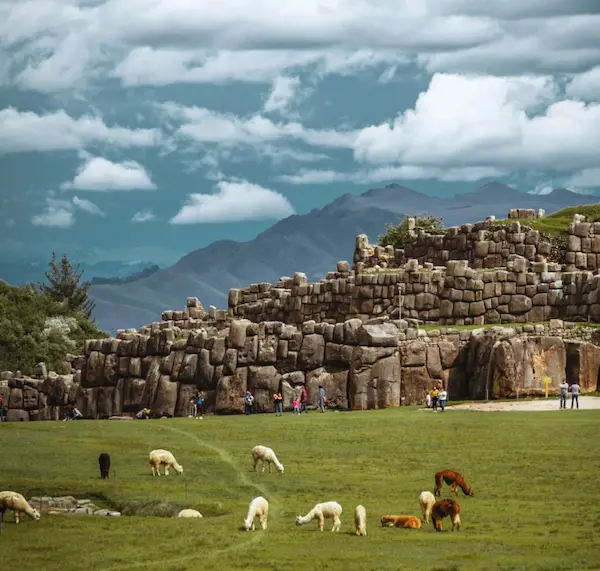
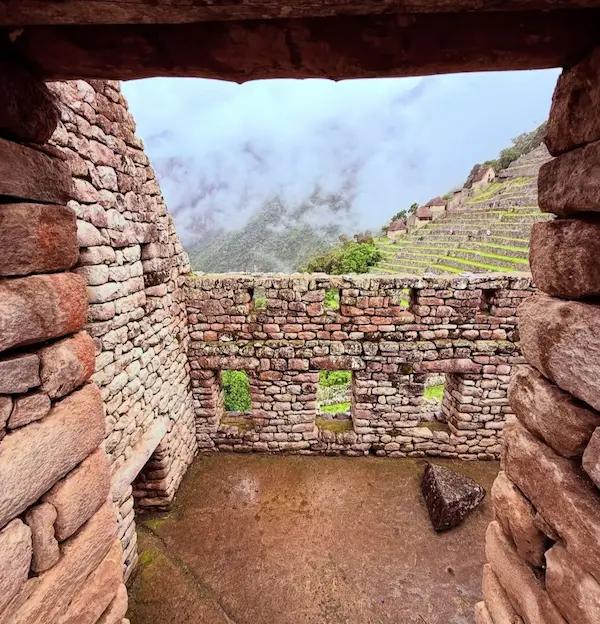
THE FOUNDATIONS OF INCA ARCHITECTURe
Engineering and Design in the Andes
The foundations of Inca architecture were built on advanced engineering techniques and a deep understanding of the Andean environment. The Incas developed construction methods that allowed their cities to adapt to steep mountains, earthquakes, and changing climates.
- Stone Construction Techniques: Inca builders used precisely cut stones that fit together without mortar, creating strong and earthquake-resistant structures that have lasted for centuries.
- Terraces and Urban Planning: They designed agricultural terraces and organized cities in harmony with the landscape, maximizing space and ensuring sustainability in high-altitude regions.
These principles demonstrate how Inca architecture combined functionality, durability, and environmental adaptation to create one of the most efficient building systems in the ancient world.
The development of inca architecture
The Inca Empire created a highly advanced architectural system through innovation, adaptation to the environment, and precise construction techniques.
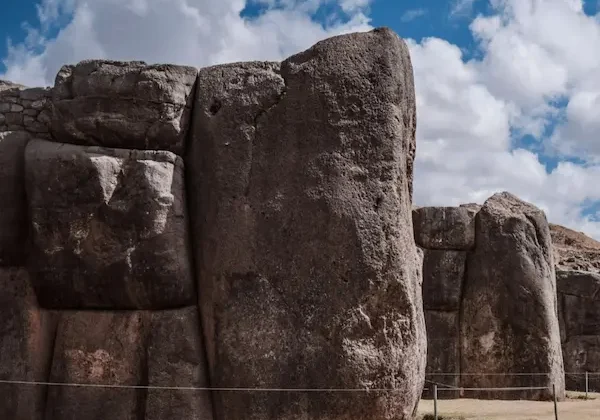
stone mastery
Inca builders perfected the art of stone construction using precisely cut blocks that fit together without mortar. This technique made their structures extremely durable and resistant to earthquakes.
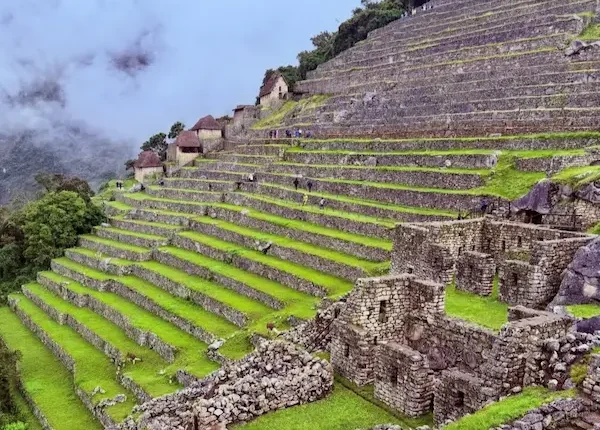
terraces and landscape design
The Incas developed agricultural terraces (andenes) that allowed them to farm on steep mountains. These terraces also helped control erosion and manage water efficiently.
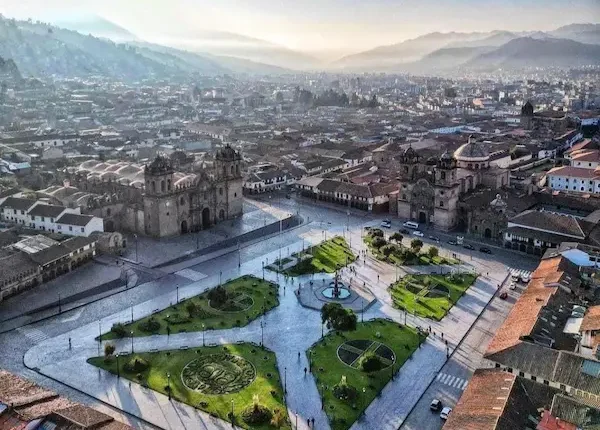
urban planning and structure
Inca cities were carefully planned, with temples, plazas, and roads integrated into the natural terrain. Their designs combined functionality, organization, and harmony with the environment.
The legacy of inca architecture
Despite the fall of the Inca Empire, its architecture remains one of the most enduring achievements in the ancient world. Many structures have survived centuries of natural disasters and human intervention, demonstrating their advanced construction techniques.
Resistance and Preservation: Inca buildings were designed to withstand earthquakes, using flexible stonework that absorbs movement. This is why many original structures still stand today.
Spanish Influence: During the Spanish conquest, many Inca cities were partially destroyed or rebuilt. However, Spanish constructions often relied on original Inca foundations due to their strength and stability.
Enduring Impact: Today, sites like Machu Picchu and Cusco showcase the lasting influence of Inca architecture, attracting visitors and researchers from around the world.

famous inca architecture
The Inca Empire built impressive cities across the Andes, many of which still stand today as examples of advanced engineering and architectural mastery.
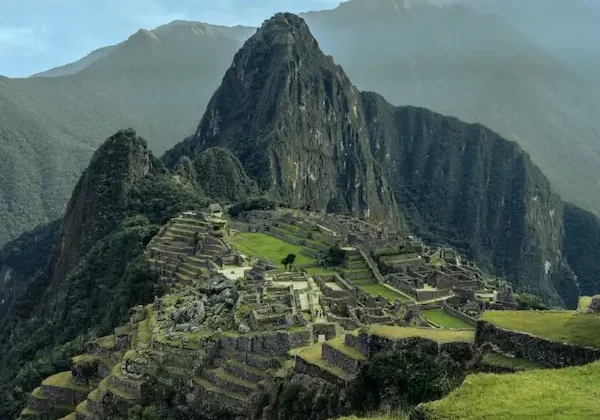
machu picchu
One of the most iconic Inca sites, Machu Picchu showcases precise stone construction, terraces, and urban planning integrated into the mountain landscape.
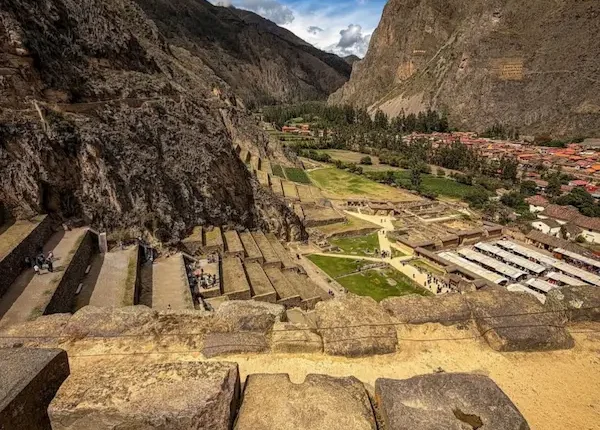
ollantaytambo
This site features massive stone terraces and temples, demonstrating the Incas’ ability to work with large stone blocks and complex terrain.
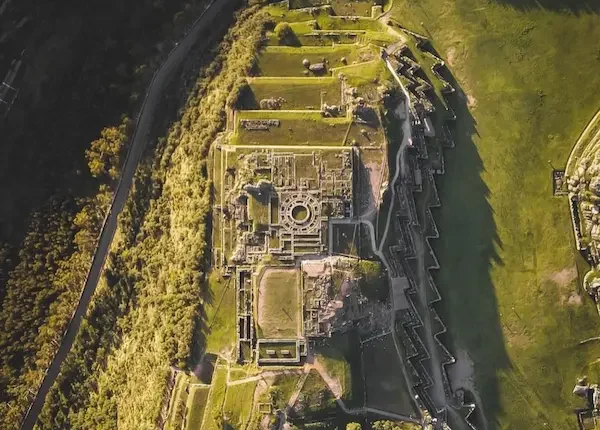
sacsayhuamán
Known for its enormous stone walls, this fortress highlights the precision and scale of Inca stonework and defensive architecture.
Frequently Asked Questions about Inca architecture
What makes Inca architecture unique?
Inca architecture is known for its precise stonework, earthquake resistance, and integration with the natural environment.
How did the Incas build without mortar?
They shaped stones with extreme precision so they fit perfectly together, creating stable and long-lasting structures.
What are Inca terraces used for?
Terraces were used for agriculture, preventing erosion and improving water distribution in mountainous regions.
Why is Inca architecture still important today?
It provides valuable insights into sustainable design, engineering, and construction techniques that are still relevant.