
Inca Food: Traditional dishes, ingredients and ancient cuisine
Inca food was deeply connected to nature, agriculture, and the Andean worldview. Long before modern nutrition science, the Incas developed a balanced and sustainable diet based on local ingredients
The foods consumed across the Andes supported large populations and reflected centuries of agricultural knowledge. These figures provide context on the scale and diversity of the ingredients that shaped traditional Andean nutrition.
More than 4,000 varieties of potatoes have been identified in the Andes, making it one of the most diverse food crops in the world.
The Andes contain 12 ecological zones, allowing communities to cultivate a variety of crops within relatively short distances.
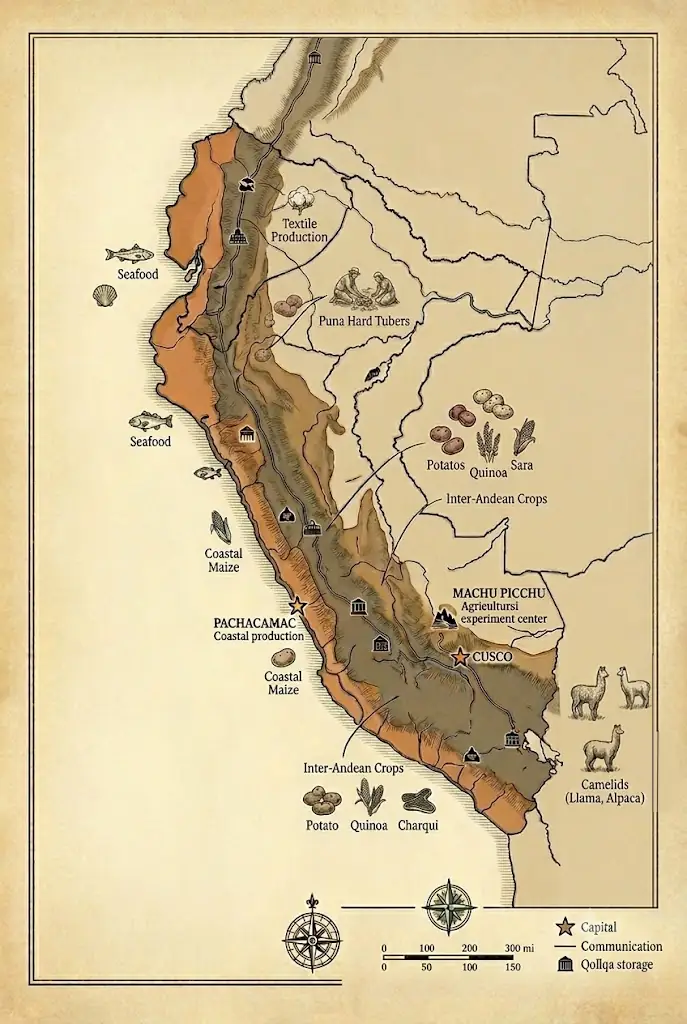
The extensive Inca road system connected agricultural regions across the empire, facilitating the movement of food and resources.
The extensive Inca road system connected agricultural regions across the empire, facilitating the movement of food and resources.
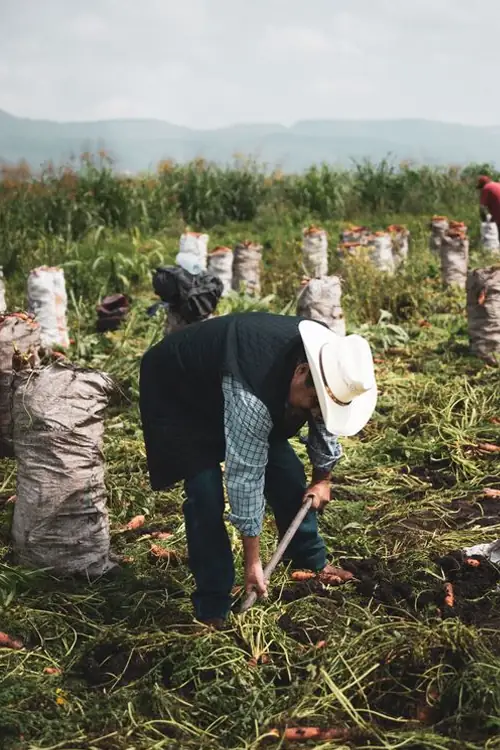
Food was not only a source of nourishment for the Incas but also held deep spiritual and ceremonial significance. Many meals and drinks were part of religious and social rituals
The Inca diet was based on ingredients adapted to the diverse geography of the Andes, allowing communities to maintain balanced nutrition across different climates and altitudes. These foods were not only essential for daily survival but also reflected the ingenuity of agricultural practices developed over time.
In the case of Inca Food, many of these staples were chosen for their ability to grow in extreme conditions and for their long storage capacity, which helped ensure food security throughout the year in a challenging environment.
With more than 4,000 varieties, potatoes were a core staple cultivated across different altitudes, ensuring continuous harvests and adaptation to varied climates.
Known as the “mother grain”, quinoa was highly valued for its protein content and became an essential part of daily nutrition across the empire.
Corn was widely consumed and used to prepare chicha, a traditional fermented drink, as well as several everyday dishes in different regions.
Beans and legumes provided an important source of protein and were commonly combined with maize to create more complete and balanced meals.
Ají peppers added flavor and mild spice to traditional preparations, becoming a key ingredient in Andean cooking traditions.
Chuño is a freeze-dried potato made through natural freezing and drying processes, allowing long-term storage and ensuring food availability during difficult seasons.
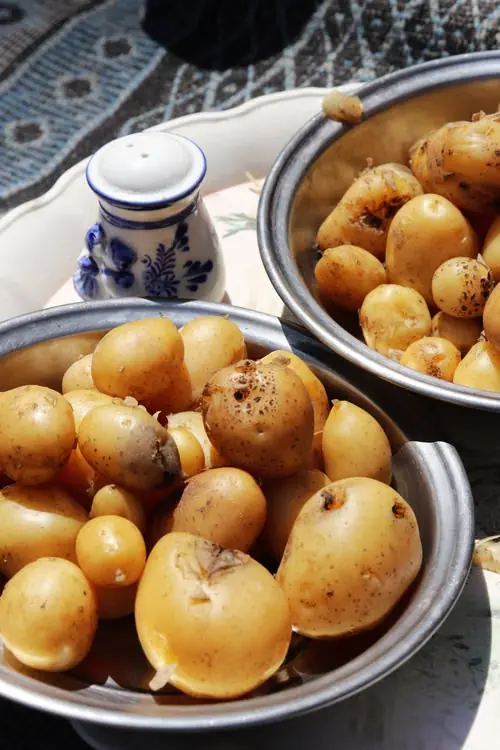
Inca Food traditions were deeply connected to the land and reflected a way of cooking that used natural resources, simple techniques, and ingredients available across the Andes. Many of these dishes were also part of rituals, celebrations, and daily life within the empire.
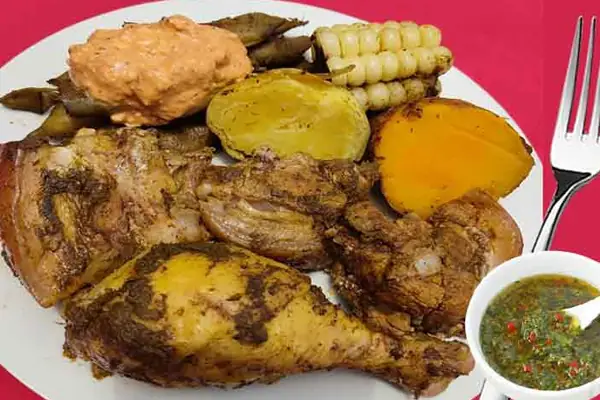
It is a traditional method where meat, potatoes, and vegetables are cooked underground with hot stones, creating a slow preparation closely tied to the earth and ancestral cooking practices.
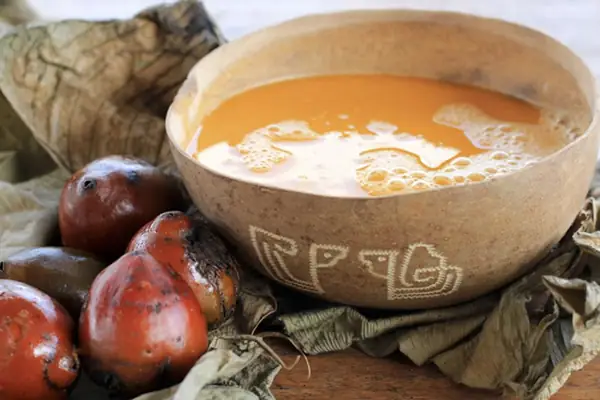
Chicha is a fermented corn drink widely consumed across the Andes, commonly used in celebrations, rituals, and community gatherings as part of cultural traditions.
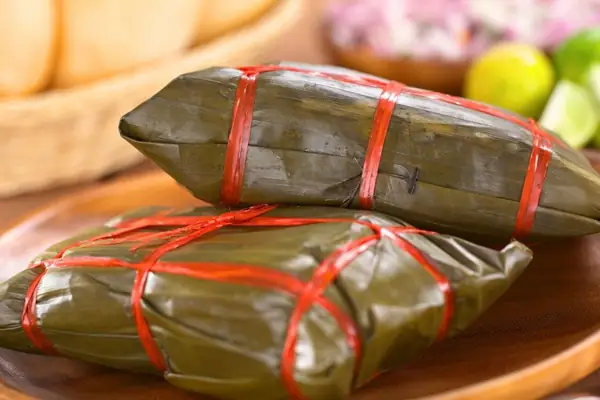
Tamales are made from corn dough wrapped in leaves and steamed, forming a simple and nourishing preparation rooted in traditional Andean cooking practices.
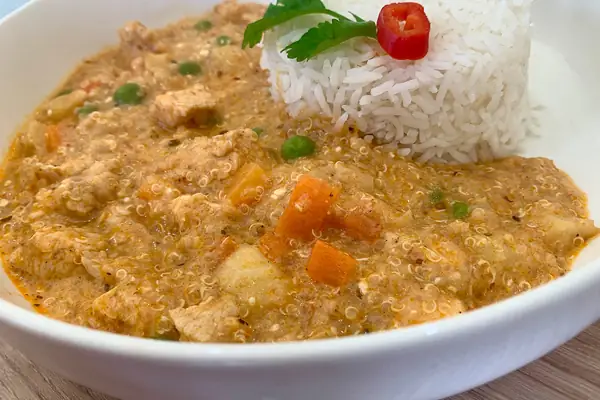
Quinoa stew is a warm preparation based on native ingredients, combining quinoa with vegetables to create a balanced and filling dish for everyday consumption.
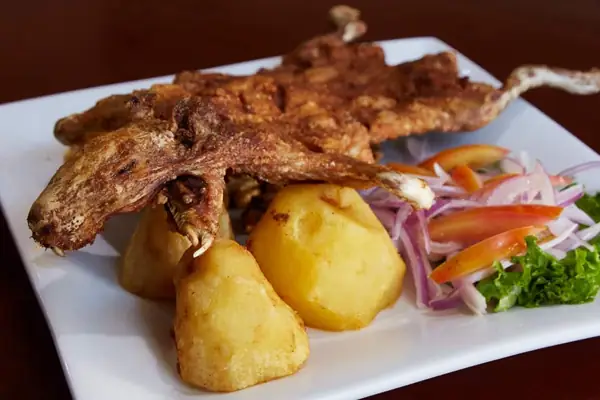
Roasted cuy is a traditional dish prepared for special occasions and valued as an important source of protein in Andean communities across different regions.
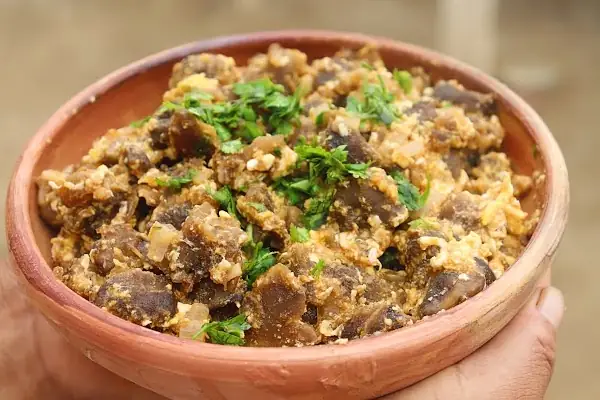
Chuño-based dishes use freeze-dried potatoes, a preservation method that allowed food to be stored for long periods and used during times of scarcity.
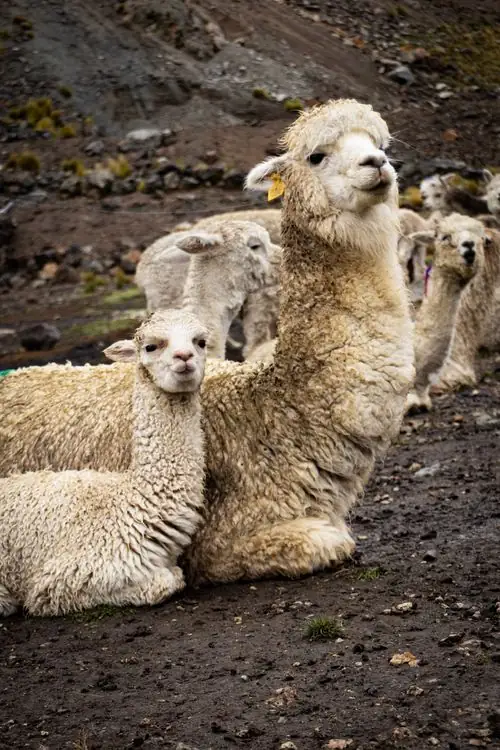
The protein sources in the Inca Food diet were closely linked to the diverse geography of the Andes, where communities relied on animals and aquatic life adapted to different ecological zones. These foods were not only important for nutrition but also reflected how the Inca managed resources across a vast and varied territory.
In the case of Inca Food, these protein sources were selected based on availability, sustainability, and preservation methods such as drying and salting, which helped ensure food supply throughout the year in both highland and coastal regions.
Llama and alpaca were essential in Inca Food, serving as transport animals and also providing protein. Their meat was commonly processed into charqui, a dried and salted form that allowed long-term storage.
Cuy was a traditional protein in Inca Food culture, often reserved for special occasions and ceremonial moments. It was usually roasted or stewed with local herbs and spices.
Fish contributed to Inca Food depending on the region, with coastal communities consuming seafood such as anchovies and shellfish, while inland populations relied on freshwater species like trout and pejerrey, often preserved for transport.
Duck and wild birds were part of Inca Food in certain regions, especially near wetlands and lakes, where they were hunted and prepared in roasted dishes or stews.
Frogs and other small aquatic animals were included in Inca Food in some Andean and Amazonian areas, providing an additional protein source for communities near rivers and wetlands.
The flavours behind an ancient civilisation.
The Incas relied on a varied diet that was well suited to the different climates of the Andes. Their staple foods included potatoes, maize, quinoa, amaranth, beans, squash, and native peppers, all cultivated using advanced farming techniques such as agricultural terraces and irrigation systems. In warmer regions, they also consumed a variety of fruits, while cuy (guinea pig) was one of the main sources of animal protein and was typically reserved for ceremonies or special occasions.
The diversity of Inca food reflected the civilisation’s deep understanding of agriculture and the natural environment, allowing communities to grow crops at different elevations and store harvests efficiently to support a large population throughout the empire.
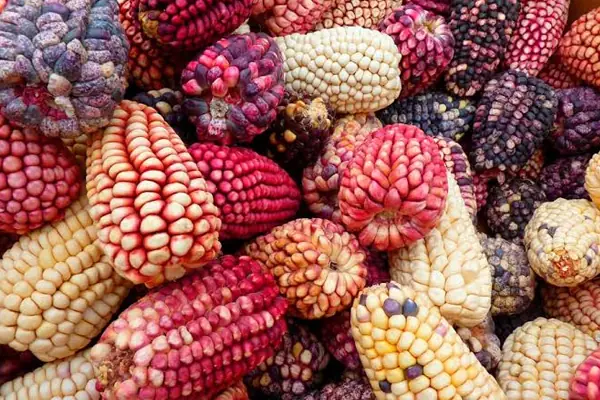
The traditional Andean diet was built on natural ingredients that provided energy, balance, and endurance for daily life in extreme geographical conditions. These foods supported both physical strength and long-term survival across different regions of the empire.
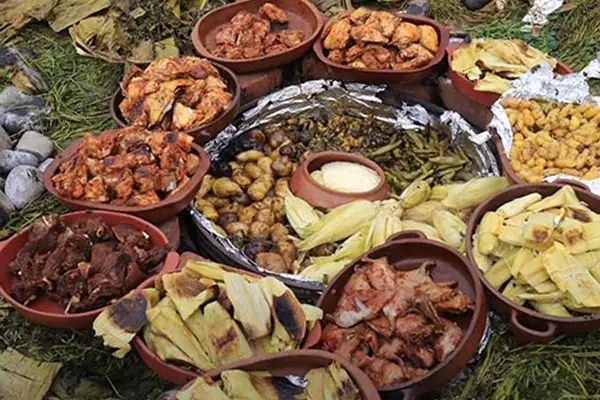
This diet included highly nutritious ingredients such as quinoa, potatoes, and corn, offering dense energy and essential nutrients in a simple and accessible way.
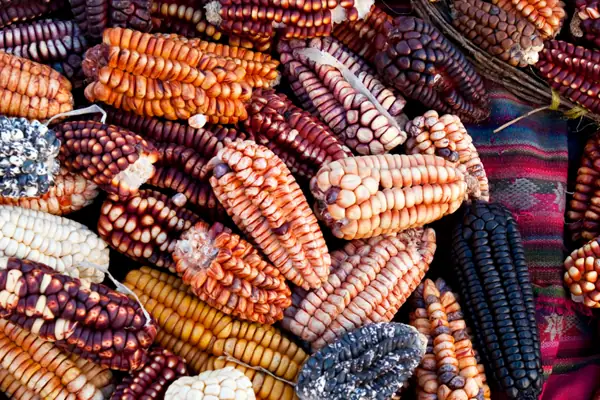
The combination of grains, legumes, and animal protein provided a balanced intake of protein and fiber, supporting strength and sustained energy throughout the day.
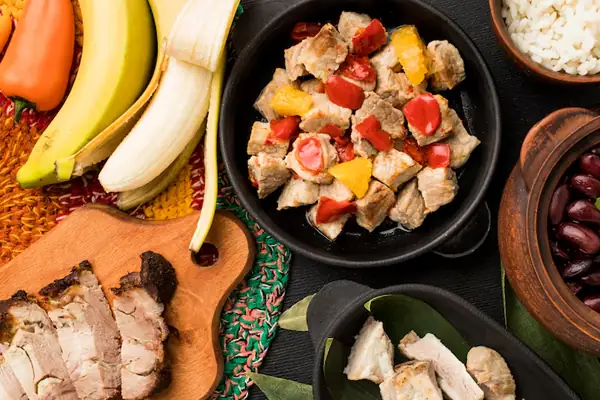
Most ingredients were locally sourced and naturally cultivated, following agricultural practices that respected the environment and ensured long-term food availability.
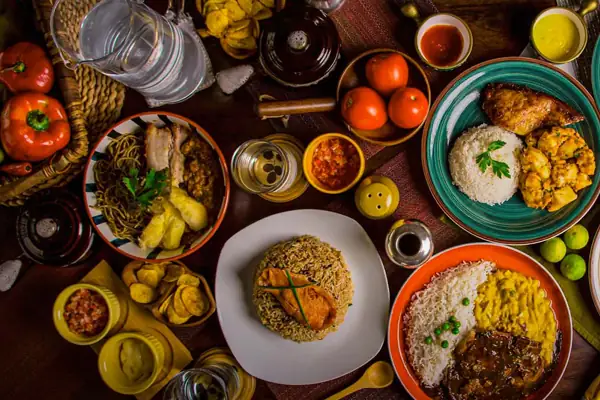
The overall food system was designed to maintain physical endurance and resilience, allowing communities to adapt and thrive in the demanding Andean landscape.

Ancient ingredients, lasting global impact.
Many ingredients and techniques from Inca food traditions are still present in modern Andean cuisine. Potatoes, quinoa, corn, and traditional cooking methods continue to shape contemporary dishes in Peru and surrounding regions. These ancestral foods have gained global recognition for their nutritional value and sustainability. Today, they are celebrated not only as cultural heritage but also as essential elements of modern healthy diets.
The Incas developed practical techniques to preserve food for long periods, helping communities store supplies and adapt to the challenging conditions of the Andes. These methods played an important role in maintaining food availability across different regions of the empire.

The Incas developed a unique method to preserve potatoes by exposing them to freezing temperatures overnight and then dehydrating them under the sun. This process removed moisture, allowing chuño to last for years and ensuring food security.

Llama and alpaca meat were cut into strips, salted, and sun-dried to create charqui, an early version of jerky. This technique preserved protein-rich meat, making it easy to store and transport, especially for the Inca army.

The Incas built colcas, well-ventilated storage houses in high-altitude locations to prevent humidity and spoilage. These silos preserved maize, quinoa, and other grains, ensuring a steady food supply throughout the empire.
The diversity of landscapes across the Andes played a key role in shaping agricultural practices and food availability throughout the region. In the case of IncasFood, the connection between environment and cultivation methods defined how communities produced and distributed their resources.
Food production across the Andean regions was structured around elevation and climate differences, allowing crops to grow in specific ecological zones. Adaptation and sustainability in IncasFood systems were achieved through farming techniques that preserved soil fertility and ensured long-term harvests in challenging conditions.
The diversity of Inca Food was directly shaped by the Andean landscape, where mountains, valleys, and high-altitude plains required highly adapted agricultural systems to sustain life across different environments.
Inca Food production relied on vertical farming techniques, where crops were grown according to elevation and climate conditions, with potatoes in the highlands, corn in temperate valleys, and fruits and peppers in lower regions.
Systems were designed for long-term sustainability, using practices such as terrace farming, crop rotation, and respect for natural cycles to maintain soil fertility and ensure continuous food production.
This section answers common questions about Andean cuisine and its historical background, focusing on how ancient traditions, ingredients, and agricultural practices continue to be understood today.
Andean agriculture was unique because it was developed across extreme altitude variations, requiring farmers to create specialized systems that could adapt to mountains, valleys, and coastal environments.
Food was preserved using natural methods such as dehydration, freezing in high-altitude conditions, and salting, which allowed ingredients to last through difficult seasons and long journeys.
Trade and exchange routes allowed different regions to access ingredients they could not grow locally, creating a balanced system of food distribution across diverse ecological zones.
Many traditional ingredients are still valued because they are nutrient-dense, adaptable to different diets, and environmentally sustainable compared to many modern industrial food systems.