
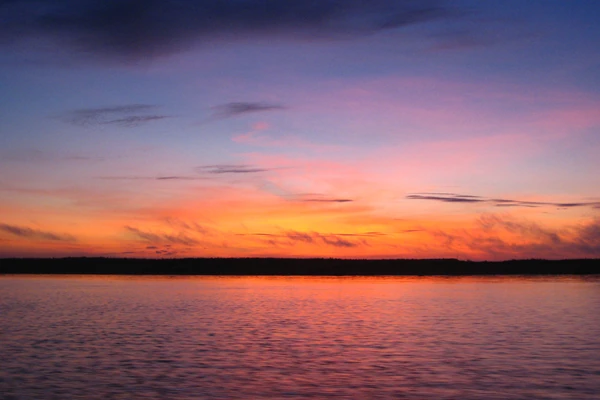
Sunsets in Peru have a way of unfolding slowly, almost as if the landscape itself were revealing something hidden. As the light begins to soften, each region takes on a different character, shaped by mountains, ocean, or forest. It is in these quiet transitions that the country’s depth becomes more visible, inviting travellers to pause and observe rather than simply move on.
There is also a sense that these moments carry more than visual beauty. The changing light interacts with history, culture, and geography, creating experiences that feel layered and meaningful. Watching the sun fade in Peru is not just about the end of the day, but about witnessing a connection between place, time, and memory that lingers long after the colours disappear.
You may also be interested in: 7 sustainable living lessons from the Inca civilization
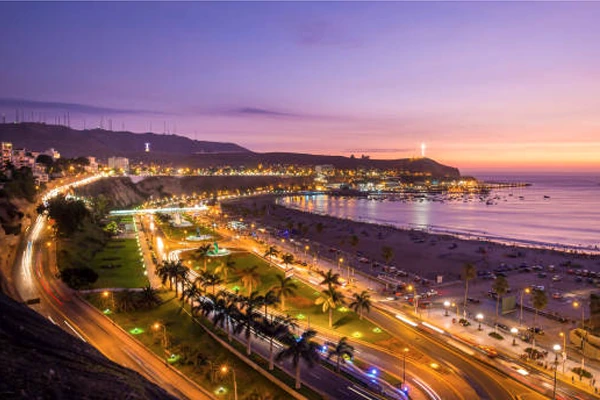
Why sunsets in Peru feel so unique?
There is something quietly powerful about sunsets in Peru that goes beyond colour and light. As the day draws to a close, the landscapes seem to shift in character, revealing layers of history, geography, and meaning that are not always visible under the midday sun. It is not only a visual moment, but a transition that invites reflection and connection with the surroundings.
What makes sunsets in Peru particularly memorable is the way they combine natural diversity with cultural depth. From coastal horizons to mountain silhouettes, each setting offers a different experience of dusk. The light does not simply fade; it transforms the environment, creating a sense that each sunset carries its own story.
A country shaped by coast, mountains, and rainforest
Peru’s geography plays a central role in shaping how sunsets are experienced. Along the coast, the vast Pacific Ocean reflects warm tones across the sky, creating open and expansive views where the horizon feels endless. In contrast, the Andes introduce a dramatic interplay of light and shadow, as the sun dips behind peaks and valleys, painting the landscape in deeper and more textured colours.
Further east, the Amazon rainforest offers a completely different atmosphere. Here, sunsets are not always defined by clear horizons, but by filtered light passing through dense vegetation and mist. This diversity means that sunsets in Peru are never repetitive, as each region presents its own rhythm, palette, and emotional tone.
What is the role of the sun in Andean culture?
In Andean culture, the sun has long held a place of deep spiritual significance. Known as Inti, it was considered a source of life, guidance, and balance. Rather than being seen as a distant celestial body, the sun was understood as a living presence that shaped daily life, agricultural cycles, and the connection between people and the natural world.
This cultural perspective adds another layer to the experience of sunsets in Peru. Watching the sun disappear behind the mountains or into the ocean is not only a visual event, but also a symbolic one. It reflects a cycle of renewal and continuity, echoing beliefs that have been passed down through generations and that still influence how many communities relate to their environment today. For many travellers, exploring this connection becomes part of a wider journey, often included within a Peru travel agency tours that brings them closer to both the landscape and its cultural meaning.
How do altitude and climate transform the sky?
Altitude has a remarkable effect on how sunsets appear across Peru. In higher regions such as the Andes, the thinner atmosphere allows light to scatter differently, often resulting in more intense and varied colours. Shades of orange, pink, and violet can appear sharper and more defined, creating a striking visual contrast against the rugged terrain.
Climate also plays a key role in shaping these moments. Coastal areas may experience soft, hazy sunsets influenced by ocean humidity, while mountainous regions tend to offer clearer and more vivid displays during the dry season. In the rainforest, humidity and cloud cover can diffuse the light, producing subtle and atmospheric scenes. Together, these elements ensure that sunsets in Peru are shaped by a unique combination of natural forces that make each one feel distinct.
You may also be interested in: Sustainable tourism development in practice
7 most beautiful sunsets in Peru
Across the country, sunsets in Peru reveal a remarkable diversity of landscapes and experiences. Each destination offers its own interpretation of dusk, shaped by geography, atmosphere, and cultural context. From coastal horizons to highland valleys, these moments are not simply about watching the sun go down, but about witnessing how light transforms each place in a unique way.
The following locations stand out for the way they capture this transition. Whether framed by ocean views, desert dunes, or ancient terraces, these settings allow travellers to experience sunsets in Peru with a sense of depth and perspective that goes beyond the ordinary.
Lima coast: Sunset over the Pacific Ocean
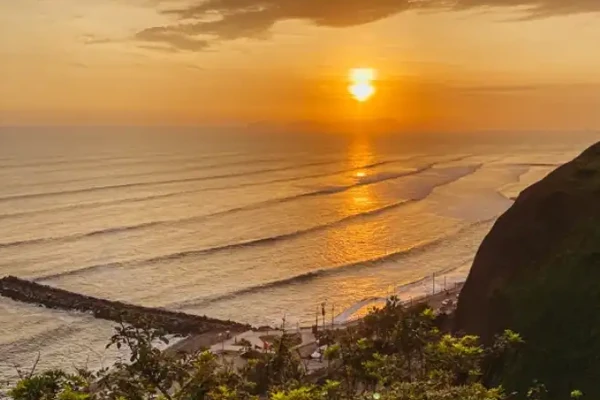
Along the coastline of Lima, the sunset unfolds over the vast expanse of the Pacific Ocean. The open horizon allows the sky to stretch endlessly, creating a calm and expansive atmosphere as the light gradually softens. The cliffs of Miraflores and Barranco provide natural viewpoints where the changing colours can be observed without interruption.
As the sun descends, the ocean reflects warm tones that shift from gold to deep orange, often accompanied by a gentle sea breeze. This setting offers one of the most accessible ways to experience sunsets in Peru, where urban life meets the quiet rhythm of the sea at the end of the day.
Huacachina: Golden light across the desert dunes
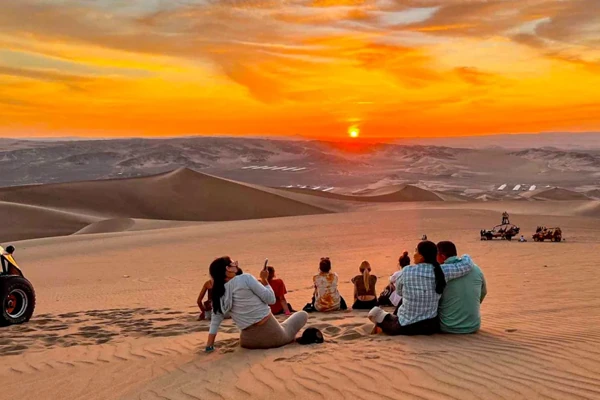
In Huacachina, the desert landscape creates a striking contrast with the fading light of the day. The dunes, shaped by wind over time, catch the last rays of the sun and glow in shades of gold and amber. From the highest points, the view expands across an endless sea of sand, offering a sense of isolation and stillness.
The experience is often accompanied by a feeling of movement, as shadows stretch and redefine the contours of the dunes. Sunsets in Peru take on a more dramatic character here, where the simplicity of the desert amplifies the intensity of light and colour in a way that feels both raw and captivating.
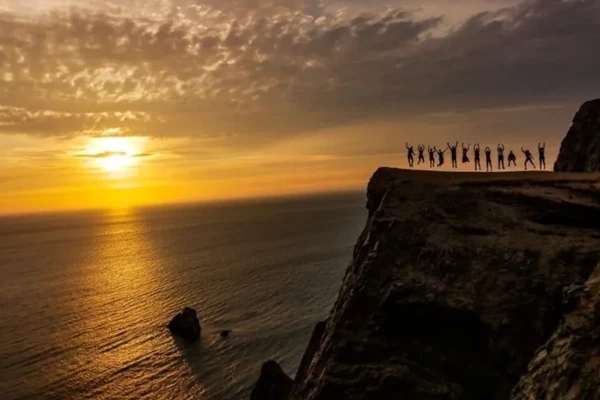
Paracas national reserve: Where the desert meets the sea
Paracas presents a unique meeting point between desert and ocean, where the coastline becomes a stage for one of the most distinctive sunset views in Peru. The cliffs and rock formations create layered perspectives, allowing the light to interact with both land and water simultaneously.
As the sun lowers, the colours deepen across the landscape, highlighting textures and contrasts that are not as visible during the day. This setting offers a more rugged and natural experience of sunsets in Peru, where the elements come together to create a sense of balance between stillness and movement.
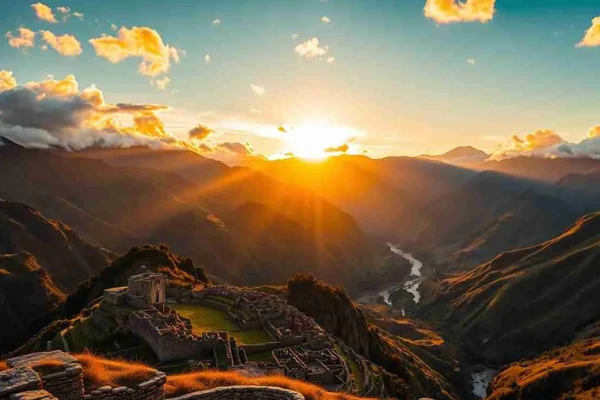
Sacred valley: Sunsets among ancient Inca landscapes
The Sacred Valley offers a sunset experience shaped by history as much as by nature. Surrounded by mountains and dotted with ancient terraces, the valley becomes a place where light interacts with structures that have stood for centuries. The gradual fading of the sun reveals details in the landscape that feel both timeless and deeply connected to the past.
As evening approaches, the atmosphere becomes quieter, and the colours take on a softer, more reflective tone. Sunsets in Peru gain a deeper meaning in this setting, where the presence of Inca heritage adds a layer of cultural significance to the simple act of watching the day come to an end.
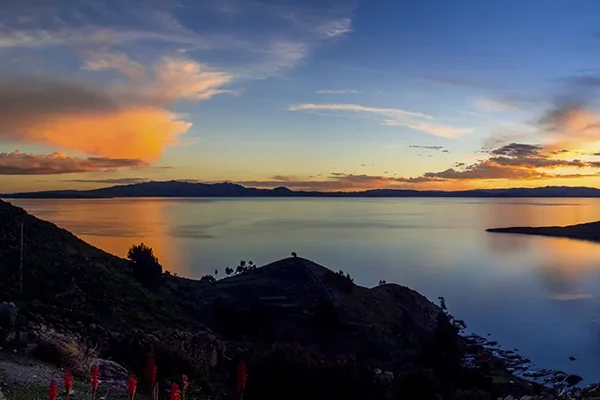
Lake Titicaca: Reflections at the highest navigable lake
At Lake Titicaca, the altitude and vastness of the water create a unique environment for observing the sunset. The surface of the lake acts as a mirror, reflecting the changing sky and doubling the visual impact of the moment. The surrounding landscape remains still, allowing the colours to stand out with clarity.
The experience is often accompanied by a sense of calm, as the light gradually fades over one of the highest navigable lakes in the world. In this setting, sunsets in Peru feel expansive and serene, offering a moment of quiet reflection in a place that holds deep cultural and geographical significance.
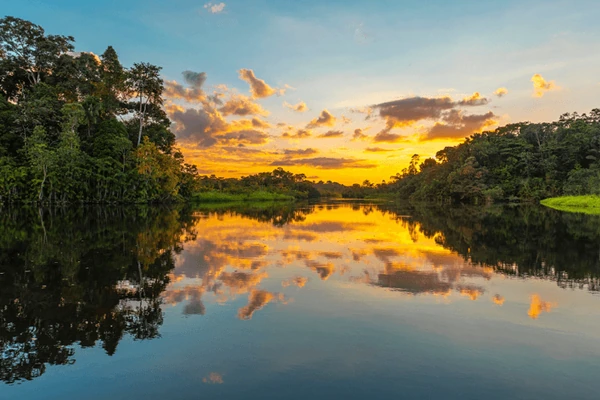
Amazon rainforest: A sunset full of life and sound
In the Amazon rainforest, sunsets are experienced differently from other regions. Rather than open views of the horizon, the light filters through dense vegetation, creating a layered and atmospheric effect. The sky may not always be fully visible, but the change in light is felt throughout the environment.
As dusk approaches, the sounds of the rainforest begin to shift, with wildlife becoming more active. This creates a multisensory experience where sunsets in Peru are not only seen but also heard and felt. The transition from day to night becomes a moment of connection with the natural world in its most vibrant form.
You may also be interested in: Is Machu Picchu Hard to Hike? A Complete Guide for Travelers
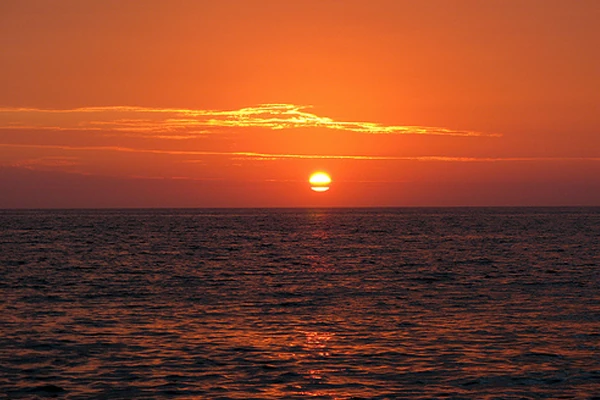
Máncora: Warm northern sunsets by the beach
In the northern coast, Máncora offers a more relaxed and warm setting for enjoying the sunset. The beaches provide unobstructed views of the horizon, where the sun slowly disappears into the ocean, often accompanied by clear skies and gentle waves.
The atmosphere here is unhurried, allowing the moment to be enjoyed at a slower pace. Sunsets in Peru take on a softer and more inviting character in Máncora, where the warmth of the climate and the simplicity of the surroundings create an experience that feels both peaceful and memorable.
Best time to watch sunsets in Peru
Timing plays an important role when experiencing sunsets in Peru, as light conditions can vary depending on the region and the season. While the country does not have extreme variations in daylight hours, subtle changes in climate and atmosphere can influence how clear or vibrant each sunset appears. Understanding these patterns allows travellers to plan their moments more intentionally.
Rather than focusing on a single perfect time, it is helpful to consider how geography shapes the experience. From coastal humidity to high-altitude clarity, each region offers different conditions that affect how the sky transforms at the end of the day. This makes sunsets in Peru not only diverse in location, but also in timing and atmosphere.
What time does the sun set in Peru?
Peru’s location near the equator means that sunset times remain relatively consistent throughout the year. In most regions, the sun typically sets between 5:30 pm and 6:30 pm, with only slight variations depending on the season. This regularity makes it easier to anticipate the transition from day to night without significant changes in daylight hours.
However, local geography can influence how the sunset is perceived. In mountainous areas, the sun may disappear behind peaks earlier than expected, while along the coast, the horizon allows for a longer and more gradual descent. When planning to experience sunsets in Peru, arriving at your chosen viewpoint at least an hour in advance ensures enough time to observe the full progression of light, especially if your journey includes a 5 day Inti Raymi tour in Cusco, where timing and setting play an essential role in the overall experience.
What are the best months for clear skies?
The best months to enjoy clear sunsets in Peru often depend on the region you are visiting. In the Andes, the dry season, which typically runs from May to September, offers clearer skies and more defined colours. During this time, the absence of heavy clouds allows the sunset to unfold with greater intensity and contrast.
On the coast, conditions can be more variable due to seasonal fog, especially between June and November. In contrast, the summer months from December to March tend to provide brighter and clearer sunsets. In the Amazon, humidity and cloud cover are present throughout the year, but brief openings in the sky can create soft and atmospheric sunsets that feel more subtle yet equally memorable.
What are the differences between coast, Andes, and Amazon?
Each region in Peru offers a distinct interpretation of sunset, shaped by its natural environment. Along the coast, sunsets are defined by open horizons and reflections over the ocean, creating expansive views with warm and gradual colour transitions. The presence of the sea often adds a sense of calm and continuity to the experience.
In the Andes, the landscape introduces a more dramatic and layered perspective. Mountains create depth and shadow, allowing light to interact with the terrain in dynamic ways. In the Amazon, the experience becomes more immersive, as the sunset is filtered through dense vegetation and accompanied by the sounds of wildlife. These regional differences highlight why sunsets in Peru feel varied and deeply connected to their surroundings.
You may also be interested in: Cusco train to Machu Picchu: the scenic journey through the heart of the Inca world
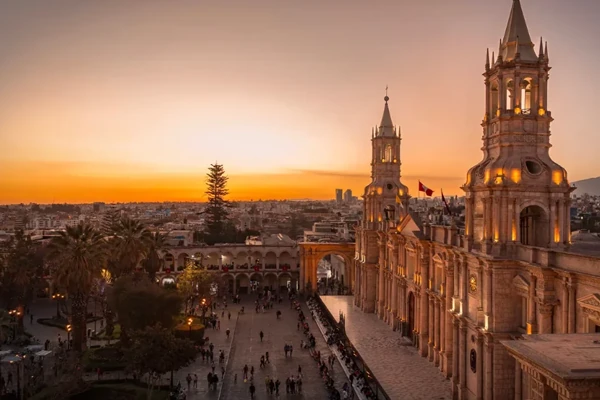
Tips to enjoy the best sunsets in Peru
Experiencing sunsets in Peru goes beyond simply finding the right location. Small details, such as timing, positioning, and preparation, can significantly enhance the moment. Being mindful of these elements allows you to engage more fully with the environment and appreciate the subtle changes in light and atmosphere.
Rather than treating sunsets as a quick stop in an itinerary, taking the time to observe them with intention can transform the experience. Whether you are by the coast, in the mountains, or within the rainforest, a thoughtful approach helps create a deeper connection with the setting and the moment itself.
How to choose the right viewpoint?
Selecting the right viewpoint is essential for fully appreciating sunsets in Peru. Open spaces with a clear line of sight towards the horizon often provide the most uninterrupted views, especially along the coast. In mountainous regions, elevated points such as terraces or natural lookouts can offer a broader perspective of the surrounding landscape.
It is also important to consider the direction in which the sun sets and how the terrain interacts with the light. Arriving early allows you to explore different angles and settle into a position that captures both the scenery and the changing colours. A well chosen viewpoint can turn a simple sunset into a more immersive and memorable experience.
How to capture the perfect photo?
Capturing sunsets in Peru through photography requires patience and attention to light. The moments before and after the sun reaches the horizon often provide the most interesting colours, known as the golden and blue hours. During this time, the sky can shift rapidly, creating opportunities for varied and expressive images.
Rather than focusing only on the sun, including elements of the landscape can add depth and context to your photos. Silhouettes, reflections, and textures can enhance the composition and reflect the character of each location. Taking time to observe before photographing often leads to more thoughtful and balanced results.
What should you bring for the experience?
Preparing for sunsets in Peru can make the experience more comfortable and enjoyable. In coastal areas, a light jacket may be useful as temperatures drop after sunset, while in the Andes, warmer layers are often necessary due to the altitude. In the Amazon, insect repellent can help ensure a more relaxed moment as evening approaches.
Beyond practical items, bringing a sense of presence and openness can shape how you experience the moment. Allowing time to sit, observe, and disconnect from distractions can turn a simple sunset into a more meaningful encounter with the landscape. In this way, sunsets in Peru become not just something to see, but something to truly experience.
You may also be interested in: Eco Tourism vs Traditional Tourism in 2026
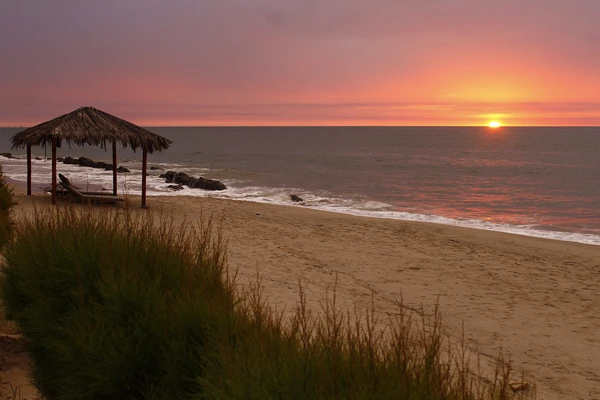
The meaning of the sun in Inca culture
To understand sunsets in Peru, it is essential to look beyond the landscape and into the cultural meaning of the sun itself. In the Andean worldview, the sun was not simply a source of light, but a guiding force that shaped life, time, and harmony with nature. Its presence influenced how people understood the world and their place within it.
This perspective adds depth to the experience of watching the sun set. Rather than marking the end of the day, it represents a moment within a continuous cycle of renewal. Sunsets in Peru can therefore be seen not only as visual events, but as reflections of a deeper connection between people, nature, and the passage of time.
Who was Inti and why was it important?
Inti was the sun god in Inca belief, regarded as one of the most important deities within their spiritual system. He was associated with life, energy, and protection, and was believed to be directly connected to the wellbeing of the people. The Inca rulers even considered themselves descendants of Inti, reinforcing the sacred role of the sun in both spiritual and political life.
Temples and ceremonies were dedicated to honouring this connection, with sunlight often playing a central role in rituals and architectural design. Understanding the importance of Inti provides a new perspective on sunsets in Peru, where the fading light can be interpreted as part of a sacred rhythm that has been acknowledged for centuries.
Why was light central to Inca life?
Light was deeply integrated into daily life in the Inca world, influencing agriculture, architecture, and spiritual practices. The movement of the sun helped determine planting and harvesting cycles, while its position in the sky guided the construction of cities and ceremonial spaces. Many structures were designed to align with solar events, allowing light to enter in precise and meaningful ways.
Beyond practical items, bringing a sense of presence and openness can shape how you experience the moment. Allowing time to sit, observe, and disconnect from distractions can turn a simple sunset into a more meaningful encounter with the landscape. In this way, sunsets in Peru become not just something to see, but something to truly experience, often forming part of thoughtfully designed Peru travel packages that bring together nature, culture, and moments of quiet reflection.
How can you experience sunsets beyond the visual?
Experiencing sunsets in Peru can go beyond simply observing colours in the sky. Taking a moment to pause and engage with the surroundings allows for a more complete connection with the environment. The sounds, temperature, and subtle changes in light all contribute to the atmosphere, creating a richer and more immersive experience.
Approaching the moment with awareness can transform how it is perceived. Rather than focusing only on capturing an image, allowing yourself to be present can reveal details that might otherwise go unnoticed. In this way, sunsets in Peru become more than a visual highlight, offering a space for reflection and a deeper appreciation of the natural and cultural landscape.
What makes sunsets in Peru a unique travel experience?
What sets this experience apart is the way it combines natural diversity with cultural significance. Few places offer such a wide range of settings, where the same moment can feel entirely different depending on where you stand. From coastal horizons to highland valleys and dense rainforest, each sunset carries its own atmosphere and rhythm.
At the same time, these landscapes are not isolated from history. The presence of ancient traditions and a deep respect for nature add a layer of meaning that goes beyond what is seen. This is what makes sunsets in Peru more than a visual highlight, turning them into moments that connect travellers with something both personal and timeless.

