
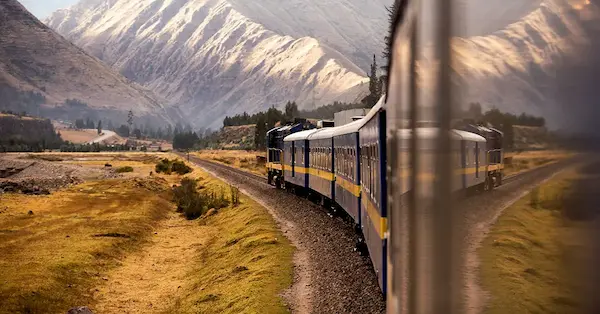
Few travel experiences in the world combine history, culture, and breathtaking scenery like the Cusco train to Machu Picchu journey. While Machu Picchu itself is the final destination, the route that leads there is part of the experience. Travelers move through valleys, rivers, and mountains that once formed the heart of the Inca civilization.
The Sacred Valley, which connects Cusco with Machu Picchu, was one of the most important regions of the Inca Empire. Today, modern trains follow a path that winds through landscapes shaped centuries ago by Inca agricultural terraces, temples, and road systems.
You may also be interested in:Eco Tourism vs Traditional Tourism in 2026
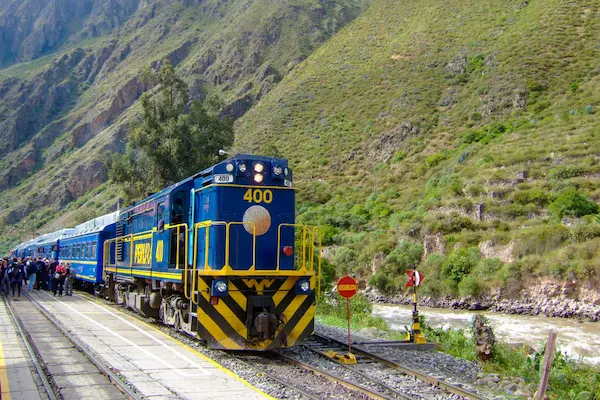
Why the Cusco train to Machu Picchu is one of the world’s most iconic journeys
The Cusco train to Machu Picchu is widely considered one of the most scenic railway journeys in the world. More than just a way to reach the famous Inca citadel, this route offers travelers a unique opportunity to experience the breathtaking landscapes of the Peruvian Andes while following a corridor that has been historically significant for centuries.
1) The route through the Sacred Valley
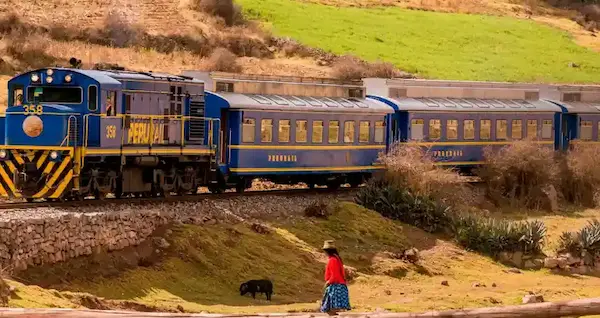
One of the reasons the cusco train to machu picchu is so popular is the extraordinary scenery travelers experience along the route. The train follows the Urubamba River through the Sacred Valley, revealing dramatic Andean landscapes and historic communities.
2) Landscapes shaped by Inca engineering
Long before trains traveled through the valley, the Incas transformed this region with impressive agricultural terraces and irrigation systems. Many of these terraces can still be seen today while traveling on the cusco train to machu picchu, reminding visitors of the engineering brilliance of the Inca civilization.
3) Rivers, mountains, and ancient agricultural terraces
During the journey, the Urubamba River flows alongside the railway for much of the route. For the Incas, this river was sacred and closely connected to their worldview.
As the train continues toward Machu Picchu, the environment gradually changes. The high-altitude valleys slowly transition into lush cloud forests, creating a mystical atmosphere that makes the cusco train to machu picchu one of the most scenic train rides in South America.
Why travelers choose the train instead of trekking
While hiking routes are famous among adventure travelers, the cusco train to machu picchu offers a comfortable alternative that still showcases the beauty of the Andes without the physical demands of hiking for several days through mountainous terrain.
Comfort, scenery, and accessibility
Many travelers prefer the cusco train to machu picchu because it allows them to enjoy spectacular views without the physical demands of trekking. Modern trains provide panoramic windows and comfortable seating so passengers can fully appreciate the landscapes.
Perfect for travelers with limited time
Not everyone has several days available for hiking. The cusco train to machu picchu allows visitors to reach the ancient citadel quickly while still experiencing the remarkable scenery of the Sacred Valley. For travelers on shorter itineraries, the cusco train to machu picchu is often the most efficient and enjoyable way to reach the famous archaeological site.
Understanding the historical importance of the route
The route that connects Cusco with Machu Picchu passes through landscapes that played a crucial role in the development of the Inca civilization. Long before modern railways existed, this region served as a vital corridor linking important settlements, agricultural centers, and ceremonial sites within the empire.
The Sacred Valley in the Inca Empire
The Sacred Valley played a crucial role in the development of the Inca Empire. The same region crossed by the cusco train to machu picchu was once one of the empire’s most productive agricultural areas. Because of this, the Incas developed extensive farming systems in the area, including terraces and irrigation channels that allowed them to cultivate crops efficiently in mountainous terrain.
Agricultural center of the Incas
The fertile lands of the valley supported large populations thanks to sophisticated terrace systems and irrigation channels. As the cusco train to machu picchu moves through the valley today, travelers can still see many of these ancient agricultural terraces carved into the mountainsides.
Strategic route connecting important cities
The Sacred Valley also served as a strategic corridor connecting Cusco with important settlements across the empire. Ancient roads once allowed messengers and travelers to move efficiently across this region. Interestingly, the modern cusco train to machu picchu follows a similar geographic corridor, demonstrating how natural landscapes have shaped travel routes for centuries.
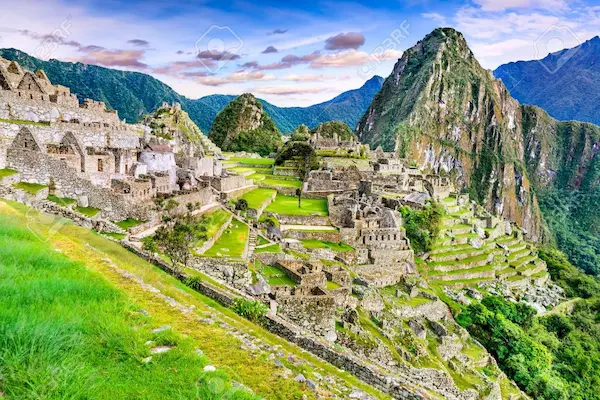
Machu Picchu as a royal Inca estate
For travelers taking the cusco train to machu picchu, the final destination is one of the most impressive archaeological sites in the world. Rather than being a typical city, the site likely served as a seasonal retreat where the ruler, members of the royal court, priests, and selected attendants could live, perform ceremonies, and oversee agricultural activities in the surrounding terraces.
Spiritual and political significance
Historians believe Machu Picchu served as a royal estate connected to the Inca ruler Pachacuti. The site also had ceremonial and astronomical importance, reflecting the Inca worldview that linked nature, spirituality, and governance. Stone temples, terraces, and plazas reveal a society that valued harmony between architecture and the natural landscape.
Rediscovery and global fascination
Although local communities were always aware of the ruins, Machu Picchu gained international recognition in the early twentieth century. Today, travelers arriving on the cusco train to machu picchu experience the same sense of awe that has fascinated explorers and historians for generations.
What to expect during the train journey
The journey by train through the Sacred Valley is an experience that combines comfort, scenery, and cultural discovery. As travelers make their way toward Machu Picchu, the route reveals a constantly changing landscape of mountains, rivers, and lush vegetation that reflects the diverse ecosystems of the Andes.
1) Departure points from Cusco and nearby towns
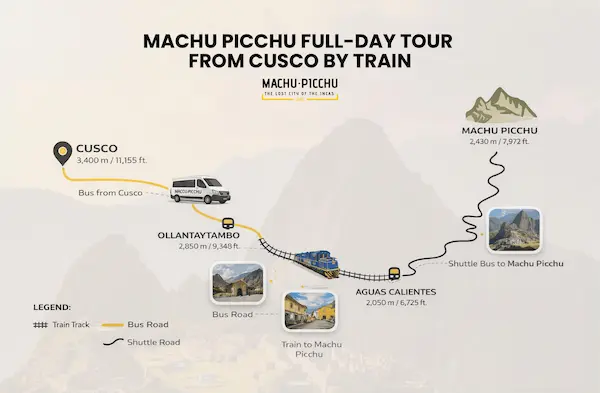
When planning the cusco train to machu picchu, travelers typically depart from one of two main stations. While Cusco is the historic gateway to the region, many train services operate from smaller stations outside the city due to railway logistics and terrain conditions. hese departure points allow travelers to begin their trip surrounded by impressive Andean landscapes and historic settlements that once played an important role in the Inca world.
2) Poroy station
Poroy is located just outside Cusco and offers a convenient starting point for many travelers beginning their cusco train to machu picchu adventure. The surrounding landscapes quickly change as the route leaves the high-altitude plateau and enters greener valleys surrounded by towering mountains.
3) Ollantaytambo station
Another common departure point for the cusco train to machu picchu is Ollantaytambo, a historic Inca town that still preserves its original stone streets and impressive fortress. Many travelers take time to explore this historic site before continuing their journey toward the famous mountain citadel.
The experience onboard
The cusco train to machu picchu journey is designed to highlight the dramatic beauty of the Andes. Traveling by train through the Sacred Valley is designed to be more than just a way to reach Machu Picchu. The onboard experience allows passengers to relax and fully enjoy the dramatic landscapes of the Andes while moving through one of Peru’s most historically significant regions.
Panoramic windows and Andean landscapes
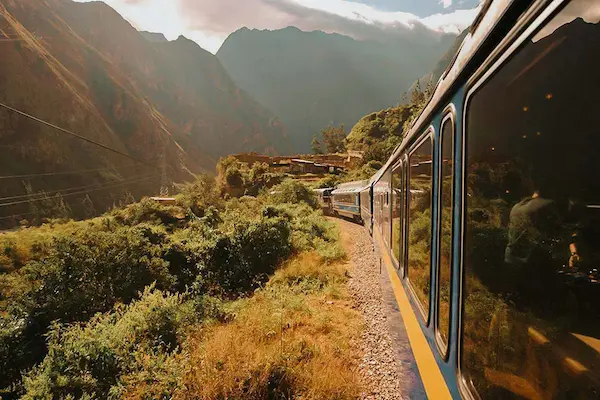
Large windows allow passengers to observe changing landscapes as the train moves from the highlands into the cloud forest region surrounding Machu Picchu. Snow-capped peaks, rivers, and dense vegetation create an ever-changing panorama that makes the trip unforgettable.
Cultural storytelling during the journey
Some train services include cultural elements such as traditional music, storytelling, or explanations about the region’s history. These moments enrich the journey by connecting travelers with the cultural heritage of the Andes.
You may also be interested in: Places to Go on Valentine’s Day
The best time of year to travel
Choosing the right time of year can greatly enhance the journey through the Sacred Valley and the overall visit to Machu Picchu. The region experiences two main seasons: the dry season and the rainy season, each offering different advantages for travelers depending on their preferences and travel style.
Dry season vs. rainy season
The dry season, from May to September, offers clearer skies and excellent visibility of the surrounding mountains. This period is popular among travelers and photographers. The rainy season, from November to March, brings greener landscapes and fewer crowds, although weather conditions can be less predictable.
Photography opportunities along the route
No matter the season, the journey provides endless opportunities for photography. Early morning departures often reveal dramatic lighting across the mountains and valleys. For travelers who enjoy photography, keeping a camera ready is essential, as many of the most impressive views appear unexpectedly along the route.
Alternatives to the train: experiencing the Inca trails
While traveling by train is one of the most comfortable ways to reach Machu Picchu, some travelers prefer a more adventurous route through the Andes. The ancient Inca trails offer a unique opportunity to walk along historic pathways that once connected cities, temples, and agricultural centers across the Inca Empire.
1) Classic trekking routes to Machu Picchu
For travelers seeking a more adventurous way to reach Machu Picchu, trekking routes offer a unique opportunity to explore the ancient pathways once used by the Incas. These trails pass through dramatic mountain landscapes, cloud forests, and remote archaeological sites, allowing hikers to experience the Andes in a deeper and more immersive way.
2) The famous 4 day inca trail experience
The 4 day inca trail is one of the most famous hiking routes in South America. It follows ancient Inca pathways through mountain passes, cloud forests, and archaeological sites before arriving at Machu Picchu through the Sun Gate.
3) Shorter trekking options for limited schedules
Travelers with limited time can still experience part of the legendary Inca trail network without committing to a multi-day expedition. Several shorter trekking routes allow visitors to walk along sections of the ancient pathways while enjoying spectacular views of the Andes and visiting smaller archaeological sites along the way.
A balanced option for adventure travelers
For many travelers, the ideal experience combines adventure with comfort. Instead of choosing between trekking or train travel, some visitors opt for a balanced itinerary that includes both activities.
This approach allows travelers to explore sections of the historic trail network on foot while still enjoying a scenic and relaxing train journey through the Sacred Valley.
Combining trekking and train travel
Combining trekking and train travel allows visitors to experience the best of both worlds. Travelers can hike through portions of the ancient Inca roads, pass through cloud forests and mountain landscapes, and then continue their journey by train through the dramatic valleys of the region.
This combination is particularly appealing for travelers who want an adventurous experience but prefer not to spend several consecutive days hiking at high altitude.
The 2 day inca trail with camping experience
One of the most popular shorter trekking alternatives is the 2 day inca trail with camping. This route offers a condensed version of the classic trail experience while still allowing hikers to walk through important sections of the historic Inca road network.
Choosing the right travel planning strategy
Planning a visit to Machu Picchu requires careful organization, especially when coordinating transportation, entrance tickets, and travel schedules. Because the site is one of the most popular destinations in South America, preparing in advance helps travelers avoid unexpected complications and ensures a smoother experience.
1) Planning permits and logistics
Because Machu Picchu is a protected heritage site, visitor access is carefully regulated. Authorities have implemented strict entry systems to protect both the archaeological structures and the fragile ecosystem surrounding the citadel. Understanding these regulations in advance helps travelers plan their visit more efficiently and avoid last-minute complications when organizing their trip.
2) Why Machu Picchu access is regulated
Authorities limit the number of visitors to preserve the archaeological site and surrounding ecosystem. This helps ensure that future generations can continue to appreciate the site’s historical value. Controlled visitation also reduces environmental impact and helps maintain the structural integrity of the ancient stone constructions that make the site so unique.
3) Booking trains and entrance tickets in advance
Train tickets and Machu Picchu entrance permits often sell out weeks or even months in advance, especially during peak travel seasons. Securing reservations early not only guarantees availability but also allows travelers to choose preferred schedules and entry times that fit their itinerary.
Working with a reliable tour operator
Planning a visit to Machu Picchu involves coordinating transportation, permits, and accommodations. For many travelers, working with a trusted peru tour operator simplifies the process and ensures a smoother travel experience. Experienced operators also help organize complex logistics and provide guidance on the best routes, schedules, and travel strategies.
Benefits of guided travel in the Andes
Guides provide valuable historical context about Inca culture, architecture, and traditions. Their insights transform a simple visit into a deeper cultural experience. In addition, knowledgeable guides can explain archaeological features, local traditions, and the significance of the surrounding landscapes that many travelers might otherwise overlook.
Cultural interpretation and responsible tourism
Travelers taking the cusco train to machu picchu are encouraged to respect archaeological sites, follow designated paths, and support local communities that preserve Andean traditions. By practicing sustainable travel, visitors help preserve the historical and cultural richness of the Andes for future generations.
Travel tips for the cusco train to machu picchu journey
Planning ahead can make the journey much more comfortable and enjoyable. Understanding the region’s altitude, weather conditions, and cultural etiquette helps travelers prepare for a smoother experience while exploring one of the most iconic destinations in the Andes. Preparing properly before boarding the cusco train to machu picchu ensures that visitors can fully enjoy the scenery and cultural experience along the route.
Acclimatizing to Cusco’s altitude
Cusco sits at more than 3,300 meters above sea level. Spending a few days in the city before traveling to Machu Picchu helps the body adjust to the altitude. Taking time to rest, stay hydrated, and avoid intense physical activity during the first days can significantly reduce the chances of altitude discomfort before beginning the cusco train to machu picchu journey.
Why spending a few days in Cusco helps
Visitors can explore nearby sites such as Sacsayhuamán, local markets, and museums while gradually adapting to the elevation. This also allows travelers to discover the rich cultural history of the former Inca capital before continuing their journey deeper into the Sacred Valley.
What to pack for the cusco train to machu picchu trip
Weather conditions in the Andes can change quickly. Preparing a small daypack with essential items ensures travelers remain comfortable throughout the journey and ready for different weather conditions during the day.
Clothing layers for Andean weather
Lightweight layers allow travelers to adapt to temperature changes between cool mornings and warmer afternoons. A light jacket or rain layer is also recommended, as weather in the mountains can shift unexpectedly even during the dry season.
Essential travel gear
Comfortable walking shoes, sunscreen, and a small backpack are useful for exploring both the train route and Machu Picchu itself. A reusable water bottle, sunglasses, and a camera are also helpful for staying hydrated and capturing the stunning landscapes along the way.
You may also be interested in: How Holy Week in Peru Is Celebrated
Conclusion: a journey through living Inca history
he Cusco train to Machu Picchu is far more than a simple transportation route. It is a journey through landscapes shaped by centuries of Inca history, where towering mountains, winding rivers, and ancient agricultural terraces reveal the story of a remarkable civilization that once thrived in the AndeFs.
Whether travelers choose the scenic railway journey or explore sections of the legendary Inca trails, the experience offers a powerful connection to the cultural legacy of the region. For many visitors, taking the Cusco train becomes not only a way to reach an iconic destination, but also an unforgettable opportunity to witness the natural beauty and historical depth of the Andean world.

