
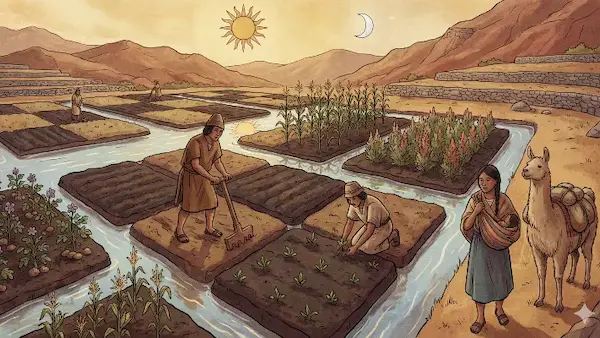
There’s something interesting about looking back at ancient civilizations when trying to understand modern problems. The more I read about the Inca civilization, the more I realize that many of the principles we now associate with sustainable living were already deeply embedded in their way of life.
What stands out is not just their technological or architectural achievements, but how balanced their relationship with the environment was. Long before concepts like sustainability became global discussions, the Incas were already practicing systems that today would be considered models of sustainable living.
This article explores seven key lessons from the Inca civilization that still feel surprisingly relevant. The idea is not to romanticize the past, but to extract practical insights that can be applied today in a world where resources are under increasing pressure and sustainable living is becoming more necessary than ever.
Why the Inca civilization is still relevant today
The Inca civilization continues to be studied not only for its historical and architectural achievements, but also for the way it managed to build a highly organized society in harmony with its environment. Their approach to land use, resource management, and community structure offers valuable insights that remain relevant in modern discussions. In a world facing increasing environmental pressure, looking at how the Incas balanced efficiency, adaptation, and respect for nature helps us better understand that many principles of sustainability are not new, but deeply rooted in human history.
Their relevance today becomes even clearer when we break down some of their key strengths:
- Efficient use of limited land: they developed agricultural terraces that allowed farming in mountainous areas without degrading the soil.
- Strong environmental awareness: natural cycles were respected and integrated into their planning systems.
- Community-driven organization: work and resources were shared to ensure collective stability.
- Long-term thinking: decisions were made considering future generations rather than immediate benefit.
- Adaptation to geography: instead of modifying the land aggressively, they adapted their systems to fit it.
These principles highlight a level of balance between human activity and nature that is increasingly relevant today, especially as modern societies search for more responsible and resilient ways to grow.
You may also be interested in: Sustainable tourism development in practice
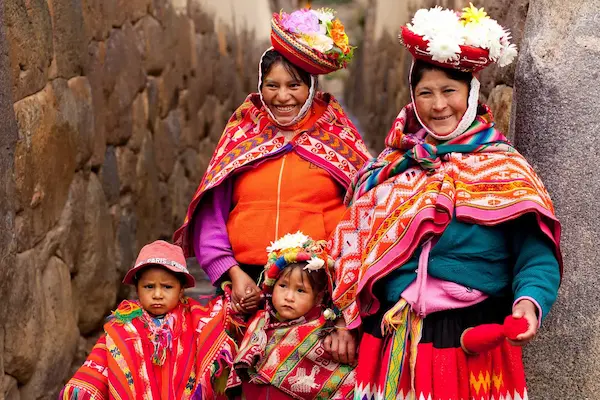
1. Living in harmony with the environment
One of the most striking aspects of the Inca civilization was their deep connection with the natural environment. Their settlements were not imposed aggressively on the land but adapted to it.
They carefully selected locations based on geography, climate, and access to resources. Mountains, valleys, and rivers were not obstacles but guiding elements for development. This mindset reflects an early form of sustainable living, where human activity is aligned with natural systems instead of disrupting them.
Key takeaways from this approach:
- Respect for natural landscapes
- Adaptation instead of domination
- Long-term environmental balance
This type of thinking is still relevant today, especially in urban planning and resource management.
2. Efficient use of natural resources
The Incas were highly efficient in how they used available resources. Nothing was wasted unnecessarily, and everything had a purpose within the system.
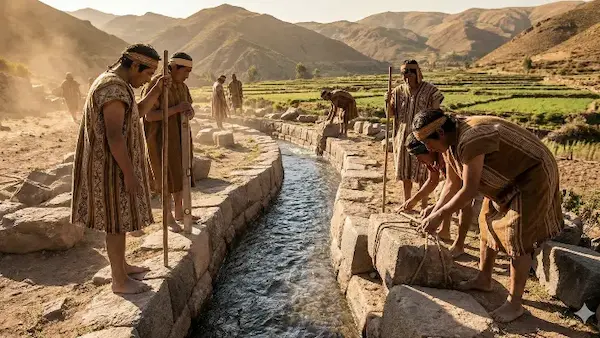
Their agricultural terraces, irrigation systems, and storage methods were designed to maximize productivity while minimizing environmental impact. This efficiency is one of the clearest examples of early sustainable living in action.
They understood that resources were finite and needed to be managed carefully to ensure long-term survival.
Examples of their efficiency:
- Terrace farming to prevent soil erosion
- Water channels for controlled irrigation
- Storage systems to reduce food waste
This mindset is still essential today, especially when dealing with modern resource consumption and environmental pressure.
3. Community-based responsibility
Unlike many modern systems that prioritize individual consumption, Inca society was strongly community-oriented. Responsibilities were shared, and collective well-being was prioritized over personal accumulation.
This structure naturally supported sustainable living, because decisions were made with the group’s long-term survival in mind rather than short-term individual gain.
In practice, this meant:
- Shared agricultural work
- Collective resource distribution
- Strong social cooperation
This sense of shared responsibility reduced waste and improved efficiency across the entire system.areness and making better use of what you already have.
You may also be interested in: Is Machu Picchu Hard to Hike? A Complete Guide for Travelers
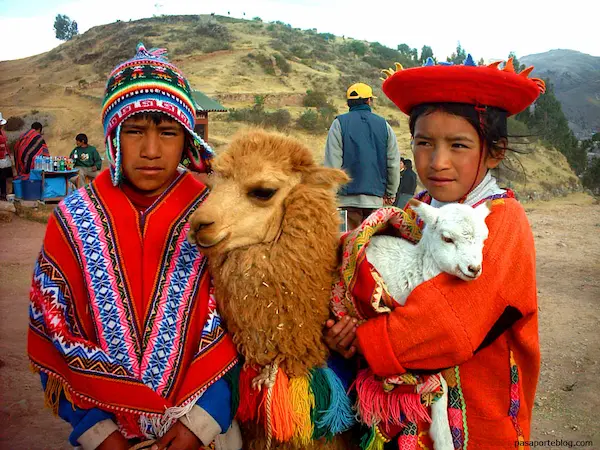
4. Advanced agricultural systems adapted to nature
Agriculture was one of the strongest pillars of Inca society. Instead of forcing crops into unsuitable environments, they adapted farming techniques to the landscape.
One of their most impressive innovations was terrace farming, which allowed cultivation in mountainous areas while preventing soil erosion and improving water retention. This is a clear example of early sustainable living applied to food production.
Their system included:
- Crop rotation techniques
- Diverse crop cultivation to avoid dependency
- Water management systems integrated with terrain
These methods ensured food security while preserving soil quality over time.
5. Respect for ecological balance
The Incas had a strong understanding of ecological balance, even without modern scientific terminology. They recognized that disrupting one part of the ecosystem could affect the entire system.
This awareness influenced how they interacted with forests, water sources, and agricultural land. Their approach aligns closely with modern principles of sustainable living, where maintaining balance is essential for long-term stability.
Key principles included:
- Avoiding overexploitation of land
- Maintaining biodiversity in farming systems
- Protecting natural water sources
This balance allowed their civilization to sustain large populations in challenging environments.
6. Use of local and natural materials
The Incas relied heavily on materials available in their immediate environment. Instead of importing resources from distant regions, they worked with what nature provided locally.
Stone, wood, plant fibers, and clay were all used in construction and daily life. This approach minimized environmental impact and transportation needs, reinforcing early sustainable living practices.
In modern terms, this reflects:
- Reduced carbon footprint from transportation
- Efficient use of locally available natural resources
- Adaptation to environmental conditions
Interestingly, many modern industries are now returning to similar principles of local sourcing and sustainable material use.
7. Long-term thinking in resource management
Perhaps the most important lesson from the Inca civilization is their long-term perspective. Decisions were not made for immediate benefit but for future generations.
This mindset is at the core of sustainable living today. The Incas understood that overusing resources would eventually lead to collapse, so they built systems designed for continuity rather than short-term gain.
Their approach included:
- Controlled resource consumption
- Preservation of agricultural land
- Strategic storage of surplus production
Even in construction and material use, durability was prioritized over short-term convenience. For example, natural building materials like Calcium carbonate were valued for their stability and long-lasting properties in certain applications.
You may also be interested in: Cusco train to Machu Picchu: the scenic journey through the heart of the Inca world
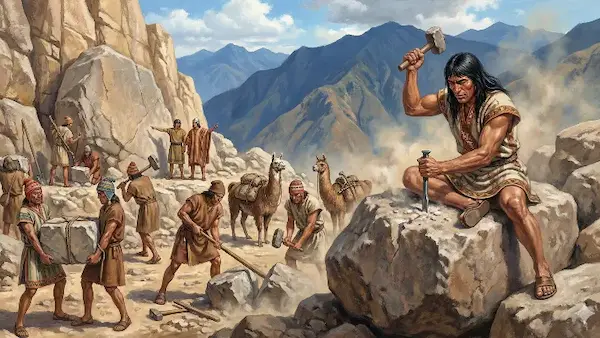
Table: Inca principles vs modern sustainable living
What makes this perspective even more valuable is how practical it feels when applied to today’s context. The challenges may be different in scale, but the core ideas—efficiency, balance, and long-term thinking—remain the same. By revisiting these approaches, it becomes easier to see that adopting sustainable living is not about reinventing everything, but about recovering and adapting principles that have already proven to work over time.
| Inca Principle | Modern Equivalent |
|---|---|
| Terrace farming | Regenerative agriculture |
| Resource sharing | Circular economy |
| Local materials | Local sourcing strategies |
| Ecological balance | Environmental sustainability |
| Long-term planning | Sustainable development goals |
Why these lessons still matter today?
The relevance of the Inca civilization goes beyond history. Their approach to resource use, agriculture, and community structure offers valuable insights for modern society.
Today, discussions around sustainable living often focus on reducing waste, improving efficiency, and protecting ecosystems. Interestingly, many of these ideas were already part of Inca daily life, even if expressed in different ways.
Modern industries are also moving toward similar principles. Materials science, for example, explores sustainable alternatives and improved formulations. Some industrial processes now use additives like Polypropylene (PP) plastic in ways that aim to extend product life and reduce waste, reflecting a shift toward more responsible material usage.
Inca innovation and resource management systems
One of the most impressive aspects of the Inca civilization was how advanced their systems were for managing resOne of the most impressive aspects of the Inca civilization was how advanced their systems were for managing resources in challenging environments. Despite not having modern technology, they developed highly efficient methods that allowed them to sustain large populations across diverse geographic conditions. Their ability to organize production, distribute goods, and optimize land use reflects a deep understanding of balance and efficiency that still feels relevant today, especially when compared with modern approaches to sustainable living.
Their system was built on practicality and coordination, rather than excess or overexploitation, which aligns closely with the foundations of sustainable living.
- Terrace farming systems: they transformed steep mountain slopes into productive agricultural land while preventing soil erosion.
- Advanced irrigation networks: water was carefully channeled and distributed to maximize agricultural output.
- Strategic food storage: surplus production was preserved in specialized storage facilities for long-term use.
- Regional resource planning: different zones specialized in specific crops or materials depending on climate conditions.
- Collective labor organization: communities worked together to maintain infrastructure and ensure efficiency.
This structured approach shows how innovation does not always depend on modern tools, but often on how well a society understands and organizes the resources it already has available, a principle that remains highly relevant in discussions about sustainable living today.
You may also be interested in: Eco Tourism vs Traditional Tourism in 2026
Conclusion
Looking at the Inca civilization through the lens of sustainable living reveals something important: sustainability is not a new concept. It has existed in different forms throughout human history, often embedded in cultures that understood the limits of their environment.
What makes the Inca case so interesting is how naturally these principles were integrated into daily life. They didn’t separate human activity from nature—they worked with it. That mindset is probably the most valuable lesson we can take today.
Modern society faces challenges at a much larger scale, but the core idea remains the same. If we want to move toward more effective sustainable living, we need to rethink how we use resources, how we design systems, and how we plan for the future.
In the end, the Inca civilization reminds us that sustainability is not just a strategy—it’s a way of thinking.

