
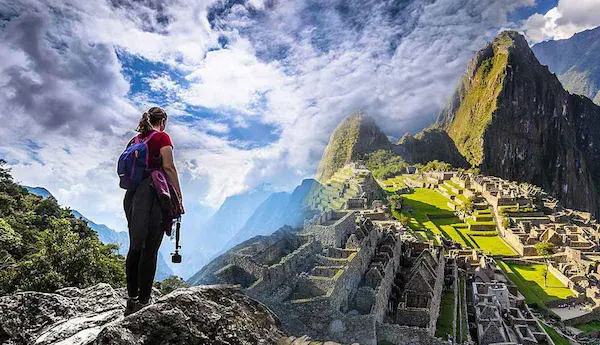
For many travelers planning a trip to Peru, one question appears almost immediately: is Machu Picchu hard to hike? The idea of walking through the Andes toward one of the most iconic archaeological sites in the world can feel both exciting and intimidating. Images of steep mountains, high-altitude trails, and long trekking days often make people wonder if the experience requires exceptional physical fitness.
The truth is that the answer to is Machu Picchu hard to hike depends on several factors. The difficulty varies depending on how you plan to visit the site, which route you choose, your physical condition, and how well you prepare for the altitude and terrain of the Andes. Some visitors arrive at Machu Picchu after several days of trekking along ancient paths, while others reach the citadel by train and explore the site through short hikes within the archaeological complex.
In this guide, we’ll explore the reality behind the question is Machu Picchu hard to hike, explain the different hiking options, discuss the role of altitude, and share practical tips to help you prepare for one of the most unforgettable experiences in South America.
Why Many Travelers Ask: Is Machu Picchu Hard to Hike?
Before planning the journey, it’s completely normal to ask is Machu Picchu hard to hike. The reputation of the Andes Mountains, combined with stories about multi-day treks, can make the experience sound physically demanding.
However, the difficulty depends largely on how you choose to reach Machu Picchu. There are several ways to visit the famous Inca citadel, and not all of them involve strenuous trekking.
Some travelers arrive after completing long hiking routes through mountain passes and cloud forests. Others simply take a train to the nearby town of Aguas Calientes and then a short bus ride to the entrance of the archaeological site.
Understanding these options helps clarify why the question is Machu Picchu hard to hike has more than one answer.
Main Ways to Reach Machu Picchu
Travelers usually reach the site through one of the following options:
- Multi-day trekking routes such as the Inca Trail
- Alternative treks through the Andes
- Train travel from Cusco or the Sacred Valley
- Short hikes within the Machu Picchu archaeological complex
Each option involves a different level of physical effort, which is why experiences vary so widely.
You may also be interested in: Cusco train to Machu Picchu
The Famous Inca Trail: Is Machu Picchu Hard to Hike on This Route?
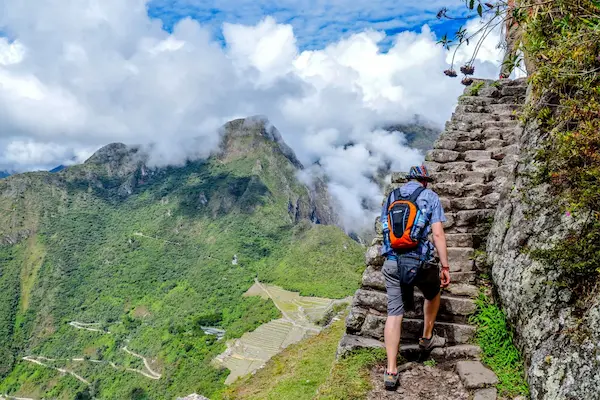
The classic trekking route to Machu Picchu is the Inca Trail, an ancient stone path that once formed part of the vast road system of the Inca Empire.
Many travelers specifically ask is Machu Picchu hard to hike when referring to this trail.
What Makes the Inca Trail Challenging
The Inca Trail is typically completed in four days and includes several demanding sections:
- High-altitude mountain passes
- Long hiking distances each day
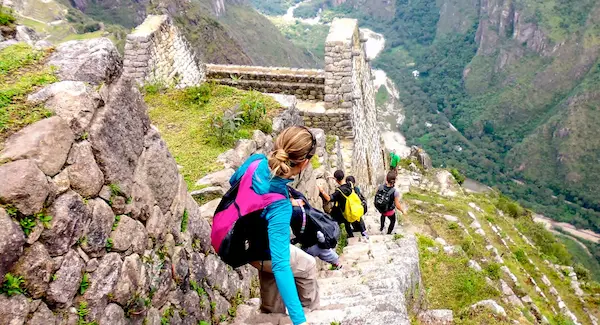
- Steep stone staircases built centuries ago
- Changing weather conditions in the Andes
One of the most difficult parts of the trail is the climb to Dead Woman’s Pass, which reaches approximately 4,215 meters (13,828 feet) above sea level.
Key Facts About the Inca Trail
| Feature | Details |
|---|---|
| Duration | 4 days |
| Distance | ~42 km (26 miles) |
| Highest point | Dead Woman’s Pass (4,215 m) |
| Terrain | Stone steps, mountain trails |
| Difficulty | Moderate to challenging |
Because of these factors, travelers asking is Machu Picchu hard to hike often hear about the physical demands of the Inca Trail. However, thousands of people complete it every year with proper preparation.
Alternative Treks to Machu Picchu
The Inca Trail is not the only trekking route available. In fact, several alternative routes exist for travelers looking for different landscapes and levels of difficulty.
These routes also influence how people answer the question is Machu Picchu hard to hike.
Popular Alternative Treks
Some of the most well-known alternative trekking routes include:
- Salkantay Trek
- Lares Trek
- Choquequirao Trek
- Inca Jungle Trek
Each route offers unique scenery and experiences.
| Trek | Difficulty | Highlights |
|---|---|---|
| Salkantay Trek | Moderate to difficult | Snow-capped mountains |
| Lares Trek | Moderate | Cultural encounters with Andean communities |
| Inca Jungle Trek | Moderate | Combination of biking and hiking |
| Choquequirao Trek | Difficult | Remote archaeological sites |
When considering these options, travelers once again ask is Machu Picchu hard to hike, but the answer depends on the specific trek chosen.
Visiting Without a Long Trek
Not everyone hikes for several days to reach Machu Picchu. In fact, many visitors arrive comfortably by train.
This option dramatically changes the answer to the question is Machu Picchu hard to hike.
The Train Option
Travelers can take a train from Cusco or the Sacred Valley to the town of Aguas Calientes. From there:
- A 30-minute bus ride goes up the mountain.
- Visitors enter the Machu Picchu archaeological site.
- Short walking circuits allow exploration of the ruins.
For travelers who choose this route, the experience is far less physically demanding.
Hiking Inside the Machu Picchu Citadel
Even if you arrive by train, you may still choose to hike one of the nearby mountains.
Many visitors still wonder is Machu Picchu hard to hike when they see these additional trails.
Optional Hikes Within the Site
Popular hikes include:
- Huayna Picchu
- Machu Picchu Mountain
- Sun Gate (Inti Punku)
- Inca Bridge
These hikes vary in difficulty but are much shorter than multi-day treks.
| Trail | Duration | Difficulty |
|---|---|---|
| Huayna Picchu | 2 hours | Moderate |
| Machu Picchu Mountain | 3–4 hours | Moderate to challenging |
| Sun Gate | 1–2 hours | Easy to moderate |
| Inca Bridge | 30 minutes | Easy |
So when asking is Machu Picchu hard to hike, many travelers are referring to these optional hikes within the archaeological park.
The Role of Altitude
One of the biggest concerns behind the question is Machu Picchu hard to hike is altitude.
While Machu Picchu itself sits at about 2,430 meters (7,970 feet), many trekking routes reach much higher elevations.
Altitude can affect travelers in different ways.
Possible Effects of Altitude
Some people experience symptoms such as:
- Headaches
- Fatigue
- Shortness of breath
- Difficulty sleeping
Fortunately, Machu Picchu is actually lower in altitude than Cusco, which helps many travelers adjust more easily.
You may also be interested in: Places to Go on Valentine’s Day
Preparation Tips for Hiking to Machu Picchu
If you’re wondering is Machu Picchu hard to hike, preparation makes a huge difference.
Simple steps can help ensure a comfortable and enjoyable experience.
Physical Preparation
It’s helpful to train before your trip with activities such as:
- Hiking on uneven terrain
- Stair climbing workouts
- Cardio exercises like running or cycling
- Strength training for legs and core
Even moderate preparation can significantly improve your trekking experience.
Packing Essentials
When planning your hike, consider bringing:
- Comfortable hiking boots
- Lightweight rain jacket
- Sunscreen and hat
- Reusable water bottle
- Trekking poles if needed
Combining Machu Picchu With Other Cultural Experiences
Many travelers visiting Machu Picchu also explore other parts of Peru before or after their trek.
For example, some begin their journey in Lima, where visiting cultural spaces like Museums in Lima helps provide historical context about ancient civilizations.
Others spend time in Cusco before heading to Machu Picchu. The city offers a vibrant atmosphere with colonial architecture, lively markets, and excellent cafes. Many travelers enjoy exploring the 20 National Animals of Peru while adjusting to the altitude.
Guided experiences are also popular for travelers who want to learn more about the region’s history. Organized cusco tours often include visits to nearby archaeological sites such as Sacsayhuamán, Qenqo, and the Sacred Valley.
These experiences help travelers understand the broader cultural landscape surrounding Machu Picchu.
Is Machu Picchu Hard to Hike for Beginners?
Many people asking is Machu Picchu hard to hike worry that they might not be experienced hikers.
The encouraging news is that many beginners successfully complete the journey every year.
Key factors include:
- Choosing the right route
- Preparing physically beforehand
- Taking time to acclimatize to altitude
- Maintaining a steady pace during hikes
With these steps, even first-time trekkers can enjoy the adventure.
When Hiking Might Be More Challenging
Although many travelers handle the trek well, there are situations where hiking can feel more difficult.
These include:
- Poor acclimatization to altitude
- Lack of physical preparation
- Carrying heavy backpacks
- Hiking during rainy season conditions
Being aware of these factors can help travelers avoid unnecessary difficulties when asking is Machu Picchu hard to hike.
You may also be interested in: Salkantay vs Lares trek
Final Thoughts: Is Machu Picchu Hard to Hike?
After exploring the different routes, terrain, and travel options, the answer to is Machu Picchu hard to hike becomes much clearer.
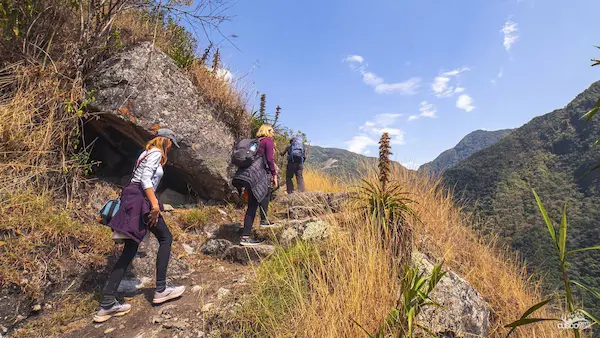
For travelers completing multi-day treks like the Inca Trail, the journey can certainly be physically demanding. High altitudes, steep stone steps, and long hiking days require preparation and endurance. However, thousands of hikers complete these treks every year and describe them as one of the most rewarding adventures of their lives.
At the same time, visiting Machu Picchu does not necessarily require an intense trek. Travelers who prefer a more relaxed experience can reach the site comfortably by train and explore the ruins through short walks and optional hikes.
Personally, I believe the question is Machu Picchu hard to hike should be seen less as a warning and more as an invitation to prepare for a memorable experience. Whether you arrive after days of trekking through the Andes or simply walk among the ancient terraces for a few hours, the magic of Machu Picchu lies in the journey itself.
With the right expectations, good preparation, and a spirit of adventure, visiting this legendary Inca citadel becomes not just achievable—but truly unforgettable.

