
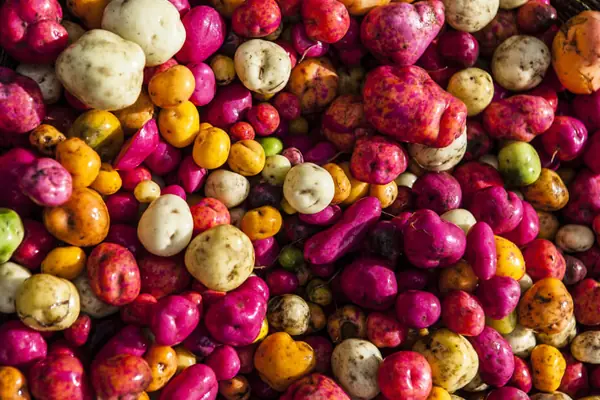
Peruvian potatoes carry a history that extends far beyond agriculture. Across the Andes, they represent centuries of knowledge, adaptation, and cultural continuity that remain deeply connected to the identity of local communities. Their diversity reflects not only the richness of the land, but also the traditions that have shaped life in Peru for generations.
From remote mountain farms to traditional markets and family kitchens, potatoes continue to hold an important place within everyday life. Exploring their story offers a deeper understanding of Peru’s relationship with nature, heritage, and ancestral farming practices that still influence the country today.
You might be interested in: National Potato day in Peru 2026
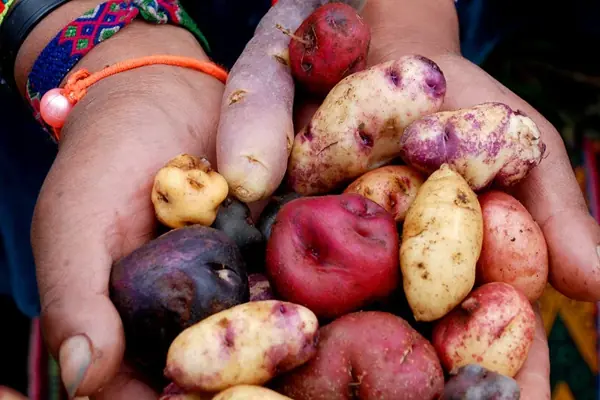
Why are Peruvian potatoes so important?
Peruvian potatoes represent far more than a traditional food ingredient. They are part of a cultural and agricultural legacy that has shaped life in the Andes for thousands of years. Across mountain communities and rural landscapes, potatoes continue to reflect the close relationship between people, nature, and ancestral knowledge that remains deeply connected to Peruvian identity.
Today, Peruvian potatoes are recognised around the world for their extraordinary diversity and historical importance. Yet within Peru, they still carry a more personal meaning, linked to everyday life, traditional farming, and cultural continuity. Understanding their importance offers a deeper perspective on the country’s heritage and the traditions that continue to thrive in the Andes.
The origins of potatoes in the Andes
The history of potatoes begins in the Andean region of Peru, where ancient communities first cultivated them thousands of years ago. Surrounded by challenging mountain conditions, farmers gradually developed varieties capable of adapting to different altitudes, climates, and soils. This agricultural knowledge became an essential part of survival and daily life in the highlands.
Over time, these early cultivation practices evolved into one of the richest systems of crop diversity in the world. Peruvian potatoes eventually spread beyond the Andes and transformed global agriculture, but their origins remain closely tied to the landscapes and communities that first nurtured them centuries ago.
Why potatoes became part of Peruvian identity
Potatoes became deeply connected to Peruvian identity because they have accompanied generations of communities throughout the country’s history. In the Andes, they were not only a source of nourishment, but also part of ceremonies, seasonal traditions, and local economies. Their cultivation reflected a strong understanding of nature and collective work within farming communities.
Even today, Peruvian potatoes continue to represent resilience and cultural continuity. Markets, festivals, and family meals still showcase the diversity of native varieties that remain important to local traditions. This enduring presence has turned potatoes into a symbol of both historical heritage and everyday life across Peru.
How potatoes shaped life in ancient Peru
In ancient Peru, potatoes played a vital role in supporting large populations living in mountainous environments. Their ability to grow at high altitudes allowed communities to establish stable food systems in regions where other crops were more difficult to cultivate. This made potatoes an essential part of economic and social development across the Andes.
Potatoes also influenced storage techniques, agricultural planning, and trade between communities. Ancient civilisations developed methods such as freeze drying potatoes into chuño, allowing food to be preserved for long periods. These innovations demonstrate how Peruvian potatoes shaped not only agriculture, but also the organisation and sustainability of life in the ancient Andes.
You might be interested in: What is the culture of Peru and why is it unique? 2026
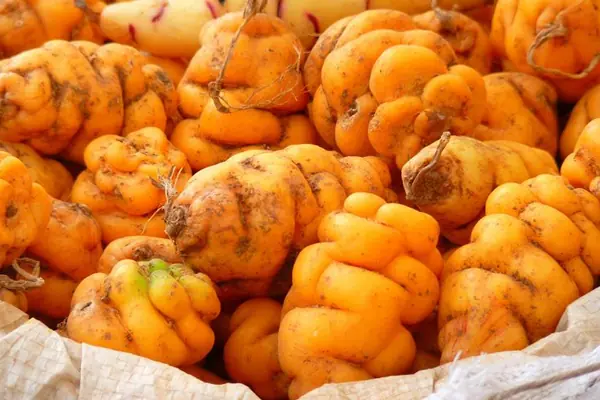
The incredible diversity of Peruvian potatoes
One of the most remarkable aspects of Peruvian potatoes is the extraordinary diversity that exists across the country. From remote Andean valleys to high altitude farming terraces, thousands of native varieties continue to be cultivated using traditional methods passed down through generations. This diversity reflects centuries of adaptation to Peru’s complex geography and climate.
Beyond their agricultural value, Peruvian potatoes also represent cultural knowledge and biodiversity. Their colours, textures, and shapes reveal the deep relationship between local communities and the land, showing how farming traditions have remained closely connected to the natural environment throughout history.
How many potato varieties exist in Peru?
Peru is home to more than four thousand varieties of potatoes, making it one of the most diverse centres of potato cultivation in the world. Many of these native varieties are still grown in the Andes, where farming communities continue to preserve crops that have existed for centuries. Each variety has adapted to specific environmental conditions, elevations, and seasonal cycles.
This diversity is the result of generations of agricultural experimentation and observation. Farmers learned how to cultivate potatoes in different terrains and climates, creating a wide range of shapes, colours, and flavours. Today, Peruvian potatoes remain an important example of biodiversity and traditional farming knowledge.
What colours and textures make Peruvian potatoes unique?
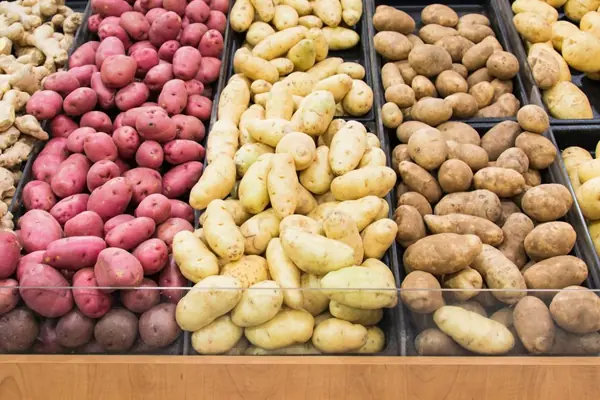
Peruvian potatoes are known for their remarkable visual diversity. Some varieties display deep purple tones, while others appear in shades of red, pink, yellow, or even mixed patterns. Their shapes can also vary greatly, ranging from smooth and round to elongated and irregular forms shaped by the environment where they are grown.
Textures and flavours differ just as much as appearance. Certain potatoes are soft and creamy, while others are firmer or slightly sweet. This variety allows Peruvian potatoes to be used in many different culinary traditions while also reflecting the rich biodiversity of the Andes. Their uniqueness has become one of the reasons they attract growing international interest.
Why do native potatoes grow so well in the Andes?
The Andes provide ideal conditions for cultivating native potatoes because of their varied altitudes, climates, and soils. Over thousands of years, potatoes adapted naturally to these changing environments, allowing different varieties to thrive in specific regions. The mountains create microclimates that support a remarkable level of agricultural diversity.
Traditional farming methods have also contributed to the success of native potatoes in the Andes. Farmers continue to use ancestral techniques that respect seasonal rhythms and environmental balance, helping preserve both the crops and the ecosystems around them. This close connection between landscape and agriculture is one of the reasons Peruvian potatoes remain so unique today.
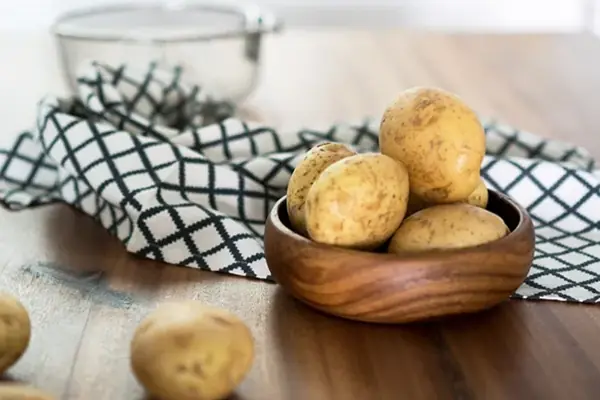
The most popular types of Peruvian potatoes
The diversity of Peruvian potatoes becomes even more fascinating when exploring the varieties that continue to shape local agriculture and cuisine. Across Peru, each potato carries its own characteristics, influenced by altitude, soil, climate, and traditional farming knowledge passed down through generations. Some are valued for their texture, while others stand out because of their colour or historical importance.
These native and traditional varieties reflect the remarkable biodiversity of the Andes and the cultural connection communities maintain with the land. Understanding the most popular types of Peruvian potatoes offers a closer look at how deeply this crop remains connected to everyday life and regional identity throughout the country.
Papa Canchán: One of the most widely used potatoes in Peru
Papa Canchán is one of the most commonly consumed potatoes in Peru and is appreciated for its versatility in cooking. Its smooth texture and balanced flavour make it suitable for a wide range of traditional meals prepared in homes and local restaurants across the country. The potato’s pink skin and pale interior also make it easily recognisable in markets.
Because of its adaptability, Papa Canchán has become an important part of everyday Peruvian cuisine. Farmers value it for its reliable cultivation, while cooks appreciate its ability to maintain texture in different preparations. Among the many varieties of Peruvian potatoes, this one remains closely linked to daily culinary traditions.
Papa Amarilla: The golden potato of Peruvian cuisine
Papa Amarilla is often considered one of the most iconic varieties of Peruvian potatoes due to its rich yellow colour and naturally creamy texture. Grown mainly in the Andes, it is highly valued for its soft consistency and slightly buttery flavour, which makes it especially appreciated in traditional Peruvian gastronomy.
Its vibrant colour comes from natural pigments developed through centuries of adaptation to Andean environments. Papa Amarilla has become closely associated with Peruvian culinary identity and is frequently recognised as one of the country’s most distinctive native potato varieties.
Papa Huayro: A soft potato from the Andes
Papa Huayro is known for its delicate texture and earthy flavour, qualities that reflect the mountain regions where it is cultivated. This variety often appears irregular in shape and carries a slightly rustic appearance that connects it closely to traditional Andean agriculture.
Because of its soft consistency, Papa Huayro absorbs flavours particularly well and remains valued in many regional preparations. Like many Peruvian potatoes, it reflects the relationship between local farming traditions and the environmental conditions of the Andes, where communities continue to preserve native varieties through ancestral cultivation methods.
Papa Peruanita: A colourful native variety
Papa Peruanita stands out because of its distinctive appearance, combining yellow flesh with red or pink patterns on the skin. Its vibrant colours make it one of the most visually striking varieties of Peruvian potatoes and a strong example of the biodiversity found throughout the Andes.
Beyond its appearance, this potato is appreciated for its smooth texture and slightly sweet flavour. Farmers continue to cultivate Papa Peruanita using traditional techniques that help preserve its unique characteristics. Its popularity reflects growing interest in native potatoes that combine cultural value with visual diversity.
Papa Negra: A potato adapted to high altitudes
Papa Negra is a native variety cultivated in some of the higher regions of the Andes, where environmental conditions can be especially demanding. Its darker skin and resistance to colder temperatures demonstrate how Peruvian potatoes have adapted over centuries to survive in mountain climates.
This adaptability has made Papa Negra an important crop for communities living at high altitudes. It also represents the resilience of traditional Andean agriculture, where farmers continue to preserve varieties suited to specific ecological conditions and local farming knowledge.
Papa Blanca: A common ingredient in everyday cooking
Papa Blanca is one of the most accessible and widely used varieties throughout Peru. Its light skin and balanced texture make it suitable for everyday cooking, allowing it to appear regularly in both home meals and local markets across the country.
Although simpler in appearance than some native varieties, Papa Blanca remains an important part of Peruvian food culture because of its practicality and versatility. Among the many types of Peruvian potatoes, it represents the connection between traditional agriculture and modern daily life.
Papa Morada: The purple potato rich in colour and history
Papa Morada is recognised for its deep purple tones, which give it one of the most distinctive appearances among Peruvian potatoes. The colour comes from natural pigments known as anthocyanins, which are also found in other Andean crops and contribute to the potato’s strong visual identity.
This variety reflects the rich biodiversity preserved within the Andes and the long agricultural history connected to native crops. Papa Morada has attracted increasing international attention because of both its appearance and cultural significance, highlighting the unique qualities that continue to define Peruvian potatoes worldwide.
Chuño: The ancient freeze dried potato of the Andes
Chuño is one of the oldest examples of potato preservation developed in the Andes. Created through a natural freeze drying process that combines cold mountain nights with strong sunlight, chuño allowed ancient communities to store potatoes for extended periods in challenging environments.
More than simply a preserved food, chuño represents centuries of agricultural innovation and adaptation. It remains part of traditional life in some Andean communities today and continues to symbolise the deep connection between Peruvian potatoes, environmental knowledge, and cultural survival in the highlands.
You might be interested in: Everything I Wish I Knew Before Buying Machu Picchu Tickets

What makes Peruvian potatoes different from others?
Peruvian potatoes are different from many other varieties around the world because they are shaped by a unique combination of geography, biodiversity, and ancestral farming knowledge. The Andes provide environmental conditions that encourage remarkable diversity, allowing potatoes to develop distinct colours, textures, and flavours that are closely linked to specific regions.
At the same time, traditional cultivation methods have helped preserve many native varieties that might otherwise have disappeared over time. This connection between landscape, culture, and agriculture is one of the reasons Peruvian potatoes continue to hold both cultural and international importance today.
The role of altitude and climate
Altitude plays a major role in shaping the characteristics of Peruvian potatoes. In the Andes, variations in elevation create different microclimates that influence how potatoes grow, adapt, and develop over time. Some varieties thrive in colder highland conditions, while others are cultivated in milder valleys with different soil compositions.
Climate also affects texture, flavour, and resistance to environmental conditions. Over centuries, farmers learned how to cultivate potatoes in harmony with these natural variations, resulting in one of the richest agricultural diversities in the world. This relationship between geography and cultivation continues to define the uniqueness of Peruvian potatoes.
How traditional farming methods preserve quality
Traditional farming practices remain essential in preserving the quality and diversity of native potatoes in Peru. Many Andean communities continue to cultivate potatoes using ancestral methods that prioritise crop rotation, natural fertilisation, and careful adaptation to seasonal cycles.
These practices help maintain soil health while protecting the genetic diversity of native crops. Unlike large scale industrial agriculture, traditional farming allows many varieties of Peruvian potatoes to survive within their original environments, preserving both agricultural heritage and cultural identity.
Why Peruvian potatoes are recognised worldwide
Peruvian potatoes have gained international recognition because of their extraordinary diversity and historical significance. Chefs, researchers, and agricultural organisations around the world value them not only for their flavours and colours, but also for the biodiversity they represent.
Their global reputation has also grown through increased interest in sustainable agriculture and native ingredients. As more people discover the cultural and environmental importance of these crops, Peruvian potatoes continue to stand out as one of the country’s most remarkable contributions to global food heritage.
How Peruvian potatoes influenced global cuisine
The influence of Peruvian potatoes extends far beyond the Andes. What began as a native crop cultivated by ancient communities in Peru eventually became one of the most important food sources in the world. Over centuries, potatoes travelled across continents, adapting to different cultures and cuisines while continuing to reflect their Andean origins.
Today, the global popularity of potatoes often overshadows the history behind them. Yet many culinary traditions around the world can still be traced back to the agricultural knowledge developed in Peru thousands of years ago. Understanding this journey reveals how deeply Peruvian potatoes have shaped global food culture and agricultural development.
How potatoes spread from Peru to the world
Potatoes first spread beyond Peru during the colonial period, when Spanish explorers introduced them to Europe in the sixteenth century. At first, the crop was viewed with curiosity, but over time its adaptability and nutritional value allowed it to become increasingly important across different regions.
From Europe, potatoes eventually reached Asia, Africa, and North America, transforming agricultural systems and food traditions around the world. Despite this global expansion, the origins of the crop remain closely connected to the Andes, where Peruvian potatoes continue to preserve much of the diversity that first made their cultivation possible.
Why potatoes became a global staple food
Potatoes became widely consumed because they are nutritious, adaptable, and capable of growing in different climates. Their ability to produce reliable harvests made them especially valuable during periods of population growth and agricultural change in many countries.
Over time, potatoes became integrated into countless regional cuisines and everyday meals. Their versatility allowed them to be prepared in many different ways, contributing to their popularity across cultures. Although potatoes are now considered a global staple food, the story of Peruvian potatoes remains at the centre of their historical development.
How chefs use native Peruvian potatoes today
Modern chefs continue to explore native Peruvian potatoes because of their colours, textures, and distinctive flavours. In Peru and internationally, many restaurants use native varieties to create dishes that highlight both biodiversity and cultural heritage, often combining traditional ingredients with contemporary culinary techniques.
This growing interest has also encouraged greater appreciation for Andean agriculture and native crops. By using traditional potato varieties in innovative ways, chefs help preserve agricultural knowledge while introducing new audiences to the richness of Peruvian potatoes and the cultural history connected to them.
You might be interested in: The best activities to do in Peru you shouldn’t miss
Where can travellers discover Peruvian potatoes?
Travellers can discover Peruvian potatoes in many parts of the country, especially within the Andes where native varieties continue to be cultivated and celebrated. From local markets to rural farming communities, these experiences offer a deeper understanding of the connection between agriculture, culture, and everyday life in Peru.
Exploring the world of Peruvian potatoes also allows visitors to engage with traditions that have existed for centuries. Beyond tasting local ingredients, travellers can observe how farming practices, regional customs, and cultural identity remain closely linked to the landscapes of the Andes.
Traditional markets in the Andes
Traditional Andean markets provide one of the best opportunities to discover the diversity of Peruvian potatoes. In regions such as Cusco, Puno, and the Sacred Valley, markets often display dozens of native varieties with different shapes, colours, and textures that reflect the agricultural richness of the surrounding mountains.
These markets are not only places of trade, but also spaces where cultural traditions remain visible in daily life. Farmers continue to share knowledge about cultivation, seasonal harvests, and local ingredients, allowing travellers to experience the living connection between agriculture and community in the Andes.
Gastronomic experiences connected to local culture
Peruvian gastronomy offers many ways to explore the cultural importance of native potatoes. Cooking experiences, regional food festivals, and traditional restaurants often highlight local potato varieties as part of broader culinary traditions connected to specific regions and communities.
These experiences allow travellers to understand that Peruvian potatoes are more than ingredients used in cuisine. They reflect history, biodiversity, and the relationship between people and the land. Through local gastronomy, visitors can discover how native crops continue to shape cultural identity across Peru.
Farming communities preserving native varieties
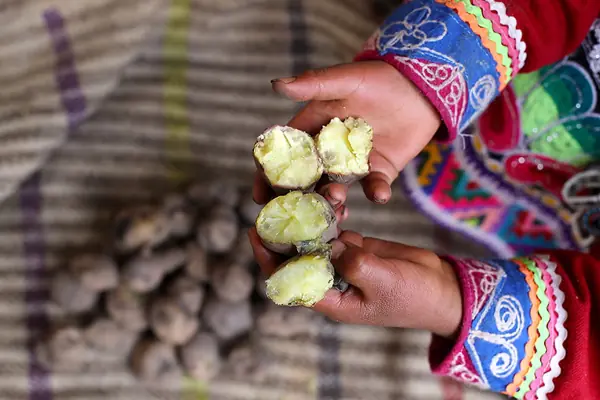
In many Andean communities, families continue to cultivate native potatoes using traditional farming techniques passed down through generations. These communities play an essential role in protecting agricultural biodiversity and preserving varieties that have adapted to mountain environments over centuries.
Visiting these regions offers travellers a more meaningful perspective on the importance of sustainable agriculture and cultural continuity. The preservation of Peruvian potatoes depends not only on the crops themselves, but also on the communities whose knowledge and connection to the land continue to keep these traditions alive.

Why are native potatoes important for biodiversity?
Native potatoes play a significant role in protecting biodiversity because they preserve a wide range of genetic characteristics developed over thousands of years in the Andes. Each variety has adapted to specific environmental conditions, creating a rich agricultural system that supports resilience and ecological balance within mountain ecosystems.
The importance of Peruvian potatoes goes beyond food production. Their diversity reflects centuries of interaction between farming communities and the natural environment, showing how traditional agriculture can contribute to sustainability while preserving cultural knowledge and regional identity.
The environmental value of crop diversity
Crop diversity is essential for maintaining healthy agricultural systems because it reduces vulnerability to climate change, pests, and diseases. When farmers cultivate a wide range of native varieties, ecosystems become more resilient and adaptable to changing environmental conditions over time.
Peruvian potatoes are an important example of this diversity in practice. Thousands of native varieties continue to exist across the Andes, each carrying unique traits linked to altitude, soil, and climate. Preserving these crops helps protect genetic resources that may become increasingly valuable for global food security in the future.
How Andean farmers protect native potatoes
Andean farmers continue to protect native potatoes through cultivation practices that have been passed down through generations. Many communities carefully preserve seeds, rotate crops, and maintain traditional farming methods that allow native varieties to survive within their original environments.
This work is often carried out in remote mountain regions where agricultural traditions remain closely connected to local identity and community life. The preservation of Peruvian potatoes depends greatly on this ancestral knowledge, which continues to support biodiversity while strengthening cultural continuity in the Andes.
What can traditional agriculture teach modern farming?
Traditional agriculture offers valuable lessons about sustainability, environmental balance, and long term resilience. In the Andes, farming systems developed through careful observation of natural cycles, allowing communities to cultivate crops while respecting the limitations and rhythms of the environment.
Modern agriculture increasingly faces challenges related to climate change and biodiversity loss, making ancestral knowledge more relevant than ever. The cultivation of Peruvian potatoes demonstrates how diverse crops, local adaptation, and sustainable practices can contribute to more balanced agricultural systems for the future.
What do Peruvian potatoes reveal about Peru’s cultural heritage?
Peruvian potatoes reveal how closely culture and agriculture have always been connected in the Andes. For centuries, communities developed farming systems that allowed them to adapt to difficult environments while preserving traditions, biodiversity, and collective knowledge through generations.
They also reflect the importance of continuity within Peruvian culture. Many native varieties are still cultivated using ancestral techniques, maintaining a living connection between the past and present. Through Peruvian potatoes, it becomes possible to understand not only the country’s agricultural history, but also the values, traditions, and relationship with the land that continue to define its cultural heritage.

