
National Potato Day in Peru offers more than a celebration of food. It opens a window into the country’s agricultural heritage, cultural identity, and deep connection to the Andes. Through native potatoes, travellers can better understand how geography, tradition, and community have shaped everyday life in Peru for centuries.
Across mountain villages, local markets, and traditional kitchens, potatoes continue to represent resilience, knowledge, and continuity. Exploring this celebration allows visitors to discover a side of Peru that goes beyond famous landmarks, revealing the living traditions and ancestral practices that remain part of the country’s cultural landscape today.
You might be interested in: What is the culture of Peru and why is it unique? 2026
Why is National Potato Day important in Peru?
National Potato Day in Peru is more than a culinary celebration. It represents a connection between history, agriculture, and cultural identity that has shaped life in the Andes for centuries. Potatoes are deeply woven into the country’s traditions, reflecting the relationship between local communities and the land that continues to sustain them today.
For many Peruvians, this day is also a reminder of the extraordinary diversity found within the country’s landscapes. From remote mountain villages to local markets and modern kitchens, potatoes remain a symbol of resilience, knowledge, and continuity. National Potato Day in Peru highlights not only the importance of a native crop, but also the cultural legacy that surrounds it.
The origins of potatoes in the Peruvian Andes
The story of the potato begins high in the Peruvian Andes, where Indigenous communities cultivated this crop thousands of years ago. Surrounded by challenging mountain conditions, ancient farmers developed techniques that allowed potatoes to thrive at high altitudes, adapting them to different climates and terrains over time.
This agricultural knowledge was passed down through generations and became an essential part of Andean life. Today, National Potato Day in Peru recognizes those origins and celebrates the role the Andes played in introducing one of the world’s most important foods to global cuisine and agriculture.
Why potatoes became essential to Andean life
Potatoes became central to Andean communities because they provided nourishment, adaptability, and stability in environments where farming could be difficult. Their ability to grow in high altitude regions made them a reliable source of food, especially in areas affected by changing temperatures and rugged landscapes.
Beyond their practical value, potatoes also became connected to traditions, rituals, and everyday life. Different varieties were used for specific meals and seasonal activities, reflecting a close understanding of the natural world. During National Potato Day in Peru, this relationship is remembered as part of the cultural identity that continues to shape Andean communities today.
How Peru protects its native potato varieties
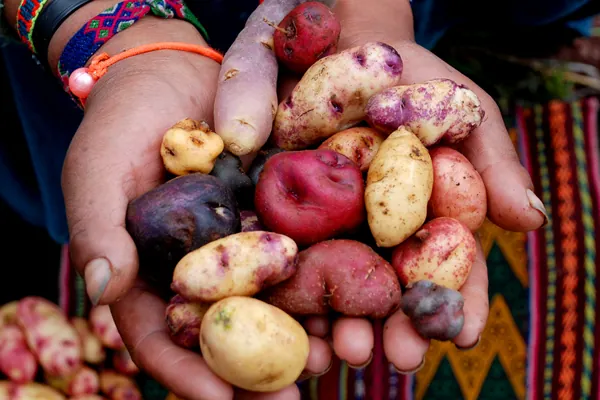
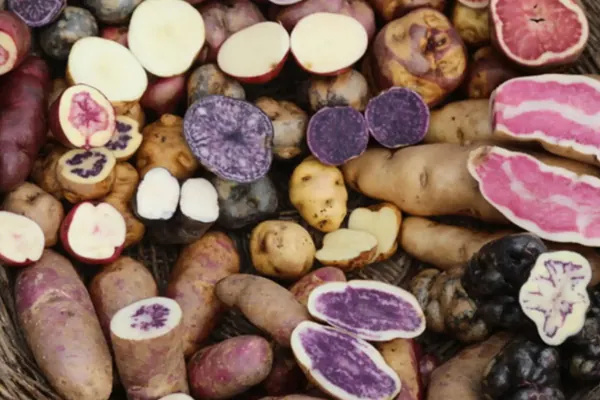
Peru is home to thousands of native potato varieties, many of which are still cultivated in the Andes using traditional farming methods. Farmers and local organizations work to preserve these potatoes not only for their agricultural value, but also for the cultural knowledge they represent. Their colors, shapes, and textures reflect generations of adaptation and biodiversity.
Protecting these varieties has also become important for global food sustainability. Native potatoes are more resistant to certain environmental conditions and contribute to agricultural diversity worldwide. National Potato Day in Peru helps bring attention to these preservation efforts and encourages appreciation for the communities that continue to protect this living heritage.
When is National Potato Day celebrated in Peru?
National Potato Day in Peru is celebrated every year on May 30, a date dedicated to recognizing the historical and cultural importance of the potato across the country. Although it may appear to be a simple agricultural celebration, the event reflects centuries of tradition and the enduring relationship between Peruvians and the Andes.
Throughout this period, communities, markets, restaurants, and cultural institutions participate in activities that highlight the diversity and significance of native potatoes. National Potato Day in Peru becomes an opportunity to celebrate local identity while also sharing the story of one of the country’s most valuable contributions to the world.
Why is National Potato Day celebrated on May 30?
The Peruvian government officially established May 30 as National Potato Day to recognize the importance of potatoes within the country’s history, economy, and food culture. The date was created to honor the work of Andean farmers who have protected native potato varieties for generations and who continue to preserve traditional agricultural practices.
Choosing a national celebration also helps increase awareness of Peru’s role as the birthplace of the potato. Through National Potato Day in Peru, the country highlights the global significance of this crop while reinforcing the importance of protecting the biodiversity and cultural heritage connected to it.
How is the celebration observed across the country?
Across Peru, National Potato Day is celebrated through food fairs, cultural events, educational activities, and community gatherings. Local markets often display a wide range of native potato varieties, allowing visitors to discover colors, textures, and flavors that are rarely seen outside the Andes.
Restaurants and chefs also participate by preparing traditional dishes that showcase the versatility of the potato in Peruvian cuisine. In many rural areas, the celebration carries a more local and cultural atmosphere, where farming traditions and ancestral knowledge are shared through storytelling, music, and community activities. For travellers seeking a deeper connection with these traditions, choosing the best tour operator in Peru can provide more meaningful access to local celebrations and authentic cultural experiences.
What makes this date important for local communities?
For many Andean communities, National Potato Day in Peru represents recognition of their agricultural knowledge and cultural traditions. Farming families who continue to cultivate native potatoes see the celebration as a way to preserve their connection to the land and pass their knowledge to younger generations.
The date also strengthens local pride by bringing visibility to rural communities that play an essential role in protecting Peru’s biodiversity. Beyond the festivities, the celebration reflects a broader appreciation for the people, landscapes, and traditions that have kept this agricultural heritage alive for centuries.
You might be interested in: Everything I Wish I Knew Before Buying Machu Picchu Tickets
The incredible diversity of potatoes in Peru
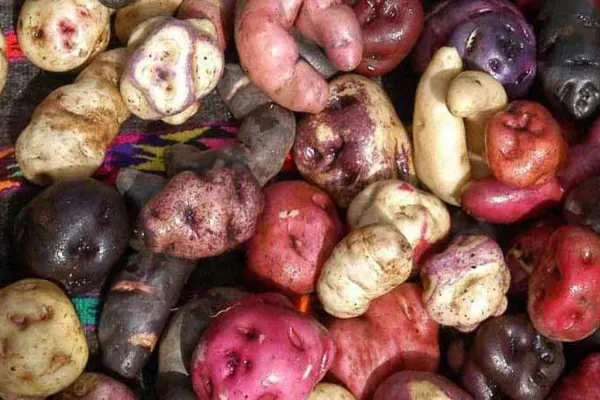
Peru is widely recognized as the birthplace of the potato, but what truly makes the country remarkable is the extraordinary diversity that continues to exist within its landscapes. Across the Andes, farming communities cultivate native varieties that differ in color, shape, flavor, and texture, creating one of the richest agricultural collections in the world.
This diversity reflects centuries of adaptation and knowledge passed down through generations. National Potato Day in Peru celebrates not only the potato itself, but also the cultural and environmental richness connected to these native crops, many of which are still grown using traditional methods in high altitude regions.
How many potato varieties exist in Peru?
Peru is home to more than four thousand varieties of potatoes, many of which are native to the Andean region. These varieties have been cultivated over thousands of years, adapting to different climates, elevations, and soil conditions throughout the country. Some are grown in isolated mountain communities where traditional farming practices remain part of daily life.
The large number of varieties reflects the deep agricultural knowledge developed by Andean civilizations long before modern farming systems existed. During National Potato Day in Peru, this diversity becomes one of the main symbols of the country’s cultural and natural heritage, drawing attention to the importance of preserving these unique crops for future generations.
What colours, shapes, and textures make Peruvian potatoes unique?
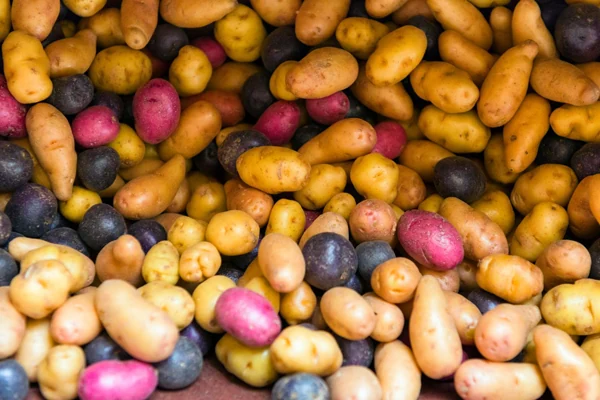
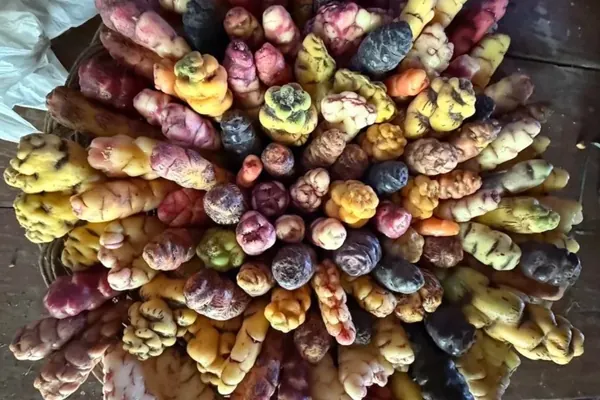
One of the most fascinating aspects of Peruvian potatoes is their visual diversity. Native varieties can appear in shades of purple, red, yellow, pink, blue, and even multicolored patterns. Their shapes range from small and round to long and irregular, often reflecting the environments where they are cultivated.
Textures and flavors also vary significantly from one variety to another. Some potatoes are soft and creamy, while others are firmer or slightly sweet. This diversity allows them to be used in many traditional dishes and cooking methods. National Potato Day in Peru highlights this richness by encouraging people to explore the wide range of native potatoes that continue to define Peruvian gastronomy.
Why are native potatoes important for biodiversity?
Native potatoes play an important role in preserving agricultural biodiversity because they contain genetic traits that help crops adapt to changing environmental conditions. Many traditional varieties are naturally resistant to frost, drought, or diseases, making them valuable not only for Peru but also for global food sustainability.
Protecting these potatoes also means protecting the ecosystems and cultural knowledge connected to them. Farmers in the Andes continue to cultivate native varieties using ancestral techniques that support ecological balance and local traditions. National Potato Day in Peru helps raise awareness about the importance of conserving this biodiversity in a rapidly changing world.

Traditional Peruvian dishes made with potatoes
Potatoes are at the heart of many traditional Peruvian dishes, reflecting the country’s long agricultural history and regional diversity. From coastal cities to Andean villages, recipes built around potatoes continue to be part of everyday meals and cultural celebrations. Their versatility allows them to appear in dishes with very different flavors, textures, and preparations.
National Potato Day in Peru also celebrates the culinary traditions that have emerged around this ingredient over centuries. These dishes are not only appreciated for their flavor, but also for the stories and cultural connections they represent within Peruvian gastronomy. For many travellers exploring tours in Machu Picchu, discovering traditional potato based dishes becomes another way to connect with the cultural heritage of the Andes.
Papa a la Huancaína: One of Peru’s most iconic dishes
Papa a la Huancaína is one of Peru’s most recognizable potato dishes, known for its creamy yellow sauce made with cheese, milk, and ají amarillo. Served over sliced potatoes, the dish combines simple ingredients with bold flavors that have become closely associated with Peruvian cuisine.
Although it is widely enjoyed throughout the country today, its origins are linked to the central Andes. The dish reflects how potatoes became integrated into regional culinary traditions while remaining connected to local ingredients and cooking practices. During National Potato Day in Peru, Papa a la Huancaína is often featured as a symbol of the country’s gastronomic identity.
Causa Limeña: A cold potato dish with historical roots
Causa Limeña is a traditional dish prepared with layers of seasoned mashed potatoes filled with ingredients such as chicken, tuna, avocado, or vegetables. Its smooth texture and refreshing presentation make it especially popular in coastal regions, particularly in Lima.
The dish is believed to have historical roots connected to periods of social and political change in Peru, evolving over time into a staple of modern Peruvian cuisine. National Potato Day in Peru highlights dishes like Causa Limeña because they demonstrate how potatoes continue to adapt to different culinary traditions while preserving their cultural importance.
Ocopa Arequipeña: A regional recipe full of flavour
Ocopa Arequipeña is a traditional dish from the Arequipa region made with boiled potatoes covered in a rich sauce prepared with herbs, cheese, peanuts, and local peppers. The combination creates a distinctive flavor that reflects the culinary identity of southern Peru.
This dish also illustrates the diversity of ingredients that accompany potatoes in regional cuisine. The use of local herbs and traditional preparation methods connects the recipe to the landscapes and cultural traditions of Arequipa. During National Potato Day in Peru, regional dishes like Ocopa Arequipeña help showcase the variety and depth of Peruvian gastronomy.
Chuño: The ancient Andean way of preserving potatoes
Chuño is one of the oldest examples of potato preservation in the Andes, developed by Indigenous communities centuries ago. The process involves exposing potatoes to freezing nighttime temperatures and strong sunlight during the day, naturally dehydrating them over time.
This technique allowed Andean communities to store food for long periods and survive in challenging mountain environments. Chuño remains an important part of traditional cuisine in some regions today and reflects the ingenuity of ancient agricultural practices. National Potato Day in Peru often brings attention to chuño as a reminder of the deep historical connection between potatoes and life in the Andes.
You might be interested in: The best activities to do in Peru you shouldn’t miss
How potatoes shaped Inca agriculture and culture
Potatoes played a fundamental role in the development of Inca society, supporting communities that lived across the challenging landscapes of the Andes. More than a source of food, they became part of a sophisticated agricultural system that allowed populations to adapt to high altitudes and changing climates. Their cultivation reflected a close understanding of nature and seasonal cycles.
Today, National Potato Day in Peru offers an opportunity to look back at that legacy and recognize how deeply potatoes influenced everyday life in the ancient Andes. Many farming practices, food traditions, and cultural values connected to potatoes continue to survive in rural communities, preserving a link between the past and the present.
Why were potatoes important to the Incas?
For the Incas, potatoes were essential because they provided reliable nourishment in mountainous environments where other crops were more difficult to grow. Their ability to thrive at high elevations made them a valuable food source that supported large populations across the empire. Potatoes could also be preserved and stored, helping communities prepare for periods of scarcity or changing weather conditions.
Beyond their practical importance, potatoes became integrated into social and cultural life. Different varieties were associated with specific uses, celebrations, and agricultural traditions. During National Potato Day in Peru, this connection is remembered as part of the enduring relationship between Andean communities and the crops that helped shape their civilization.
How did the Andes influence potato cultivation?
The Andes created unique environmental conditions that influenced how potatoes were cultivated over centuries. Variations in altitude, temperature, and soil encouraged farmers to develop different potato varieties adapted to specific microclimates. This close interaction with the landscape contributed to the remarkable biodiversity that Peru is known for today.
Farmers also learned to work with the mountains rather than against them. Terraces, irrigation systems, and seasonal planting methods allowed crops to grow in steep and demanding terrain. National Potato Day in Peru highlights this agricultural knowledge as an example of how Andean communities transformed challenging landscapes into productive and sustainable farming environments.
What can ancient farming techniques teach us today?
Ancient Andean farming techniques continue to offer valuable lessons about sustainability and environmental balance. Traditional methods focused on working in harmony with natural conditions, using crop diversity and careful land management to maintain healthy ecosystems over time.
In a world increasingly affected by climate change and food insecurity, these practices provide insight into more resilient forms of agriculture. National Potato Day in Peru encourages greater appreciation for ancestral knowledge that remains relevant today, especially as communities and researchers seek sustainable approaches to farming and biodiversity conservation.
Where can travellers experience National Potato Day in Peru?
Travellers interested in experiencing National Potato Day in Peru can find celebrations in different regions of the country, particularly in the Andes where potato cultivation remains closely tied to local identity. These events often combine gastronomy, culture, agriculture, and community traditions, creating opportunities to better understand the role potatoes continue to play in everyday life.
Rather than being limited to formal celebrations, the experience can also be found in local markets, food fairs, and traditional villages where native potatoes are still cultivated and valued. Visiting these places allows travellers to connect with the landscapes and communities that have preserved this agricultural heritage for generations.
Local fairs and cultural festivals in the Andes
In many Andean towns, National Potato Day is celebrated through fairs and cultural festivals that bring together farmers, artisans, cooks, and local families. These gatherings often include exhibitions of native potato varieties, traditional music, regional dances, and demonstrations of ancestral farming techniques.
The atmosphere of these festivals reflects a strong sense of community and pride in local traditions. Visitors can observe how agricultural knowledge continues to be shared between generations while also experiencing the cultural importance of potatoes within Andean society. National Potato Day in Peru becomes not only a celebration of food, but also of cultural continuity.
Markets where native potatoes are still celebrated
Traditional markets across Peru remain important spaces where native potatoes are bought, sold, and appreciated for their diversity. In regions such as Cusco, Puno, and the Sacred Valley, markets often display a wide range of potato varieties with different colors, textures, and culinary uses.
These markets provide insight into how deeply potatoes remain connected to local life and regional identity. Farmers continue to preserve native crops through everyday trade and agricultural practices that have existed for centuries. During National Potato Day in Peru, these spaces become even more meaningful as they highlight the living connection between biodiversity, tradition, and community.
Gastronomic experiences connected to Andean traditions
Peruvian gastronomy offers many ways for travellers to experience the cultural importance of potatoes. Restaurants, cooking experiences, and local food festivals often showcase traditional dishes prepared with native varieties that reflect regional ingredients and culinary heritage.
These experiences go beyond tasting food, allowing visitors to understand the history and symbolism connected to Andean cuisine. National Potato Day in Peru encourages this deeper appreciation by highlighting how potatoes continue to influence the country’s culinary identity while remaining closely linked to the traditions and landscapes of the Andes. For travellers joining the best Rainbow Mountain tour in Cusco, these cultural and gastronomic connections often become an important part of understanding the wider Andean experience.
You might be interested in: When Was Machu Picchu Built? History
What makes Peruvian potatoes unique around the world?
Peruvian potatoes are unique because they represent one of the richest expressions of agricultural diversity found anywhere in the world. Cultivated for thousands of years in the Andes, these potatoes reflect the relationship between geography, climate, and ancestral knowledge that continues to shape farming traditions today. Their variety goes far beyond appearance, influencing flavor, texture, and culinary use in ways that are deeply connected to local culture.
National Potato Day in Peru also highlights the international importance of this heritage. What began in the highlands of the Andes eventually spread across continents, transforming global cuisine and agriculture. Even today, Peru remains closely associated with the origins and preservation of one of the world’s most significant crops.
How Peru became the birthplace of the potato
The potato originated in the Andean region of Peru thousands of years ago, where Indigenous communities first domesticated and cultivated the crop in high altitude environments. Over time, farmers developed hundreds of varieties adapted to different climates and terrains, creating a level of diversity rarely seen in other crops.
As exploration and trade expanded during the colonial period, potatoes were introduced to Europe and later to other parts of the world. Their adaptability allowed them to become a staple food across many cultures and countries. National Potato Day in Peru recognizes this historical journey while reminding people that the origins of the potato remain deeply rooted in the Peruvian Andes.
Why Peruvian potatoes are recognised globally
Peruvian potatoes are internationally recognised for their diversity, quality, and cultural value. Chefs, researchers, and agricultural organisations around the world often look to Peru as a leading example of biodiversity preservation and traditional farming knowledge. Native potato varieties are appreciated not only for their unique appearance, but also for the distinct flavors and textures they bring to gastronomy.
Global interest has also grown because many native potatoes contain valuable genetic traits that support food sustainability and climate resilience. National Potato Day in Peru helps reinforce this international recognition by showcasing the country’s ongoing efforts to protect native crops and preserve the agricultural traditions connected to them.
How native potatoes continue to influence modern cuisine
Native potatoes continue to inspire modern cuisine by introducing chefs and food enthusiasts to a wider range of flavors, colors, and culinary possibilities. In Peru, many contemporary dishes combine traditional ingredients with modern techniques, allowing native potatoes to remain relevant within evolving gastronomic trends.
Internationally, restaurants and culinary schools have also embraced the uniqueness of Peruvian potatoes as interest in biodiversity and local ingredients continues to grow. National Potato Day in Peru reflects this balance between tradition and innovation, showing how ancient crops can continue shaping modern food culture while preserving their historical and cultural roots.
What can National Potato Day teach travellers about Peru?
National Potato Day in Peru teaches travellers that even the simplest ingredients can carry centuries of history and cultural meaning. Potatoes are not only part of local cuisine, but also part of a broader relationship between people, land, and tradition that continues to shape life in the Andes.
Experiencing this celebration encourages a deeper understanding of Peru beyond its landscapes and historical sites. It reveals the importance of biodiversity, community knowledge, and agricultural heritage, offering travellers a more meaningful connection to the country and the traditions that continue to define it.

