
Many travelers and history enthusiasts often ask what is the culture of Peru because the country is known for its rich traditions, ancient civilizations, colorful festivals, world-famous gastronomy, and deep spiritual roots. Peru is one of the most culturally diverse countries in South America, combining Indigenous heritage, Inca history, Spanish influence, and modern traditions that continue shaping daily life.
Understanding what is the culture of Peru means exploring much more than famous tourist attractions. Peruvian culture is reflected in music, dance, food, family traditions, clothing, spirituality, and community celebrations that remain important across the country. From the Andes to the Amazon rainforest and the Pacific coast, every region contributes unique customs and beliefs to the national identity.
Many people searching what is peru known for are interested in learning about Machu Picchu, Peruvian cuisine, ancient traditions, and folklore. Others want to understand social etiquette, hospitality, and local customs before visiting the country. In this guide, you will discover what is the culture in Peru, the traditions that continue today, and the reasons why Peruvian culture continues fascinating travelers around the world.
You might be interested in: Everything I Wish I Knew Before Buying Machu Picchu Tickets
What is the main culture in Peru and how did it develop?
The main culture in Peru developed through the combination of ancient Indigenous civilizations and influences brought by colonization and migration. This mixture created one of the richest cultural identities in Latin America.
1. How Inca civilization influenced the culture of Peru
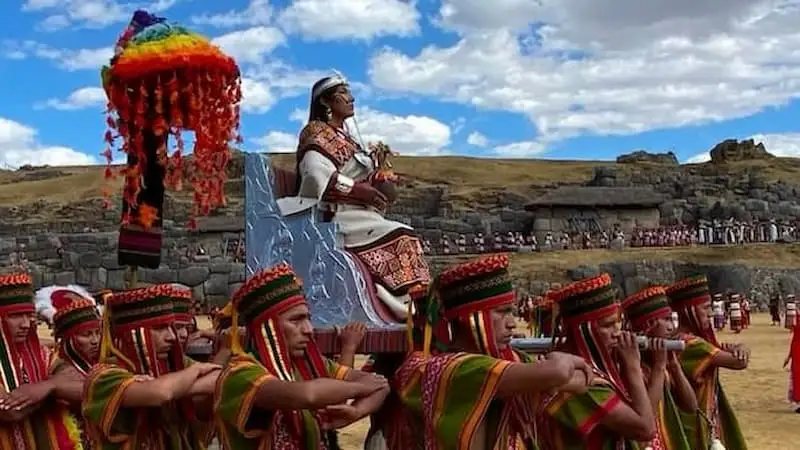
One of the biggest influences on what is the culture of Peru comes from the Inca civilization. The Incas built a powerful empire across the Andes and left an important cultural legacy that continues today.
Many traditions connected to agriculture, spirituality, textiles, architecture, and festivals originated during Inca times. Even today, Indigenous communities preserve customs, ceremonies, and languages linked to this ancient civilization. If you want to experience the Inca culture trough a andean marriage.
2. How Spanish colonization shaped modern Peruvian culture
Spanish colonization also transformed the culture of Peru through religion, architecture, language, and social traditions. Catholicism became one of the most influential religions in the country, and many churches and colonial buildings still dominate historic cities such as Cusco, Lima, and Arequipa.
The combination of Indigenous and Spanish influences created many cultural traditions that are now uniquely Peruvian and what is the culture of Peru.
3. Why indigenous traditions are still important in Peru
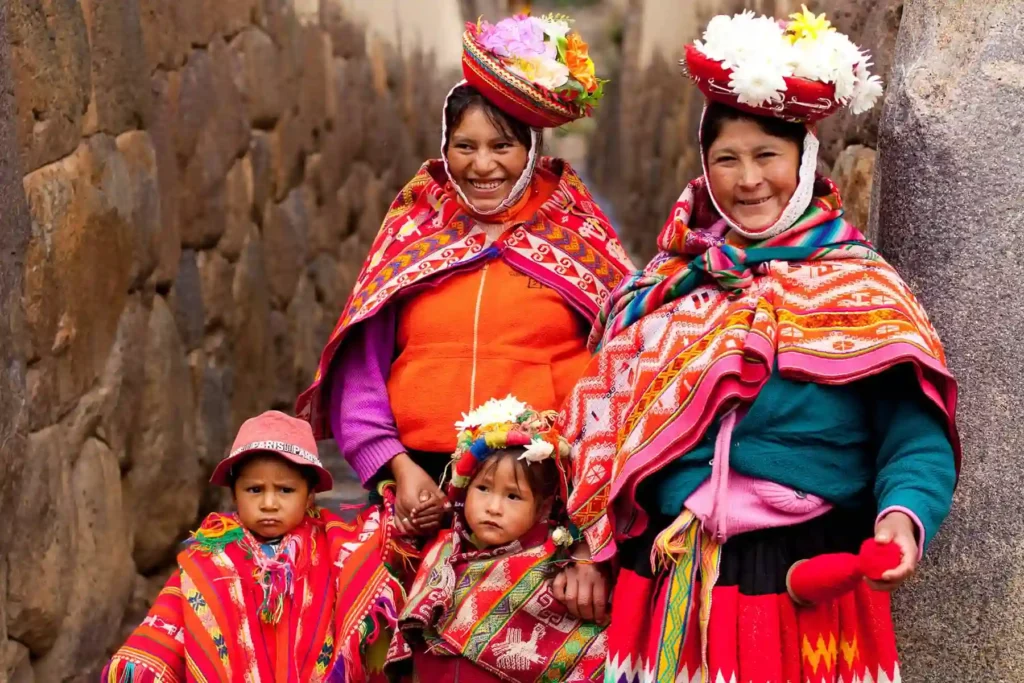
Indigenous traditions continue playing a major role in what is the culture in Peru because many communities still preserve ancestral practices. In the Andes, people continue speaking Quechua and Aymara while maintaining spiritual rituals connected to nature and Pachamama.
Traditional weaving, farming techniques, herbal medicine, and community celebrations remain essential parts of life in many rural areas.
4. How regional diversity makes Peruvian culture unique
Peru’s geography creates enormous cultural diversity. Coastal regions, mountain communities, and Amazonian areas all have different traditions, foods, clothing, and lifestyles.
This diversity is one of the reasons many travelers become interested in what is peru known for beyond Machu Picchu and archaeology.
5. Why family and community are central in the culture in Peru
Family relationships and community connections are highly valued in Peru. Social gatherings, festivals, and family meals are important aspects of daily life.
Respect for elders and hospitality toward guests also form part of what is the culture of Peru.
What is Peru known for around the world?
When people search what is the culture of Peru, they usually discover a country famous for food, history, cultural diversity, and breathtaking landscapes.
Why Peruvian food is famous worldwide
Peruvian cuisine is considered one of the best in the world due to its flavors, ingredients, and cultural influences. Dishes such as ceviche, lomo saltado, causa, and ají de gallina have gained international recognition.
Food is an important part of social life and family traditions in Peru.
Machu Picchu and the global image of Peru
Machu Picchu is one of the most recognized symbols associated with what is peru known for internationally. This ancient Inca citadel attracts millions of tourists every year and represents Peru’s rich historical heritage.
Traditional festivals and celebrations in Peru
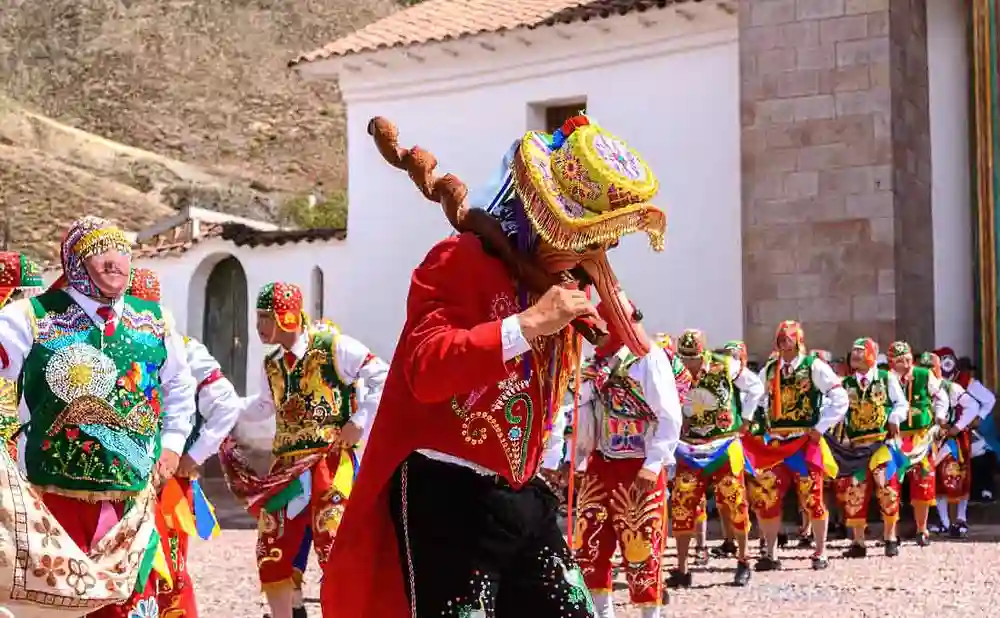
Festivals play a major role in what is the culture of Peru. Many celebrations combine Indigenous beliefs with Catholic traditions.
Events such as Inti Raymi, Virgen de la Candelaria, and regional carnivals continue attracting visitors from around the world.
The importance of music dance and folklore in Peru
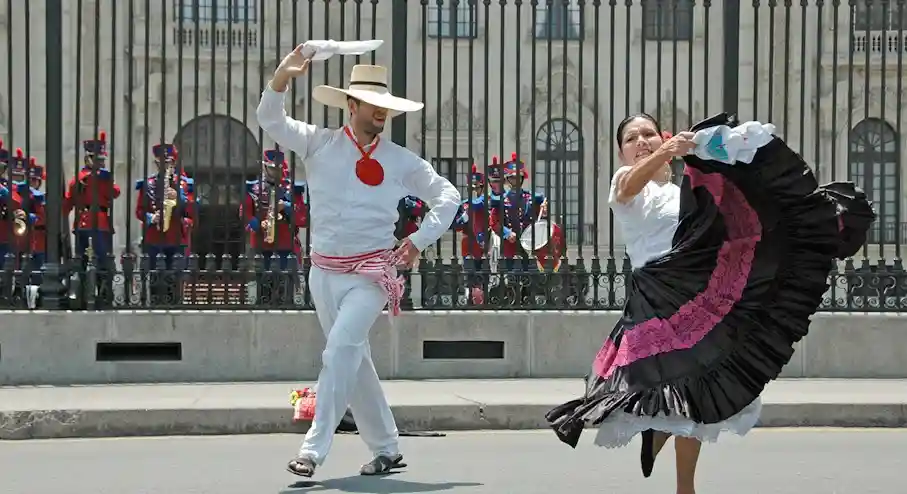
Traditional dances such as marinera, huayno, and festejo are important expressions of what is the culture of Peru. Music and dance often accompany festivals, religious celebrations, and family gatherings.
Why Peru is considered one of the most culturally diverse countries in South America
The combination of Indigenous, Spanish, African, Asian, and European influences makes Peru culturally unique. This diversity influences food, traditions, art, language, and daily life.
You might be interested in: The best activities to do in Peru you shouldn’t miss
What are some traditions in Peru that travelers should know?
Many travelers researching what are some traditions in Peru want to better understand local customs, social etiquette, celebrations, and cultural behaviors before visiting the country. Peru is known for preserving ancestral traditions while also combining Indigenous, Spanish, and regional influences that continue shaping daily life. Understanding these customs allows visitors to connect more deeply with local communities and better appreciate what is the culture of Peru beyond its famous tourist attractions.
1. Why greeting people politely is important in Peru
Politeness and friendly greetings are highly valued in what is the culture of Peru society. In both formal and informal situations, greeting people properly is considered a sign of respect and good manners.
In cities, people commonly greet each other with:
- Handshakes in professional settings
- A kiss on the cheek between friends or relatives
- Verbal greetings such as “Buenos días” or “Buenas tardes”
In smaller towns and traditional communities, taking time to greet people respectfully is especially appreciated. This social behavior reflects how community relationships remain important in what is the culture in Peru.
2. Traditional Peruvian festivals that continue today
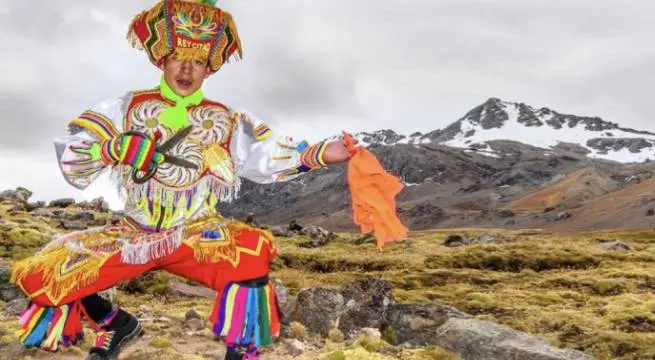
Festivals are one of the most important traditions in what is the culture of Peru because they combine music, dance, religion, gastronomy, and local identity. Throughout the year, hundreds of celebrations take place across coastal, Andean, and Amazonian regions.
Some of the most famous festivals include:
| Festival | Region | Cultural Importance |
|---|---|---|
| Inti Raymi | Cusco | Celebration of the Inca sun god |
| Virgen de la Candelaria | Puno | Traditional dances and religious processions |
| Carnaval Ayacuchano | Ayacucho | Music, costumes, and cultural traditions |
| Señor de los Milagros | Lima | One of the largest religious processions in South America |
These celebrations help explain what is peru known for culturally and spiritually.
3. The role of Pachamama and spiritual rituals in Andean culture
Pachamama, also called Mother Earth, remains one of the most respected spiritual figures in the Andes. Many Andean communities continue performing rituals and offerings dedicated to nature, mountains, rivers, and agricultural cycles.
These traditions demonstrate how ancient beliefs still influence modern life and are an important part of what is the culture of Peru today.
4. Why sharing food is important in Peruvian culture
Food in what is the culture of Peru is deeply connected to hospitality, friendship, and family traditions in Peru. Meals are often shared during birthdays, festivals, holidays, and family gatherings.
This custom is one of the reasons what is peru known for internationally is strongly associated with gastronomy and warm social experiences. Sharing food symbolizes generosity and community connection in what is the culture of Peru.
5. Traditional clothing and handicrafts in different regions of Peru
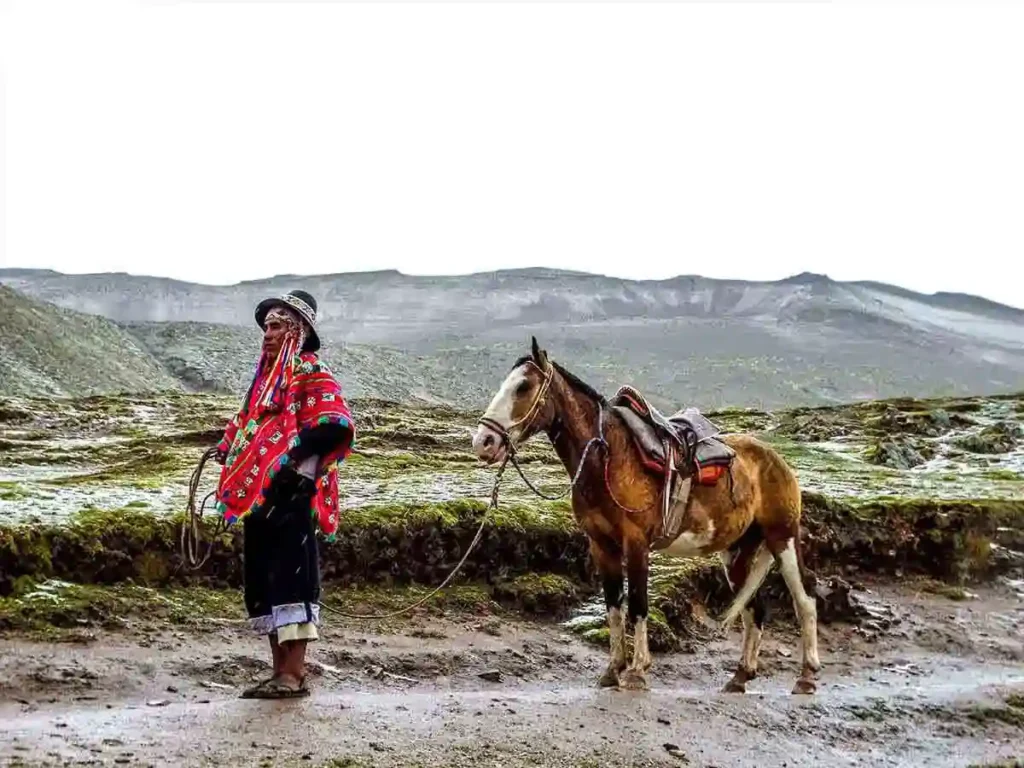
Traditional clothing remains an important cultural symbol in many Andean regions. Colorful ponchos, embroidered skirts, hats, and handmade textiles continue being worn during festivals and community events.
Peruvian handicrafts are also internationally recognized for their artistic value and cultural meaning. Popular traditional crafts include:
- Alpaca wool textiles
- Handmade ceramics
- Silver jewelry
- Woven bags and blankets
These traditions continue preserving cultural identity across generations and are an essential part of understanding what are some traditions in Peru and what is the culture of Peru overall.
What are 5 cultural facts about Peru that make the country unique?
There are many interesting facts that help explain what is the culture of Peru and why the country continues attracting travelers, historians, and culture enthusiasts from around the world. Peru is known for preserving ancient traditions while also embracing modern influences, creating a cultural identity that feels both historic and vibrant. From archaeological wonders to gastronomy and spiritual customs, these cultural facts help explain why what is the culture in Peru is considered one of the richest and most fascinating in Latin America.
1. Peru has one of the oldest civilizations in the Americas
Peru was home to ancient civilizations long before the Inca Empire existed. The Sacred City of Caral, considered one of the oldest civilizations in the Americas, dates back more than 5,000 years. This historical depth is one of the reasons what is peru known for is strongly connected to archaeology and ancient history.
2. Peruvians celebrate hundreds of festivals every year
Festivals are an essential part of what is the culture of Peru. Across the country, communities celebrate religious events, harvest traditions, music festivals, and regional carnivals. Many of these celebrations combine Indigenous beliefs with Spanish colonial influences.
3. Peru is home to many indigenous languages besides Spanish
Although Spanish is the main language, Peru also recognizes Indigenous languages such as Quechua and Aymara. These languages continue being spoken in many Andean communities and remain an important part of national identity.
4. Food plays a major role in social and family life
Peruvian cuisine is globally recognized, but food in Peru is also deeply connected to hospitality and family traditions. Meals are often shared during celebrations and gatherings, reinforcing social bonds and cultural customs.
5. Ancient spiritual beliefs still influence modern traditions
Many communities continue practicing rituals connected to Pachamama, mountain spirits, and nature. These ancestral beliefs remain an important aspect of what is the culture in Peru and reflect the spiritual roots that continue shaping Peruvian traditions today.
You might be interested in: When Was Machu Picchu Built? History
Is it rude to not finish food in Peru and other cultural etiquette tips?
One common question travelers ask when researching what is the culture of Peru is whether it is rude to not finish food during meals. The answer depends on the context, the type of gathering, and the people involved. In general, food plays a very important role in Peruvian culture because it represents hospitality, generosity, and connection between family and friends. Understanding these customs helps visitors better appreciate what is the culture in Peru and avoid misunderstandings during social interactions.
Why food is considered an important sign of hospitality in Peru
In Peru, offering food is often seen as a way of showing kindness, respect, and appreciation toward guests. Whether someone is invited to a family lunch, a celebration, or a traditional gathering, hosts usually make a strong effort to provide generous portions and create a welcoming atmosphere.
This cultural habit is one reason what is peru known for is strongly connected to gastronomy and hospitality. Refusing food immediately or showing little interest in the meal may sometimes be interpreted as impolite, especially in smaller towns or traditional households.
When leaving food on the plate can be misunderstood
In some homes and rural communities, what is the culture of Peru is leaving large amounts of food unfinished may appear disrespectful or suggest that the meal was not enjoyable. Older generations in particular may associate finishing food with gratitude and respect for the effort used to prepare it.
However, cultural expectations are usually more relaxed in restaurants, tourist areas, and modern urban settings. Travelers who cannot finish a meal are not typically judged harshly, especially because Peruvian portions are often generous.
If someone feels full, politely thanking the host and explaining that the food was delicious is generally appreciated.
How Peruvians usually behave during family meals
Family meals are important social moments in Peru. People often spend time talking, laughing, sharing stories, and enjoying long conversations together. Meals are not always rushed, especially during weekends, celebrations, or holidays.
Many families value eating together because it strengthens relationships and community bonds. This social aspect helps explain what is the culture of Peru and why food remains such an important part of everyday life.
Cultural etiquette tourists should know before visiting Peru
Travelers interested in what is the culture of Peru should know that politeness and respectful behavior are highly valued. Greeting people properly, thanking hosts, and showing appreciation for local customs can create positive interactions.
Learning basic Spanish expressions is often appreciated, particularly outside major tourist areas. In some Andean communities, even a few words in Quechua may be welcomed warmly.
How respect and politeness are valued in Peruvian society
Respect toward elders, traditions, and community customs plays an essential role in what is the culture of Peru. People generally appreciate visitors who show interest in local culture and behave politely during meals and conversations.
Understanding these customs not only helps travelers avoid cultural misunderstandings but also allows them to experience a more authentic connection with local communities while discovering what is the culture of Peru.
Why the culture of Peru continues fascinating travelers around the world?
Many travelers become interested in what is the culture of Peru because the country offers a combination of ancient history, vibrant traditions, spirituality, gastronomy, and regional diversity unlike anywhere else in the world.
The connection between Indigenous heritage and modern life continues shaping what is the culture in Peru today. Ancient traditions remain visible in festivals, clothing, food, rituals, music, and daily customs practiced across the country.
In addition, what is peru known for internationally goes far beyond Machu Picchu. Peru is recognized for its cultural richness, archaeological heritage, biodiversity, and world-famous cuisine.
People searching what are some traditions in Peru often discover that Peruvian culture values family, hospitality, spirituality, and strong community relationships. These traditions continue surviving through generations and remain important in modern society.
Today, what is the culture of Peru continues fascinating historians, tourists, anthropologists, and travelers who want to experience one of the most culturally diverse nations in South America. From ancient Inca heritage to colorful festivals and extraordinary gastronomy, Peru preserves traditions that continue inspiring people around the world.

