
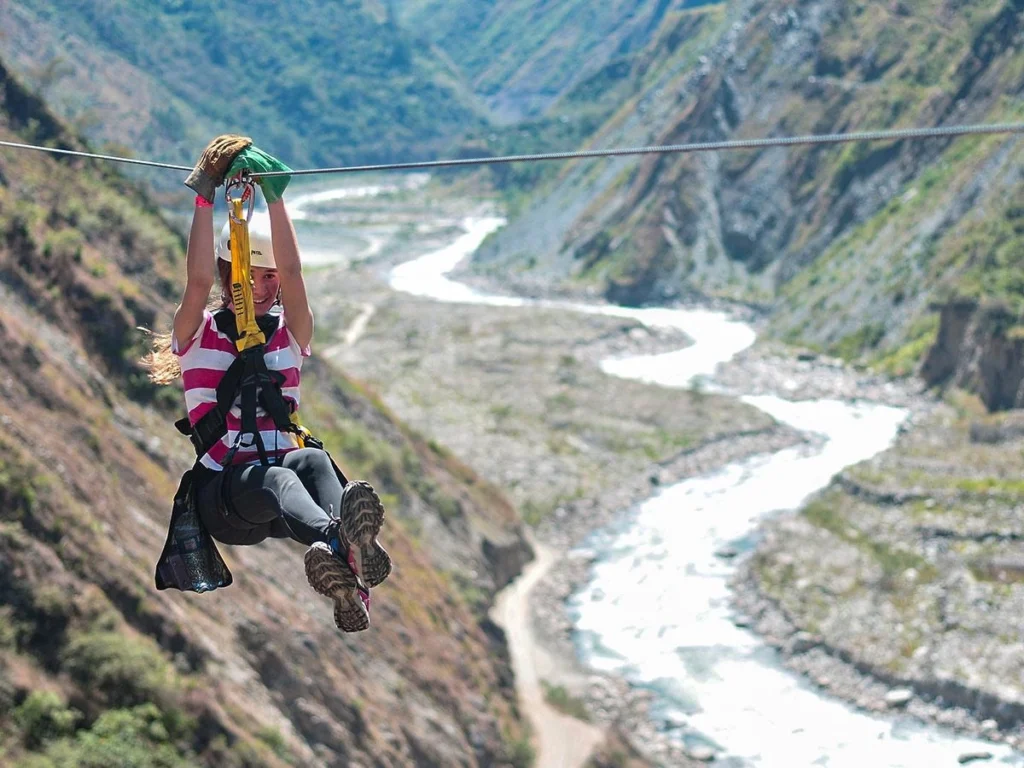
Peru continues to position itself as one of the most diverse travel destinations in South America, not because of a single landmark, but because of how different regions interact within a relatively compact territory. The way travelers approach the country has shifted in recent years, moving away from isolated sightseeing toward more structured, multi regional experiences. In this context, understanding activities to do in Peru becomes less about individual attractions and more about how time, geography, and mobility shape the overall travel experience.
You might be interested in: 7 most beautiful sunsets in Peru
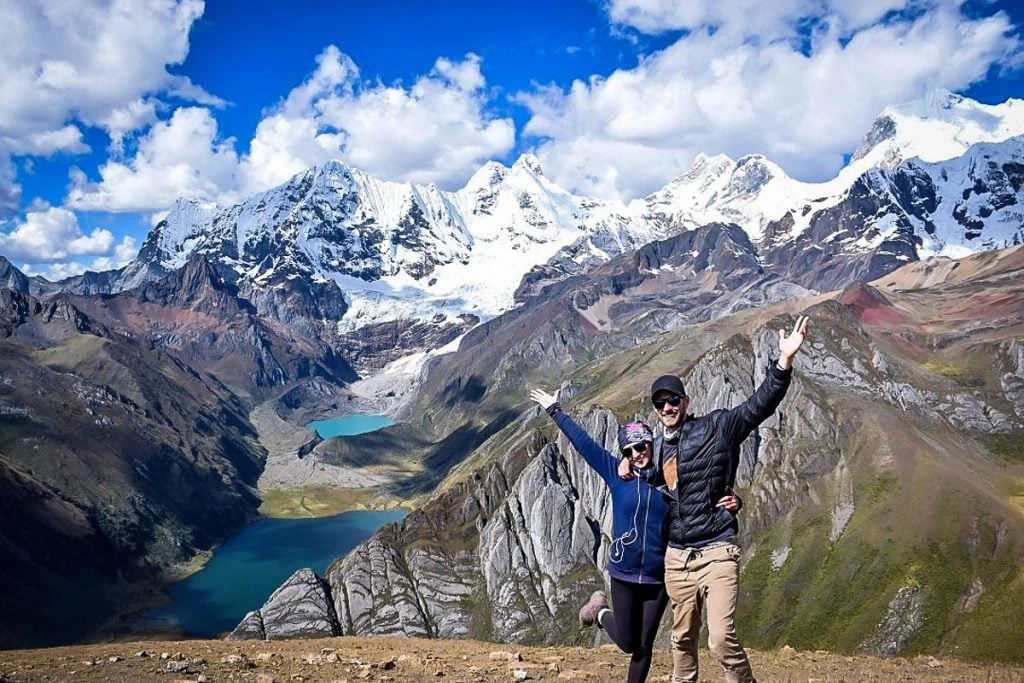
Traveling Across Peru Today
Travel in Peru is increasingly influenced by how efficiently visitors can move between regions that differ drastically in climate, altitude, and infrastructure. This creates a travel environment where planning is not optional but essential. What once felt like a linear itinerary has become a set of decisions that must account for distance, altitude adaptation, and seasonal access.
- Domestic flights now define how multi region trips are structured
- Road travel is often used for short regional circuits rather than long distances
- Altitude remains a key factor in shaping pacing and order of visits
- Seasonal weather impacts accessibility in highland and jungle areas
- Travel time is often more relevant than distance on a map
Within this framework, activities to do in Peru are better understood as part of a connected system rather than standalone experiences.
Activities To Do In Peru In The Andes
The Andean region remains the backbone of most travel experiences in the country. However, what has changed is not the destination itself, but how it is experienced. Travelers are increasingly focused on structured routes that combine cultural understanding with manageable physical pacing.
One of the most significant shifts is the rise of curated regional itineraries that connect multiple valleys, archaeological sites, and living communities in a single flow.
Cultural routes and mountain experiences
- Archaeological circuits connecting sacred sites across valleys
- Community visits focused on textile and agricultural traditions
- High altitude hikes with structured acclimatization pacing
- Local markets that reflect seasonal farming cycles
- Multi day cultural immersion routes beyond urban centers
This approach to activities to do in Peru in the Andes highlights a growing preference for continuity over fragmentation. Instead of visiting a single site, travelers are encouraged to understand how landscapes and communities are interconnected.
A practical example of this approach can be seen in curated experiences such as Cusco tours, which structure movement across multiple sites in a way that reduces logistical friction while improving cultural depth.
Coastal Experiences And Desert Routes
The southern coast of Peru offers a very different travel rhythm. Here, the landscape is defined by contrast rather than elevation. Ocean, desert, and valleys sit close together, allowing for short but diverse itineraries. This region has become especially relevant for travelers who have limited time but want a high variety of experiences in a single stop.
- Dune based adventure activities in desert landscapes
- Marine wildlife observation along protected coastal zones
- Vineyard visits in desert-adjacent valleys
- Boat excursions to island ecosystems
- Short distance multi activity day trips
These experiences demonstrate how activities to do in Peru can be condensed into efficient travel blocks without losing variety or depth.
How Ica shapes short travel itineraries
In the desert region, structured travel has become increasingly important because visitors tend to combine several experiences in a single day. This has led to more organized routes that reduce travel friction between activities.
A clear example of this is the development of Ica tours, which connect desert landscapes, vineyards, and coastal zones into a single coordinated itinerary rather than separate visits.
Amazon Experiences And Logistics
The Amazon basin introduces a different level of complexity. Unlike coastal or Andean regions, accessibility here depends heavily on environmental conditions such as river levels, rainfall, and seasonal biodiversity patterns. As a result, travel in this region requires more coordination and flexibility.
Planning is not only about selecting activities but also about ensuring that timing aligns with natural conditions.
- River transport connecting remote ecological areas
- Wildlife observation influenced by seasonal cycles
- Guided forest walks focused on biodiversity interpretation
- Multi day lodge based immersion stays
- Night explorations guided by local specialists
Understanding travel structure in the jungle
In this environment, activities to do in Peru depend heavily on real time adaptation. What is available on a given day can change based on weather or river conditions, which makes local coordination essential.
For this reason, working with a Peru travel agency becomes an important part of ensuring that logistics, safety, and timing are properly aligned with environmental conditions.
You might be interested in: Sightseeing Cusco: best guide to explore the city
Why Guided Planning Matters More Now
One of the clearest trends in Peruvian tourism is the increasing reliance on structured planning. This is not simply about convenience but about maximizing limited time across regions that are not always easy to connect independently.
Travelers are now more aware of how small planning decisions can significantly affect overall experience quality.
- Better coordination between regions reduces travel downtime
- Guided planning improves access to less obvious destinations
- Structured routes help manage altitude and climate transitions
- Organized logistics reduce uncertainty in remote areas
- Local expertise enhances cultural interpretation
This shift has made activities to do in Peru more dependent on integrated planning systems rather than spontaneous decision making.
How Travelers Are Changing Their Plans
Recent behavior patterns show that visitors are no longer focusing only on iconic destinations. Instead, they are building trips that combine different types of experiences across regions, often prioritizing balance over intensity.
- Increased demand for multi region itineraries
- Growing interest in cultural interaction rather than observation
- Stronger focus on environmental awareness in travel choices
- Preference for smaller group or private guided experiences
- Longer stays distributed across multiple regions
These trends are reshaping how activities to do in Peru are selected and sequenced, with more attention placed on how each experience connects to the next.
Food And Cultural Immersion
Culinary experiences have become a central part of how travelers engage with Peru. Food is no longer treated as a secondary element of travel but as a core way of understanding regional identity and history. Each region contributes differently to this experience, from coastal seafood traditions to Andean agricultural practices.
- Traditional cooking workshops in rural communities
- Market visits focused on seasonal produce
- Regional tasting routes across coastal and highland zones
- Farm based dining experiences connected to local production
- Culinary storytelling through guided tastings
These experiences show how activities to do in Peru increasingly include cultural immersion through food, not just sightseeing or adventure.
Adventure Focused Itineraries
Adventure travel in Peru has expanded beyond traditional trekking. While hiking remains important, travelers are now combining multiple forms of physical activity within a single itinerary. This reflects a broader demand for variety within limited travel time.
- Sandboarding and dune exploration in desert zones
- Multi day trekking routes in high altitude regions
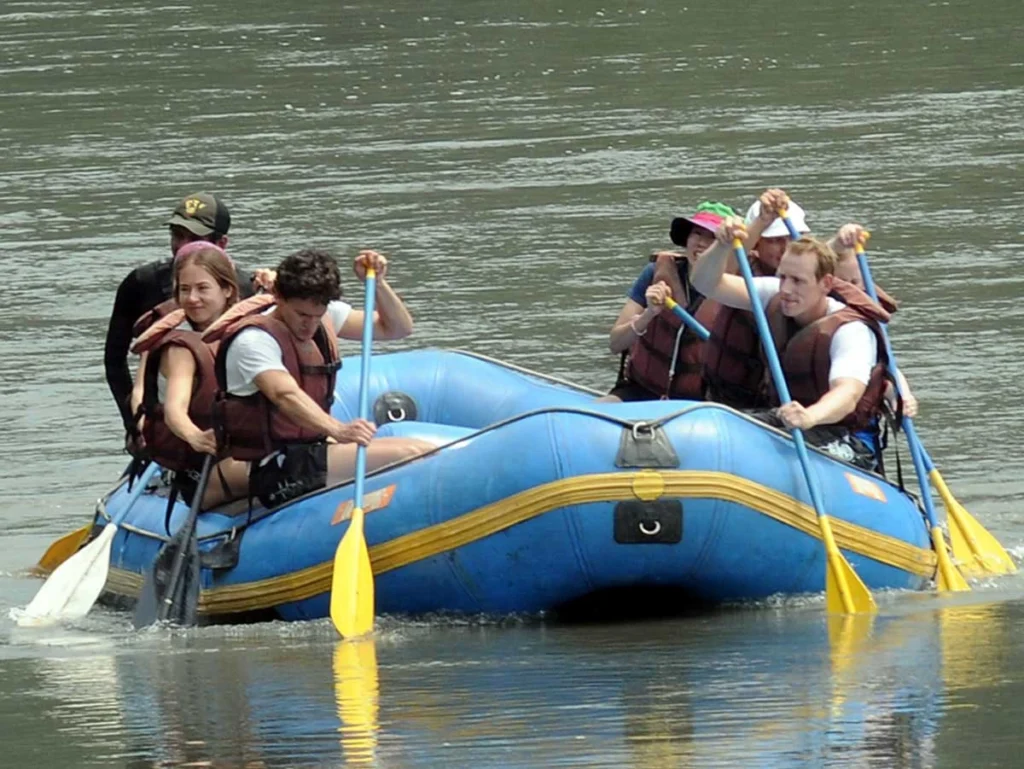
- River navigation experiences in the Amazon basin
- Cycling routes across inter valley landscapes
- Rock and terrain based exploration activities
This diversification reflects how activities to do in Peru are evolving into more dynamic and flexible experiences that respond to different levels of physical engagement.
You might be interested in: Andean spectacled bear: complete guide diet of the South America’s spectacled bear
Slower Travel And Regional Depth
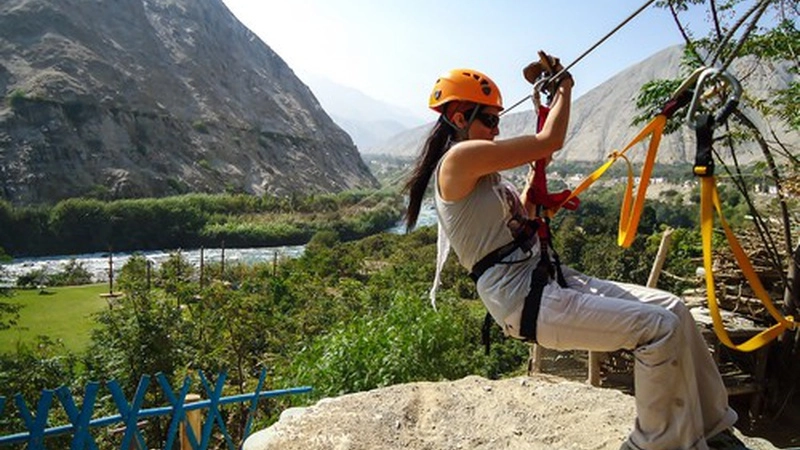
A noticeable shift in travel behavior is the growing interest in slower, more immersive experiences. Instead of covering as many destinations as possible, travelers are choosing to stay longer in fewer places, allowing for deeper understanding of local life and environment.
This change is influencing how itineraries are designed across the country.
- Longer stays in single regions rather than rapid movement
- Deeper interaction with local communities
- Reduced focus on checklist style tourism
- More flexible daily schedules
- Greater attention to environmental and cultural context
In this framework, activities to do in Peru are not defined by quantity but by the quality of engagement within each region.
Evolving Travel Patterns Across Peru
Peru’s tourism landscape continues to evolve in response to changing traveler expectations and global travel behavior. The country is increasingly experienced as a connected system of regions rather than separate destinations. This shift has made planning more important, but also more rewarding for those who approach travel with flexibility and awareness.
What stands out is not only the diversity of experiences available, but the way they are now being combined into more intentional journeys. Whether in the Andes, the coast, or the Amazon, activities to do in Peru reflect a broader movement toward meaningful, structured, and context aware travel that prioritizes depth over speed.
Responsible Travel And Local Impact
The expansion of travel routes has created both opportunities and pressure points, especially in destinations that Tourism in Peru has grown, but what is more relevant is how that growth is being distributed across regions and communities. The expansion of travel routes has created opportunities and pressure points, especially in destinations that receive visitor volume during peak seasons. This has led to a focus on how tourism can generate value beyond consumption, particularly in rural and culturally sensitive areas.
In this context, activities to do in Peru are increasingly being evaluated not only by their experiential value but also by their contribution to activities to do in Peru. Travelers are more aware that their choices influence how communities adapt to tourism flows.
- Community led tourism projects that reinvest in local development
- Cultural preservation initiatives supported by participation
- Reduced impact itineraries that limit environmental strain
- Locally guided experiences that prioritize activities to do in Peru
- Seasonal distribution of visits to avoid overcrowding in key destinations
The shift toward responsible travel is not only ethical but also practical. It helps maintain the long term sustainability of experiences that define Peru’s appeal, ensuring that activities to do in Peru remain accessible and meaningful for future travelers.
Planning Smarter Itineraries Across Regions
One of the most important changes in how Peru is experienced today is the way itineraries are being structured. Instead of focusing on isolated destinations, travelers are building interconnected routes that balance geography, time, and physical adaptation.
Modern travel planning now prioritizes flow over quantity. The goal is not to see everything, but to ensure that transitions between regions are realistic and enriching.
- Combining coastal, highland, and jungle segments in balanced sequences
- Prioritizing acclimatization time before high altitude experiences
- Aligning travel routes with activities to do in Peru
- Reducing unnecessary transfers to improve experience quality
- Structuring activities based on energy levels and travel rhythm
Within this framework, activities to do in Peru become part of a broader planning logic rather than isolated decisions. Each activity is chosen not only for its value but also for how it fits within the overall journey structure.
This approach is increasingly supported by travel design services that help optimize routes across regions, ensuring that travelers can move efficiently without losing depth of experience.
The Future Of Travel Experiences In Peru
The traditional idea of fixed itineraries is gradually being replaced by flexible frameworks that respond to traveler interests, environmental conditions, and real time logistics. This evolution reflects a broader global trend, but in Peru it is particularly relevant due to the country’s geographic diversity.
Technology, local expertise, and changing traveler expectations are all contributing to this transformation. Experiences are becoming more modular, allowing visitors to combine different types of activities to do in Peru depending on time availability, physical capacity, and interest focus.
- Increased use of customized travel planning based on preferences
- Growth of hybrid itineraries combining adventure, culture, and nature
- Greater integration of local guides into digital planning platforms
- Expansion of off peak travel strategies to reduce congestion
- Stronger emphasis on immersive rather than observational experiences
This evolution suggests that Peru’s tourism future will not be defined by a single type of experience, but by the ability to adapt experiences to different traveler profiles while maintaining cultural and environmental integrity.
Digital Connectivity And Modern Travel Behavior
Another important transformation in Peruvian tourism is the growing role of digital connectivity in how travelers organize and experience their journeys. Access to mobile navigation, online reservations, and real time travel information has changed the way visitors interact with destinations across the country. Instead of depending entirely on fixed schedules, travelers now make more flexible decisions during the trip itself.
This shift has influenced how activities to do in Peru are researched, selected, and adjusted according to changing conditions. Travelers increasingly combine advance planning with real time modifications based on weather, transportation availability, or regional recommendations.
- Mobile based itinerary management during multi region trips
- Real time updates for transportation and climate conditions
- Digital reservation systems for remote experiences and tours
- Online access to locally guided recommendations and services
- Flexible scheduling supported by instant travel information
As digital infrastructure continues to improve, activities to do in Peru are becoming easier to coordinate across geographically distant regions. This allows travelers to optimize time more efficiently while maintaining flexibility throughout the journey.
At the same time, the availability of information has increased interest in lesser known destinations that were previously difficult to access independently. As a result, activities to do in Peru are gradually expanding beyond traditional tourism circuits and creating more balanced regional distribution of visitors.
This evolution reflects how modern travel is no longer based only on physical movement between destinations, but also on the ability to adapt experiences dynamically through access to information, coordination tools, and local digital services connected to activities to do in Peru.

