

National holidays in Peru are much more than just a long weekend they are the heart of national pride, a moment when the entire country dresses in red and white to commemorate its independence, history, and cultural diversity. Every July 28 and 29, Peru celebrates with civic ceremonies, parades, solemn masses, food festivals, and artistic expressions that fill the streets with life, music, and excitement.
In this post, we’ll tell you everything you need to know to enjoy these days to the fullest: their meaning, the most iconic activities, the best places to experience them, useful travel tips, and why July is a great month to visit Peru.
You may also like: Discovering ancient Peru: Treks, temples, and timeless routes
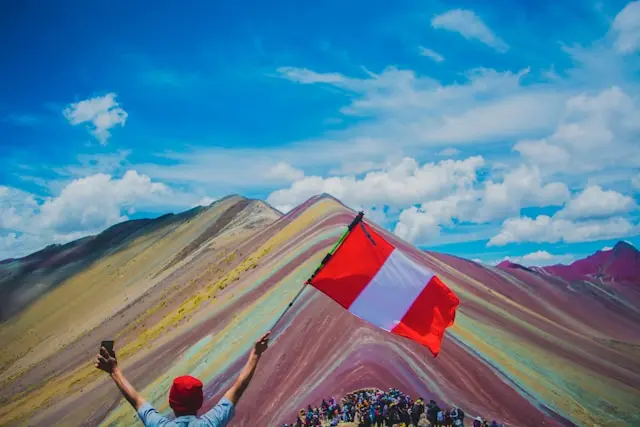
What is celebrated on Peru’s National Holidays?
Peru’s national holidays commemorate two key dates:
- July 28: Anniversary of the proclamation of Peru’s independence in 1821.
- July 29: Tribute to the Armed Forces and the National Police of Peru.
These dates symbolize both the nation’s hard-won freedom and the recognition of those who defend it. Beyond their historical significance, they are an opportunity to celebrate Peruvian pride its food, music, dances, landscapes, and above all, its people.
You may also like: Between Paso horses and the sacred mountains of Peru
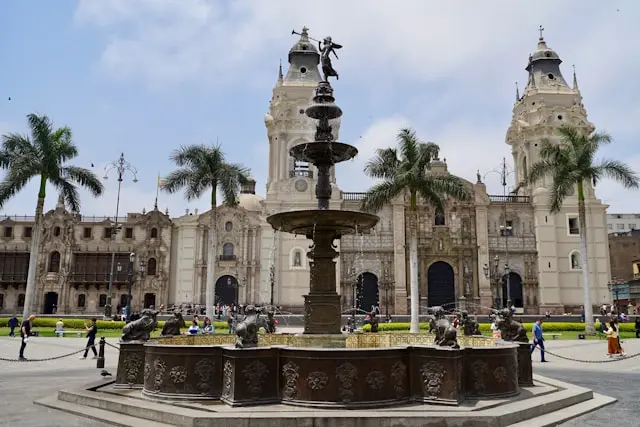
Main Activities During National Holidays in Peru
National holidays in Peru not only celebrate independence but also identity, pride, and the country’s cultural richness. On July 28 and 29, Peru comes to a joyful standstill with everything from official ceremonies to popular festivals full of color, flavor, and tradition.
1. Official Ceremonies in Lima
The capital hosts the main official events that kick off the nationwide celebrations:
- Mass and Te Deum: Held on the morning of July 28 at the Cathedral of Lima with the President, government officials, religious leaders, and Congress representatives.
- Presidential Address to the Nation: After the mass, the President delivers a speech to Congress outlining the administration’s achievements, challenges, and future goals.
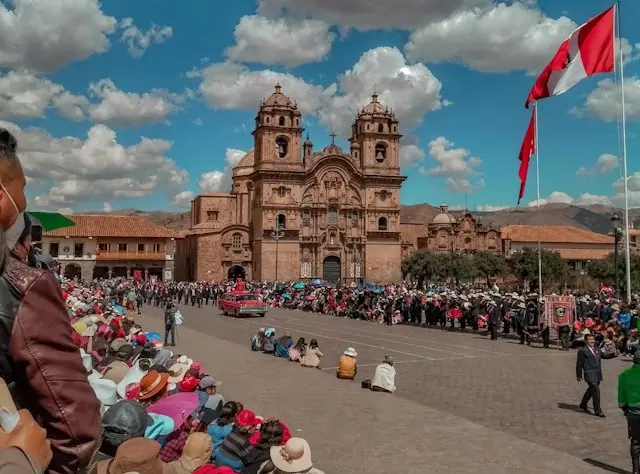
- Grand Military Parade: On July 29 along Avenida Brasil, thousands gather to watch the grand parade of the Armed Forces, National Police, rescue teams, and school delegations. This patriotic display is broadcast nationwide.
2. Popular Festivities Across the Country
Outside the official protocol, national holidays are passionately celebrated in every region:
- Food Festivals: From park fairs to special menus in restaurants, Peruvians celebrate by eating well. Expect to find ceviche, pachamanca, anticuchos, arroz con pato, and desserts like suspiro a la limeña and picarones.
- Handicraft Fairs: Artisans showcase textiles, ceramics, wood carvings, and silver or gold jewelry in plazas and tourist centers.
- Folkloric Shows: Traditional dances abound, including marinera from the north, highland huaynos, Afro-Peruvian festejos, and colorful diabladas. Many of these performances are free and outdoors.
- Local Events and Contests: Cities host school parades, criollo music contests, book fairs, and dance competitions. In small towns, patron saint festivals often coincide with national holidays, creating multi day celebrations.
If you plan to travel during this time, combining the festivities with cultural tourism is ideal many visitors take this opportunity to join Machu Picchu tours, which pair perfectly with the celebratory spirit of the country.
3. Short Trips and Domestic Tourism
The long weekend is perfect for Peruvians to travel and rediscover their country:
- Weekend Getaways: Popular destinations for 2–4 day trips include Ica, Arequipa, Tarapoto, Trujillo, Ayacucho, and Huaraz.
- Cultural and Experiential Tourism: Many opt to join local celebrations in rural communities, taking part in rituals, guided hikes, and cooking or handicraft workshops.
- Foreign Tourists: For international visitors, these holidays are a great way to experience Peru’s patriotic spirit and warm hospitality. Some travelers even plan a 4 day Machu Picchu tour from Lima to combine historical exploration with the country’s most important civic celebrations.
You may also like: Medicinal plants in the heart of the peruvian jungle
Top Destinations to Celebrate National Holidays in Peru
Each region of Peru celebrates in its own unique way. Here are the best destinations to enjoy the festivities:
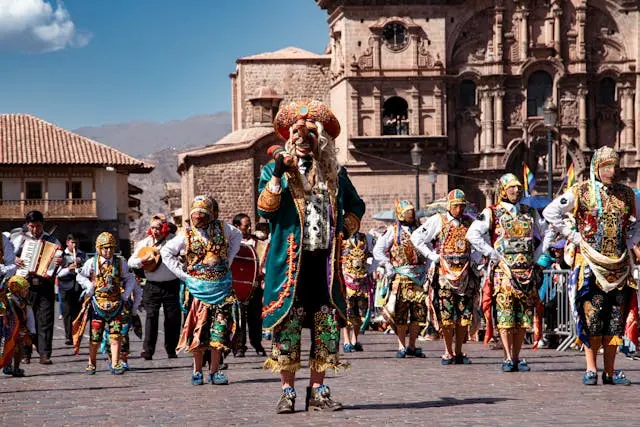
Cusco
The Inca capital comes alive with parades, solemn masses, craft fairs, concerts, and dance performances in the historic center and neighborhoods like San Blas. It’s also a great time to join a day trip to Machu Picchu from Cusco by train, as the clear July skies make for stunning views.
Travel tip: Book early Cusco is extremely popular during these dates.
You may also like: From past to present: the paths of Chaski still beat in Peru
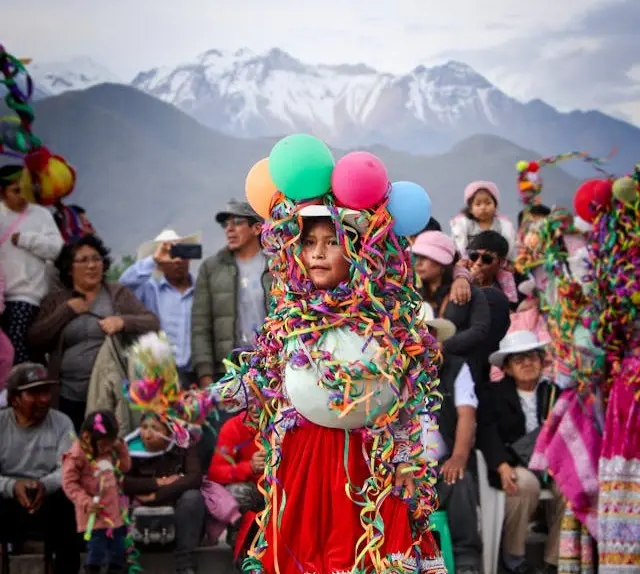
Arequipa
Although its major celebrations are in August, Arequipa embraces the July festivities with criollo music, free cultural events, traditional food tastings, and lively “peñas.”
Travel tip: Visit local markets and try signature dishes like rocoto relleno and adobo arequipeño.
You may also like: The 14 best restaurants in Cusco
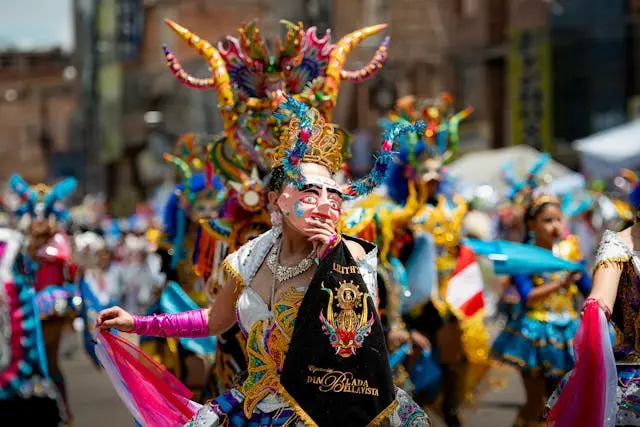
Puno
By Lake Titicaca, Puno hosts Andean music concerts, parades, and food fairs. Visit the floating Uros Islands, Taquile Island, or Chucuito’s colonial churches.
Travel tip: Nights are cold pack thermal layers and stay hydrated.
Iquitos
In the Amazon, Iquitos holds civic parades, regional food fairs, folkloric dances, and concerts. Combine your trip with boat rides on the Amazon River, community visits, and excursions to Pacaya Samiria Reserve.
Travel tip: Bring light clothing, insect repellent, sunscreen, and curiosity.
Huaraz
Ideal for mountain lovers, Huaraz offers trekking, culture, and celebrations. Explore Huascarán National Park, hike to Pastoruri Glacier or Lake 69, and attend local patriotic events.
Travel tip: Acclimate to the altitude with coca tea and rest your first night.
You may also like: Cusco tourism week: Living culture, history, and celebration
Travel Tips for National Holidays in Peru
1. Book Early
Hotels, flights, tours, and restaurants fill up fast. Secure your plans weeks or even months ahead.
2. Seek Quieter Destinations
If you prefer peace, consider less-crowded places like the Pisco Route in Ica, remote Áncash villages, or northern beach towns like Máncora.
3. Check Local Events
Municipalities often host free activities such as food fairs, parades, concerts, and cultural contests. Look for updates on official websites or social media.
4. Bring Your Flag
It’s tradition to display the Peruvian flag in homes, businesses, and vehicles throughout July. Carry one to show your pride.
5. Pack Accordingly
- Andes: Layered clothing, cold nights and sunny days.
- Coast: Light jacket and windbreaker.
- Jungle: Breathable clothes and mosquito repellent.
6. Stay Safe and Healthy
Avoid overcrowded places, carry a reusable water bottle, hand sanitizer, and keep an eye on your belongings.
Celebrate, Discover, and Connect
National holidays in Peru are more than dates on a calendar they’re a chance to reconnect with heritage, values, and community. Whether you’re in a bustling city, a quiet village, or by the ocean, you’ll find music, food, and celebration to remind you of everything that makes Peru so special.
Because honoring July 28 means looking back with gratitude and forward with hope for unity, culture, and the country we proudly call home.

