

Exploring ancient Peru is immersing yourself in a world where paths are marked by history, sacred temples stand the test of time, and nature guards ancient secrets. This country, the cradle of impressive civilizations, holds within its mountains and valleys a cultural and spiritual richness that has endured for centuries. From the trails that cross the Andes to the hidden temples in the jungle and desert, every step is a direct connection to the past.
Ancient Paths to the Heart of the Andes
The legacy of ancient Peruvian civilizations is preserved not only in museums or history books, but also on the paths that once connected towns and ceremonial centers. The trekking routes that adventurers and travelers follow today are, in many cases, the same ones used by priests, merchants, and messengers hundreds of years ago.
One of the most notable is the road system known as Qhapaq Ñan, a network of pre-Inca and Inca roads that stretches over 30,000 kilometers. Traveling through a section of this network not only offers breathtaking landscapes but also the opportunity to literally follow in the footsteps of an advanced civilization deeply connected to its environment.
You may also like: Between Paso horses and the sacred mountains of Peru
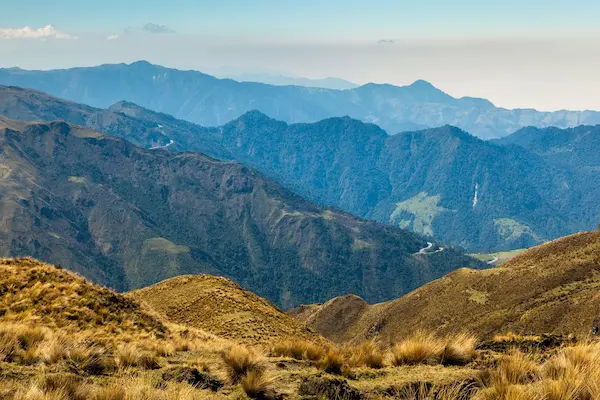
The Temples of Silence: Stone Sanctuaries
Ancient temples reflecting a complex and symbolic worldview are found throughout Peru. These sanctuaries were much more than religious spaces: they were astronomical centers, places of offerings to the gods, and the settings for important community events.
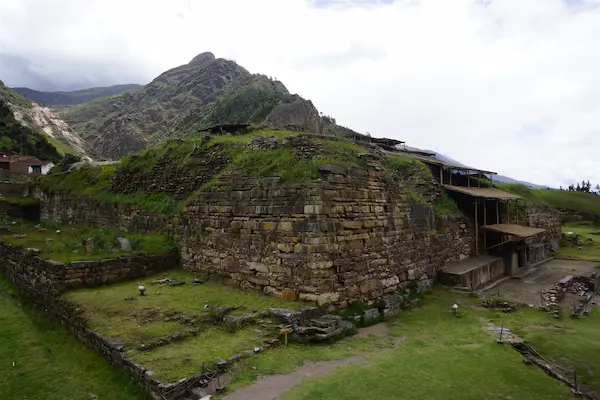
The Temple of the Sun in the Sacred Valley, the cyclopean structures of Sacsayhuamán, and the mysterious complex of Chavín de Huántar are examples of how architecture, spirituality, and astronomy were intertwined in the lives of ancient Peruvians. Each temple has a unique energy and a history that continues to beat in the stones that compose it.
Discovering Ancient Peru Through Trekking
The best way to explore ancient Peru is with your feet firmly on the ground. The trails that traverse mountains, canyons, and jungles allow visitors to connect with history in a direct and emotional way. Multi-day treks have grown in popularity precisely because of the transformative experience they offer.
For example, there are trekking tours that take travelers along less-traveled routes, away from the crowds, where they can camp under the stars and wake up to landscapes that have changed very little since pre-Hispanic times. These experiences are not only physical but also spiritual and cultural.
Unforgettable Routes to Lost Cities
Among the most iconic routes is the one that leads to the famous city hidden among the mountains. This tour has been adapted to offer different durations, allowing more people to experience delving into history.
One of the most recommended options for those short on time but looking for a deeper immersion is the Machu Picchu tour from Cusco 2 days. This itinerary allows you to visit archaeological sites along the way, interact with local communities, and enjoy a spectacular arrival, revealing one of Peru’s most iconic treasures.
You may also like: Medicinal plants in the heart of the peruvian jungle
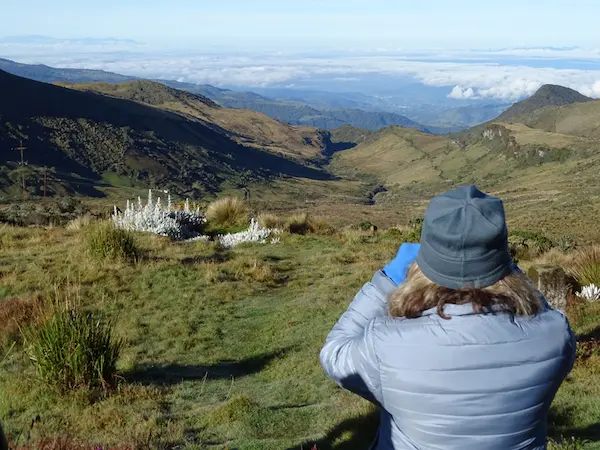
Archaeological Treasures Hidden Between the Jungle and the Mountains
Peru is much more than its best-known tourist destinations. The vastness of the country allows you to discover temples in the middle of the jungle, such as those at Kuelap in the Amazon region, or enigmatic complexes like Caral, the oldest civilization in the Americas. These sites allow us to understand that ancient Peru was diverse, and that its cultural development was not centered solely in the Andes.
Pre-Inca cultures, such as the Nazca, Moche, and Paracas, left indelible marks on the coast in the form of geoglyphs, pottery, funerary architecture, and irrigation systems ahead of their time.
The Power of the Heights: Spiritual Connection with the Apus
Ancient Peruvians had a very close relationship with the mountains, considered sacred beings or “Apus.” In Andean tradition, mountains are spiritual guardians who protect communities and are offered respect and offerings. This connection is still alive in many regions and can be deeply felt at high altitudes.
Some of Peru’s most impressive treks take place amidst these landscapes dominated by snow-capped peaks. Machu Picchu tours, which connect various archaeological sites, allow you to experience the connection with these Apus more intensely, in an environment where nature and history merge.
In Search of Ancestral Wisdom
Discovering ancient Peru also means opening up to the knowledge that communities preserve. Many traditions, languages, festivals, and rituals survive thanks to the people who keep their roots alive. Participating in an Andean ceremony, learning about medicinal plants, or listening to the stories of local sages is another way to get to know this ancient country.
This deep cultural immersion allows visitors to leave transformed, not only with photographs, but with a broader view of humanity and its origins.
Toward the Future Through the Past
In an increasingly fast-paced world, looking back at the paths of the past offers a unique opportunity for reconnection. Walking the paths of ancient Peru is not just a way of traveling; it’s an act of contemplation, learning, and respect for the cycles that still throb beneath the surface.
Those who wish to experience this transformative experience can count on expert guides who know not only the physical routes but also the spiritual ones. A Peru tour operator specializing in authentic experiences can facilitate this connection between the traveler and the deep soul of the country.
Pre-Inca Cultures: Foundations of the Peruvian Legacy
Before the rise of the vast Inca empire, Peru was already a melting pot of complex civilizations that left indelible marks. From Caral, the oldest civilization in the Americas, to the enigmatic Nazca and its lines, each of these cultures contributed advances in architecture, astronomy, and social organization.
Exploring sites like Chavín de Huántar or the ceremonial centers of the Moche culture allows us to understand how the roots of the Andean worldview date back thousands of years. The astronomical orientation of their temples and their focus on balance with nature resonate with the values that the Inca Empire consolidated centuries later. These vestiges reveal a deeply spiritual ancient Peru, where the natural environment was not just a landscape, but a fundamental factor in daily and religious life.
You may also like: From past to present: the paths of Chaski still beat in Peru
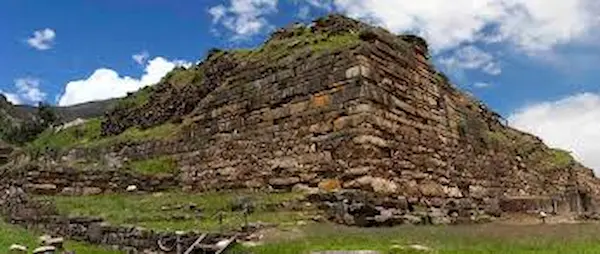
The Symbolism Behind the Roads
One of the most fascinating elements of ancient Peru is its roads. Beyond their functionality as transportation or connection routes, many had a profound symbolic meaning. Some paths were built for sacred rituals, aligned with astronomical events, or linked to places of spiritual power such as the apus (sacred mountains).
The Qhapaq Ñan, a UNESCO-recognized Andean road network, was not only a feat of engineering; it also represented the nexus between the physical and the spiritual. Traveling these trails today is an opportunity to relive that connection with the past, where each step is an act of homage to the civilizations that walked these same paths before them.
Traditional cuisine with ancient roots
Peruvian cuisine, renowned worldwide, also traces its origins to ancient times. Ingredients such as quinoa, purple corn, potatoes, and kiwicha were essential to the indigenous peoples of Peru. These superfoods not only provided nutrition but were also valued for their spiritual and medicinal properties.
Agricultural rituals, such as those dedicated to Pachamama (Mother Earth), showcased the profound relationship between food, gratitude, and spirituality. Eating in Peru is not just a pleasure: it’s a way to connect with an ancient cultural lineage. Including a gastronomic experience in a travel itinerary not only nourishes the body, but also the soul.
The Role of Women in the Andean Worldview
Often forgotten by traditional historical accounts, women played a central role in the cultures of ancient Peru. From the Acllas (chosen for ritual activities, arts, and textile production) to elite rulers in cultures like the Moche and Lambayeque, women not only sustained the economy and culture but were also guardians of spiritual knowledge.
During a journey through deep Peru, it’s possible to uncover this silenced narrative through textiles, ceramics, and oral legends that still circulate in Andean communities. This approach offers a more complete and balanced view of the past.
Rock Art and Symbolic Legacy
In several regions of Peru, rock paintings dating back thousands of years can be found. These graphic representations, made in rock shelters or caves, are a testament to the worldview of the earliest settlers. Depictions of animals, human figures, and geometric symbols not only reflect daily life, but also beliefs and rituals linked to the agricultural cycle, hunting, and the spiritual universe.
Sites such as Toquepala, Lauricocha, and Toro Muerto are windows into ancestral thought. For travelers interested in art and symbolism, these expressions are a little-explored gem that deserves a place on any itinerary seeking to discover the soul of ancient Peru.
You may also like: The 14 best restaurants in Cusco
Experiential Tourism and Connection with Roots
Today, many Andean communities offer experiential tourism experiences that allow visitors to immerse themselves in ancestral customs. From participating in traditional planting, preparing typical dishes, to making textiles using pre-Hispanic techniques, these experiences promote cultural understanding based on empathy and respect.
Exploring Peru from this perspective allows you not only to observe, but also to actively participate in the legacy that still throbs in its people. The direct, unfiltered human connection reveals a Peru that is not in museums, but in the hearts of its people.
A Journey to the Essence
Traveling the routes of ancient Peru is much more than exploring spectacular landscapes. It is opening a door to the past, feeling the echo of our ancestors, and understanding that history is not only in books, but in the roads, in the stones, and in the eyes of those who still proudly preserve their traditions.
Every temple, every sacred hill, every Andean fabric is a living page of a legacy that continues to speak to us. In this land, trekking tours are not just physical adventures: they are spiritual journeys that invite us to look within, to disconnect from the noise, and to reconnect with what is essential.

