
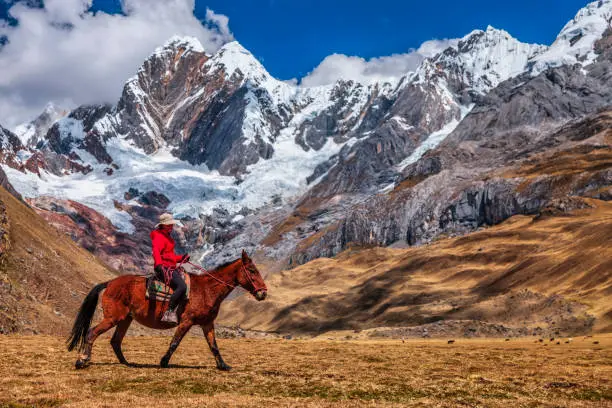
Peru is a land of contrasts. From its arid coastal deserts to its lush Amazonian jungle and its towering Andean peaks, it offers a journey like no other. But beyond the dramatic landscapes lies a deeper, more spiritual experience, one shaped by culture, tradition, and connection to the land. This is especially true when you explore the country through the lens of its Paso horses and sacred mountains, symbols of grace, endurance, and ancestral respect.
This unmissable route through Peru blends equestrian elegance with ancient spirituality, creating an unforgettable path for travelers who seek not just destinations, but profound experiences.
The Cultural Grace of Paso Horses in Pachacamac
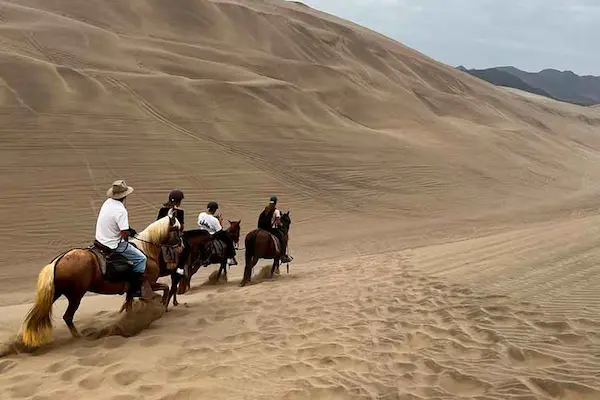
Just a short drive from Lima lies Pachacamac, a pre-Incan archaeological site that remains a vital spiritual center for Andean cultures. While many visit for the ruins, the area offers a deeper cultural immersion through one of Peru’s most iconic symbols: the Peruvian Paso horse.
Known for their smooth gait and elegant presentation, these horses are more than animals, they are living heritage. A Paso horse show in Pachacamac is a gateway to understanding Peru’s identity. Set against the backdrop of ancient temples and arid hills, the performance showcases not only horsemanship but also the grace and pride of Peruvian tradition. Riders, dressed in traditional attire, guide their Paso horses through choreographed movements that are as fluid as they are hypnotic.
These shows are often accompanied by traditional music and dances like the marinera, highlighting the syncretism between colonial influences and indigenous roots. Watching the bond between rider and horse, you don’t just observe a show, you feel centuries of heritage galloping through time.
You may also like: Medicinal plants in the heart of the peruvian jungle
Sacred Mountains and Their Ancestral Power
The concept of sacred mountains or apus is deeply rooted in Andean cosmology. For the indigenous peoples of the Andes, mountains are not just geological formations but divine beings. They are protectors, providers of water and fertility, and bridges to the spirit world.
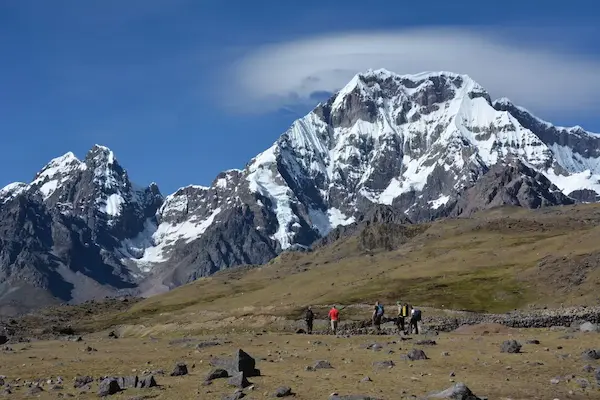
One of the most revered of these mountains is Ausangate, standing at over 6,300 meters above sea level in the Vilcanota range near Cusco. To this day, local communities make pilgrimages to this majestic peak, often participating in rituals that honor Pachamama (Mother Earth) and the mountain spirits.
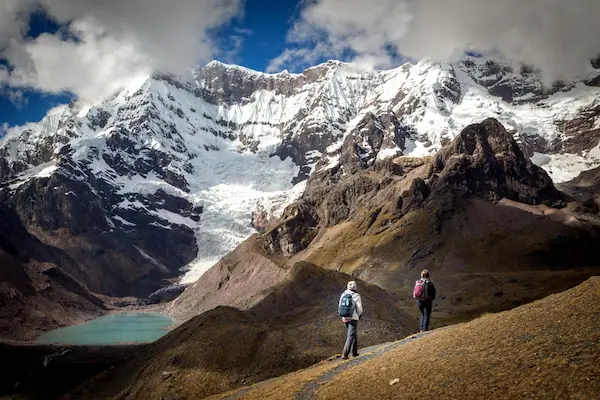
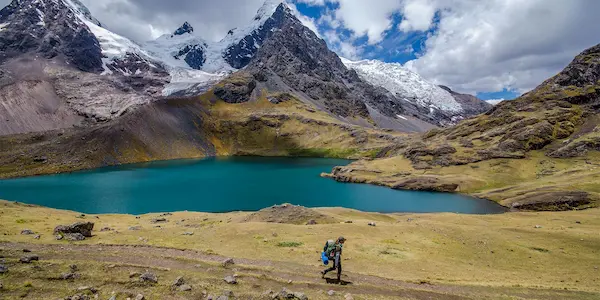
Hiking through the region isn’t just a physical endeavor it’s a spiritual passage. The Ausangate trek 2 days allows travelers to experience this sacred mountain landscape in a meaningful yet manageable timeframe. The trail weaves through glacial valleys, alpaca herds, and colorful mineral hills, culminating in breathtaking views of Ausangate and nearby Rainbow Mountain.
What sets this trek apart is the sense of being immersed in a living culture. Local guides, often from Quechua communities, share stories of the land, its significance, and the rituals still practiced today. You begin to understand that hiking here is not just about reaching a summit, it’s about connecting with something greater than yourself.
Discovering Peru Through its Rituals and Rhythms
What makes this route through Peru truly unmissable is the way in which its elements interact. The Paso horses of the coast and the sacred peaks of the Andes may seem worlds apart, but they’re bound by a shared reverence for nature, rhythm, and spiritual tradition.
In many ways, the rhythm of a Paso horse mirrors the gentle pace needed to ascend high-altitude trails. Both require balance, respect, and a deep awareness of your surroundings. Both invite you to slow down, to pay attention, to feel the soul of a place.
You don’t just pass through Peru you engage with it. Every gallop, every step, every story told by a guide or whispered by the wind feels like an offering.
Sacred Mountains in Andean Identity
To understand the Andean worldview, one must understand its geography specifically its mountains. The Andes are not just physical markers but spiritual ones. Each community, especially in the Cusco and Puno regions, has its own guardian mountain. These apus are honored through offerings, rituals, and festivals.
For example, the Qoyllur Rit’i pilgrimage brings thousands of devotees each year to the Sinakara valley near Ausangate. Walking alongside dancers, musicians, and spiritual leaders, pilgrims ask for blessings, fertility, and protection. This is not tourism it is testimony. Witnessing or participating in such events changes your perspective. It makes you realize that in Peru, the spiritual and the natural are never separate.
Sacred mountains serve as a mirror to the soul. Standing before their snow-capped peaks, you may find answers to questions you didn’t know you had.
You may also like: From past to present: the paths of Chaski still beat in Peru
Crafting the Perfect Journey with a Local Perspective
Traveling through Peru with a local guide doesn’t just add convenience it opens doors to experiences and stories that would otherwise remain hidden. That’s why choosing a reliable Peru tour operator can make all the difference.
From organizing transportation to coordinating authentic cultural encounters, local operators are deeply connected to the land and its communities. They understand the rhythms of the region, the meaning behind each ritual, and the best moments to witness natural phenomena like mountain sunrises or Paso horse exhibitions.
Whether you are starting your journey in Lima, making your way to Cusco, or venturing deep into the Andes, a well-crafted itinerary shaped by local hands ensures that your experience is not only smooth but spiritually enriching.
Culinary and Cultural Stops Along the Way
No journey through Peru is complete without savoring its flavors. From coastal ceviche to highland pachamanca, food tells the story of a people rooted in the land. In regions like Pachacamac and Cusco, traditional meals often accompany spiritual celebrations, making dining an extension of ritual.
Imagine finishing a Paso horse show with a warm carapulcra stew, or wrapping up a day on the Ausangate trail with quinoa soup and muña tea. These meals nourish more than the body, they nurture the soul.
Add to that the textiles, ceramics, and music you’ll encounter along the way, and you begin to see why Peru is a holistic cultural journey.
When to Go and What to Expect
The ideal time for this unmissable route depends on your preferences. For trekking in Ausangate and other Andean areas, the dry season (May to September) offers clearer skies and safer trails. For coastal experiences like Paso horse shows, the weather is generally temperate year-round.
Prepare for altitude by acclimatizing in Cusco before attempting high-altitude treks, and consider light, layered clothing for changing conditions. Comfortable walking shoes, sun protection, and an open heart are essential.
While Peru is safe and welcoming, traveling with a responsible operator ensures that you’re both respectful and well-prepared. Choose operators that support local communities, preserve natural spaces, and maintain ethical standards.
You may also like: The 14 best restaurants in Cusco
The Journey as a Spiritual Dialogue
Ultimately, this route through Peru, between Paso horses and sacred mountains—is more than sightseeing. It is a conversation with the land and its people, with its ancestors and its traditions. Whether you are drawn by the rhythmic steps of a horse or the silent majesty of Ausangate, each experience speaks to a different part of your being.
In a world that moves too fast, this path invites slowness, reflection, and connection. It reminds us that travel isn’t always about how far you go, but how deeply you feel.
Cultural rituals that elevate the journey
To fully appreciate the significance of sacred mountains in Peru, one must also understand the rituals and ceremonies that continue to honor them today. In Andean cosmology, mountains are apus, living entities that watch over communities. In rural areas near Ausangate and other sacred peaks, traditional pagos a la tierra (offerings to the Earth) remain common. Travelers who witness or respectfully partake in these rituals often describe the experience as transformative a spiritual grounding that goes beyond the usual sightseeing.
These ceremonies not only enrich the traveler’s perspective, but also contribute to the preservation of intangible cultural heritage. When conducted by local shamans, such rituals link ancestral knowledge with contemporary spiritual curiosity. For those embarking on the Ausangate trek 2 days, integrating these experiences adds meaningful depth to the journey.
Paso horses as a metaphor for Peruvian identity
The Peruvian Paso horse is not only a symbol of elegance but also an emblem of resilience and harmony with the land. These horses, with their smooth gait known as paso llano, evolved over centuries to navigate the diverse terrains of the country. In this way, they mirror the adaptability of Peru’s people — from highland farmers in the Andes to coastal communities and Amazonian tribes.
Attending a Paso horse show in Pachacamac is not just about observing equestrian skill; it’s about witnessing the embodiment of heritage and national pride. The music, the traditional costumes, the synchronization between rider and horse all tell a story about identity rooted in grace and endurance.
The role of responsible tourism and expert guidance
In recent years, more travelers have become aware of the impact of tourism on delicate ecosystems and indigenous communities. Choosing a Peru tour operator that prioritizes sustainability and local involvement ensures that your journey is not only memorable but also responsible.
Look for operators that work directly with local guides, use eco-friendly accommodations, and support cultural preservation. These companies provide a more authentic experience, whether you’re watching Paso horses on the coast or hiking through the icy silence of the sacred mountains.
You may also like: Cusco tourism week: Living culture, history, and celebration
A living mosaic of tradition and wilderness
What makes Peru a truly unmatched destination is its seamless integration of the majestic and the mystical. From the coast to the Andes, each step carries echoes of history and layers of meaning. To stand beneath a snow-capped apu or feel the rhythm of Paso hooves against the earth is to connect with something far greater than oneself.
Let this journey be more than just travel. Let it be a passage through symbols, the elegance of horses, the silence of mountains, the devotion of its people. Peru invites you not just to see, but to feel its heartbeat through its traditions and landscapes.

