
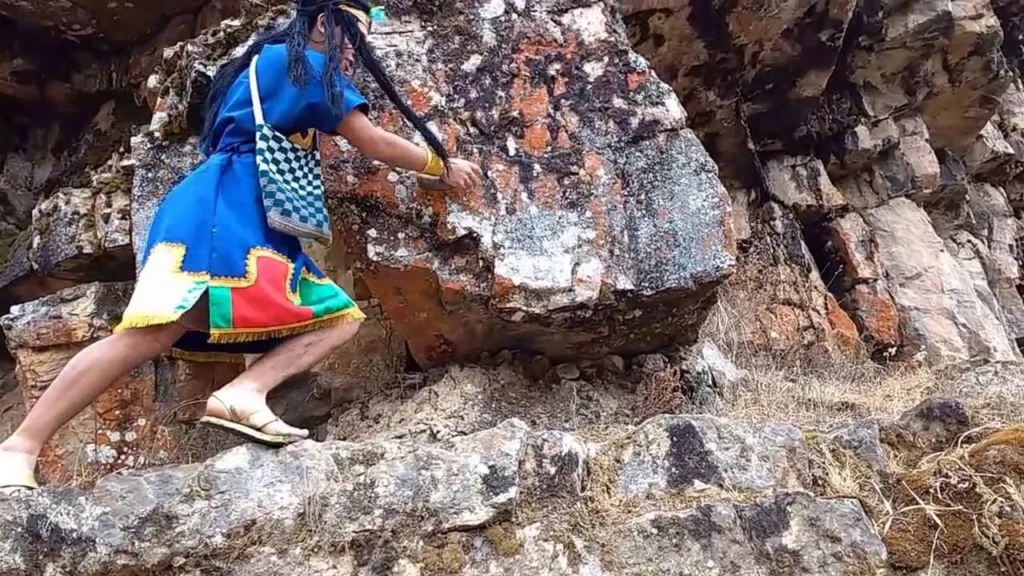
In the vastness of the Andes, where every mountain tells a story and every stone has witnessed the passing of time, the legacy of the Chaski remains alive. These messengers of the Inca Empire were the lifeblood of communication across the Tahuantinsuyo, traversing rugged terrain with unmatched endurance and purpose. Today, their spirit is reborn in the trekkers who walk the same routes, not to deliver messages, but to connect with history, nature, and themselves.
The ancient pulse of the Andes
Long before modern technology enabled instant communication, the Inca civilization relied on the Chaskis to carry vital messages, news, and even small goods between cities and remote outposts. Running along the Qhapaq Ñan, the extensive road network of the empire, they moved with speed, precision, and dedication. Their legacy is etched into the trails that now form some of the most iconic trekking routes in Peru, and these paths continue to vibrate with their ancient energy.
You may also like: The 14 best restaurants in Cusco
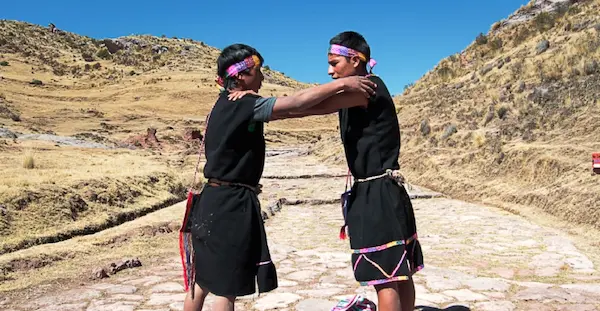
From past to present: walking the classic Inca Trail
One of the most revered routes that preserves the essence of the Chaski experience is the classic Inca Trail. This legendary trek covers approximately 43 kilometers and leads adventurers through lush cloud forests, high mountain passes, and hidden archaeological sites, culminating in the awe-inspiring Machu Picchu.
Walking this trail is more than just a physical challenge; it is a spiritual journey. Every step taken mirrors those of the Chaskis, reminding us that these roads were not just paths of stone, but lifelines of an empire. From past to present, this route remains a testament to the engineering brilliance and deep cultural roots of the Inca civilization.
Salkantay Trek: a raw and powerful connection to nature
While the Inca Trail follows a well-preserved and regulated path, the Salkantay Trek 4 days offers a wilder, more remote experience. Named after the towering Salkantay Mountain, this trek challenges the body and rewards the spirit.
Salkantay was considered sacred by the Incas, and to walk in its shadow is to feel a deep connection with the natural forces the Chaskis once respected. The journey takes you through high-altitude landscapes, glacial peaks, and tropical forests. It’s an alternative path that complements the Inca Trail, giving a different perspective of the same enduring spirit.
Choquequirao: the hidden gem of Inca legacy
If there is a trail that truly honors the endurance and determination of the Chaskis, it is the Choquequirao trek 5 days. Often referred to as the sister city of Machu Picchu, Choquequirao remains off the beaten path and requires a demanding hike to reach.
But the reward is immense: a vast, tranquil archaeological complex surrounded by mountains and mist. The journey to Choquequirao encapsulates the spirit of perseverance, from past to present, and reflects how the ancient world still has stories to tell those willing to listen.
The Chaski legacy in modern times
In today’s Peru, the image of the Chaski still resonates in local culture and tourism. Many trekking guides, porters, and community members embody the same resilience and strength, guiding travelers through landscapes once traversed by Inca messengers. Their knowledge of the terrain, respect for nature, and cultural pride reflect a direct lineage from past to present.
Modern trekking is more than just adventure; it’s an act of homage. Every hiker becomes part of a living tradition, a small echo of the Chaski spirit in the vast Andean silence.
You may also like: Cusco tourism week: Living culture, history, and celebration
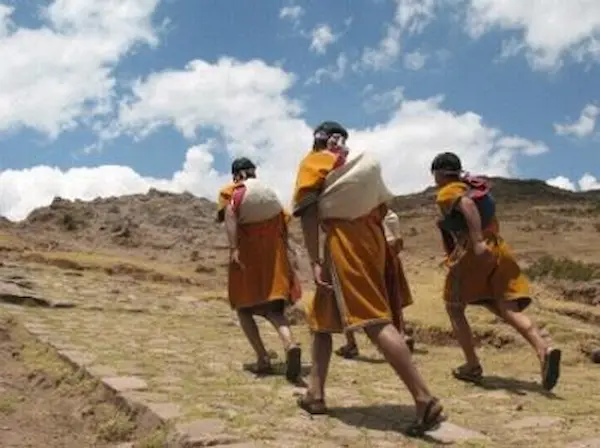
Reconnecting with the land through ancient footsteps
The power of these treks lies not only in their physical beauty or historical significance but in the emotional resonance they create. Travelers often report a sense of transformation, a renewed perspective gained from being immersed in something greater than themselves.
As we trace the paths of the Chaskis, we engage with a past that is still alive in the rhythm of our steps and the whisper of the wind. From past to present, these trails invite reflection, connection, and reverence.
A cultural journey beyond tourism
Embarking on these treks is not just about reaching a destination, but about embracing a worldview. The Andean cosmovision, with its deep respect for Pachamama (Mother Earth), the Apus (mountain spirits), and the cycles of nature, permeates every path. Whether walking the classic Inca Trail, the majestic Salkantay, or the secluded Choquequirao, the journey becomes a cultural immersion.
Each trail is an open-air classroom where travelers learn about ancient agriculture, spiritual beliefs, and the daily lives of the Inca people. From past to present, the lessons of the Andes remain relevant and inspiring.
The Symbolism of the Chaski in Current Peruvian Identity
In Peru’s collective memory, the Chaski is not only a messenger from the past, but a living symbol of resilience, connection, and perseverance. Today, in many high Andean communities, traditional runners who participate in competitions or ritual events are compared to the Chaskis, reinforcing pride in a history that has not been forgotten. This ancestral figure inspires both athletes and promoters of sustainable tourism, as its image represents movement, connection to the land, and respect for the routes forged by previous generations. The Chaski’s legacy, then, transcends history and becomes a tool of cultural identity in the 21st century.
You may also like: Letting yourself go is the first step to a great experience
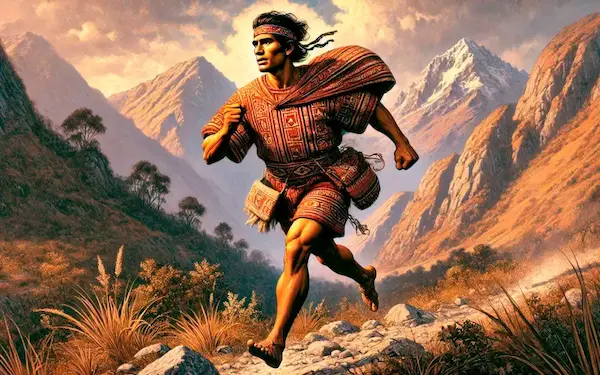
The Chaski Routes as Inspiration for Mountain Runners
The ancient routes of the Chaskis not only served to unite the Tahuantinsuyu, but today they are an inspiration for a new generation of mountain runners who choose historic paths for their training and competitions. Peru is one of the countries with the greatest potential for trail running, precisely because its rugged geography and ancient trails offer a unique setting. Many athletes train on sections of historic routes, such as the paths leading to Choquequirao or those leading to the Salkantay peak, in a modern homage to the spirit of the Chaski. This connection between sport and culture is a powerful reflection of the motto “from past to present.”
Technology and ancestral knowledge: what we can learn from the Inca communication system
Although we live in an age dominated by technology, the effectiveness of the Chaski system continues to surprise us. Without access to paper, telephones, or GPS, the Inca Empire managed to maintain an extremely efficient communications network based on oral memory, physical relays, and a precise understanding of the landscape. Today, in times of sustainability and respect for ancestral knowledge, this form of organization is revalued as an example of natural logistics, respect for the environment, and the harnessing of human knowledge without relying on digital tools. In many rural Andean schools, these lessons are being incorporated into educational projects so that new generations can value and apply the legacy of the Chaski in their daily lives.
The Paths of the Chaski in Peruvian Literature and Art
The Chaski has been portrayed throughout time not only in historical accounts but also in literature, poetry, music, and the visual arts. From historical novels to murals in Andean communities, his figure remains relevant as an emblem of cultural resistance. In some school plays, his role is even revived through symbolic representations that connect the viewer with the physical and spiritual effort his mission entailed. These types of representations help keep a collective memory alive, where the figure of the messenger is not a simple memory, but a source of values such as responsibility, sacrifice, and love for the community.
You may also like: Cultural treasures you can’t miss in Peru
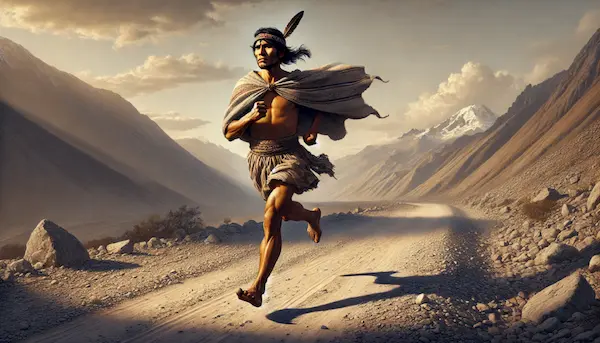
The Spiritual Role of the Chaski in the Andean World
Beyond his role as a physical messenger, the Chaski also fulfilled a spiritual function in some regions of the Tahuantinsuyu. It was believed that, by crossing sacred landscapes and energy points (known as “wak’as”), the Chaski acted as a channel between the earthly and spiritual worlds. Some oral accounts maintain that, on certain journeys, he was required to perform rituals or show respect to the Apus (mountain spirits). This spiritual dimension added a deeper level to his work: he was not only a bearer of messages, but also a protector of the balance between the worlds. Recovering this vision helps us understand why his legacy still “beats” in the present.
Becoming Chaski in spirit
To walk the trails of Peru is to walk in the footsteps of giants. The Chaskis were not only messengers, they were bridges between worlds, connecting distant regions, peoples, and ideas. In a way, every traveler who ventures into the Andes becomes a modern day Chaski, carrying home stories, experiences, and a renewed connection with humanity’s shared past.
From past to present, the paths of the Chaski continue to beat in Peru. And as long as there are those willing to walk them, their legacy will never fade.

