

Peru is home to one of the most diverse ecosystems in the world. Its geography stretches from the arid Pacific coast to the towering Andes and the lush Amazon rainforest, providing habitats for a wide variety of species. The fauna of Peru is rich, unique, and in many cases endemic, making it a must-see for nature lovers.
Coastal fauna of Peru
The Peruvian coast is characterized by desert landscapes, beaches, and marine ecosystems. This region supports fauna of Peru specially adapted to harsh and variable coastal conditions. Coastal species are often migratory and closely linked to ocean currents like the Humboldt Current.
You might be interested in: National animals of Peru: wildlife, meaning and where to see them

1. Humboldt penguin
The Humboldt penguin thrives on rocky coastal islands, surviving in a harsh marine environment. These penguins nest in burrows and live in social colonies. Conservation efforts focus on protecting breeding sites from human disturbance and climate change.
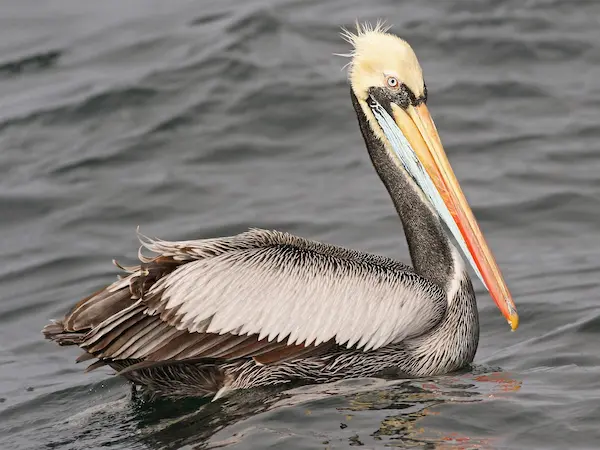
2. Peruvian pelican
Recognizable by its large throat pouch, the Peruvian pelican glides over coastal waters to catch fish. These birds are essential to maintaining the balance of coastal ecosystems. Their feeding behavior and social dynamics provide insights into the fauna of Peru along the Pacific shoreline.

3. Sea otter
Sea otters inhabit northern coastal areas, controlling populations of marine invertebrates and contributing to ecosystem health. Their playful behavior and thick fur make them a favorite among tourists.

4. Guano-producing cormorant
These birds provide critical nutrients for the desert and local agriculture through their guano. Cormorants are social animals, often found in large colonies on rocky islands.

5. South American sea lion
Sea lions are common along rocky beaches and shorelines. They are agile swimmers but can be territorial on land, particularly during mating season.
Sierra (Andean) fauna of Peru
The Andes host some of the most unique fauna of Peru, adapted to high altitudes, cold temperatures, and rugged terrain. These species have been intertwined with human culture for centuries.
You might be interested in: What is the best time to go to Machu Picchu? Travel tips
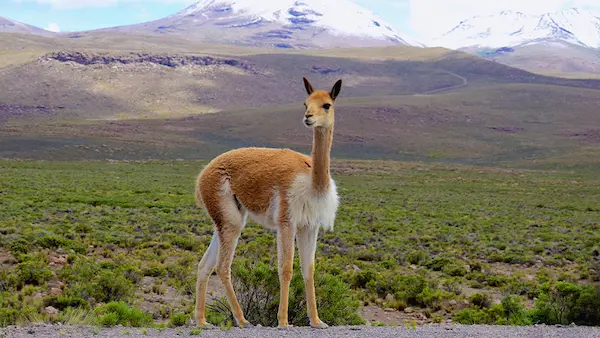
6. Vicuna
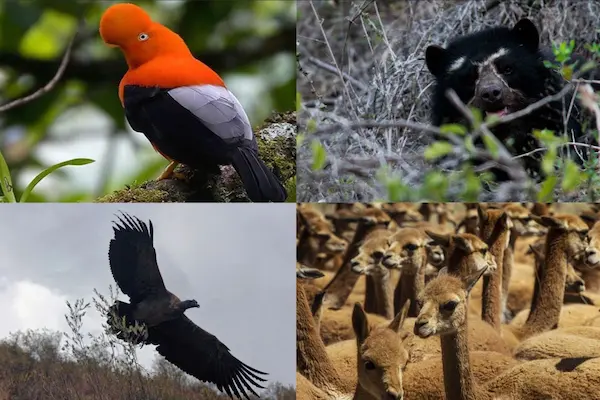
Vicunas are small relatives of llamas, adapted to high altitudes. They live in family groups and feed on native grasses. Their wool is highly prized, making conservation important.
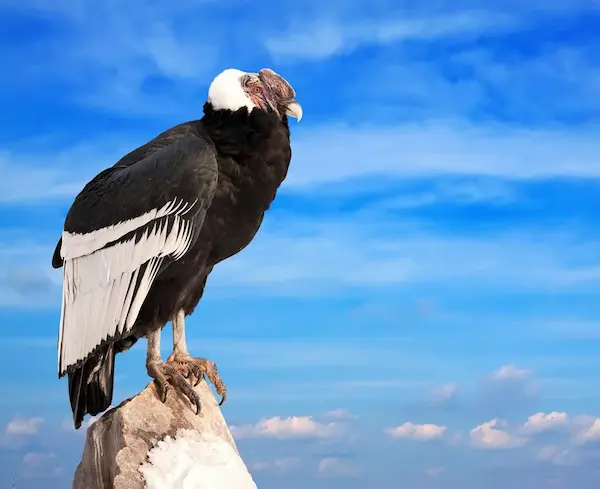
7. Andean condor
This majestic bird can soar for hours using thermal currents. Its wingspan is among the largest of any flying bird. Condors play a vital role in cleaning ecosystems by consuming carrion.
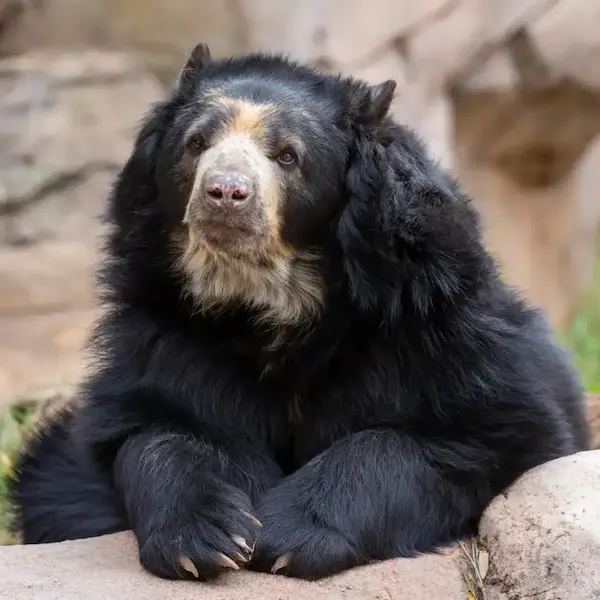
8. Spectacled bear
South America’s only bear species, the spectacled bear inhabits cloud forests and high valleys. It is mostly solitary but plays a crucial role in forest regeneration by dispersing seeds.
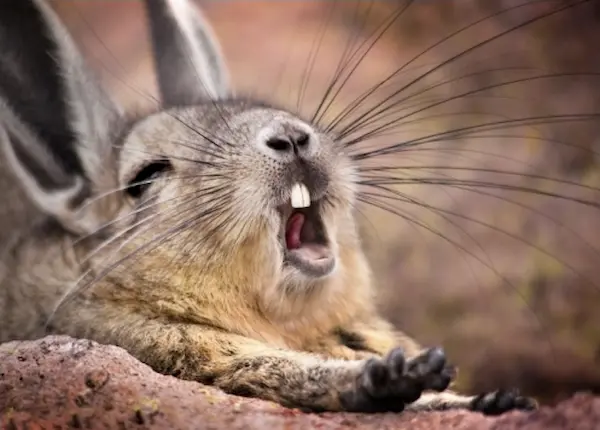
9. Mountain vizcacha
South America’s only bear species, the spectacled bear inhabits cloud forests and high valleys. It is mostly solitary but plays a crucial role in forest regeneration by dispersing seeds.
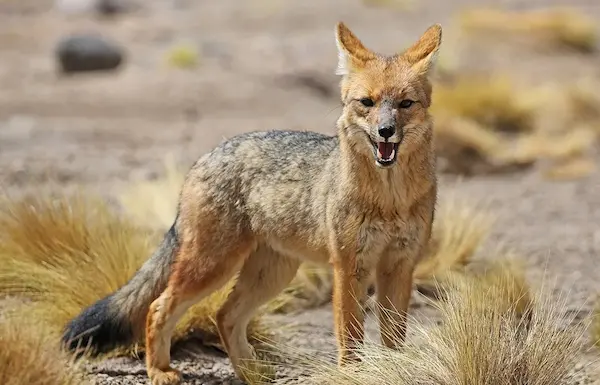
10. Andean fox (culpeo)
A solitary predator, the Andean fox helps control rodent populations. It adapts to valleys, plains, and mountainous terrain.
Jungle (Amazon) fauna of Peru
The Amazon basin is Peru’s most biodiverse region, hosting thousands of species. Observing fauna of Peru here requires patience and often guidance, as animals are elusive in dense rainforest habitats.
You may also be interested in: Is Machu Picchu Hard to Hike? A Complete Guide for Travelers
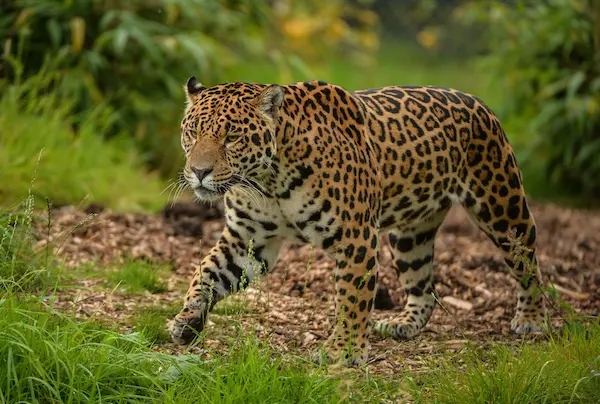
11. Jaguar
Jaguars are apex predators controlling populations of other mammals. Mostly nocturnal, they are elusive and rarely seen, making sightings remarkable.

12. Amazon river dolphin (boto)
These freshwater dolphins are famous for their pink colouration. Intelligent and social, they inhabit rivers like the Ucayali.
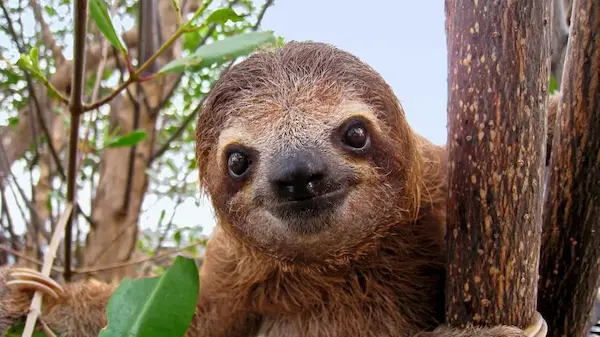
13. Sloth
Sloths spend most of their lives in the canopy, moving slowly to avoid predators. They play a role in seed dispersal and forest health.
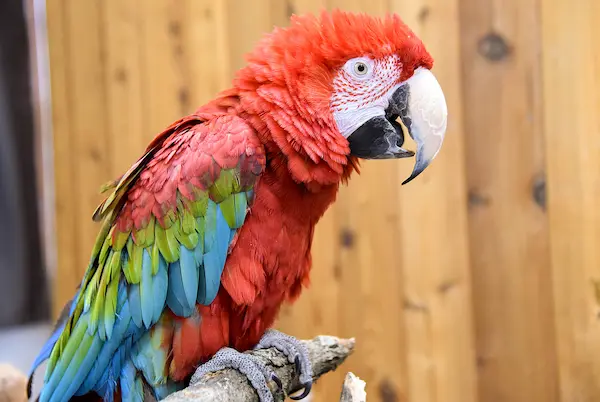
14. Macaw parrots
Vibrant macaws are highly social and intelligent. They feed on fruits and nuts, helping forest regeneration.
You may also be interested in: 8 myths and legends in the folklore of Peru you should know
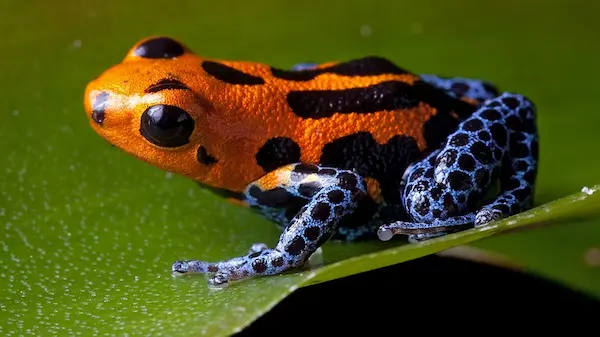
15. Poison dart frog
These small amphibians are highly toxic, using their bright colours as a warning to predators. They are integral to insect population control in the rainforest.
Conservation and endangered species
The preservation of the fauna of Peru is crucial. Many species face threats due to habitat loss, climate change, hunting, and pollution. National parks and reserves, such as Manu National Park and Pacaya-Samiria, protect endangered species while promoting responsible tourism.
Participating in guided experiences, including the 2 day inca trail, helps support eco-tourism and awareness campaigns. Tour operators educate visitors about endangered species, teaching sustainable practices that minimise human impact on wildlife.
Seasonal Behavior and Habitats
The behavior of the fauna of Peru varies with the seasons. High-altitude species migrate vertically depending on the weather, coastal species follow ocean currents, and rainforest species may be more visible during dry periods.
Understanding these patterns allows travelers to increase the chance of sightings while avoiding disruption. For example, certain parrots are easier to observe during fruiting seasons, while jaguars are primarily nocturnal. Tour operators integrate this knowledge into trekking itineraries, improving both safety and educational value.
Cultural Significance
Animals are central to Peruvian culture and mythology. Llamas and vicuñas have been domesticated and revered for centuries, while jaguars and condors appear in myths and traditional ceremonies. The fauna of Peru represents both ecological and cultural heritage.
Participating in local festivals or observing animals during guided tours provides context for these cultural connections. Tour operators often highlight stories and folklore related to wildlife, enriching the visitor experience.
Responsible wildlife observation tips
Observing the fauna of Peru can be a magical and educational experience, but it requires preparation, respect, and awareness. Tourists should understand that these animals are wild and may react unpredictably if disturbed. Maintaining a safe distance, moving slowly, and avoiding loud noises are essential practices. Responsible observation ensures the safety of both visitors and wildlife while allowing for more authentic encounters.
- Keep a distance from all wildlife
- Avoid feeding animals or altering habitats
- Use binoculars or cameras for observation
- Follow guidance from certified tour operators
- Be aware of seasonal and regional wildlife patterns
These practices not only protect the species but also ensure that future visitors can enjoy the same rich and diverse wildlife experiences in Peru. Responsible observation makes every wildlife encounter more meaningful, memorable, and safe.
Rare animal sightings in Peru
The fauna of Peru includes many elusive species rarely seen by tourists. From jaguars in the Amazon to spectacled bears in the Andes, these sightings are often highlights of eco-tourism trips. Observing these animals requires patience, timing, and guidance from local experts.
Rare sightings provide a unique opportunity to learn about animal behavior and ecological roles. For example, spotting a wild vicuña grazing on high-altitude plains demonstrates their adaptation to extreme environments. Wildlife tours organized by a trusted peru tour operator ensure encounters are both safe and educational.
Photographers and naturalists often travel specifically to capture these moments, contributing to wildlife awareness and conservation efforts. Engaging with these species responsibly helps preserve their habitats while providing unforgettable experiences for visitors.
Rare sightings and unique experiences
Rare encounters with Peru’s wildlife are unforgettable. Seeing Andean bears, river dolphins, or jaguars in the wild provides stories and photographs that cannot be replicated. These experiences reinforce the importance of preserving the fauna of Peru. Tours such as short inca trail with camping combine cultural heritage with opportunities to learn about wildlife safely.
You may also be interested in: Cusco train to Machu Picchu: the scenic journey through the heart of the Inca world
Ecological importance of the animals
The fauna of Peru plays a crucial role in maintaining ecological balance. Apex predators such as jaguars regulate prey populations, while birds like macaws aid in seed dispersal and forest regeneration. Herbivores such as vicuñas and llamas maintain grassland health and prevent overgrowth.
Each species contributes to ecosystem stability and resilience, ensuring that Peru’s diverse habitats remain productive and balanced. Understanding these ecological interactions allows travelers to appreciate the complexity of natural systems.
Seasonal behavior and migration Patterns
Many species within the fauna of Peru display seasonal behaviors that affect when and where they can be observed. For instance, coastal birds like pelicans and cormorants follow ocean currents and breeding cycles, while Andean animals like vicuñas migrate vertically in search of optimal grazing areas.
Amazonian rainforest species may be more visible during the dry season, when rivers recede and food sources concentrate. Understanding these seasonal patterns increases the chance of observing wildlife while minimizing environmental impact.
Cultural significance of animals in Peru
The fauna of Peru is closely linked to the country’s cultural heritage. Llamas, vicuñas, jaguars, and condors appear in myths, art, and traditional ceremonies. These animals symbolize strength, adaptability, and spiritual guidance, reflecting their importance beyond ecological roles.
Traditional communities often incorporate animals into rituals and festivals, highlighting the intertwining of natural and cultural landscapes. Learning about these practices during guided tours enhances understanding of Peru’s rich heritage.
Protecting Peru’s wildlife for future generations
The fauna of Peru is a remarkable testament to the country’s ecological diversity, spanning the coast, Andes, and Amazon rainforest. From Humboldt penguins along the rugged coastline to majestic Andean condors and elusive jaguars in the rainforest, each species represents a unique adaptation to its environment. Observing these animals responsibly allows travelers to connect with nature on a deeper level while learning about their behavior, habitats, and ecological roles.
Preserving is essential for maintaining ecological balance, cultural heritage, and sustainable tourism opportunities. By respecting natural habitats, following responsible observation practices, and participating in conservation efforts, travelers help ensure that these incredible species continue to thrive for generations of visitors and locals alike.

