
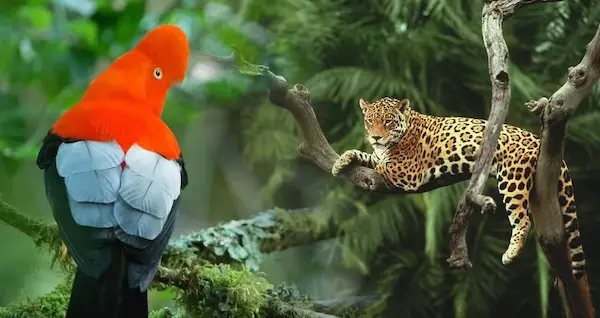
Peru is globally recognized for its ancient civilizations, breathtaking landscapes, and rich biodiversity. However, beyond its famous landmarks lies a deep connection between wildlife and cultural identity. The national animals of Peru are not only biological symbols but also representations of heritage, history, and ecological diversity.
These animals reflect the country’s unique geography, which ranges from the Andes mountains to the Amazon rainforest. Each species represents a different ecosystem and plays a role in shaping Peru’s natural identity. For travelers, understanding these animals adds a deeper layer to the experience of exploring the country.
Many visitors rely on a Peru Tour Operator to access remote regions where these animals can be observed in their natural habitats, combining education with adventure in a meaningful way.
What are the national animals of Peru
The national animals of Peru include three iconic species, each representing a different category and ecological zone. These animals are deeply embedded in Peruvian culture and are recognized both nationally and internationally.
- The vicuña (national animal)
- The Andean cock-of-the-rock (national bird)
- The taruca (national mammal of the highlands)
Each of these species symbolizes resilience, adaptation, and the diversity of Peru’s ecosystems. They are not only important from a biological perspective but also hold cultural and historical significance dating back to pre-Columbian times.
Understanding these animals provides insight into how Peru values its natural resources and biodiversity.
Also you can be interest in: History of Sacsayhuamán for first time visitors
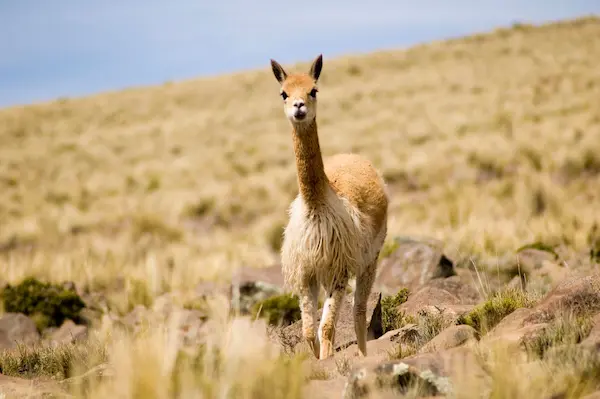
1. The vicuña: symbol of heritage among
The vicuña is perhaps the most recognized among the national animals of Peru. This elegant camelid inhabits the high-altitude regions of the Andes and is known for producing one of the finest fibers in the world.
Historically, the vicuña was considered sacred by the Inca civilization. Its wool was reserved exclusively for royalty, and strict regulations were enforced to protect the species. Today, conservation efforts have allowed the population to recover, making it a success story in wildlife preservation.
Travelers visiting highland regions often have the opportunity to see vicuñas roaming freely. Their presence is a reminder of the balance between cultural respect and environmental conservation.
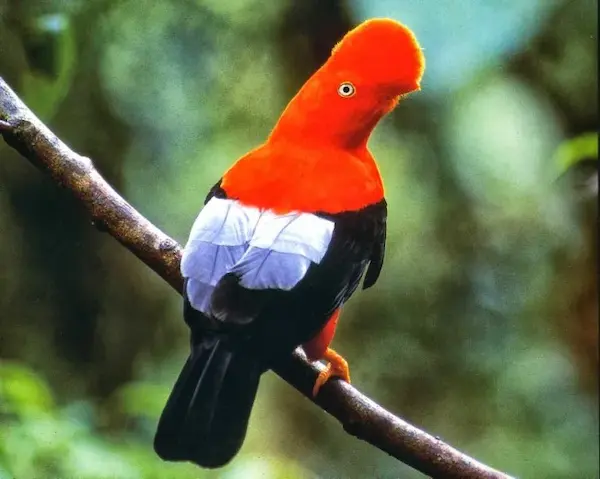
2. The cock of the rock: an iconic bird
The Andean cock-of-the-rock is the national bird of Peru and one of the most visually striking species in South America. Known for its vibrant red and orange plumage, this bird inhabits cloud forests along the eastern slopes of the Andes.
Its behavior is equally fascinating. Males perform elaborate courtship displays to attract females, creating a unique spectacle that draws birdwatchers from around the world. These displays take place in specific areas known as leks, where multiple males gather to compete for attention.
Also you can be interest in: Cusco adventure travel for beginners
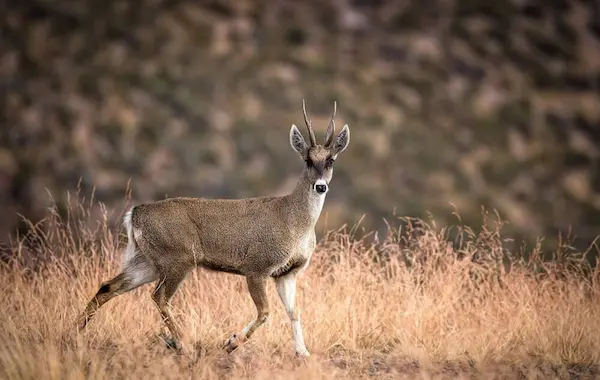
3. The taruca: highland deer among
The taruca, also known as the Andean deer, is another important member of the national animals of Peru. It inhabits rugged mountainous regions and is well adapted to harsh environments.
This species plays a crucial role in maintaining ecological balance within its habitat. As a herbivore, it contributes to vegetation control and supports the overall health of the ecosystem.
Although less commonly seen than other animals, spotting a taruca is a rewarding experience for travelers exploring remote Andean landscapes. Its presence highlights the importance of preserving lesser-known species.
Where to see national animals of Peru in their natural habitat
One of the most exciting aspects of learning about the national animals of Peru is the opportunity to observe them in the wild. The country offers numerous locations where travelers can connect with nature and witness these species firsthand.
High-altitude regions, cloud forests, and protected reserves are ideal environments for wildlife observation. Routes such as the Waqrapukara trek full day provide access to remote landscapes where animals like the taruca and vicuña can be seen.
Best practices for wildlife encounters in Peru
Experiencing wildlife in Peru can be one of the most rewarding aspects of any trip, especially when done responsibly and with proper preparation. Encounters with animals in their natural habitat require awareness, patience, and respect for both the environment and the species being observed.
Travelers should understand that wildlife observation is not about getting as close as possible, but about appreciating animals without altering their natural behavior. Maintaining distance and avoiding sudden movements are essential to ensure a safe and ethical experience.
Some key recommendations include:
- Respect natural distances and avoid direct interaction
- Use binoculars or zoom lenses instead of approaching animals
- Follow the guidance of local guides and experts
- Avoid loud noises that may disturb wildlife
- Stay on designated trails to protect ecosystems
By following these practices, travelers not only improve their own experience but also contribute to the preservation of Peru’s natural environments, ensuring that future visitors can enjoy the same unique encounters.
Exploring Peru through trekking and wildlife observation
Trekking is one of the best ways to experience the national animals of Peru while exploring diverse ecosystems. Walking through different terrains provides a deeper understanding of how these species interact with their environment.
Iconic routes like the Classic Inca Trail 4 days not only lead to historical sites but also pass through areas rich in biodiversity. Along the way, travelers may encounter various species and landscapes that reflect the country’s ecological diversity.
You may also like: Fishing in the amazon river of Perú

The role of national animals of Peru in conservation efforts
The national animals of Peru play a key role in raising awareness about conservation and environmental protection. These species serve as ambassadors for broader ecological initiatives aimed at preserving biodiversity.
Government programs and local communities work together to protect natural habitats and promote sustainable tourism. This collaborative approach ensures that wildlife can thrive while still allowing visitors to experience Peru’s natural beauty.
By learning about these animals, travelers become more aware of the importance of conservation and the impact of their actions on the environment.
Cultural symbolism behind them
Beyond their ecological importance, the national animals of Peru hold deep cultural meaning. They are often featured in traditional art, textiles, and folklore, representing values such as strength, harmony, and resilience.
The vicuña, for example, symbolizes nobility and purity, while the cock-of-the-rock represents vitality and energy. The taruca reflects adaptability and survival in challenging environments.
How national animals of Peru enhance the travel experience
For many travelers, these experiences create lasting memories and foster a deeper connection with the destination.
Seeing wildlife in its natural habitat provides a sense of authenticity that cannot be replicated in urban settings. It allows travelers to appreciate the complexity of ecosystems and the importance of preserving them.
Challenges facing today
Habitat loss, climate change, and human activity continue to impact wildlife populations. Protecting these species requires continuous effort and awareness. Sustainable tourism plays a crucial role in supporting conservation initiatives while minimizing environmental impact.
National animals of Peru and their role in indigenous traditions
They are deeply connected to indigenous traditions that date back thousands of years. Many Andean communities view these animals not just as part of nature, but as spiritual symbols linked to the earth and the cosmos. This connection is reflected in rituals, ceremonies, and oral traditions passed down through generations.
For example, the vicuña has long been associated with purity and respect for nature, while other animals are linked to protection and balance. These meanings are still present today in cultural practices and local beliefs.
Understanding this perspective allows travelers to see wildlife not only as biological species, but as part of a living cultural system that continues to shape Peruvian identity.
Biodiversity hotspots where national animals of Peru thrive
Peru is considered one of the most biodiverse countries in the world, making it an ideal place to observe them in their natural environments. The country’s varied geography creates multiple ecosystems where these species can thrive.
Key regions include:
- The Andes mountains
- Cloud forests
- High-altitude plains
- Protected natural reserves
Each of these areas offers unique opportunities to encounter wildlife while experiencing different landscapes. Exploring these biodiversity hotspots provides a broader understanding of how Peru’s ecosystems function and support life.
Photography and wildlife observation of national animals of Peru
For travelers interested in photography, this offer incredible opportunities to capture unique moments in nature. The combination of dramatic landscapes and distinctive species creates ideal conditions for wildlife photography.
Patience and respect for the environment are essential when observing animals. Maintaining distance and avoiding disturbance ensures that wildlife can continue its natural behavior without stress.
Many travelers plan their trips specifically around wildlife observation, combining trekking routes with photography experiences to document Peru’s natural beauty.
Responsible tourism and protection of national animals of Peru
Responsible tourism plays a crucial role in protecting these animals and their habitats. As tourism continues to grow, it is important to ensure that travel activities do not negatively impact wildlife.
Visitors are encouraged to follow guidelines such as:
- Respecting natural habitats
- Avoiding feeding or disturbing animals
- Supporting eco-friendly tours
- Choosing sustainable operators
By adopting responsible practices, travelers contribute to conservation efforts and help preserve Peru’s biodiversity for future generations.
You may also like: Travel inspiration: How to plan a trip to Machu Picchu
Final thoughts on national animals of Peru
The national animals of Peru represent more than just wildlife—they embody the country’s cultural heritage, ecological diversity, and commitment to conservation. Understanding their significance enriches the travel experience and provides a deeper appreciation for Peru’s natural world.
Exploring these species in their natural habitats allows travelers to connect with the environment in a meaningful way. Whether through trekking, guided tours, or independent exploration, each encounter offers valuable insight into the country’s biodiversity.

