
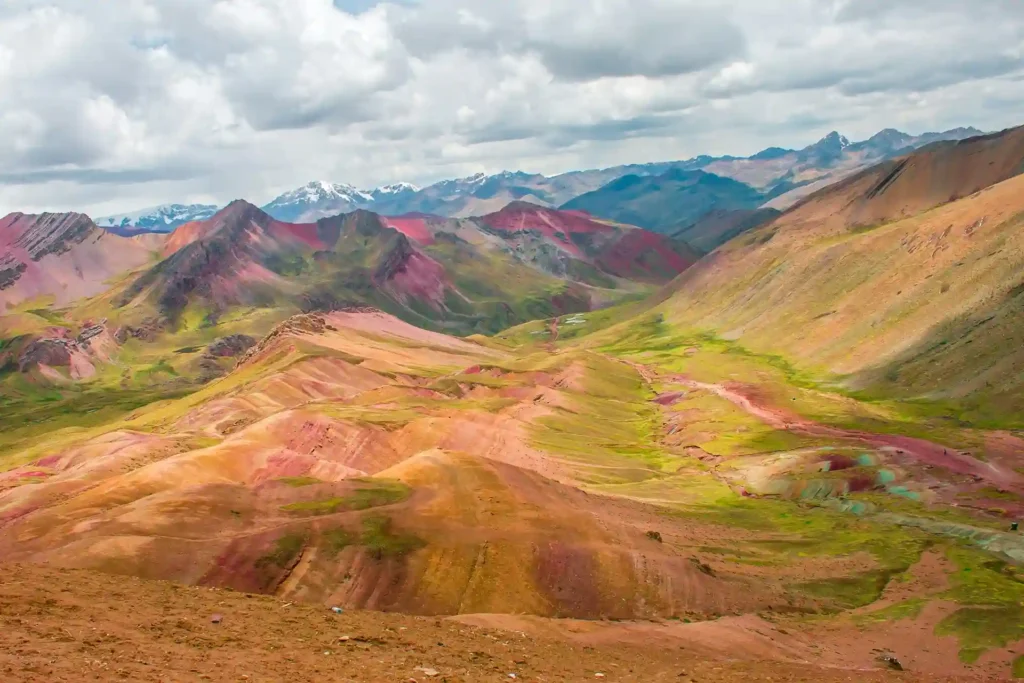
The Andean roads represent one of Peru’s greatest cultural and tourist treasures. Beyond being ancient routes created by the Inca Empire, they are a living testament to a civilization that managed to connect vast territories, from the coast to the jungle, traversing mountains, valleys, and rivers. Today, these roads are valued not only for their historical importance but also because they have become cultural and adventure tourism experiences that attract thousands of travelers each year.
Talking about Andean roads means talking about tradition, history, and tourism. Through them, it is possible to relive the grandeur of the Qhapaq Ñan the network of Inca trails declared a World Heritage Site by UNESCO and, at the same time, enjoy unique landscapes, vibrant communities, and routes that combine the past with the present. This article explores the legacy of these trails and how they are part of Peru’s tourism offering today.
You may also like to read: Experiential travel in Peru: A journey between memory and meaning

The origin and legacy of the Andean roads.
The Andean roads were built by the Incas as a communication and connection network that stretched more than 30,000 kilometers across South America. This road system not only connected Cusco with the regions of present-day Peru, but also with what we know today as Bolivia, Chile, Argentina, Colombia, and Ecuador. The importance of these routes lay in the fact that they allowed them to maintain political, economic, and military control over such a vast empire.
Each section of the Andean roads had a specific purpose: some served to transport armies, others to trade food or textiles, and many had religious purposes, connecting with sanctuaries and sacred sites in the Andes. Their construction was notable for the precision with which they adapted to the environment, with suspension bridges, stairways, and retaining walls that still amaze engineers and architects today.
The Cultural Importance of the Qhapaq Ñan
The Qhapaq Ñan, known as the Great Inca Road, is the most impressive example of Andean roads. This system was not only a means of transportation but also a reflection of the Andean worldview: it connected people, united communities, and linked the land to the divine. The road was considered a sacred space, and traveling it implied respect and spiritual connection.
Today, traveling the Qhapaq Ñan is a way to relive that grandeur. Different sections have been restored and improved, allowing tourists to experience what it was like to travel during the Inca Empire. This experience offers not only a physical journey but also a symbolic journey through Andean culture.
Living Heritage in Today’s Communities
Andean roads are not just archaeological remains; in many areas, they are still used by local communities for travel, exchanging goods, or celebrating festivals. In villages in Cusco, Ayacucho, and Apurímac, farmers can still be seen traveling these routes with their pack animals, keeping alive a tradition that’s more than 500 years old.
Tourism has also benefited these communities. Through experiential tourism, travelers can stay in rural houses, participate in traditional agriculture, or share ancestral meals, all while hiking Andean roads. This cultural interaction enriches the visitor experience and strengthens local identity.
You may also like to read: Routes and Secrets of the Peruvian Amazon Jungle
Andean roads and Cultural Tourism in Peru
Today, the Andean roads have become a driving force for cultural tourism. Thousands of visitors come each year to explore them, whether for their historical value, the landscapes they traverse, or the cultural experiences they offer. Peru has successfully integrated these trails into its tourism offerings, turning them into a window into its past and present.
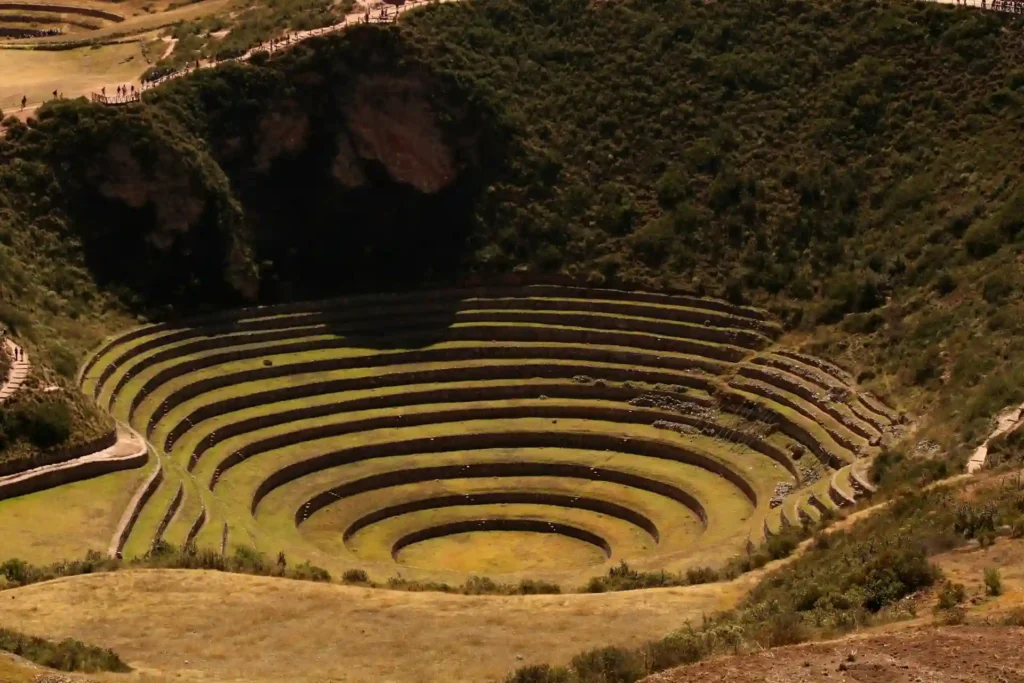
Travelers who travel the Andean roads can discover Inca fortresses, temples, and terraced cultivation centers that are still standing. These tours combine archaeological interest with the enjoyment of nature, in a setting where mountains, rivers, and snow-capped mountains are part of the backdrop.
Machu Picchu and the Inca Trail
One of the most famous sections of the Andean roads is the Inca Trail to Machu Picchu. This route, considered one of the most spectacular in the world, allows visitors to reach the sacred citadel on foot, just as the Incas did. For those short on time, there’s the option of the 1 day Inca Trail, an experience that condenses the essence of the trail into a single day, combining nature, history, and adventure.
This route is so popular that permits often sell out months in advance. However, the experience of reaching Machu Picchu via the Andean roads offers a unique sense of connection with the past, something that is difficult to achieve any other way.
Experiential Tourism in the Andes
Beyond Machu Picchu, other sections of the Andean roads offer experiential tourism experiences. Communities in the Sacred Valley and high Andean regions invite travelers to share everyday activities such as weaving, harvesting potatoes, or preparing traditional dishes. This type of tourism allows visitors to gain a deeper understanding of the Andean cultural legacy.
The combination of history, landscapes, and hospitality makes the Andean roads a comprehensive tourist attraction, where you not only walk along ancient routes but also experience the living heritage of the people who still maintain them.
Andean roads and Adventure Tourism
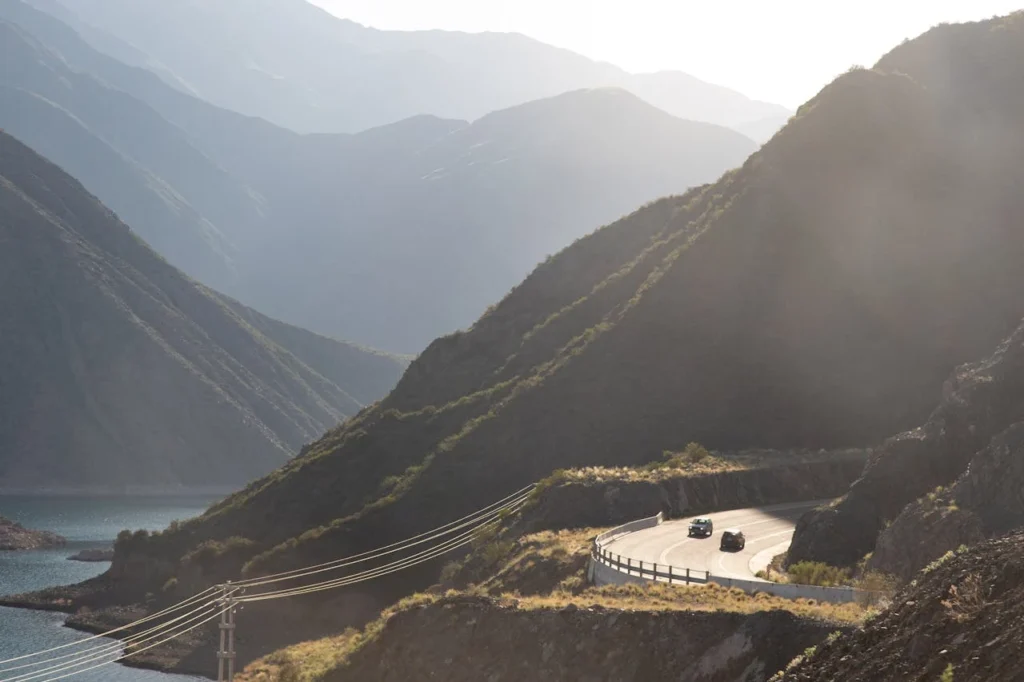
Besides their cultural aspects, the Andean roads are ideal settings for adventure tourism. Trekking, long hikes, and high-mountain routes are among the attractions that attract thousands of adventurers each year. These trails traverse varied climates, from cold paramos to jungle areas, offering spectacular scenery along each stretch.
Adventure tourism on the Andean roads has established itself as one of the main reasons for traveling to Peru. Many tourists seek challenging routes that allow them not only to exercise physically, but also to experience a transformative experience through contact with nature and culture.
The Salkantay Trek: An Alternative to the Inca Trail
The Salkantay Trek 4 day has established itself as one of the best alternatives to the classic Inca Trail. This route, which is also part of the Andean roads, combines passages through imposing snow-capped mountains, crystal-clear lagoons, and jungle canopy before reaching Machu Picchu.
Unlike the Inca Trail, this route has fewer capacity restrictions, making it a more accessible option. Travelers who hike it highlight the beauty of its landscapes and the intensity of the experience. It is undoubtedly an example of how Andean roads continue to adapt to modern tourism.
Lesser-known trails and their tourism potential
While Machu Picchu and Salkantay are the most popular sections, there are many other less-explored Andean roads that offer authentic experiences. Trails in the Lares, Vilcabamba, and Choquequirao regions are ideal alternatives for those looking to escape mass tourism and enjoy more secluded landscapes.
These trails, although lesser-known, have great tourism potential. They offer a more intimate experience of the Andean world, combining history, nature, and contact with local communities.
Nature and Biodiversity on the Andean roads
Unique Landscapes of the Andes
Traveling the Andean roads is like encountering some of the most impressive geography on the planet. From towering snow-capped mountains to deep valleys and gorges, each section of the route offers a different visual spectacle. Travelers can admire turquoise lagoons, ancient agricultural terraces, and snow-capped peaks that have been sacred to Andean cultures since ancient times.
These landscapes attract not only for their beauty but also for their diversity. The Andean roads cross varied ecosystems, where the climate and vegetation change in just a few hours of walking. This contrast turns the experience into a journey through different “lands” that reveal Peru’s natural richness.
Flora and Fauna Along the Way
The Andean roads are also a refuge for extraordinary flora and fauna. Along the way, you can observe birds such as the Andean condor, a symbol of freedom and spirituality, as well as unique species such as the vizcacha and the taruca, an endangered Andean deer. The vegetation ranges from ichu, the golden highland grass, to cloud forests filled with orchids and ferns.
This biodiversity makes the Andean roads a perfect setting for ecotourism. Hiking these routes not only allows you to admire nature but also raises awareness about the importance of its conservation. Thus, the experience becomes a journey of connection and respect for the natural environment.
Andean roads and sustainability in tourism
One of the main challenges today is keeping Andean roads in good condition and ensuring that tourism does not damage them. The constant flow of visitors, combined with climatic factors, can cause wear and tear on these routes, which are World Heritage Sites. Therefore, sustainable tourism is increasingly being promoted.
Sustainable tourism on Andean roads involves respecting the environment, valuing local communities, and preserving historical heritage. For travelers, this means choosing responsible operators, minimizing environmental impact, and making a positive contribution to local economies.
The Role of Tour Operators
Here, the work of a good Peru Tour Operator becomes important, capable of guaranteeing authentic and responsible experiences. It’s not just about organizing a trip, but also offering a service that respects local culture, cares for the environment, and values Andean roads as cultural heritage.
Choosing an operator that works with local guides, supports communities, and has sustainable practices is essential to ensure these routes can continue to be enjoyed by future generations.
Traveling with Cultural Awareness
Tourism on Andean roads should not only be physical, but also cultural. It is essential for travelers to understand the symbolic importance of these routes for the Andean people. Walking them means connecting with history, but also respecting the traditions and beliefs that still live on.
Participating in rituals such as paying homage to the land or learning a few words in Quechua are simple ways to honor the Andean worldview and enrich the travel experience. Thus, Andean roads become a bridge between cultures and times.
You may also like to read: The Best Trekking in Peru: Routes, Tips, and Unique Experiences
Community-based tourism on the Andean roads
Experiences with local communities
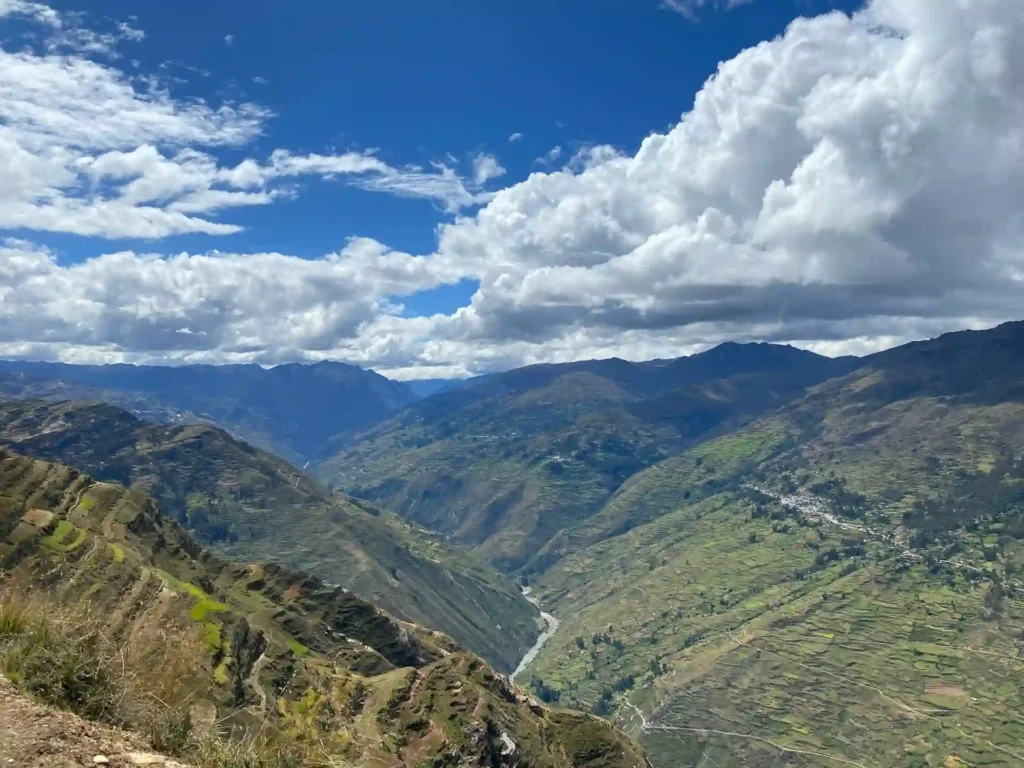
The Andean roads are not only historic routes; they are also the setting for rural communities to open their doors to travelers. These experiences allow visitors to gain a close understanding of their daily lives, traditional agriculture, artisanal textiles, and customs passed down for generations. Sharing time with Andean families along the way transforms the trip beyond tourism and into a profound cultural exchange.
Furthermore, this type of tourism strengthens the sustainability of the Andean roads , as direct economic income reaches the communities. Travelers not only walk through spectacular landscapes but also contribute to preserving traditions and fostering appreciation for Andean cultural identity.
Gastronomy and Living Traditions
A highly valued aspect of community-based tourism on the Andean roads is the opportunity to sample local cuisine. Dishes made with farm products, such as native potatoes, quinoa, and corn, offer authentic flavors that reflect the history of the Andes. Many travelers discover the connection between the land, spirituality, and food through these experiences.
Likewise, local festivals and traditional ceremonies enrich the journey. Travelers who participate in rituals to Pachamama or community celebrations understand that Andean roads are more than physical routes: they are bridges to the Andean worldview, where nature, community, and spirituality form an inseparable whole.

Conclusion: Andean roads as a journey to the past and present
Andean roads are not just paths; they are part of Peru’s identity and an invaluable legacy of the Inca Empire. Their importance transcends history, as they have become spaces for cultural encounters, adventure destinations, and routes that promote sustainable tourism. They embody centuries of knowledge, effort, and connection with the land, making them living testimonies of a civilization that understood harmony with nature.
Today, traveling the Andean roads means traveling back in time, from the grandeur of the Incas to the cultural richness of the present-day Andes. Whether on a short hike to Machu Picchu, a trek through Salkantay, or an experiential tour with local communities, every step along these trails is an opportunity to connect with history and with oneself. Each journey becomes a reminder that walking the Andes is also walking through layers of memory, tradition, and resilience.
Peru, thanks to its Andean trails, offers travelers much more than a tourist destination: it offers them the opportunity to live a profound experience, where past and present come together on a single path. For some, it is an adventure; for others, a spiritual retreat; but for everyone, it is a chance to understand that the Andes are not just a geography—they are a way of life. In this sense, the Andean trails will continue to be bridges that link cultures, time, and people, inviting each traveler to discover the essence of Peru in every step taken.

