

The Peruvian Amazon Jungle is one of the planet’s most impressive natural treasures. Known as the “green lung of the world,” this vast ecosystem not only houses thousands of species of flora and fauna, but also ancient cultures that have learned to coexist in harmony with nature. Covering a large part of the country, the Peruvian Amazon represents almost 60% of the country, making it an ideal destination for lovers of adventure, biodiversity, and a spiritual connection with the environment.
In this blog, you’ll discover the routes and secrets that make the Peruvian Amazon Jungle unique, answering common questions about its location, safety, tourist activities, and interesting facts. We’ll also show you accommodation options in Tambopata, the best guided tours in the Amazon, and unmissable experiences like a trek through the Inca jungle.
You may also like to read: Travel to Peru in september
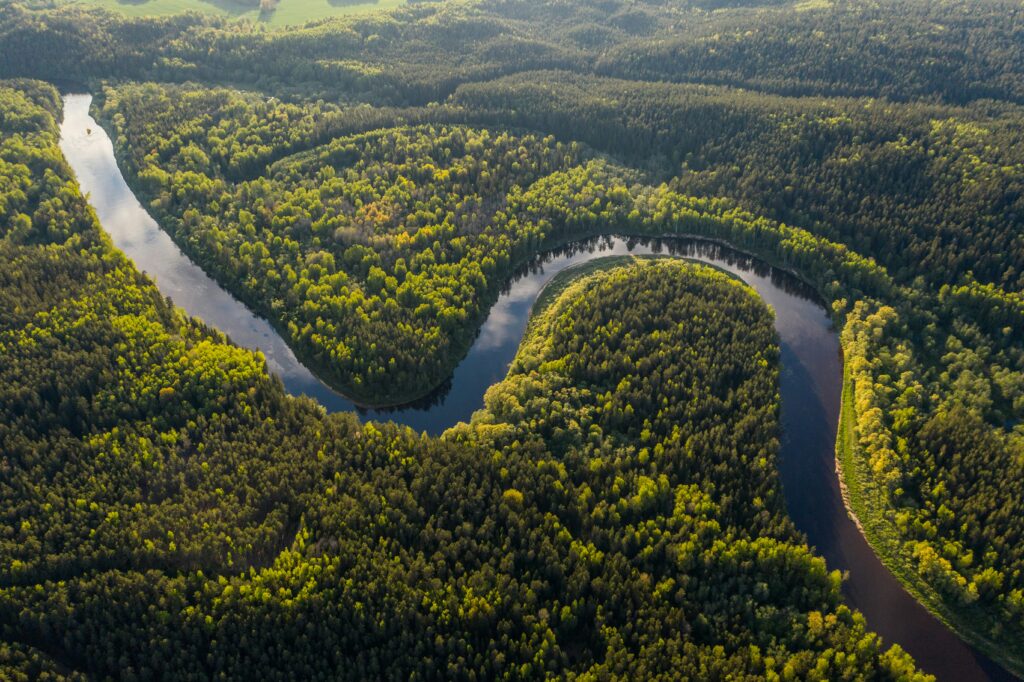
Where is the Peruvian amazon jungle?
The Peruvian Amazon Jungle is located in the eastern part of the country, forming part of the great Amazon Basin, the most voluminous river system on Earth. This vast region covers approximately 782,000 km², occupying almost 60% of the national territory. Despite its size, only a small percentage of the Peruvian population lives there, making the Amazon a territory with a low population density but extremely rich in natural and cultural resources.
Geographically, it is divided into two large zones:
- High Jungle or jungle edge: Located in the foothills of the Andes, with mountainous landscapes, fast-flowing rivers, and a temperate-humid climate. It is known for its abundance of waterfalls and cloud forests.
- Low Jungle: The true Peruvian Amazon Jungle , characterized by floodplains, dense forests, and the course of the Amazon River and its tributaries. It is the largest and most biodiverse area.
Main regions of the Amazon Jungle in Peru
- Loreto: This is the largest Amazon region and home to Iquitos, a city only accessible by air or river. Many expeditions depart from here to nature reserves such as Pacaya Samiria, a biodiversity sanctuary.
- Madre de Dios: Known as the biodiversity capital of Peru, this region is home to the Tambopata National Reserve and Manu National Park, two of the most important protected areas in the world. This is also the region where the renowned Tambopata lodges stand out, perfect for enjoying the jungle in direct contact with nature.
- Ucayali: With Pucallpa as its main city, this is an area that blends Amazonian culture, commerce, and nature reserves.
- San Martín and Amazonas: These regions, to the north, are part of the Jungle and are known for their waterfalls, orchids, and mountainous landscapes.
Accessible cities to the Peruvian Amazon Jungle
- Iquitos (Loreto): Considered the capital of the Peruvian Amazon, river trips along the Amazon depart from here, ideal for those seeking an authentic and cultural experience.
- Puerto Maldonado (Madre de Dios): This is one of the most important entry points for ecotourism, especially for those looking to stay in Tambopata lodges and explore reserves like Tambopata and Manu.
- Tarapoto (San Martín): Gateway to the edge of the jungle, ideal for those seeking waterfalls, short hikes, and connection with local communities.
The Amazon’s location makes each experience unique: while Iquitos is dominated by riverside life, Madre de Dios is dominated by eco-lodges and conservation.
You may also like to read: Travel to Peru in september

Is the Amazon in Peru dangerous?
One of the most common questions among travelers is whether visiting the Peruvian Amazon Jungle poses a risk. The reality is no, as long as you take the necessary precautions and travel with licensed guides.
The Amazon is a wild place, but that doesn’t mean it’s dangerous. Animals tend to avoid human contact, and local communities are mostly welcoming and hospitable. The greatest risk is usually related to not following safety guidelines, such as staying away from campsites or not using repellent in mosquito-prone areas.
Safety Recommendations for Travelers
- Vaccinations and Medical Prevention: A yellow fever vaccination is recommended before traveling, and mosquito repellent is also recommended. In some cases, preventive medication against malaria is also recommended.
- Appropriate Equipment and Clothing: Long-sleeved shirts, lightweight pants, hiking boots, and hats are essential for traveling comfortably through the jungle.
Myths and Facts About Danger
Myth: “The jungle is full of dangerous animals that attack humans.”
Reality: Animals generally avoid contact with people. Guides know how to observe them safely and responsibly.
Myth: “Indigenous communities are hostile.”
Fact: Most communities are hospitable and proudly share their culture, welcoming visitors as friends.
Ultimately, the Peruvian Amazon Jungle is a safe destination if you respect the environment and follow local recommendations.
You may also like to read: Cusco tourist ticket: Complete guide 2025
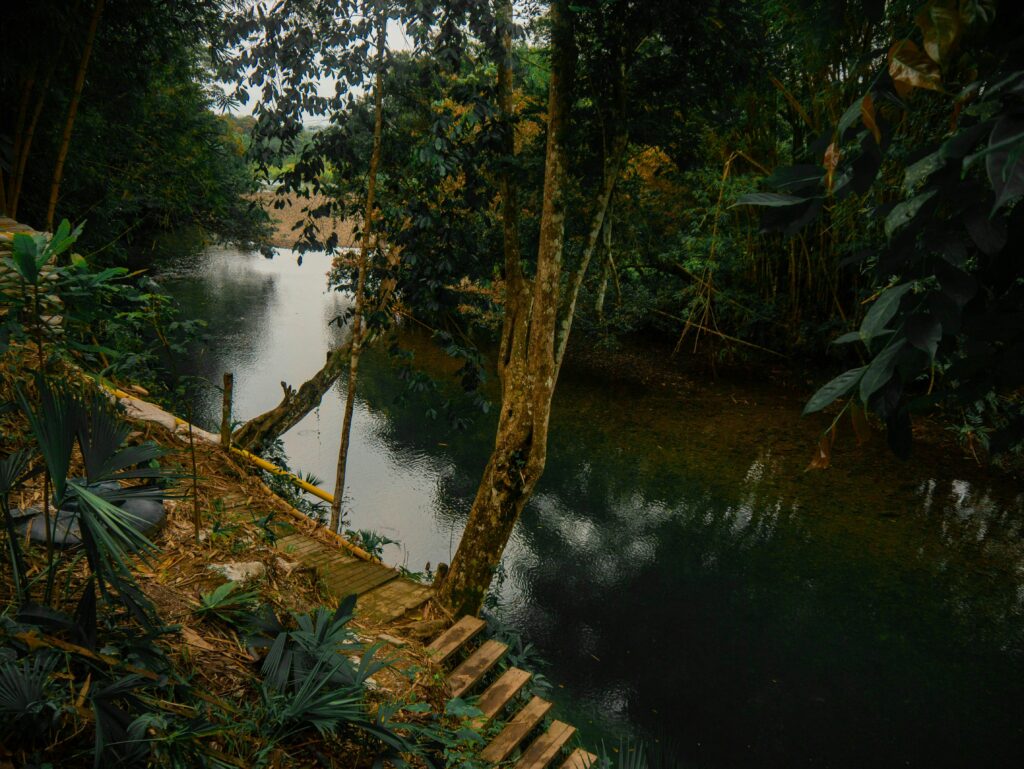
Unique Experiences in the Peruvian Amazon Jungle
The Peruvian Amazon Jungle is not only a destination for contemplation; it is also a space for experiences that transform the way we understand the relationship between humans and nature. Here, experiences that combine adventure, culture, and sustainability are highlighted.
Tambopata Lodges
Located in Madre de Dios, Tambopata Lodges are ecolodges that allow visitors to sleep in the middle of the jungle without sacrificing comfort. These spaces are designed to blend into the natural environment, using sustainable materials and promoting conservation.
A notable example is the Amazon Garden Lodge, a lodge that combines comfort with authentic jungle experiences. Its bungalows, surrounded by vegetation, offer direct views of the Amazonian environment and also allow visitors to participate in guided hikes, birdwatching, and conservation activities.
Travelers can wake up to the sounds of hundreds of birds, sail at dawn to observe giant otters, or walk on suspension bridges through the trees. Additionally, many of these lodges offer educational programs that explain how tourism can contribute to preserving the Amazon.
Tambopata Lodges are perfect for those looking to disconnect from the urban noise and reconnect with the essential: nature.
Guided Tours of the Amazon
Guided tours of the Amazon are the most enriching way to explore the jungle. Local guides, many of whom belong to native communities, not only guide visitors but also share ancestral knowledge about medicinal plants, animals, and mythologies.
Common activities on these tours include:
- Bird and wildlife watching: parrots, macaws, toucans, monkeys, and, if you’re lucky, jaguars.
- Night walks: to discover how the jungle changes when darkness falls.
- Interaction with indigenous communities: experiences that allow you to learn about local dances, songs, and customs.
This type of tourism fosters a respectful connection with the environment and generates income for Amazonian communities, encouraging ecosystem protection.
Inca jungle trail
One of the most fascinating experiences for adventure lovers is inca jungle trail. This tour connects the Andes with the Amazon Jungle , traversing ancient trails used by the Incas to connect their empire.
During this hike, travelers move from mountainous landscapes to dense Amazonian vegetation, discovering waterfalls, coffee and cacao plantations, and villages that still preserve Andean and Amazonian traditions.
In addition to its historical value, Inca Jungle Trail offers unique exposure to biodiversity: multicolored butterflies, tropical birds, and medicinal plants that have been part of the Inca and Amazonian worldview.
You may also like to read: Amazon Garden Lodge: Best Amazon travel agency
Secrets of the Peruvian Amazon Jungle
The Peruvian Amazon Jungle holds countless secrets that aren’t always revealed in tourist guides. It is a place of mystery, spirituality, and living science, where every corner has something to reveal. These secrets range from little-known archaeological discoveries to the ancestral knowledge of communities that have learned to coexist with the Jungle since time immemorial.
Secrets of Hidden Biodiversity
One of the great wonders of the Peruvian Amazon Jungle is that it is still a little-explored territory. Scientists estimate that millions of species live in the Amazon, many of which have yet to be recorded.
- Secret Medicinal Plants: Indigenous peoples know of more than 1,300 species of plants with healing properties. Many of them have not yet been studied by modern science, but are used daily to treat illnesses.
- Invisible Animals: There are nocturnal species like the black jaguar or tiny amphibians that are rarely seen. Only on guided tours of the Amazon can you discover these mysterious inhabitants of the jungle.
Secrets of Amazonian Cultures
The Jungle is not only nature; it is also a living culture. The secrets of the indigenous worldview are part of what makes the Amazon experience unique.
- Shamanic knowledge: Amazonian healers are guardians of ancestral rituals that use plants like ayahuasca to connect the body, mind, and spirit. This knowledge is passed down from generation to generation and is one of Peru’s great cultural treasures.
- Hidden languages: More than 40 indigenous languages are spoken in the Amazon, many of them in danger of disappearing. Each language holds a secret of the natural world, with unique names and classifications for plants and animals that Western science still doesn’t fully understand.
Archaeological secrets in the jungle
Few people know that, in addition to biodiversity, the Peruvian Amazon Jungle also hides remains of ancient civilizations.
- Geoglyphs and lost cities: In border areas with Brazil and Bolivia, enormous geometric figures carved into the earth have been discovered, comparable to the Nazca lines, but surrounded by jungle.
- Hidden Inca Trails: Inca Jungle Trail is not just a tourist experience; it’s also a journey along historic routes the Incas used to connect Cusco with the Amazon. Many of these paths have yet to be fully explored.
Secrets of the Jungle’s Nightlife
By day, the jungle dazzles with its landscapes, but at night it transforms into a completely different world.
- The Night Symphony: Millions of insects, frogs, and nocturnal birds create a natural concert that can only be understood by being there.
- Mysterious creatures: tarantulas, fruit bats, and Amazonian owls appear on night hikes. Guides tell legends that blend reality and myth, enhancing the mystique of the experience.
Secrets of Responsible Tourism
Travelers seeking authentic experiences in the Peruvian Amazon Jungle discover that tourism can be an ally of conservation.
- Tambopata Lodges: They are an example of how you can live comfortably in the Jungle without damaging it. They operate with solar energy, water treatment, and reforestation programs.
- Guided tours of the Amazon: More than a tour, they are a learning experience. The guides reveal secrets about how to navigate the Jungle simply by looking at the trees, or how to distinguish edible plants from poisonous ones.
Conclusión
The Peruvian Amazon Jungle is a destination that offers much more than verdant landscapes. It is a space where nature, culture, and adventure intertwine, creating unforgettable experiences for those who dare to explore it. From the mysteries of the Amazon River to the secrets of indigenous peoples, every corner holds a story worth telling.
Visiting this place is not only an opportunity for tourism, but also a reminder of the importance of conserving one of the most valuable ecosystems on the planet. Travelers who choose to stay in ecolodges like Tambopata Lodges, participate in guided tours of the Amazon, or experience the excitement of a hike through the Inca jungle discover that the true secret of the Jungle lies in learning to live in harmony with it.
The Peruvian Amazon invites us to marvel, respect, and protect, because in every leaf, river, and bird’s song beats the green heart of the Earth.

