
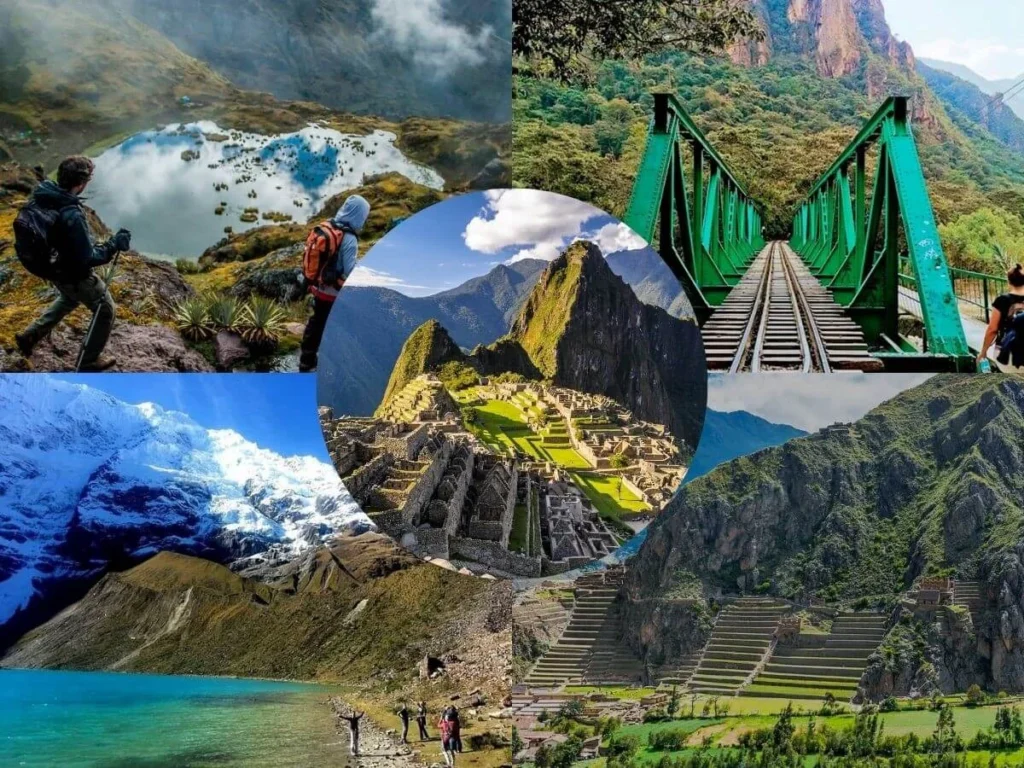
Welmome and lets talk about trekking in Peru. It means talking about adventure, history, and landscapes that look like something out of a postcard. This Andean country is considered one of the world’s most spectacular destinations for hiking lovers, thanks to its variety of trails that combine snow-capped peaks, green valleys, turquoise lakes, and ancient archaeological sites.
From short, accessible hikes perfect for beginners to diferent treks that require both fitness and adventurous spirit, trekking in Peru truly offers something for everyone. Whether your motivation is to explore nature, immerse yourself in Andean culture, or simply disconnect from daily life, you’ll always find a trail that fits your plans.
In this blog, we’ll explore the best trekking routes, the activities you can enjoy along the way, practical travel tips, and the best times of the year to live this unforgettable adventure. Take your bag and come on!
Why Choose Trekking in Peru?
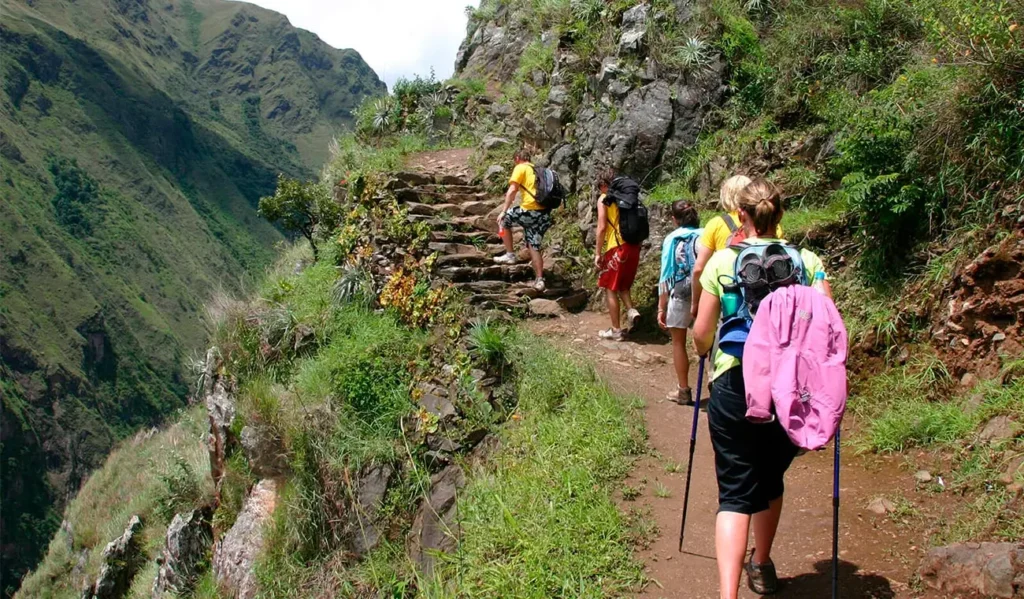
Peru is not just Machu Picchu, although it’s undoubtedly the most famous icon. What makes trekking in Peru unique is the blend of nature and living culture. you can the obtion fo Inca trail treks. Along the trails, you’ll encounter:
1. Diverse Landscapes
One of the most remarkable aspects of trekking in Peru is the sheer variety of landscapes you encounter along the way. In a single journey, you can find yourself hiking past towering Andean peaks that rise over 6,000 meters, then descending into lush valleys filled with rivers and waterfalls. Crystal-clear lakes, often tinted turquoise by mineral deposits, create postcard-perfect rest stops where trekkers can pause and absorb the beauty of the highlands. As the trail progresses, the scenery may shift into cloud forests, dense with vegetation and alive with biodiversity. These ecosystems host orchids, hummingbirds, and other unique species, turning every trek into a moving journey through some of the world’s most breathtaking natural environments.
2. Archaeology and History
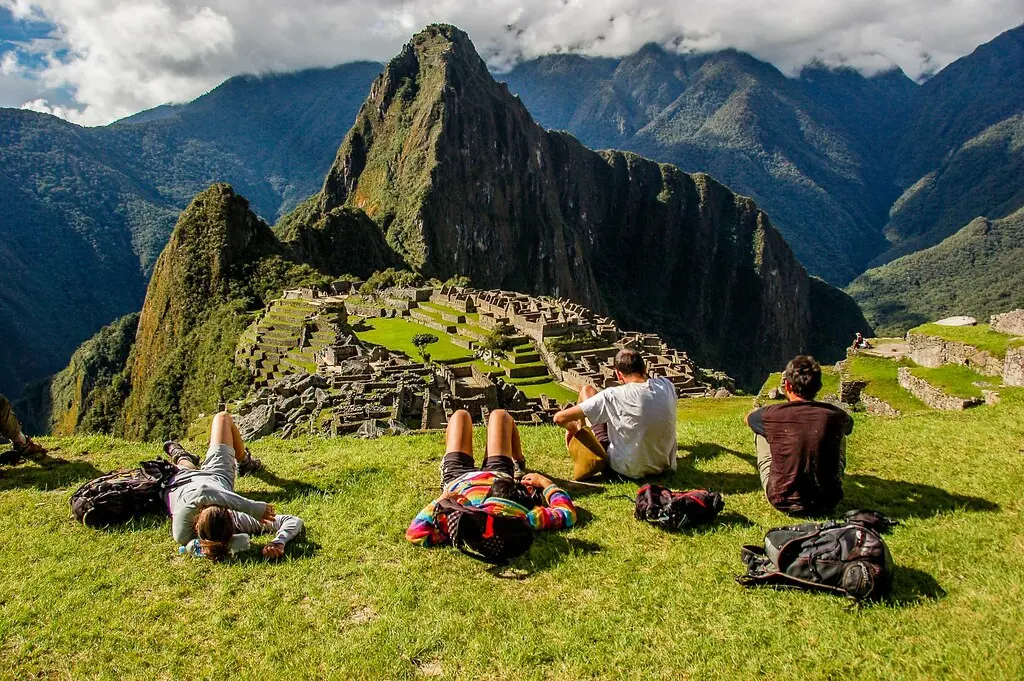
Peru is not only about nature—it is a land where history and culture are deeply embedded in the trails themselves. Many trekking routes follow the original paths laid down by the Incas hundreds of years ago. These ancient roads connected sacred sites, villages, and trade routes across the empire, and today they allow modern travelers to literally walk in the footsteps of history. Along the way, hikers often come across forgotten ruins, ceremonial platforms, or agricultural terraces, each offering a glimpse into the ingenuity and spiritual worldview of the Inca civilization. Trekking here is more than physical exercise—it’s an open-air history lesson where every stone has a story.
3. Cultural Encounters
Another unique dimension of trekking in Peru is the chance to connect with the Andean communities that still thrive in these regions. Villagers often welcome trekkers with warm hospitality, opening their homes or selling handmade textiles, ceramics, and traditional foods. These interactions allow visitors to experience a living culture that has preserved its traditions for centuries. Whether it’s sharing a meal prepared with local ingredients, learning weaving techniques, or participating in a small community festival, these cultural encounters add meaning to the journey. They transform a trek into more than just a hike. It becomes an exchange of stories, traditions, and humanity that travelers carry with them long after the trip ends.
In short, trekking in Peru is not just about walking—it’s about connecting with the heart of the Andes.
Also you can be interest in: Cusco adventure travel for beginners
Activities You Can Do During a Trek in Peru
Trekking in Peru is far from being just a hike. You can selet classic inca trail. Along the way, you can enjoy:
1. Landscape Photography
Trekking in Peru is a dream for photographers. Every trail unveils breathtaking scenery, from snow-capped glaciers glistening under the sun, to turquoise lagoons that reflect the surrounding peaks like mirrors. Rolling valleys dotted with llamas and alpacas add a touch of authenticity, while charming Andean villages showcase colorful rooftops and traditional architecture. Whether you’re a professional photographer or just someone who loves capturing moments, the landscapes here provide endless inspiration and some of the most striking backdrops in the world.
2. Camping Under the Stars
Spending the night in the middle of the Andes is an experience unlike any other. Far away from the city lights, the sky turns into a dazzling canvas filled with constellations, shooting stars, and even the Milky Way stretching across the horizon. Camping during a trek not only gives you the chance to rest surrounded by nature but also deepens your connection with the environment. Waking up to a sunrise over snow-covered peaks or enjoying the silence of the mountains at night is something trekkers never forget.
3. Wildlife and Flora Observation
The Andes are home to a unique collection of animals and plants found nowhere else in the world. As you hike, it’s common to spot majestic Andean condors gliding above the valleys, or herds of vicuñas grazing peacefully. Bird enthusiasts can delight in hummingbirds, eagles, and Peru’s national bird, the colorful cock-of-the-rock. The flora is equally impressive, with rare high-altitude plants like the Puya Raimondii, known as the “Queen of the Andes,” and delicate orchids hidden along cloud forest trails. For nature lovers, every step is a chance to discover something new.
4. Cultural Exchange
Trekking in Peru isn’t just about landscapes, it’s about people too. Along the routes, you’ll find communities that proudly maintain their ancestral traditions. Visitors can witness and even take part in age-old practices like weaving vibrant textiles, farming potatoes on terraced fields, or preparing traditional Andean dishes. Sharing stories, meals, and daily routines with locals provides an authentic glimpse into a way of life that has endured for centuries. This cultural exchange enriches the trekking experience, making it both personal and unforgettable.
5. Archaeological Visits
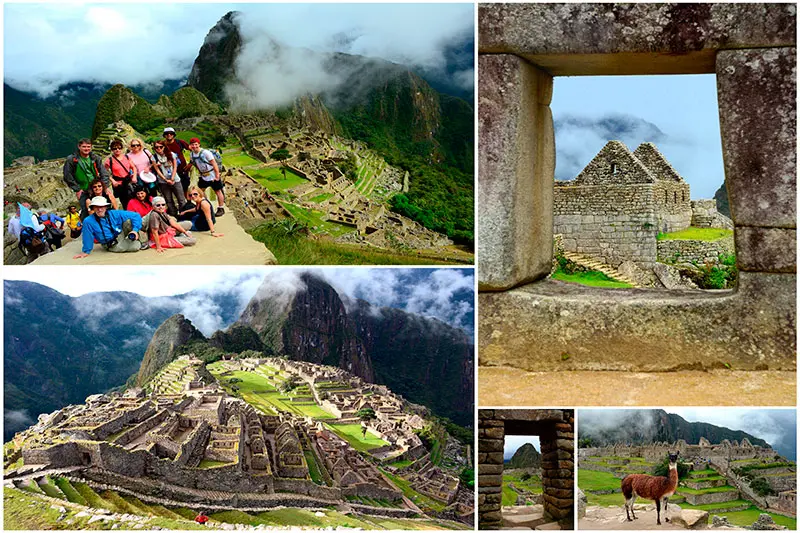
Many treks in Peru combine natural wonders with archaeological marvels. Of course, the most famous is Machu Picchu, but other routes lead to equally stunning sites such as Choquequirao, often called the “sister city” of Machu Picchu, or hidden ruins scattered along the Inca Trail. These ancient constructions, set against dramatic landscapes, tell the story of a sophisticated civilization that mastered architecture, astronomy, and agriculture in the toughest conditions. Visiting these sites adds a profound layer of history and meaning to every hike.
Every trek offers different activities, making it a complete experience beyond just hiking.
Also you can be interest in: History of Sacsayhuamán for first time visitors
Where to Find Trekking in Peru´s Routes
Peru is filled with spectacular trekking options, but the top regions include:
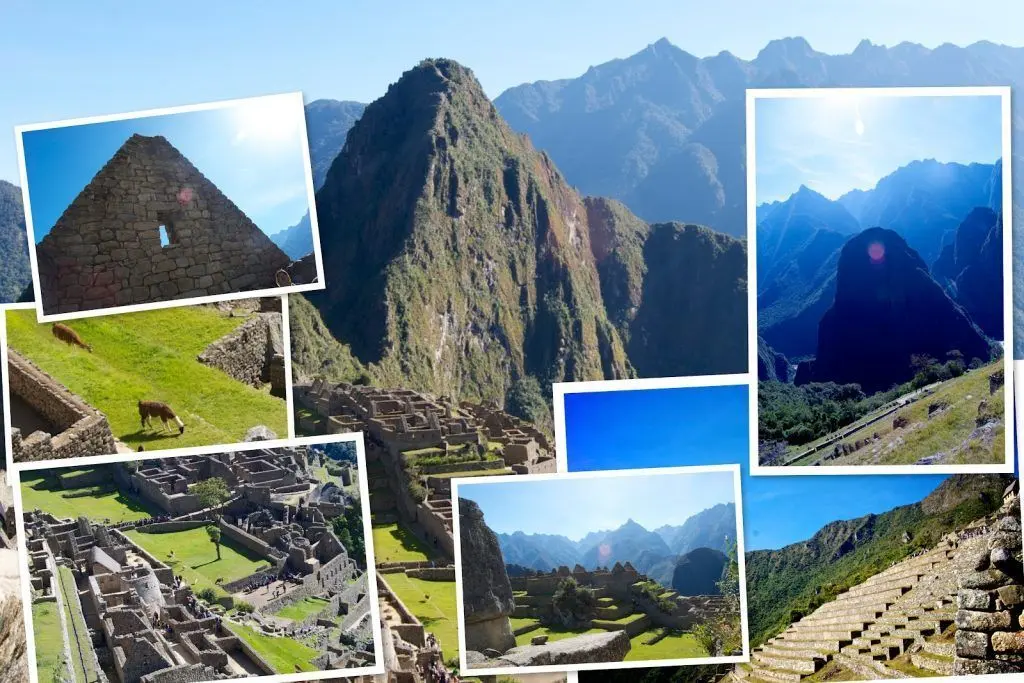
- Cusco: the country’s tourism hub, home to the Inca Trail, Salkantay Trek, and Choquequirao.
- Huaraz and the Cordillera Blanca: known as the trekking capital of Peru, with routes like Laguna 69, Alpamayo, or the Santa Cruz trek.
- Arequipa: home to the Colca Canyon, one of the deepest canyons in the world.
- Puno: trails around Lake Titicaca and its islands.
- The Amazon: unique jungle treks combining nature and ancestral culture.
Whether you’re short on time or ready for a longer expedition, Peru has hikes for all preferences.
One-Day Hikes in Peru
If you’re limited on time or looking for something lighter, one-day treks are a great choice:
- Laguna 69 (Huaraz): a challenging but doable day hike leading to a turquoise lake at over 4,600 meters.
- Vinicunca or Rainbow Mountain (Cusco): one of the most famous hikes, offering colorful landscapes and cultural encounters.
- Uros Floating Islands (Puno): combine a short hike with a boat trip to explore unique local communities.
These short hikes are ideal for travelers who want a taste of trekking in Peru without committing to several days.
Multi-Day Treks in Peru
For adventurers, you can look for salkantay treks, Peru offers some of the world’s most iconic multi-day treks:
- Inca Trail to Machu Picchu (4 days): the classic route combining history, nature, and the grand finale at Machu Picchu.
- Salkantay Trek (5 days): a stunning alternative with landscapes ranging from glaciers to cloud forests.
- Choquequirao (4–5 days): for those seeking an off-the-beaten-path experience in a massive Inca site often called “Machu Picchu’s sacred sister.”
- Santa Cruz Trek (Huaraz, 4 days): spectacular Cordillera Blanca landscapes with glaciers and alpine lakes.
These expeditions require preparation but reward you with unforgettable views and cultural immersion.
Travel Tips for Trekking in Peru
To ensure your trek is safe and enjoyable, keep these tips in mind:
- Acclimatize properly: spend 2–3 days in a high-altitude city before your trek.
- Pack the right gear: sturdy hiking boots, layered clothing, and a comfortable backpack.
- Stay hydrated and eat well: bring plenty of water and high-energy snacks.
- Hire local guides: for safety and to enrich your cultural experience.
- Respect nature: don’t litter, and follow local park or community rules.
Best Dates for Trekking in Peru
Weather is key for a great trekking experience. The best season for trekking in Peru is during the dry season:
- May to September: clear skies, minimal rain, and perfect conditions.
- April and October: transitional months with fewer tourists and decent weather.
- November to March: rainy season; some routes (like the Inca Trail in February) are closed.
For the best experience, plan your trekking trip between May and September.
Conclusion: Get Ready for the Best Trekking in Peru
Trekking in Peru is more than an outdoor activity. It’s a life-changing experience that blends adventure, culture, and nature. From one-day hikes like Laguna 69 to legendary routes like the Inca Trail or Salkantay, every trek has its own magic.
If you’re planning a trekking trip to Peru, make sure to prepare ahead: choose the right route for your fitness level, pick the best time of year, and pack smart.
Whether you dream of discovering Rainbow Mountain, walking through ancient Inca roads, or camping beside hidden alpine lakes, trekking in Peru will give you memories that last a lifetime.

