
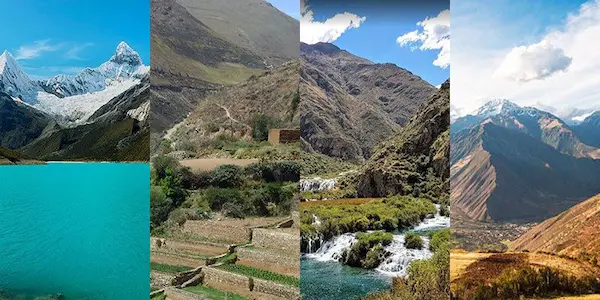
Peru is one of those countries where the weather can feel like three different worlds at the same time. From the Pacific coast to the Andes mountains and deep into the Amazon rainforest, conditions shift dramatically depending on where you are. That variety is exactly what makes understanding the climate and weather in Peru so important before planning a trip.
Unlike destinations with more predictable seasons, Peru does not follow a simple “summer and winter” pattern everywhere. Instead, each region has its own climate system, influenced by altitude, ocean currents, and geography. This means you can experience sunshine in Lima, cold winds in Cusco, and heavy tropical rain in the Amazon—all in the same week.
For travelers, this diversity is both exciting and a little confusing. Knowing what to expect from the climate and weather in Peru helps you pack better, plan your routes, and choose the right time to visit each region.
This guide breaks down the most important facts in a practical way so you can understand Peru’s weather patterns without complications.
10 Key Facts About Climate and Weather in Peru You Should Know
Understanding the climate and weather in Peru is essential before planning any trip, especially because conditions can change dramatically depending on the region you visit. From the coastal desert landscapes of Lima to the cold high-altitude Andes and the humid Amazon rainforest, each zone offers a completely different weather experience. The following 10 key facts will help you better understand these variations and prepare for your journey in a practical and informed way.
You might be interested in: National Potato day in Peru 2026
1. Peru Has Three Very Different Climate Zones
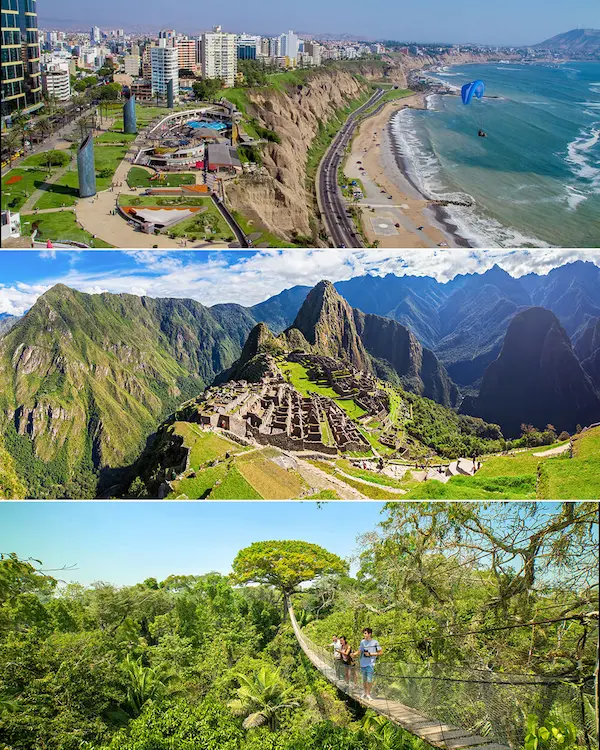
One of the most important things to understand about the climate and weather in Peru is that the country is divided into three main regions, each with its own climate identity.
- The coast (La Costa)
- The Andes (La Sierra)
- The Amazon rainforest (La Selva)
The coast is mostly dry with mild temperatures, the Andes are cooler and highly dependent on altitude, and the Amazon is hot and humid throughout the year.
This geographical division explains why the climate and weather in Peru changes so dramatically even over relatively short distances.
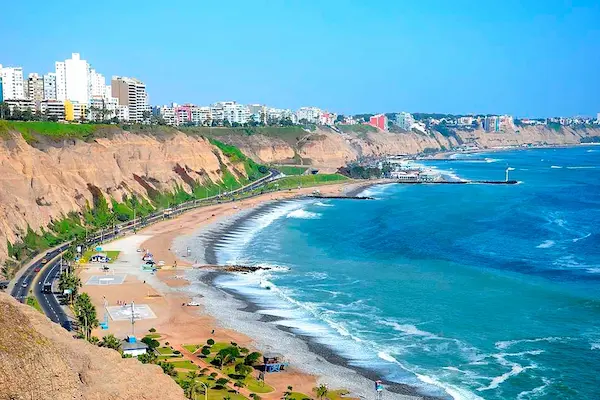
2. Lima Has a Unique Desert Climate
Lima, located on the Pacific coast, is one of the most unusual capitals in the world when it comes to weather.
Despite being in a tropical country, the climate and weather in Peru shows that Lima is actually a desert city. Rain is extremely rare, and humidity is often high.
Instead of traditional seasons, Lima experiences:
- A warm summer (December to March)
- A cool, cloudy winter (June to September)
Winter in Lima often brings grey skies and coastal fog called “garúa,” while summer offers sunny days and beach-friendly weather.
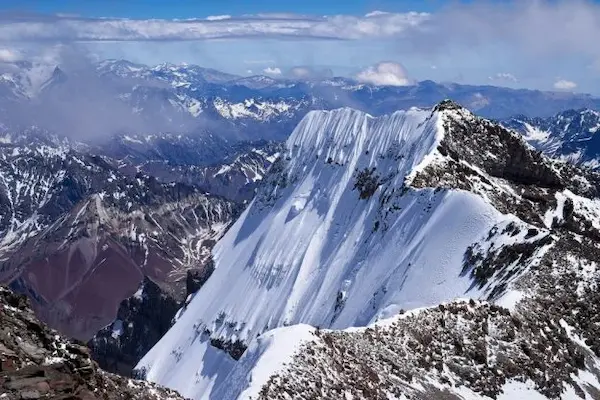
3. The Andes Are All About Altitude
In the highlands, the climate and weather in Peru depends more on elevation than on the calendar.
Cities like Cusco and Puno experience:
- Cold nights year-round
- Sunny days with strong UV exposure
- Sharp temperature changes between day and night
At higher altitudes, the air becomes thinner and temperatures drop significantly after sunset.
This makes layering essential when traveling through the Andes region.
You might be interested in: What is the culture of Peru and why is it unique? 2026
4. The Amazon Is Hot and Humid Year-Round
The eastern side of Peru, known as the Amazon, has a completely different climate system.
Here, the climate and weather in Peru is defined by:
- High temperatures
- Heavy humidity
- Frequent rainfall
- Dense rainforest conditions
Unlike the coast or mountains, the Amazon does not have a cold season. Instead, it alternates between wetter and slightly drier months.
5. Peru’s Seasons Are Not the Same Everywhere
A key detail in understanding the climate and weather in Peru is that seasons do not align uniformly across the country.
While the coast experiences summer and winter, the Andes and Amazon follow rainfall-based patterns rather than temperature-based seasons.
This means:
- Lima may be cloudy while Cusco is sunny
- The Amazon may have heavy rain while the coast is dry
- High altitude regions can be cold even during “summer” months
Travelers often need to prepare for multiple climates in a single trip.
6. The Dry Season Is the Best Time for the Andes
For those planning to visit mountain regions, the climate and weather in Peru is most stable between May and September.
This period is known as the dry season, characterized by:
- Clear skies
- Minimal rainfall
- Better hiking conditions
- Colder nights but sunny days
This is also the peak season for visiting Cusco, Machu Picchu, and the Sacred Valley.
7. The Rainy Season Transforms the Landscape
Between November and March, the Andes and Amazon experience their rainy season.
During this time, the climate and weather becomes wetter and more unpredictable in these regions.
Expect:
- Frequent afternoon rain showers
- Lush green landscapes
- Less crowded tourist sites
- Occasional travel delays in remote areas
Although travel is still possible, planning becomes more important.
You might be interested in: Everything I Wish I Knew Before Buying Machu Picchu Tickets
8. The Coast Is Mild but Humid
The coastal region, including Lima and surrounding cities, has a stable but unusual pattern.
The climate and weather in Peru along the coast is:
- Dry with almost no rainfall
- Mild temperatures year-round
- High humidity, especially in winter
- Cloudy skies during colder months
This creates a comfortable environment for urban travel, gastronomy, and cultural exploration.
Many travelers combine coastal experiences with cultural and culinary activities such as Best Restaurants in Lima while enjoying the city’s mild climate.
9. Microclimates Make Peru Highly Unpredictable
One fascinating aspect of the climate and weather in Peru is the presence of microclimates.
This means that weather can change drastically within short distances due to altitude, geography, and ocean influence.
For example:
- A sunny beach in Lima can be just a few kilometers away from foggy conditions
- Mountain valleys can be warm while nearby peaks are freezing
- Amazon regions can switch from sunshine to rain within minutes
This unpredictability is part of what makes Peru such a diverse travel destination.
10. Weather Plays a Big Role in Travel Planning
Understanding the climate and weather in Peru is essential for planning any itinerary.
Different activities depend heavily on seasonal conditions:
- Hiking is best during the dry season
- Amazon exploration is easier in drier months
- Coastal travel is enjoyable year-round
- Cultural tourism is flexible in all seasons
Many travelers combine different regions in one trip, often connecting experiences through routes like Lima tours or exploring nearby destinations such as Ica tours to experience desert landscapes and coastal culture.
Proper planning ensures a smoother and more enjoyable travel experience across all regions.
You might be interested in: The best activities to do in Peru you shouldn’t miss

How Climate and Weather in Peru Affects Packing
Because the climate and weather varies so dramatically across regions, packing for a trip requires a flexible and layered approach rather than a one-style-fits-all suitcase. Travelers often underestimate how quickly conditions can change, especially when moving between the coast, the Andes, and the Amazon in a single itinerary.
A smart packing strategy should always take into account the diversity of environments you will experience during your trip.
Travelers should consider:
- Light, breathable clothing for coastal cities like Lima, where temperatures are mild but humidity can be high
- Warm layers such as jackets, sweaters, and thermal clothing for high-altitude areas in the Andes, where temperatures drop significantly at night
- Waterproof gear or rain protection for the Amazon region, where sudden and heavy rainfall is common
- Comfortable walking shoes suitable for both urban exploration and uneven terrain in archaeological or natural sites
- Sun protection such as sunscreen, sunglasses, and hats, since UV exposure is strong even on cloudy or cool days, especially at high altitude
Overall, the most effective approach to the climate and weather in Peru is layering. Instead of packing heavy clothing for a single climate, travelers benefit more from versatile outfits that can be added or removed depending on altitude, time of day, and region.
Best Time to Visit Peru by Region
There is no single “best time” for the entire country because the climate and weather in Peru changes significantly depending on the region you visit. Each zone follows its own seasonal rhythm, which means travel planning depends more on destination than on a universal calendar.
Understanding these differences helps travelers choose the right timing for each experience, whether it’s coastal cities, high-altitude adventures, or rainforest exploration.
Coast: Year-Round Travel
The coastal region, including cities like Lima, has a relatively stable climate throughout the year. The climate and weather in Peru along the coast is mild, dry, and influenced by the Pacific Ocean.
Travelers can expect:
- Mild temperatures throughout the year
- Very little rainfall
- Cloudier skies during winter months (June–September)
- Sunny and warmer conditions in summer (December–March)
Because of this consistency, coastal destinations are suitable year-round, especially for gastronomy, city tours, and cultural experiences.
Andes: May to September
The Andean region, home to destinations like Cusco, the Sacred Valley, and Machu Picchu, has the most defined travel season.
During this period, the climate and weather in Peru is generally dry and stable in the mountains.
Key characteristics include:
- Clear skies and sunny days
- Minimal rainfall
- Cold nights, especially at higher altitudes
- Ideal hiking and trekking conditions
This is considered the most popular time for trekking routes and archaeological visits due to better visibility and safer trail conditions.
Amazon: June to September (Slightly Drier Season)
The Amazon rainforest has a tropical climate, meaning it remains hot and humid year-round. However, even here, there is a slightly drier season that is more comfortable for travel.
During this period, the climate and weather in the Amazon becomes:
- Less intense in rainfall
- More accessible for river travel and jungle tours
- Better for wildlife observation
- Slightly easier for hiking and outdoor activities
Even though rain can still occur, conditions are generally more manageable for visitors.
You might be interested in: Day of the Dead Peru: Traditions, Meaning, and Cultural Origins
Conclusion
Understanding the climate and weather is one of the most important steps when planning a trip to this diverse country. Unlike destinations with predictable seasons, Peru offers multiple climate zones that change dramatically from coast to mountains to rainforest.
This diversity is what makes traveling in Peru so unique. In a single itinerary, you can experience coastal cities, high-altitude landscapes, and tropical forests, each with completely different weather conditions.
The key to enjoying Peru is preparation and flexibility. Once you understand how the climate and weather works, it becomes much easier to design an itinerary that fits your travel style and expectations.

