

Cusco is more than a gateway to Machu Picchu. It is a city where history is layered, preserved, and interpreted through some of the most important museums in South America. For travelers from the United States, exploring the best museums in Cusco is one of the most effective ways to understand the Inca civilization, colonial influence, and modern Andean identity. Additionally, nature enthusiasts will find that some of the best museums in Cusco also showcase the region’s rich biodiversity, offering insights into the unique flora and fauna of the Andes.
Museums in Cusco provide context, depth, and meaning, transforming a visit into an educational and emotionally rich experience that goes far beyond sightseeing.
You may also like: Top 20 lima nightlife spots: rooftop bars, clubs & live music venues

Why museums are essential when visiting Cusco
Cusco’s museums play a fundamental role in helping visitors understand the city’s historical and cultural complexity. Without them, much of what travelers see in the streets, ruins, and churches lacks deeper meaning.
Museums as keys to historical context
Many archaeological sites in and around Cusco are visually impressive, but their significance becomes clearer after visiting museums. Exhibits explain how the Inca organized their society, managed agriculture at high altitudes, and developed advanced engineering systems. The best museums in Cusco act as interpretive tools that prepare travelers to better appreciate the region as a whole.
Enhancing the overall travel experience
For American travelers accustomed to well-curated cultural institutions, Cusco’s museums provide a familiar learning environment while introducing unfamiliar histories. This balance makes complex narratives easier to understand and more engaging.
You may also like: Is Puno worth visiting for first time travelers to Peru
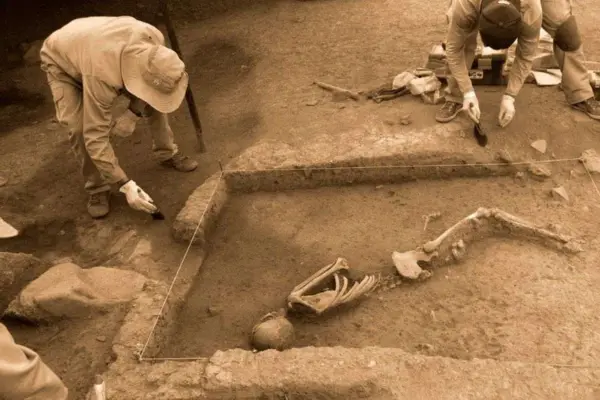
The historical evolution of museums in Cusco
The development of museums in Cusco reflects the city’s transformation over centuries, from imperial capital to colonial stronghold and modern cultural center.
From sacred Inca spaces to colonial structures
Many museums, including the best museums in Cusco, occupy buildings that were once Inca palaces or religious centers. After Spanish colonization, these spaces were repurposed into churches, mansions, and administrative buildings. Today, museums preserve this layered history, allowing visitors to experience architectural continuity across centuries.
Modern preservation and interpretation efforts
In recent decades, Peruvian institutions have invested heavily in conservation, research, and interpretation. Improved exhibition design and bilingual information make the best museums in Cusco more accessible to international audiences, including visitors from the United States.
You may also like: How to visit the Q’enco Archaeological Complex from Cusco
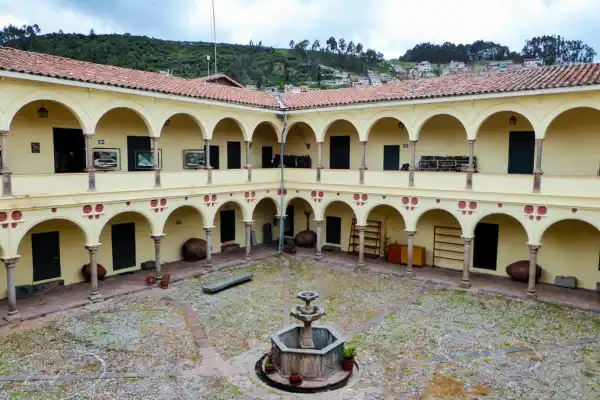
Museo Inka: the foundation of Andean knowledge
Museo Inka frequently serves as the initial museum for travelers, and this is well justified due to its comprehensive exhibits that provide essential insights into Inca culture and daily life, making it an invaluable starting point for understanding the rich history of the region.
Exhibits that explain daily Inca life
The best museums in Cusco showcase collections that focus on everyday objects such as ceramics, tools, textiles, and agricultural implements. These items reveal how the Inca lived, worked, and organized their society beyond monumental architecture.
Why it matters for American visitors
For U.S. travelers unfamiliar with Andean history, Museo Inka offers a clear and structured introduction. The information gained here enhances visits to sites like Sacsayhuamán and the Sacred Valley by providing cultural and historical context.
You may also like: The best 5 plans for summer on the Andes
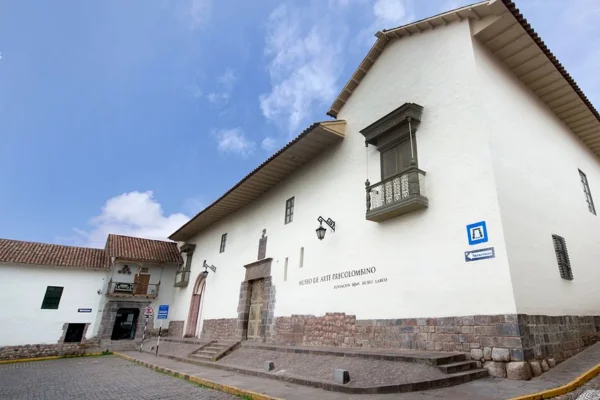
Museo de Arte Precolombino: creativity before conquest
The museum showcases the artistic achievements of ancient Peruvian civilizations through artifacts like textiles, pottery, and metalwork. Exhibits reveal insights into the daily lives, religious practices, and social structures of the Incas and their predecessors. Interactive displays enhance the visitor experience, highlighting the lasting influence of these cultures on modern art and society.
Art as cultural and political expression
Artifacts displayed in the museum demonstrate how art communicated status, religious beliefs, and social order. Materials such as gold, silver, and finely crafted ceramics illustrate advanced techniques and symbolic meaning.
A refined and immersive environment
The museum’s calm atmosphere and thoughtful layout appeal to travelers who appreciate art history and design. For American visitors, it feels comparable to high-quality museums found in major U.S. cities.
You may also like: Get to know the Waqrapukara archaeological site
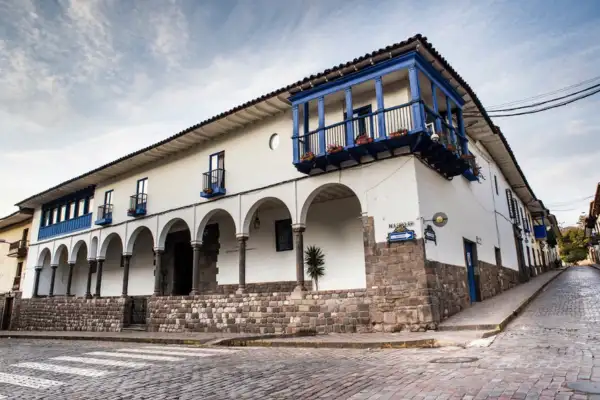
Museo Histórico Regional: understanding colonial Cusco
Colonial history significantly shaped Cusco’s cultural and architectural identity. The Spanish conquest in the 16th century introduced new governance, religion, and customs, leading to the construction of colonial buildings on Incan foundations. This blend of European and indigenous influences is evident in Cusco’s festivals, cuisine, and art. Today, this rich history attracts many visitors, highlighting the importance of understanding Cusco’s colonial legacy in the context of Peru’s broader history.
The transformation under Spanish rule
This museum explores how Cusco changed after Spanish conquest. Paintings, documents, and furniture illustrate the political and social restructuring that followed.
Cultural blending and conflict
Exhibits show how indigenous traditions adapted under colonial rule, resulting in hybrid forms of art, religion, and governance. This helps visitors understand modern Peruvian identity.
You may also like: History of Ollantaytambo and the Political Structure of the Inca
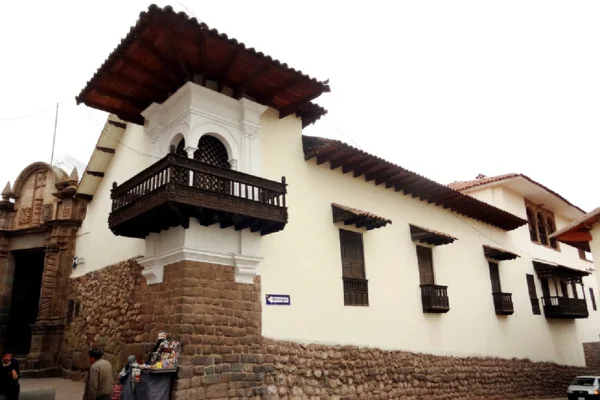
Museo de Arte Religioso: faith, power, and adaptation
Religion shaped colonial Cusco, and this museum captures that influence.
The Cusco School of Art
The museum displays paintings created by indigenous artists trained under European techniques. These works blend Christian themes with Andean symbolism, revealing cultural resilience.
Interpreting colonial narratives
For American travelers interested in religious history, the museum provides insight into how faith was used as a tool of power and cultural integration.
You may also like: What to buy in Cusco?
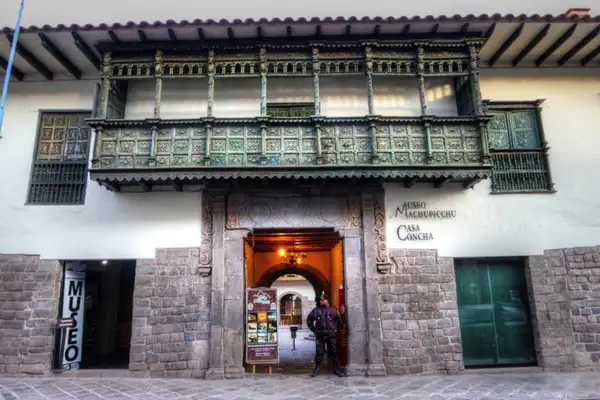
Casa Concha Museum: Machu Picchu in context
Casa Concha houses artifacts returned from Machu Picchu, offering a focused and meaningful experience.
Everyday life at Machu Picchu
Rather than emphasizing architecture, the museum highlights objects related to domestic life, trade, and ritual practices. This perspective humanizes the famous site.
A quieter museum experience
Casa Concha is less crowded than other major museums, allowing visitors to explore exhibits at a relaxed pace and engage more deeply with the material.
Museums and guided cultural experiences in Cusco
While museums can be visited independently, guided experiences often enhance understanding.
Expert-led cultural interpretation
Travelers seeking a structured narrative often choose cultural programs offered by quechuas expeditions, which integrate museum visits with archaeological sites and local communities. This approach creates a cohesive understanding of Cusco’s history and living culture.
You may also like: Inca symbols and their meaning: A deep exploration

Planning a museum-focused itinerary in Cusco
Cusco offers enough museums to justify dedicating several days to cultural exploration.
How to pace museum visits
Most travelers find that visiting one or two museums per day prevents information overload. This pace allows time to absorb exhibits and reflect on what has been learned.
Combining museums with city exploration
Museums are best enjoyed alongside walking tours, markets, and historic plazas. This combination keeps the itinerary dynamic and engaging.
Museums beyond the historic center
Cusco’s cultural offerings extend beyond its central districts.
Local and community-based museums
Smaller museums focus on traditional crafts, rural life, and contemporary Andean issues. These institutions provide a more personal perspective on local culture.
Avoiding crowds through alternative sites
Exploring lesser-known museums allows travelers to experience Cusco in a quieter, more intimate way.
You may also like: Legends of Cusco: Alien theories

Connecting Cusco museums with broader Peru travel
Cusco is often part of a multi-destination itinerary in Peru.
From coastal history to Andean heritage
Many U.S. travelers begin their journey in Lima. Experiences like a full day lima tour provide insight into Peru’s coastal and colonial history, creating contrast before exploring Cusco’s museums and Inca heritage.
Cultural landscapes surrounding Cusco
Museums provide context, but landscapes bring Andean culture to life.
Geography as cultural identity
Many U.S. travelers value destinations that offer learning opportunities. Cusco’s museums, such as the Museo de Arte Precolombino and the Museo Inka, deliver structured, high-quality educational experiences. These institutions not only showcase the rich history and culture of the region but also provide insights into the natural environment surrounding Cusco, making them a perfect blend of education and exploration.
Complementing museums with nature
Excursions such as the pallay punchu tour allow travelers to connect cultural knowledge with dramatic natural scenery, reinforcing the relationship between landscape and belief systems.
You may also like: 10 Interesting facts about Inca civilization
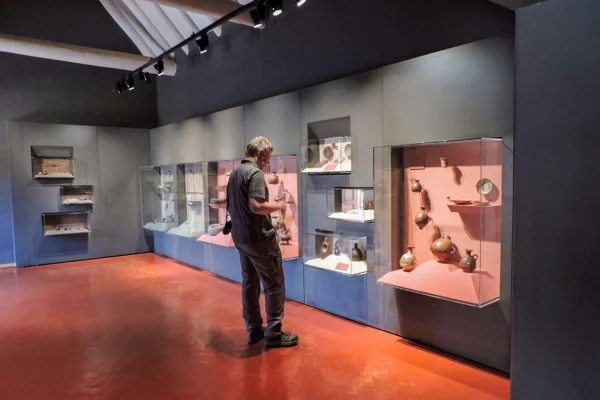
Why the best museums in Cusco resonate with U.S. travelers
Museums in Cusco align well with American travel preferences.
Educational and experiential travel
Many U.S. travelers value destinations that offer learning opportunities. Cusco’s best museums, such as the Museo de Arte Precolombino, Museo Inka, and Museo de Arte Popular, deliver structured, high-quality educational experiences.
Meaningful cultural immersion
Museums provide a comfortable entry point into complex histories, allowing travelers to engage deeply without feeling overwhelmed. The best museums in Cusco offer unique insights into the rich cultural heritage of the region, showcasing artifacts and stories that reflect its vibrant past.
Practical tips for visiting museums in Cusco
Preparation improves the museum experience.
Tickets, passes, and logistics
Tourist passes often include multiple museums, such as the best museums in Cusco, and sites, making them cost-effective for cultural travelers.
Respectful visitation practices
Following photography rules and respecting exhibits helps preserve cultural heritage.
Responsible tourism and cultural preservation
Museums in Cusco are vital for preserving Peru’s history, particularly the Inca Empire. Institutions like the Museo de Arte Precolombino and Museo Inka showcase significant artifacts, educate visitors, and foster appreciation for Peru’s cultural heritage.
Supporting preservation efforts
Entrance fees fund conservation, research, and education to preserve cultural heritage, including the best museums in Cusco. They protect historical sites, maintain landscapes, and promote biodiversity while supporting awareness programs. This investment benefits future generations and encourages responsible tourism and community engagement in conservation.
Ethical travel choices
Choosing museums and guided experiences responsibly supports long-term sustainability, especially when exploring the best museums in Cusco.
You may also like: Inti Raymi in Cusco: 10 Tips for a Perfect Visit

Final thoughts on the best museums in Cusco
Exploring the best museums in Cusco transforms a trip into a deep cultural journey. These institutions provide the context necessary to understand Inca civilization, colonial influence, and modern Andean identity.
For travelers from the United States, museums in Cusco are not optional attractions—they are essential experiences that bring meaning, clarity, and emotional depth to the journey through one of the world’s most fascinating historic cities.

