
Standing just a few kilometers from the lively streets of Cusco, the q’enco archaeological complex feels like a quiet pause in time. When you arrive, the noise of the city fades, and what remains is stone, silence, and a powerful sense of history. Visiting this place is not just about walking among ruins; it is about connecting with how the Inca civilization understood life, death, nature, and the universe.
If you are planning a journey through the Sacred Valley or exploring Cusco beyond its main attractions, the q’enco archaeological complex offers a deeper, more reflective experience. This guide is written to walk with you step by step, answering practical questions while also helping you understand why this site mattered so much to the Inca worldview.
You may also like: What happened to the Inca civilization after the spanish arrival
Historical of the q’enco archaeological complex
To truly appreciate the q’enco archaeological complex, it is essential to understand the historical context in which it was built. The Incas did not construct randomly; every stone, carving, and orientation had a symbolic and spiritual purpose.
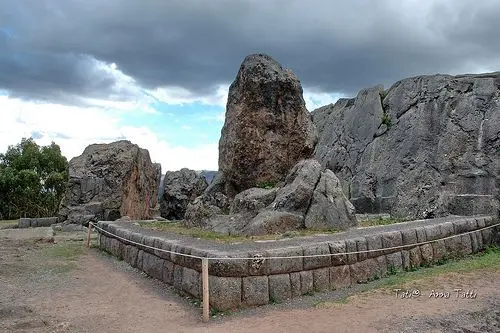
The site dates back to the height of the Inca Empire, around the 15th century, during the reign of Pachacuti. At that time, Cusco was the political, religious, and cultural heart of the empire. The q’enco archaeological complex was part of a network of sacred spaces surrounding the city, known as huacas, which played a crucial role in ceremonies and rituals.
Unlike administrative centers or residential areas, Q’enqo was primarily ceremonial. This distinction explains why the site feels different more introspective and symbolic than other Inca ruins you may have visited.
The spiritual purpose of the q’enco archaeological complex
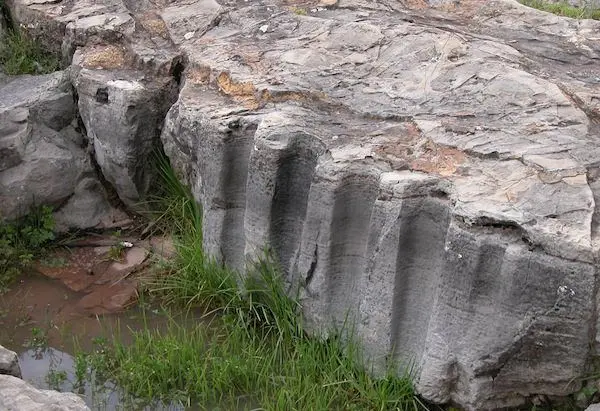
The q’enco archaeological complex is believed to have been dedicated to religious rituals connected to astronomy, fertility, and ancestor worship. The name “Q’enqo” comes from the Quechua word meaning “labyrinth” or “zigzag,” referring to the carved channels found throughout the site.
These channels were not decorative. Archaeological studies suggest they were used to pour liquids such as water or chicha during ceremonies, symbolizing life, blood, and renewal. For the Incas, liquids flowing through stone represented the movement of energy between the natural and spiritual worlds.
Example : Imagine an Inca priest slowly pouring liquid into the carved stone channels during a solstice ceremony, watching how it flowed while interpreting signs from nature. This ritual was believed to influence agricultural cycles and community well-being.
Architectural features of the q’enco archaeological complex
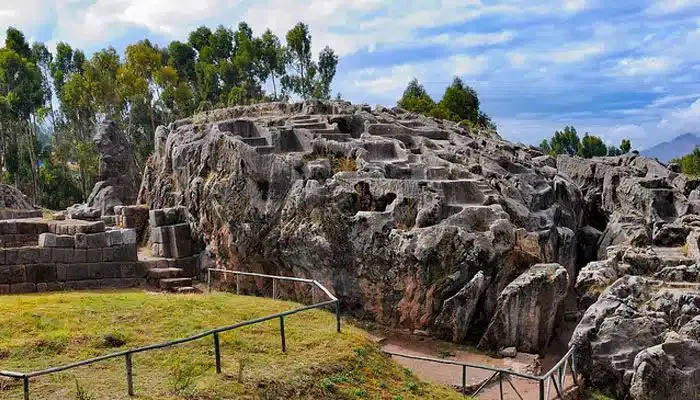
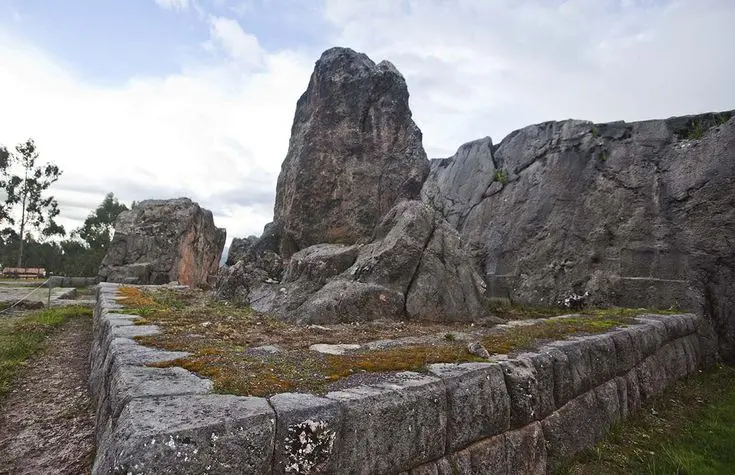
The architecture of the q’enco archaeological complex is striking not because of massive walls, but because of its precision and symbolism. The Incas shaped living rock with incredible accuracy, creating sacred spaces that blend seamlessly with the natural environment.
What makes this site unique is how architecture and landscape are inseparable. Instead of building over nature, the Incas carved into it, reinforcing their belief that mountains, stones, and earth were living entities.
The carved rock formations at the q’enco archaeological complex
The most iconic feature of the q’enqo archaeological complex is the large limestone outcrop carved with channels, steps, and symbolic shapes. From above, these carvings resemble a complex ritual map rather than a simple structure.
Some researchers believe the zigzag channels were aligned with astronomical events. During specific times of the year, sunlight would hit certain sections of the rock, enhancing its ceremonial significance.
Walking around these carvings, you may notice how smooth the stone feels under your fingers. This is not erosion alone; it reflects deliberate polishing by Inca artisans using stone tools and sand.
The underground chamber of the q’enco archaeological complex
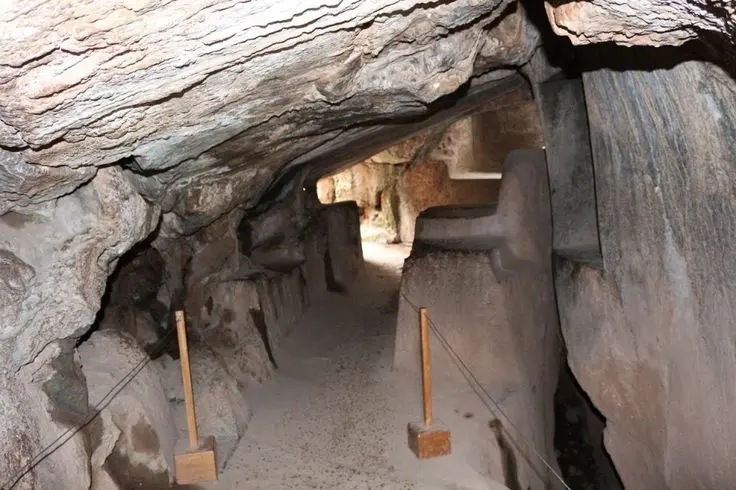
Another powerful element of the q’enco archaeological complex is its underground chamber. This cave-like structure contains carved niches believed to have been used for mummification or ritual offerings.
The Incas had a strong relationship with their ancestors, and mummies played an active role in ceremonies. The underground space symbolizes the connection between the living world and the inner world of the earth.
Example : Standing inside the chamber, many visitors describe a sudden drop in temperature and sound. This sensory shift helps you understand why the Incas chose such spaces for spiritual reflection and rituals.
Location and setting of the q’enco archaeological complex
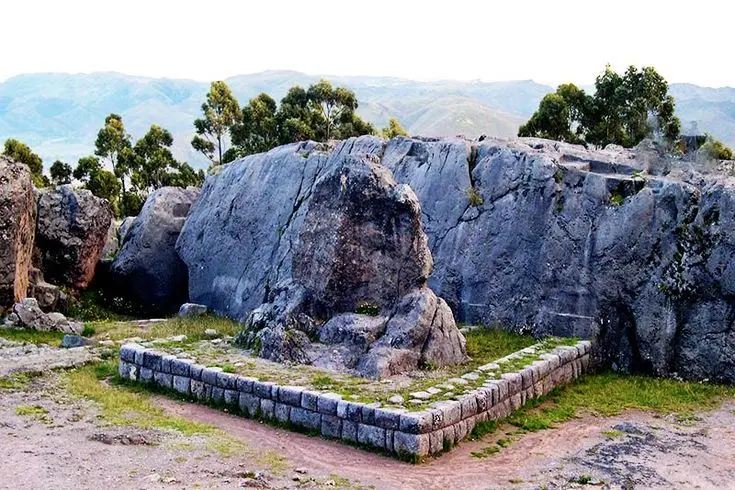
The q’enqo archaeological complex is located approximately 4 kilometers northeast of Cusco’s historic center. Its elevated position offers sweeping views of the surrounding valleys and hills, reinforcing its sacred role.
The site’s placement was intentional. From here, the Incas could observe celestial movements while remaining connected to other ceremonial centers like Sacsayhuamán.
Relationship between Cusco and the q’enco archaeological complex
Cusco was designed in the shape of a puma, a sacred animal in Inca cosmology. The q’enco archaeological complex formed part of the spiritual anatomy of this symbolic city, contributing to its energetic balance.
This connection helps explain why many travelers choose guided cultural routes that include Q’enqo along with other nearby sites. Some tours offered by quechuas expeditions integrate these sacred locations into a broader cultural narrative, helping visitors understand how each site interacted with the others.
You may also like: Hidden places in Cusco: Discover the best-kept secrets
How to reach the q’enco archaeological complex from Cusco
Visiting the q’enqo archaeological complex is relatively simple, but the experience improves greatly when you understand your options. Whether you prefer walking, public transport, or guided tours, each route offers a different perspective.
Planning ahead ensures you arrive with enough energy and time to fully absorb the atmosphere of the site.
Walking to the q’enco archaeological complex
Walking from Cusco to the q’enqo archaeological complex takes about one hour, depending on your pace. The route gradually ascends, offering scenic views along the way.
This option is ideal if you enjoy slow travel and want to reflect as you move through the landscape. Along the path, you’ll notice how the city slowly gives way to open terrain, mirroring the transition from everyday life to sacred space.
Transportation options to the q’enco archaeological complex
Taxis are the most convenient option and relatively affordable. Many travelers combine their visit with nearby sites, making transportation efficient.
Some itineraries that include extended cultural journeys, such as routes connected to the manu national park from cusco, introduce Q’enqo as a starting point for understanding Andean cosmology before heading deeper into natural landscapes.
Significance of the q’enco archaeological complex today
Today, the q’enco archaeological complex continues to hold meaning not only for historians but also for local communities. It remains a place of respect, reflection, and cultural identity.
While modern ceremonies are limited to protect the site, its spiritual resonance is still felt by many visitors.
Respectful tourism at the q’enco archaeological complex
Visiting responsibly is essential. Avoid touching delicate carvings, stay on marked paths, and approach the site with awareness.
Example 3: A visitor who takes time to sit quietly rather than rushing through often leaves with a deeper emotional connection, understanding that the site is more than a photo opportunity.
Some cultural trekking routes, including traditional Lares trek, emphasize respect for sacred spaces like Q’enqo as part of a broader Andean worldview.
You may also like: 20 The most important churches in Cusco
Practical tips for visiting the q’enco archaeological complex
A well prepared visit enhances your experience. Weather conditions, altitude, and timing all influence how comfortable and enjoyable your time at the site will be. Wearing layered clothing is highly recommended, as temperatures can change quickly throughout the day. Comfortable walking shoes are essential, since the terrain is uneven and includes stone paths and rocky areas.
Cusco’s altitude can be challenging, so it’s wise to acclimatize before heading to the Q’enqo Archaeological Complex. Spending at least one or two days in Cusco, staying hydrated, and avoiding heavy meals beforehand can help prevent altitude sickness and allow you to explore the site with more energy and focus.
Best time of day to visit the q’enco archaeological complex
Morning visits offer softer natural light and fewer crowds, making it easier to appreciate the carved stone details and ceremonial spaces. The quiet atmosphere also allows for a more immersive and reflective experience.
Late afternoons can also be rewarding, especially for photography, but temperatures drop quickly, particularly during the dry season. Bringing a light jacket ensures comfort as you explore and enjoy the site until closing time.
You may also like: What happened to the Inca civilization after the spanish arrival
A quiet encounter with the living spirit of the Andes
Leaving the Q’enco Archaeological Complex, many travelers experience a deep sense of calm and introspection. Unlike monumental sites that impress through sheer scale, Q’enqo speaks softly, inviting you to pause and listen. Its carved stones, shadowed chambers, and natural rock formations reflect a worldview where sacredness was woven into the landscape itself, not imposed upon it.
As you walk back toward Cusco, the visit often lingers in your thoughts. Beyond historical facts and archaeological interpretations, Q’enqo offers insight into how the Incas understood balance between human life, the natural world, and the movements of the cosmos. Every channel carved in stone and every hidden space suggests intention, respect, and connection.
When you allow yourself to slow down, observe carefully, and simply feel the atmosphere, Q’enqo becomes more than a stop on your itinerary. It transforms into a personal encounter with the enduring memory of the Andes one that quietly reminds you that some places are meant not only to be seen, but to be experienced.

