
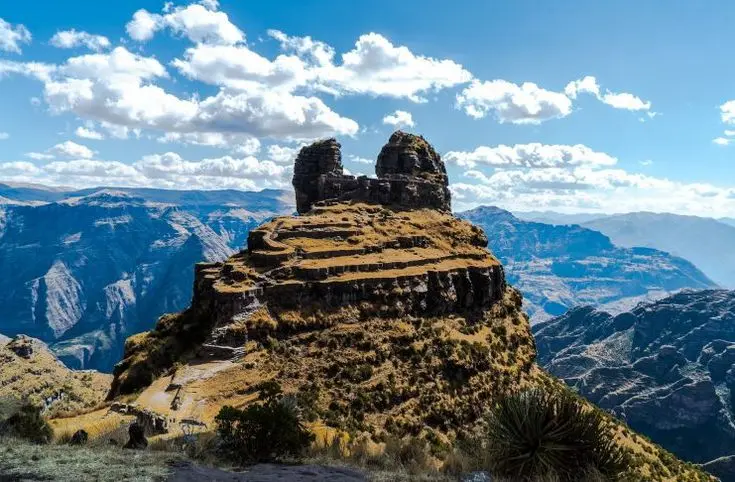
If you are reading this, chances are you are not just looking for a destination on a map. You are looking for meaning, context, and a deeper understanding of the Andean world. The waqrapukara archaeological site is not a place you simply “visit”; it is a place you slowly come to understand. Long before cameras, social media, or modern travel routes, this site already held symbolic, political, and spiritual importance for the Incas.
Standing before the stone formations of the waqrapukara archaeological site, many travelers describe a quiet sense of awe rather than excitement. The silence, the altitude, and the isolation invite reflection. This is not mass tourism, and that is precisely what makes it special. Here, history feels close, almost personal.
Throughout this post, I will speak directly to you, guiding you through the cultural, historical, architectural, and symbolic layers of the waqrapukara archaeological site, always grounding the information in reliable academic and archaeological research. My goal is not to impress you with facts, but to help you understand why this place still matters today.
You may also like: Where to eat cheap in Cusco: Route and Tips
Understanding the Waqrapukara archaeological site within Inca culture
Before diving into stones, trails, and dates, it is important to understand how the Incas perceived space, power, and nature. The waqrapukara archaeological site cannot be separated from the worldview that created it.
The Waqrapukara archaeological site and the andean worldview
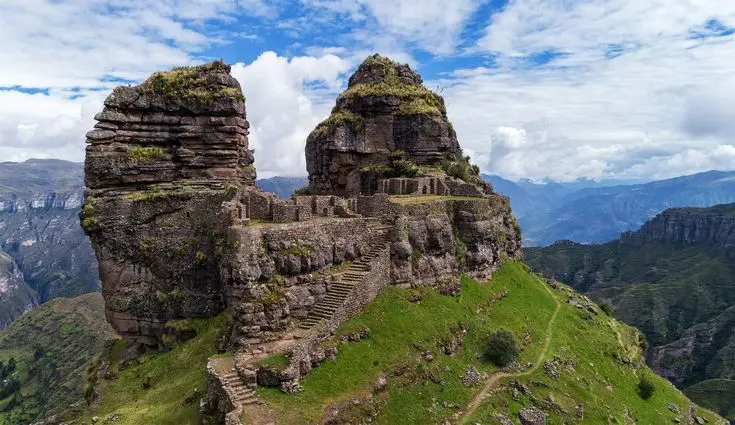
In Inca culture, landscapes were not neutral. Mountains, cliffs, rivers, and unusual rock formations were considered living entities known as apus. The waqrapukara archaeological site sits dramatically atop a rocky mountain ridge, shaped like horns, which already tells us something important: this location was chosen intentionally, not randomly.
For the Incas, sacred geography was a way of organizing society, belief, and power. Sites like the waqrapukara archaeological site functioned as ceremonial centers, administrative checkpoints, and symbols of authority. Its elevated position allowed both physical and spiritual surveillance over surrounding valleys.
Unlike urban centers such as Cusco, Waqrapukara was not designed for daily life. Instead, it appears to have served ritual, military, and elite purposes. This distinction helps us understand why access was limited and why the architecture emphasizes control and visibility rather than comfort.
Political and ceremonial functions of the Waqrapukara archaeological site
Archaeological studies suggest that the waqrapukara archaeological site played a dual role. On one hand, it functioned as a defensive fortress due to its natural cliffs and narrow access points. On the other hand, it held ceremonial significance linked to solar worship and ancestor veneration.
The Incas often combined military strategy with religious symbolism. A place like the was not only hard to invade; it also projected power. Those approaching it would immediately recognize its authority, reinforced by its monumental stonework and commanding presence.
Example:
Imagine a local community leader traveling days to reach for a ritual gathering. The journey itself would reinforce loyalty to the Inca state. By the time he arrived, the altitude, the isolation, and the architecture would already have prepared him psychologically for submission and reverence.
You may also like: 20 The most important churches in Cusco
Geography and location of the Waqrapukara archaeological site
To truly understand the significance of the waqrapukara , you must understand where it is located and why that location matters.
Strategic placement of the Waqrapukara
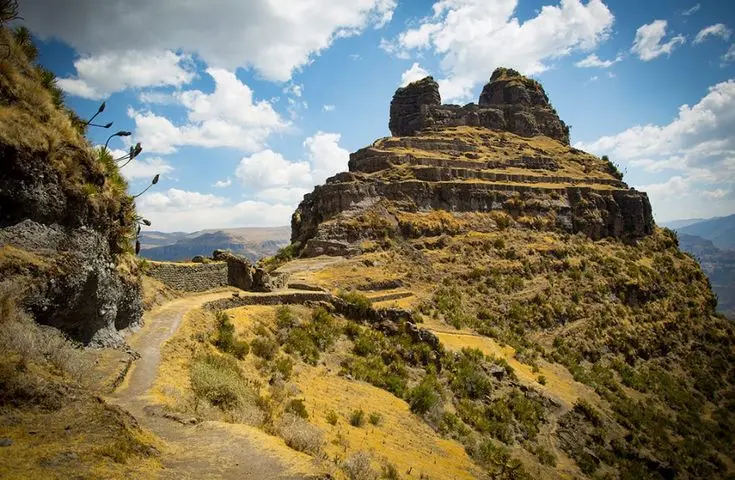
The waqrapukara archaeological site is located in the Andean highlands of southern Peru, within the cultural sphere of the Cusco Region. Its placement on a rocky outcrop surrounded by deep canyons is not accidental.
From a strategic perspective, the site controls visual access to multiple valleys. From a symbolic perspective, it sits closer to the sky, reinforcing its connection to celestial deities. The Incas believed that elevation brought humans closer to divine forces, especially the sun.
The steep terrain also limited access, ensuring that only those with permission, preparation, and physical endurance could reach the waqrapukara archaeological site. This physical difficulty added another layer of exclusivity and reverence.
Environmental conditions around the Waqrapukara
The climate around the waqrapukara archaeological site is typical of high-altitude Andean zones: cold nights, strong winds, and intense sunlight during the day. These conditions influenced architectural decisions, such as thick stone walls and narrow openings.
Vegetation is sparse but resilient. Native grasses, small shrubs, and seasonal flowers dominate the landscape. This environment was not suitable for large-scale agriculture, which further supports the idea that the waqrapukara archaeological site was not a residential center but a specialized location.
Example:
If you compare the waqrapukara archaeological site to lower-altitude Inca settlements designed for farming, the differences become clear. Where agricultural sites emphasize terraces and water channels, Waqrapukara emphasizes walls, viewpoints, and controlled entrances.
You may also like: What happened to the Inca civilization after the spanish arrival
Architecture of the Waqrapukara archaeological site
The architectural elements of the waqrapukara archaeological site reflect both Inca engineering mastery and deep symbolic intention.
Stone construction at the Waqrapukara archaeological
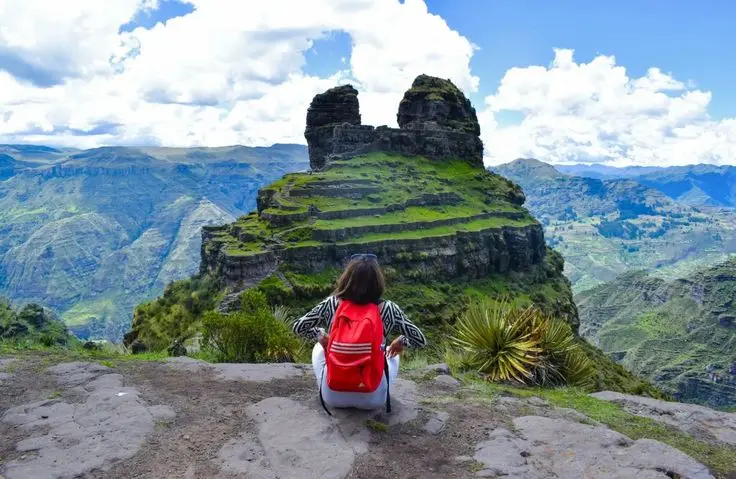
The Incas were masters of stonework, and the waqrapukara archaeological site showcases this expertise. The stones were carefully shaped and fitted without mortar, a technique that provided durability and resistance to earthquakes.
Walls at the waqrapukara archaeological site vary in size and function. Some are defensive, thick and imposing. Others appear ceremonial, with smoother finishes and more refined construction. This variation suggests multiple phases of construction and use.
The famous “horns” of Waqrapukara, from which the site takes its name, are natural rock formations enhanced by human intervention. Rather than reshaping the landscape entirely, the Incas worked with existing forms, reinforcing their belief in harmony with nature.
Functional spaces within the Waqrapukara archaeological
Archaeologists have identified plazas, enclosures, and corridors within the waqrapukara archaeological site. These spaces were likely used for rituals, gatherings of elites, and administrative activities.
There is little evidence of domestic life, such as cooking areas or storage for daily food supplies. This reinforces the idea that access to the waqrapukara archaeological site was temporary and purpose-driven.
Example:
Think of the waqrapukara archaeological site not as a town, but as a stage. When rituals or political meetings occurred, every wall, entrance, and viewpoint guided movement and attention, shaping the experience of those present.
Experiencing the Waqrapukara archaeological site today
Modern visitors approach the waqrapukara archaeological site very differently from the Incas, yet certain emotions remain universal.
The journey to the Waqrapukara
Reaching requires physical effort and planning. Many travelers combine hiking routes with cultural exploration, sometimes aligning their trip with routes similar in spirit to the best Poc Poc hike itinerary full day, where endurance and reflection go hand in hand.
This physical challenge is not a drawback. It prepares you mentally, slowing you down and creating space for connection.
Responsible travel and cultural respect at the Waqrapukara
Because remains relatively untouched, responsible tourism is essential. Traveling with experienced guides, often through a best Peru travel agency, helps protect the site while ensuring accurate cultural interpretation.
Preservation depends on awareness. Every step you take at the waqrapukara archaeological site contributes to its future.
You may also like: Legends of Cusco: Alien theories
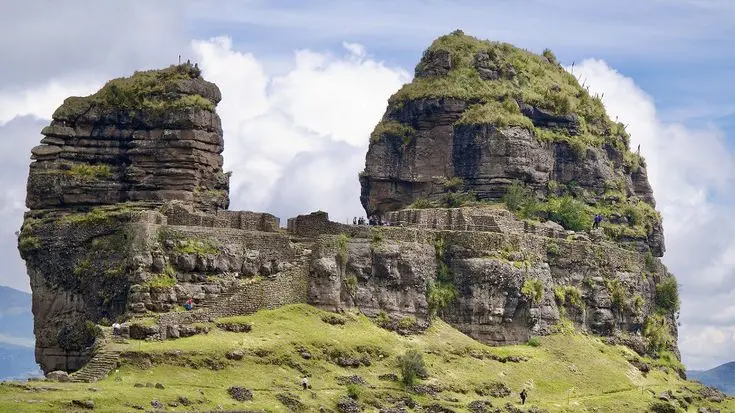
Historical timeline of the Waqrapukara archaeological site
To truly understand the waqrapukara , it helps to place it within the broader timeline of Andean history. This site did not emerge in isolation, nor was it the product of a single moment in time. Instead, it reflects layers of occupation, adaptation, and transformation.
Pre-Inca origins of the Waqrapukara
Archaeological evidence indicates that the waqrapukara predates the Inca Empire. Before the Incas expanded into the region, local ethnic groups already recognized the strategic and symbolic value of the mountain.
These earlier societies likely used the site as a ceremonial or defensive refuge. When the Incas later incorporated the region into their empire, they did not erase what existed. Instead, they adapted and expanded it, integrating their own architectural style and cosmology.
This pattern was common in Inca expansion. Rather than destroying sacred places, the Incas often re-signified them, linking local beliefs to imperial ideology. The waqrapukara is a clear example of this cultural layering.
Inca expansion and consolidation
During the height of the Inca Empire, the waqrapukara was likely strengthened both structurally and symbolically. Walls were reinforced, access routes controlled, and ceremonial spaces formalized.
The Incas were highly strategic. Sites like the waqrapukara helped secure territorial boundaries and maintain control over newly integrated populations. At the same time, they served as visual reminders of imperial presence.
This dual function military and spiritual made the waqrapukara particularly effective. Power was not only enforced; it was displayed and ritualized.
Preparing yourself mentally for the Waqrapukara archaeological site
Visiting or studying the waqrapukara is not just an intellectual experience; it is an emotional one.
Adjusting expectations about the Waqrapukara archaeological
This is not a polished attraction. There are no crowds, no visitor centers, and no scripted paths. The waqrapukara demands patience and openness.
If you approach it expecting spectacle, you may miss its deeper value. If you approach it with curiosity and respect, it offers quiet insight.
Personal reflection at the Waqrapukara archaeological site
Many people describe feeling small at the waqrapukara , not in a negative way, but in a grounding one. The scale of the landscape and the endurance of stone invite perspective.
Example :
Standing alone at the waqrapukara , with wind and silence around you, it becomes easier to imagine how belief, power, and nature once intertwined here.
You may also like:The Best Waterfalls in Peru to Visit with the Family
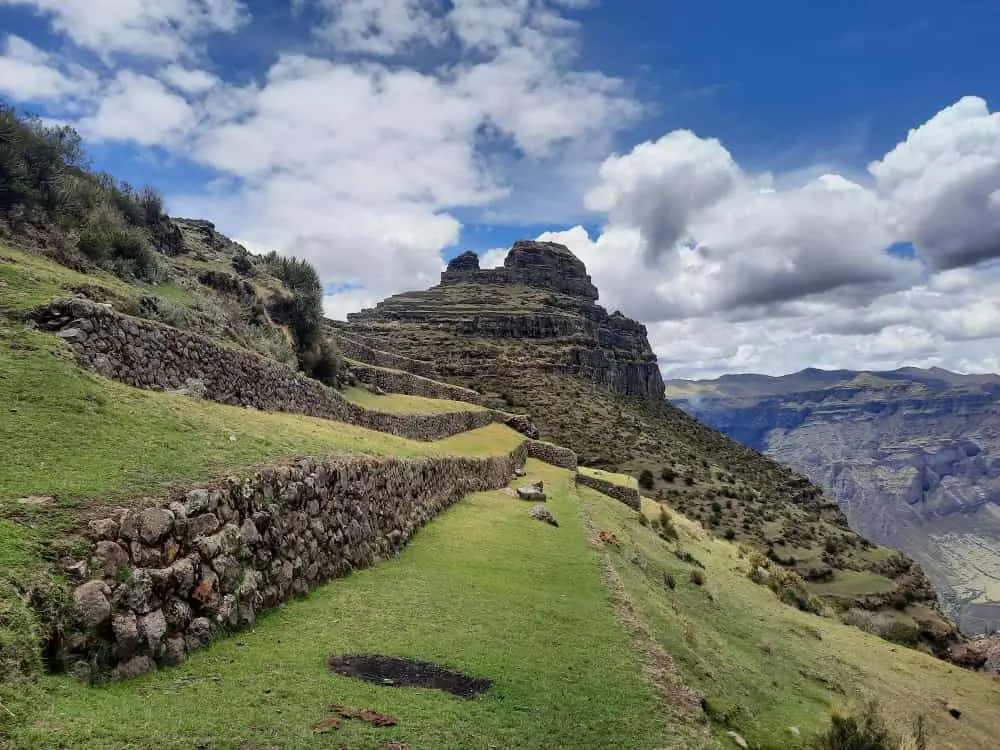
The Waqrapukara archaeological site
The waqrapukara archaeological site is not defined by how often it appears in travel conversations, but by how deeply it resonates once you understand it. This place was never meant to impress through excess or scale; it was meant to endure. Its location, architecture, and silence reflect a worldview where power, spirituality, and nature were inseparable, and where meaning was built slowly, stone by stone.
As you step back from dates and structures, what remains is a clearer sense of intention. The waqrapukara archaeological site shows how the Incas understood territory not only as land to control, but as a living space to honor. Even today, its isolation protects that message. It reminds you that some places are not meant to be rushed, consumed, or simplified. They are meant to be approached with patience, respect, and curiosity, allowing their story to unfold at its own rhythm.

