
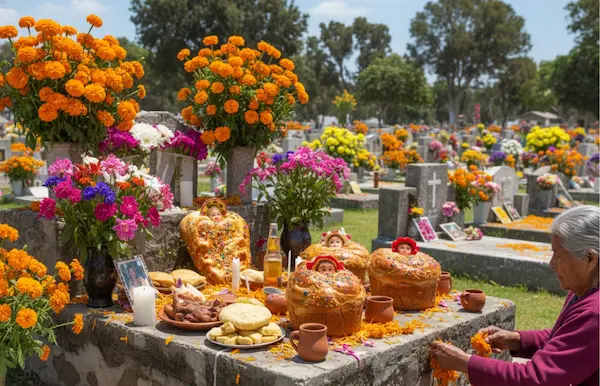
The day of the dead Peru is one of the most meaningful cultural celebrations in the country, deeply rooted in ancestral beliefs, spiritual traditions, and family remembrance. Unlike simple commemorations, this celebration represents a moment where communities reconnect with their ancestors through rituals, food offerings, and collective memory. Understanding it is essential for anyone interested in Andean culture, as it reflects how life and death are perceived as part of a continuous cycle.
For many travelers and locals alike, this date is not only a symbolic moment but also a cultural experience that blends Indigenous practices with Catholic influence. The tradition continues to evolve, yet it still preserves its original meaning: honoring those who have passed while celebrating their presence in memory and tradition.
Across the country, it is observed with variations depending on the region, but the essence remains the same. Families prepare altars, visit cemeteries, and share traditional foods, making it both an intimate and collective expression of cultural identity.
Origins and Cultural Meaning of Day of the Dead Peru
The origins of the day of the dead Peru can be traced back to pre-Columbian Andean civilizations, where death was not seen as an end but as a transition to another form of existence. In these ancient belief systems, it was closely connected to agricultural cycles and spiritual communication with ancestors, reinforcing the idea that life continues in another dimension.
When the Spanish arrived, Catholic traditions merged with Indigenous practices, shaping what is now recognized as this celebration. This cultural fusion created a unique identity where prayers for the deceased coexist with offerings of food, music, and communal gatherings.
In many communities, it is understood as a reunion rather than a farewell. Families believe that souls return to visit their homes, giving the celebration a deeply emotional and spiritual dimension.
- The celebration reinforces cultural identity and heritage
- Death is viewed as a continuation of life, not an end
- Agricultural cycles influenced early ancestral rituals
- Catholic and Indigenous traditions merged over time
- Offerings are prepared to welcome returning spirits
- Music and prayers are used to honor the deceased
- Families gather to strengthen memory and connection
You might be interested in: National Potato day in Peru 2026
Traditional Practices During Day of the Dead Peru
The day of the dead Peru is marked by a variety of traditions that differ slightly across regions but share common symbolic elements. Each practice reflects respect, memory, and a deep sense of connection between families and their ancestors.
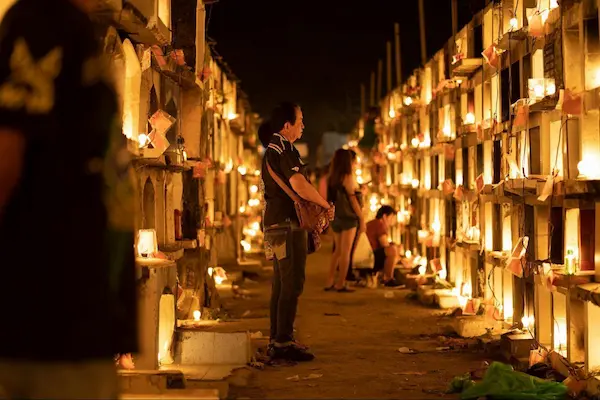
- Families clean and decorate graves in cemeteries as a sign of respect
- Altars are prepared at home with photos, candles, and meaningful offerings
- Traditional foods are cooked specifically for the occasion and shared among relatives
- Flowers, especially yellow marigolds, are widely used to symbolize remembrance and light
- Music is played in cemeteries and homes, creating a reflective yet communal atmosphere
- Prayers and blessings are offered for returning souls throughout the day
These traditions make this celebration a deeply participatory event where entire communities take part. The emotional aspect is especially visible in rural areas, where customs have remained closer to their original form and are passed down through generations.
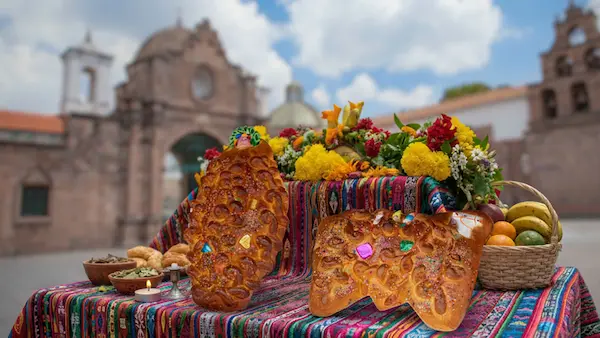
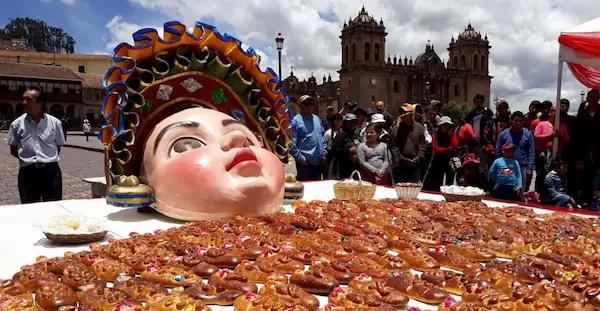
The celebration also includes symbolic foods such as bread in the shape of babies or horses, known as “t’anta wawas,” which represent protection, continuity of life, and the bond between generations.
Regional Celebrations of Day of the Dead Peru
The day of the dead Peru is celebrated differently across regions, reflecting the country’s cultural diversity. Each area adds its own identity to the celebration, making it a nationwide but locally distinct tradition shaped by geography, history, and community practices.
In the Andes, the celebration is highly spiritual and community-oriented. Families gather in cemeteries for long hours, sharing food, stories, and memories of loved ones. Music played by local bands often accompanies the gatherings, creating a festive yet respectful atmosphere that strengthens communal bonds.
In coastal cities, the observance tends to be more private and family-centered. People usually visit cemeteries briefly and focus more on home altars, where offerings and prayers are prepared in a quieter setting. Even so, the tradition remains an important cultural moment that connects families with their heritage.
In the Amazon region, Indigenous influences are more visible, with rituals that emphasize nature, spirits, and ancestral connection with the environment. This regional variation shows how the celebration adapts to different cultural landscapes while preserving its core meaning of remembrance and continuity.
You might be interested in: What is the culture of Peru and why is it unique? 2026
Altars, Offerings, and Symbolism in Day of the Dead Peru
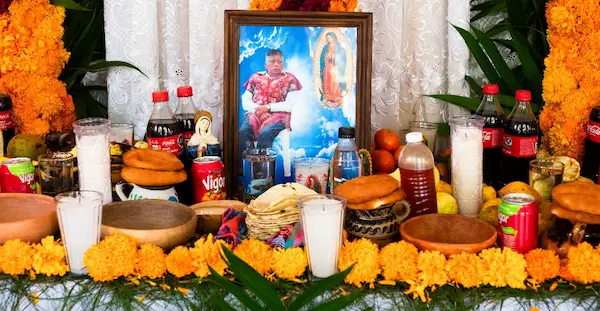
One of thOne of the most important aspects of the day of the dead Peru is the creation of altars, known as “mesas.” These altars are carefully prepared with symbolic items that represent love, memory, and respect for deceased family members.
Typical elements found in these altars include:
- Photographs of deceased family members
- Candles symbolizing light, guidance, and spiritual connection
- Flowers representing purity, remembrance, and the cycle of life
- Traditional foods prepared as offerings for returning spirits
- Personal belongings of the deceased that reflect identity and memory
Each object placed has a specific meaning, and the arrangement of the altar is not random. It reflects the importance of the person being honored and the emotional bond that remains with the family, making this tradition a deeply personalized cultural practice.
In many homes, the altar remains active for several days, allowing families to maintain a continuous space of remembrance. This practice reinforces the idea that memory is not limited to a single moment, but continues to live within daily family life.
Food Traditions During Day of the Dead Peru
Food plays a central role in the day of the dead Peru, as it symbolizes hospitality, remembrance, and the act of sharing with returning souls. During this celebration, families prepare traditional dishes that are believed to be enjoyed by visiting spirits, reinforcing the idea of connection between the living and the dead.
Some of the most common foods include:
- T’anta wawas (bread figures shaped in symbolic forms)
- Traditional corn-based dishes that reflect Andean agricultural heritage
- Sweet pastries and local desserts prepared specifically for the occasion
- Fruits carefully arranged on altars as offerings
- Hot beverages such as herbal infusions shared among family members
The preparation of food is often a collective family activity that strengthens bonds between generations. Recipes are passed down over time, keeping culinary traditions alive and ensuring cultural continuity. In this way, the celebration remains not only a spiritual moment but also a living expression of identity, memory, and shared heritage.
In many regions, sharing food in cemeteries during the day of the dead Peru is a key moment of connection. Families not only remember the dead but also celebrate life together.
Modern Evolution of Day of the Dead Peru
Although the day of the dead Peru remains deeply traditional, it has also evolved in modern times. In urban areas, celebrations now include cultural events, exhibitions, and educational activities that attract both locals and tourists. This has helped transform the celebration into a broader cultural experience while still preserving its original meaning.
Social media has also influenced how traditions are shared globally. Images of altars, ceremonies, and rituals are widely circulated, increasing international awareness and encouraging more people to learn about its cultural significance. While this visibility has expanded its reach, many communities still prioritize authenticity and family-centered practices.
Tourism has played an important role in shaping contemporary experiences, especially in cultural destinations like Cusco and Ayacucho. Many travelers plan their visits around this period to witness the traditions firsthand and better understand their historical roots.
- Cultural exhibitions in museums and public spaces
- Photography and storytelling shared on digital platforms
- Increased interest from international cultural tourism
- Preservation efforts supported by local communities
- Educational workshops about traditions and symbolism
For those interested in planning cultural trips, the Peru cultural festivals 2026 calendar highlights this celebration as one of the most important annual events, offering travelers a structured way to explore Peru’s rich cultural heritage.
You might be interested in: Everything I Wish I Knew Before Buying Machu Picchu Tickets
Travel and Cultural Context of Day of the Dead Peru
The day of the dead Peru is also an important moment for cultural tourism. Visitors often combine historical exploration with participation in local traditions, creating a deeper understanding of how heritage is lived rather than only observed. In cities like Cusco, travelers may also explore museums in Cusco, Peru to better understand the historical and artistic background behind these customs, especially the blend of Indigenous and colonial influences.
Seasonal timing is important as well. Many travelers use Peru in May as a general reference point for planning trips, but the day of the dead Peru in early November remains one of the most culturally significant periods of the year. During this time, towns and cities become more expressive, with cemeteries, homes, and public spaces filled with symbolic offerings and family gatherings.
A structured travel approach helps visitors understand how the celebration connects with broader historical and cultural experiences across the country, making the journey more meaningful and organized.
Cultural Significance of Day of the Dead Peru
The cultural importance of this tradition goes beyond rituals and ceremonies. It represents identity, memory, and continuity, acting as a bridge between generations and reinforcing the value of ancestral knowledge. It is a reminder that cultural heritage is not static but constantly evolving while still preserving its core meaning.
In Andean belief systems, death is considered part of life, and this celebration reflects this philosophy clearly. It strengthens family unity, encourages respect for ancestors, and preserves traditions that have been passed down for centuries.
Educational resources such as 20 National Animals of Peru also help illustrate how cultural symbolism extends into nature, mythology, and national identity, enriching the broader understanding of Peruvian heritage.
You might be interested in: The best activities to do in Peru you shouldn’t miss
Conclusion
The day of the dead Peru is much more than a commemorative date; it is a living cultural tradition that connects past and present, life and memory, community and identity. Through rituals, food, music, and reflection, the day of the dead Peru continues to play a vital role in Peruvian culture.
This celebration is much more than a commemorative date; it is a living cultural tradition that connects past and present, life and memory, community and identity. Through rituals, food, music, and reflection, it continues to play a vital role in Peruvian culture.
Understanding it means recognizing how deeply rooted ancestral beliefs still shape modern society. It is a celebration that invites both locals and visitors to reflect on continuity, remembrance, and cultural identity in a very human and meaningful way.
In the end, it remains one of the most powerful expressions of cultural heritage in the country, offering a reminder that memory is not lost—it is transformed, preserved, and shared across generations.

