
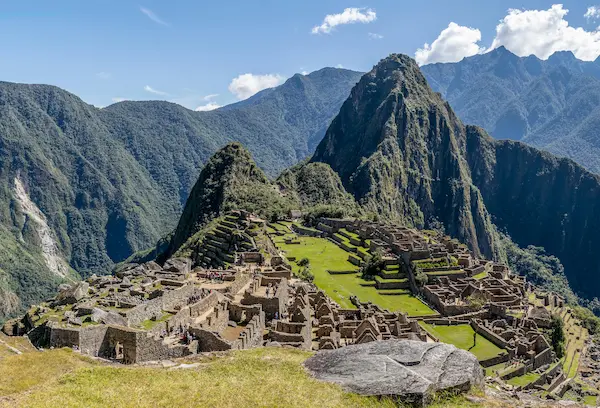
When was Machu Picchu built? Machu Picchu was built in the 15th century, most likely during the reign of the Inca ruler Pachacuti Inca Yupanqui. Most historians place its main construction around the mid-1400s, although the exact year is still debated because the Incas did not leave alphabetic written records describing the foundation of the site.
The most accurate answer to When was Machu Picchu built is that it was constructed during the height of the Inca Empire, probably as a royal estate, ceremonial center, agricultural complex, and symbol of political power. A simple answer such as “around 1450” is useful, but a more complete explanation is that Machu Picchu was planned, built, occupied, and maintained over time during the 15th century.
Machu Picchu is not only a beautiful ruin. It is a masterpiece of Inca architecture, stonework, water management, agricultural planning, and sacred landscape design.
You might be interested in: What Is the Inca Trail? Everything you need to know before hiking it
Historical Context: The Inca Empire and Machu Picchu
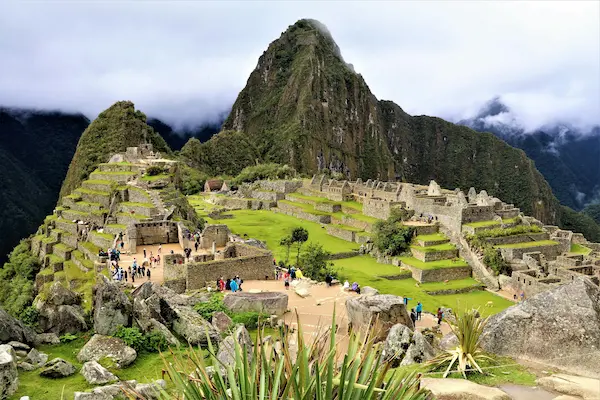
To understand When was Machu Picchu built, it is necessary to understand the rise of the Inca Empire. The 15th century was one of the most important periods in Andean history. During this time, the Incas expanded from the Cusco region into one of the largest and most organized empires in the Americas.
Pachacuti Inca Yupanqui is often connected with Machu Picchu because he transformed the Inca state into an imperial power. Under his leadership, the Incas expanded territory, improved roads, developed administrative centers, strengthened agriculture, and built royal estates in strategic locations.
Machu Picchu fits this imperial vision. It was located above the Urubamba River, surrounded by mountains, cloud forest, steep slopes, and sacred geography. Its position was not accidental. The Incas carefully selected landscapes that had political, agricultural, and spiritual meaning.
When was Machu Picchu built? It was built when the Inca Empire had enough authority, labor organization, engineering skill, and religious vision to create a complex settlement in one of the most challenging environments in the Andes.
Why the Exact Date Is Difficult to Confirm
Many people want one exact year, but the history is more complex. When was Machu Picchu built? The safest answer is the 15th century, especially the mid-1400s. However, no surviving Inca document gives researchers a precise construction date.
The Incas used quipus, a system of knotted cords, for accounting and communication, but researchers still rely mainly on archaeology, radiocarbon dating, colonial chronicles, ceramics, architecture, and comparison with other Inca sites.
Another reason the exact date is difficult is that Machu Picchu was not built in one single event. It likely developed in phases. Terraces may have been prepared first, followed by drainage systems, stone buildings, ceremonial areas, residential spaces, and agricultural zones.
When was Machu Picchu built should be answered carefully. A professional article should avoid pretending that one exact year is proven. The strongest evidence points to the 15th century, during the expansion of the Inca Empire.
Who Built Machu Picchu in Peru?
More specifically, Machu Picchu is widely associated with Pachacuti Inca Yupanqui, but it was not physically built by one person. It was created by Inca architects, engineers, stone masons, agricultural specialists, water management experts, priests, and laborers organized by the imperial state.
When was Machu Picchu built? It was built during a period when the Incas had developed a highly organized labor system. Workers could be mobilized for large public and royal projects, allowing the state to build roads, temples, agricultural terraces, storehouses, palaces, and administrative centers across the Andes.
The answer to who built the Machu Picchu in Peru is not simply “Pachacuti.” A better answer is that Pachacuti probably ordered or owned the project, while skilled Inca workers and specialists designed and constructed it.
Pachacuti and the Royal Estate Theory
Many scholars believe Machu Picchu functioned as a royal estate connected to Pachacuti. In this context, when was Machu Picchu built is linked to more than a private vacation home. It could include elite residences, agricultural production, ritual spaces, servants, priests, storage areas, and symbolic architecture.
This theory helps explain why Machu Picchu was built in such an impressive location. The site projected power, prestige, and spiritual authority. It also allowed the Inca elite to control and interact with a sacred landscape.
When was Machu Picchu built? Most likely, it was built during Pachacuti’s reign or shortly after his rise to power. This connection explains why Machu Picchu has refined architecture and why it appears to have been designed for more than ordinary settlement.
Planning a Historical Visit From Cusco
Travelers who want to understand the Inca background behind the site should choose routes that explain history, geography, and local culture, not only photo stops. A well-designed itinerary with Lala Peru agency can help visitors connect Cusco, the Sacred Valley, and Machu Picchu through a clearer historical narrative.
You might be interested in: Peruvian Tourist Attractions Guide 2026
What Was Machu Picchu Used For?
Another important related search is “what was Machu Picchu used for.” Machu Picchu was probably used for several purposes at the same time. It may have been a royal estate, ceremonial center, elite residence, agricultural complex, and political symbol.
When was Machu Picchu built? It was built in a period when Inca power was expressed through architecture, landscape control, religious practice, and agricultural production. Machu Picchu reflects all of these elements.
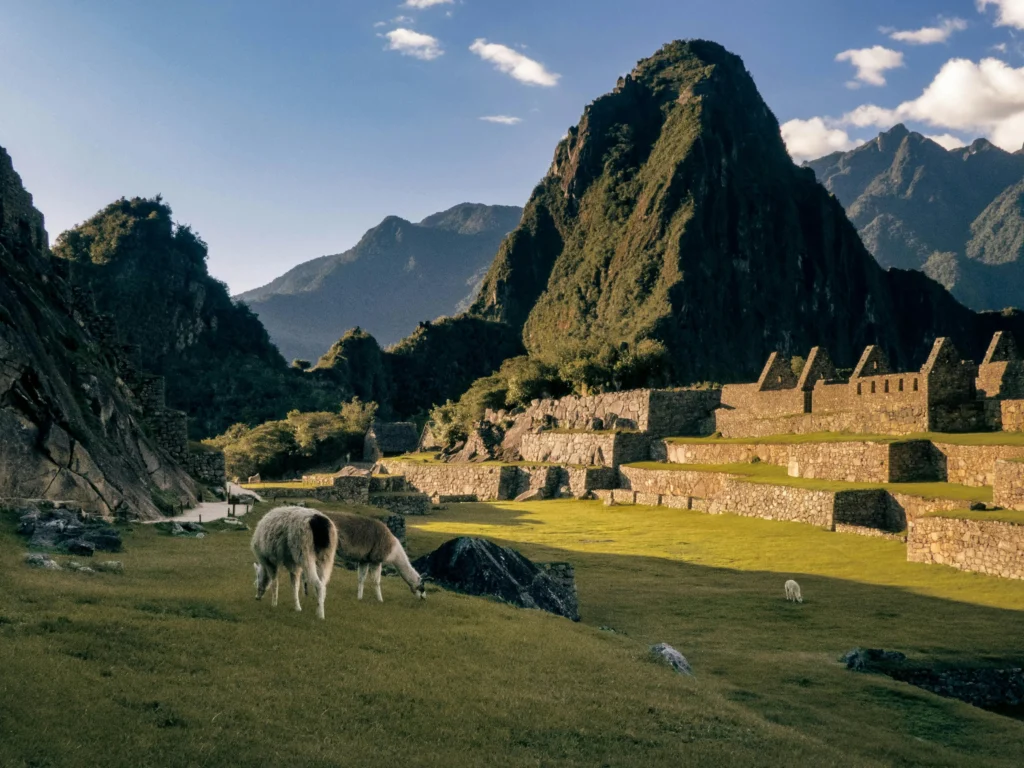
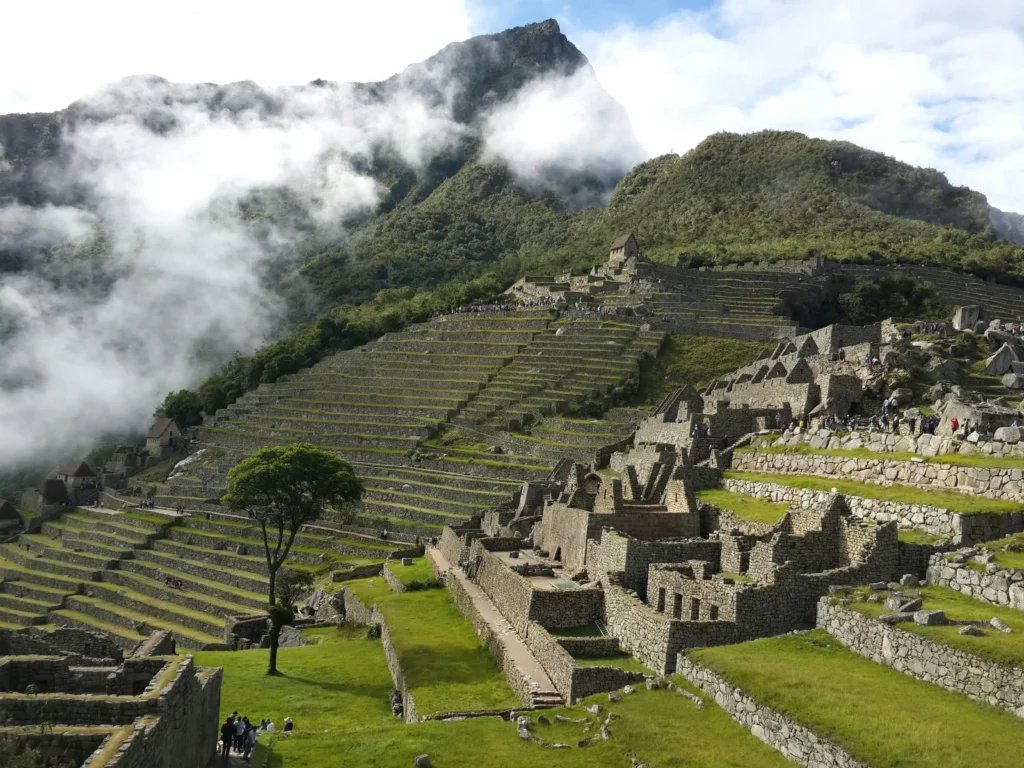
The site includes temples, plazas, terraces, houses, storage areas, water channels, and stone structures with possible astronomical alignments. This variety suggests that it was not a simple fortress or ordinary village.
A Royal Residence
One of the most accepted theories is that Machu Picchu served as a royal residence or estate for Pachacuti and his lineage. The fine stonework, ceremonial areas, and planned layout support this interpretation. A royal estate would have required workers, farmers, priests, attendants, and administrators.
When was Machu Picchu built matters because the date connects the site to the height of Inca royal power. It was not created in a declining period, but during a moment of expansion, confidence, and architectural ambition.
A Ceremonial Center
Machu Picchu also had a strong ceremonial role. Structures such as the Temple of the Sun, the Temple of the Three Windows, and the Intihuatana stone suggest religious and astronomical significance.
The Incas considered the natural world sacred. Mountains, rivers, stones, caves, and celestial cycles shaped religious life. When was Machu Picchu built matters because its location between dramatic peaks made it a powerful ceremonial landscape.
For travelers interested in this spiritual dimension, a route inspired by Cusco earth magic can naturally connect Andean mountains, sacred geography, and the ceremonial meaning of Machu Picchu without reducing the visit to simple sightseeing.
An Agricultural Complex
The terraces of Machu Picchu were essential. They created farmland, controlled erosion, managed water, and stabilized the slopes. These terraces show that agriculture was not separate from architecture. It was part of the site’s survival.
When was Machu Picchu built? It was built by a civilization that understood how to make steep mountain environments productive. The terraces were both practical and symbolic, showing human control over a difficult landscape.
How Was Machu Picchu Built?
When was Machu Picchu built? It was built before modern machines, steel tools, cement, or cranes. Yet the Incas created one of the most impressive architectural achievements in the world.
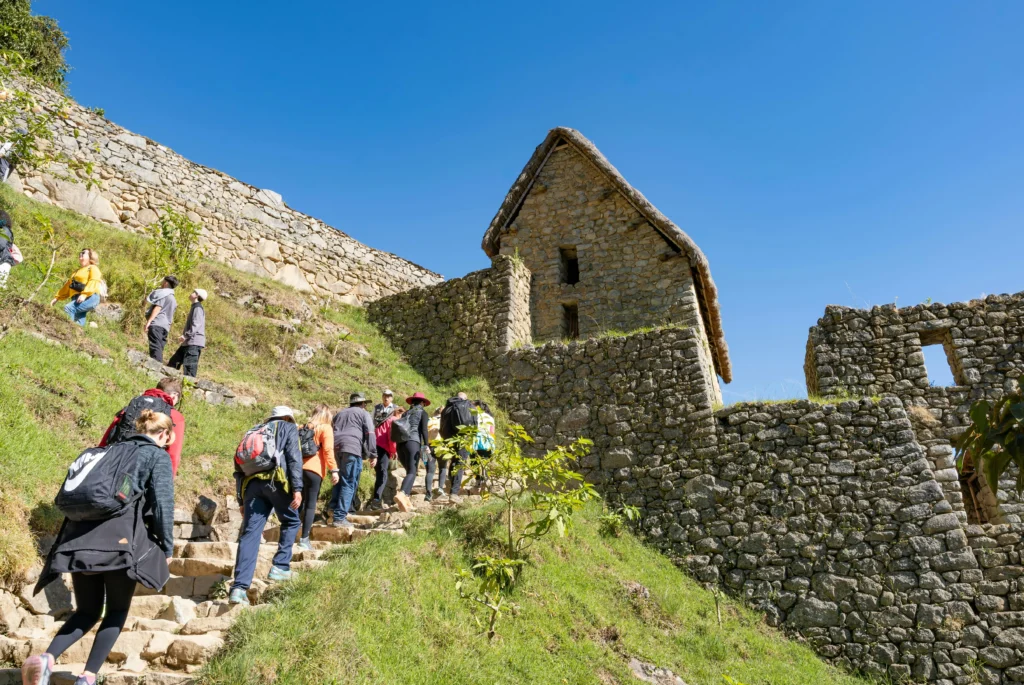
The builders used local stone and shaped it with great precision. Many walls were built using a dry-stone technique, meaning the stones fit together without mortar. This method helped the buildings resist earthquakes because the stones could move slightly and settle back into place.
Inca architecture often used trapezoidal doors and windows. These shapes improved stability and became a recognizable feature of Inca design. At Machu Picchu, the walls, stairways, terraces, and temples show a deep understanding of mountain construction.
Water Management and Drainage
One of the most important parts of Machu Picchu is what visitors do not always see: the drainage system. The site receives heavy rainfall, and without proper drainage, the terraces and buildings would have collapsed.
The Incas designed underground layers of stone, gravel, and soil to move water away from structures. They also built channels, fountains, and drains to control the flow of water through the site. This is one of the strongest reasons Machu Picchu survived for centuries.
This construction timeline also matters because it shows how advanced Inca engineering had become by the 1400s. The site was designed not only to look impressive, but to survive in a wet and unstable mountain environment.
Terraces and Slope Stability
The terraces at Machu Picchu were not decorative. They prevented landslides, created agricultural land, reduced erosion, and protected the site from heavy rain.
When was Machu Picchu built? It was built by engineers who understood that a city in the clouds needed more than walls. It needed foundations, drainage, slope control, and agricultural planning.
You might be interested in: 7 most beautiful sunsets in Peru
When Was Machu Picchu Found?
Another related query is “when was Machu Picchu found.” The common answer is July 24, 1911, when Hiram Bingham reached the site with guidance from local residents and later introduced it to international audiences.
However, it is important to use the word “found” carefully. Machu Picchu was not completely unknown before Bingham. Local people knew about the ruins, and some families lived or farmed near the area.
When was Machu Picchu built? That question refers to the 15th century. “When was Machu Picchu found” usually refers to its international rediscovery in 1911.
Hiram Bingham photographed, documented, and publicized Machu Picchu, helping make it famous around the world. But local knowledge existed before his arrival. A more accurate phrase is that Bingham brought Machu Picchu to global attention.
Why Was Machu Picchu Abandoned?
Machu Picchu was likely abandoned in the 16th century after the Spanish conquest disrupted the Inca Empire. The abandonment was probably linked to political collapse, population movement, disease, and the end of the imperial system that supported royal estates like Machu Picchu.
When was Machu Picchu built? It was built during the strength of the Inca Empire, but it lost its original function after that imperial order disappeared.
Because the Spanish did not build directly over Machu Picchu as they did in parts of Cusco, the site remained relatively protected. Its remote location helped preserve its stonework, terraces, and sacred spaces.
Visiting Machu Picchu With Historical Context
Understanding When was Machu Picchu built makes the visit much richer. Travelers are not just looking at stone walls; they are walking through a planned Inca landscape shaped by power, religion, agriculture, and engineering.
When planning a trip, visitors should look for tours that explain the history, respect local communities, and give enough time to understand the site. The best experience connects Cusco, the Sacred Valley, the train or trekking route, and the archaeological site itself.
Peru Itinerary From Lima to Cusco
Many travelers begin their journey on the coast before flying to Cusco and continuing toward the Sacred Valley. A broader Lima Peru tour can help connect Peru’s coastal history, colonial capital, Andean culture, and the final visit to Machu Picchu in one more complete itinerary.
You might be interested in: 7 sustainable living lessons from the Inca civilization
FAQ About Machu Picchu
When Was Machu Picchu Built?
When was Machu Picchu built? Machu Picchu was built in the 15th century, most likely during the reign of Pachacuti Inca Yupanqui. The common estimate is around the mid-1400s, but the exact year is not fully confirmed.
Who Built Machu Picchu in Peru?
The Incas built Machu Picchu in Peru. The project is usually associated with Pachacuti, but it was constructed by skilled Inca architects, engineers, stoneworkers, farmers, and laborers.
What Was Machu Picchu Used For?
Machu Picchu was probably used as a royal estate, ceremonial center, elite residence, agricultural complex, and symbol of Inca power.
When Was Machu Picchu Found?
Machu Picchu became internationally famous in 1911 when Hiram Bingham reached the site with local guidance. However, local people already knew about the ruins before that date.
When was Machu Picchu built?
Machu Picchu was built in the 15th century, most likely during the reign of Pachacuti Inca Yupanqui and the expansion of the Inca Empire. While many people use the date around 1450, the most accurate answer is that the site was constructed and occupied during the 1400s.
The Incas built Machu Picchu with extraordinary skill. They shaped stone without mortar, designed terraces to control slopes, created drainage systems to manage rainfall, and placed the site within a sacred mountain landscape.
Machu Picchu was probably used as a royal estate, ceremonial center, agricultural complex, and symbol of imperial power. It was later abandoned after the Spanish conquest disrupted the Inca world, and it became internationally famous in 1911 after Hiram Bingham’s expedition.
So, When was Machu Picchu built? The best final answer is this: Machu Picchu was built by the Incas in the 15th century, probably under Pachacuti, and remains one of the greatest examples of Andean engineering, spirituality, and architectural genius.

