
Peru is one of South America’s most exciting destinations, a country where ancient civilizations, dramatic landscapes, vibrant cities, and world-class cuisine come together in one unforgettable journey. Travelers searching for peruvian tourist attractions usually imagine Machu Picchu first, but the country offers much more than its famous Inca citadel.
This guide explores the best peruvian tourist attractions for first-time visitors and returning travelers who want a deeper experience.
You might be interested in: 7 most beautiful sunsets in Peru
Why Peru Is a Dream Destination for Travelers
Peru has a rare combination of geography and heritage. In a single trip, you can walk through pre-Columbian ruins, taste award-winning dishes in Lima, sail across Lake Titicaca, hike through snow-capped mountains, and explore jungle ecosystems filled with wildlife. That variety is the reason many of the main tourist attractions in peru appeal to very different travel styles, making the country home to some of the most diverse peruvian tourist attractions in South America.
The best peruvian tourist attractions are not only beautiful places; they are living cultural landscapes. Many communities still preserve traditional clothing, Quechua language, ancestral farming methods, weaving techniques, and spiritual customs connected to the mountains, rivers, and earth.
Machu Picchu: The Icon of Peru
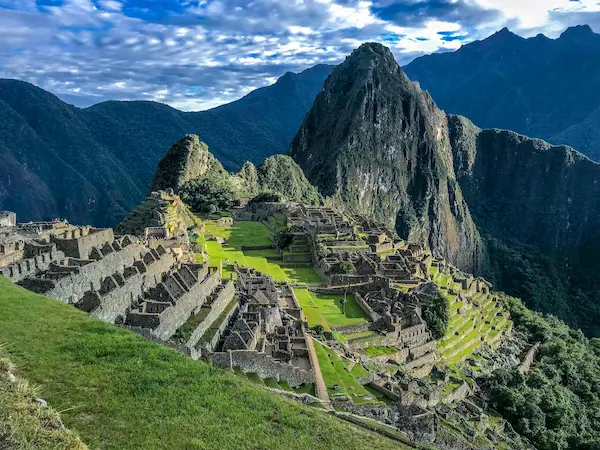
Machu Picchu is the most famous of all peruvian tourist attractions and one of the world’s great archaeological sites. Built by the Incas in the 15th century, this stone city sits high above the Urubamba River, surrounded by misty mountains and cloud forest. Its terraces, temples, stone stairways, and ceremonial spaces show the advanced engineering and spiritual vision of the Inca civilization. The site is also special because of its dramatic location, where architecture and nature seem perfectly connected.
How to Experience Machu Picchu
Most travelers reach Machu Picchu by train from Cusco or Ollantaytambo to Aguas Calientes, then continue by bus to the entrance. More adventurous visitors choose the Inca Trail, Salkantay Trek, or Lares routes. To enjoy the visit fully, it is best to book tickets in advance, arrive early, and consider hiring a guide who can explain the history, symbolism, and most important areas of the citadel. Popular highlights include the Temple of the Sun, the Intihuatana stone, the Sacred Plaza, and the viewpoints that offer the classic postcard image of Machu Picchu.
Cusco: The Historic Capital of the Andes
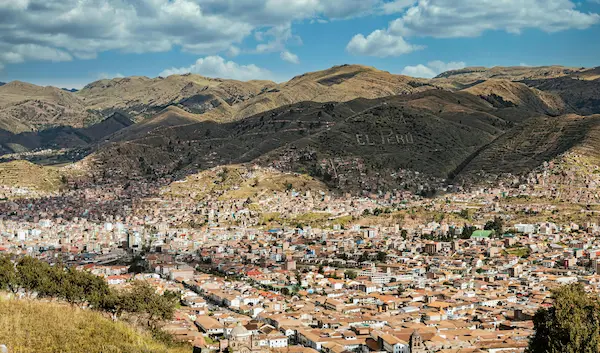
Cusco is one of the essential peruvian tourist attractions because it blends Inca foundations, Spanish colonial architecture, mountain traditions, markets, restaurants, and spiritual energy. Once the capital of the Inca Empire, the city still preserves stone walls, narrow streets, and sacred spaces that reflect its ancient importance. Today, Cusco is also a lively cultural hub where travelers can enjoy museums, artisan shops, traditional food, and colorful festivals.
Places to Visit in Cusco
The Plaza de Armas is the heart of the city, surrounded by the Cathedral, cafés, balconies, and travel agencies. Nearby, Qorikancha shows the fusion of Inca sacred architecture and colonial religious construction. Visitors can also explore the San Blas neighborhood, known for its steep streets, art workshops, viewpoints, and charming cafés.
Above the city, Sacsayhuamán is one of the most impressive peruvian tourist attractions near Cusco. Its massive stone walls show the extraordinary precision of Inca construction. Other nearby sites such as Qenqo, Puka Pukara, and Tambomachay are also worth visiting, especially for travelers interested in archaeology, rituals, and Andean history. For travelers interested in Andean spirituality and cultural immersion, a Cusco earth magic tour can add context to the sacred landscapes and local beliefs that still shape the region.
The Sacred Valley: Villages, Ruins, and Mountain Views
The Sacred Valley is one of the most rewarding regions for travelers who want to slow down and enjoy Andean scenery. Located between Cusco and Machu Picchu, the valley includes fertile fields, traditional villages, colorful markets, archaeological sites, and adventure activities. Its lower altitude compared to Cusco also makes it a great place to acclimatize before visiting Machu Picchu. Towns such as Pisac, Urubamba, Ollantaytambo, and Chinchero offer a beautiful mix of history, landscapes, local crafts, and everyday Andean life.
Maras and Moray
Maras and Moray are among the most photogenic peruvian tourist attractions in the Sacred Valley. The Maras salt mines consist of thousands of white salt pools cascading down a mountainside, creating a unique landscape that has been used since pre-Inca times. Moray’s circular terraces reveal the Incas’ sophisticated agricultural knowledge, as each level created different microclimates for testing crops. Together, these sites are ideal for travelers interested in photography, history, culture, and the impressive relationship between Inca engineering and nature.
You might be interested in: 7 sustainable living lessons from the Inca civilization
Lima: Culture, Cuisine, and Coastal Views
Lima is often underestimated by travelers who rush to the Andes, but the capital deserves time. Many lima peru tourist attractions combine colonial history, modern creativity, oceanfront views, and exceptional gastronomy. As the culinary capital of South America, Lima is also the perfect place to try iconic dishes like ceviche, lomo saltado, and causa, while enjoying a vibrant mix of tradition and innovation.
Historic Center of Lima
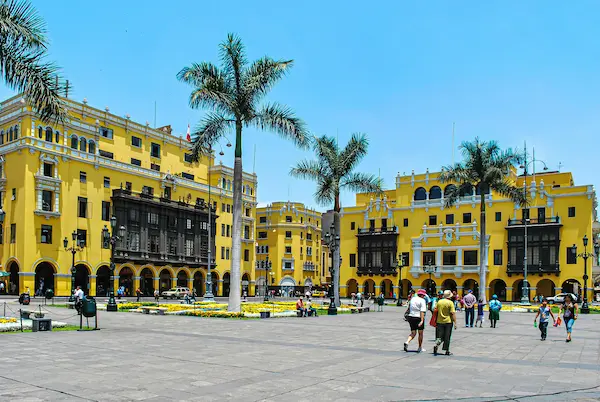
The Historic Center is one of the top peruvian tourist attractions for understanding Peru’s colonial period. The Plaza Mayor, Government Palace, Cathedral of Lima, Archbishop’s Palace, and San Francisco Monastery reveal the architectural and political heart of the city.
Places you can visit in the Historic Center include:
- The Catacombs of San Francisco, an underground network filled with colonial-era burial chambers and one of the most unique historical experiences in Lima
- The Cathedral of Lima, where you can see religious art and the tomb of Francisco Pizarro
- The Government Palace, where you can watch the changing of the guard ceremony
- The Archbishop’s Palace, known for its beautiful wooden balconies
- The House of Peruvian Literature, located in a historic train station and dedicated to national writers
- The Aliaga House, one of the oldest continuously inhabited houses in the Americas
- The Parque de la Muralla, where you can see remnants of the old city walls
These landmarks make the Historic Center one of the most complete and fascinating peruvian tourist attractions for history lovers.
Miraflores, Barranco, and the Pacific Coast
Miraflores is known for parks, restaurants, shopping, and cliffs overlooking the Pacific Ocean. It is one of the safest and most visitor-friendly areas in Lima, with highlights such as Kennedy Park, the Malecón, a scenic coastal walkway, and Larcomar, a shopping center built into the cliffs with ocean views. It’s also a great place for outdoor activities like paragliding, biking, or simply enjoying a sunset over the Pacific, making it one of the most enjoyable peruvian tourist attractions in the capital.
Barranco offers murals, galleries, music venues, cafés, and the romantic Bridge of Sighs. This bohemian district is full of character, with colorful streets, street art, and a vibrant nightlife scene. It’s also home to cultural spaces like the Museum of Contemporary Art, MAC, and small independent galleries that showcase modern Peruvian artists.
Visitors who want a guided introduction to neighborhoods, history, and cuisine can choose lima tours that combine sightseeing with local flavors. Along the Pacific Coast, travelers can also explore nearby beaches, enjoy fresh seafood, or take short trips south to places like Punta Hermosa or Asia, making this area one of the most dynamic peruvian tourist attractions for both relaxation and urban exploration.
Arequipa and the Colca Canyon
Arequipa, known as the White City, is one of the most elegant peruvian tourist attractions in southern Peru. Built with pale volcanic stone called sillar, the city has a distinctive architectural style and a beautiful historic center, recognized as a UNESCO World Heritage Site. Surrounded by volcanoes such as Misti, Chachani, and Pichu Pichu, Arequipa offers dramatic scenery along with a rich cultural atmosphere. Visitors can explore the Santa Catalina Monastery, a colorful colonial complex that feels like a city within a city, as well as local markets and traditional picanterías where regional dishes like rocoto relleno and adobo are served.
Things you can do in Arequipa include:
- Visit the Santa Catalina Monastery and walk through its colorful streets and courtyards
- Explore the Plaza de Armas and enjoy views of the Cathedral and surrounding volcanoes
- Try traditional dishes in local picanterías such as rocoto relleno, chupe de camarones, and adobo arequipeño
- Visit the Museo Santuarios Andinos to learn about the famous Inca Ice Maiden “Juanita”
- Walk through the Yanahuara district for its viewpoints and traditional arches
- Shop for alpaca wool products and local crafts at artisan markets
- Take a food tour or cooking class to experience Arequipa’s gastronomy
- Go hiking or trekking around nearby volcanoes and natural landscapes
- Visit local countryside areas like Sabandía and its traditional mill
Colca Canyon
From Arequipa, many travelers continue to Colca Canyon, one of the deepest canyons in the world and one of the most breathtaking peruvian tourist attractions. The region offers terraced landscapes built by ancient civilizations, natural hot springs, traditional villages, and scenic viewpoints such as Cruz del Cóndor, where Andean condors can often be seen soaring at close range. Travelers can also enjoy hiking routes, cultural experiences with local communities, and peaceful stays in small towns like Chivay or Yanque, making the Colca region ideal for both adventure and cultural immersion.
You might be interested in: Sightseeing Cusco: best guide to explore the city
Nazca Lines and the Southern Desert
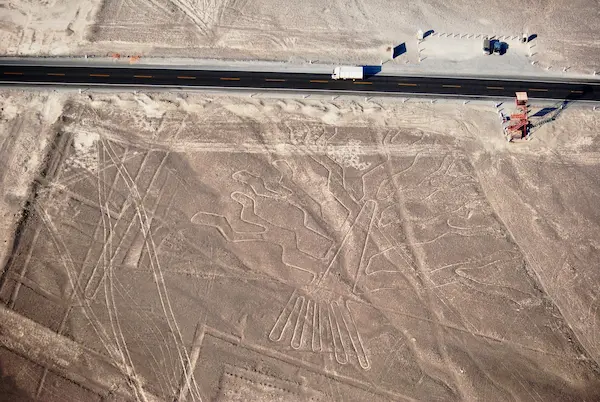
The Nazca Lines are mysterious geoglyphs etched into the desert floor, representing animals, plants, geometric shapes, and long lines. They are among the most intriguing peruvian tourist attractions because their purpose remains debated, with theories ranging from astronomical calendars to ceremonial pathways. The best way to fully appreciate their scale and design is by taking a small plane flight over the desert, although some viewing towers and nearby hills also offer partial views.
Paracas and the Ballestas Islands
Paracas is another coastal highlight and one of the most diverse peruvian tourist attractions on the coast. The Paracas National Reserve protects desert cliffs, beaches, marine ecosystems, and dramatic ocean views, where the desert meets the sea in striking contrast. Nearby, the Ballestas Islands are home to sea lions, seabirds, Humboldt penguins, and other wildlife, often referred to as the “poor man’s Galápagos” due to their rich biodiversity. Boat tours from Paracas allow visitors to see the famous Candelabra geoglyph on the way to the islands, adding even more mystery and history to the experience.
Huacachina: Sandboarding and Desert Adventure
Huacachina is a small oasis surrounded by massive dunes near the city of Ica. It is one of the most fun peruvian tourist attractions for adventure travelers, especially those interested in dune buggy rides and sandboarding. The oasis itself is built around a natural lagoon, lined with palm trees, hostels, restaurants, and viewpoints that create a unique desert atmosphere.
Visitors can take high-speed dune buggy tours, climb the dunes for panoramic views, and try sandboarding at different skill levels, from beginner slopes to steep drops. Sunset is one of the best times to visit, as the golden light over the desert creates spectacular scenery. In addition to adventure activities, travelers can also relax by the lagoon, enjoy local food, or take short trips to nearby vineyards in Ica to taste Peruvian wine and pisco, adding a cultural touch to this exciting destination.
The Amazon Rainforest in Peru
Peru contains a large portion of the Amazon basin, and the rainforest is one of the country’s most biodiverse regions. The Peruvian Amazon can be accessed mainly through Puerto Maldonado in the south or Iquitos in the north. This region offers a completely different experience from the Andes and the coast, with tropical landscapes, rivers, dense vegetation, and incredible wildlife, making it one of the most remarkable peruvian tourist attractions for nature lovers.
Lake Titicaca: Islands and Living Traditions
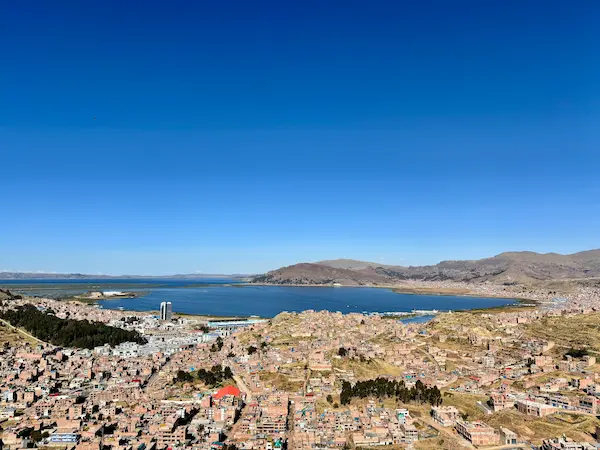
Lake Titicaca, shared by Peru and Bolivia, is one of the most culturally significant peruvian tourist attractions. On the Peruvian side, Puno is the main base for visiting the islands. Located at over 3,800 meters above sea level, it is also the highest navigable lake in the world, surrounded by Andean landscapes and traditional communities that preserve ancient customs.
The floating Uros Islands are made of totora reeds and show a unique way of life adapted to the lake. Taquile Island is known for textile traditions, community tourism, and wide lake views. Visitors can also explore Amantani Island, where families host travelers in homestays, offering a deeper cultural experience with local food, music, and traditions. These experiences make the region one of the most authentic peruvian tourist attractions for cultural immersion.
Puerto Maldonado and Tambopata
Tambopata National Reserve is one of the top peruvian tourist attractions for wildlife lovers. Travelers can stay in jungle lodges, visit clay licks, walk canopy towers, paddle oxbow lakes, and look for monkeys, caimans, giant river otters, and colorful birds. Guided night walks are also popular, allowing visitors to observe insects, frogs, and nocturnal animals in their natural habitat.
In Iquitos, travelers can explore the northern Amazon, visit riverside communities, take boat trips along the Amazon River, and discover protected areas such as Pacaya Samiria National Reserve. Whether visiting Tambopata or Iquitos, the Peruvian Amazon is one of the most unique peruvian tourist attractions, ideal for travelers who want nature, adventure, photography, and a deeper connection with one of the most important ecosystems on Earth.
You might be interested in: Andean spectacled bear: complete guide diet of the South America’s spectacled bear
Huaraz and the Cordillera Blanca
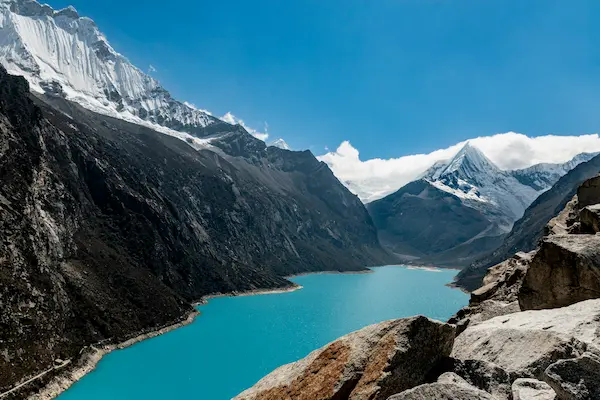
Huaraz is a paradise for hikers and mountaineers. The Cordillera Blanca contains some of the highest tropical mountains in the world, along with turquoise lakes, glaciers, valleys, and high passes. Among outdoor travelers, this region is one of the most spectacular peruvian tourist attractions. Popular highlights include Laguna 69, Pastoruri Glacier, and multi-day treks such as the Santa Cruz route, which offers breathtaking views of snow-capped peaks and alpine landscapes. Huaraz is also a great base for adventure sports like rock climbing, mountain biking, and high-altitude trekking.
Northern Peru: Ancient Cultures Beyond the Inca
Northern Peru is less visited than Cusco and Lima, but it contains some of the richest archaeological sites in the country. Travelers who want to go beyond the classic route will find peruvian tourist attractions connected to the Moche, Chimú, Chachapoyas, and other cultures. Cities like Trujillo and Chiclayo are key starting points to explore ancient temples, pyramids, and museums filled with gold artifacts, ceramics, and tomb discoveries that reveal the complexity of pre-Inca civilizations.
Kuélap and Gocta Waterfall
Kuélap is a massive mountaintop fortress built by the Chachapoyas culture. Its stone walls, circular houses, and cloud forest setting make it one of the most underrated peruvian tourist attractions. Nearby, Gocta Waterfall is one of the tallest waterfalls in the world and can be reached through a scenic hike surrounded by lush vegetation and wildlife. Together, these sites offer a unique combination of archaeology and nature, far from the more crowded destinations in southern Peru.
Best Itinerary Ideas for Peru
A classic 7- to 10-day itinerary usually includes Lima, Cusco, the Sacred Valley, and Machu Picchu. With two weeks, travelers can add Arequipa, Colca Canyon, Lake Titicaca, or the Amazon. Peru’s diversity allows you to combine different regions, so you can experience coast, mountains, and jungle in a single trip while exploring some of the most iconic peruvian tourist attractions.
First-Time Traveler Route
Start in Lima for food and culture, then fly to Cusco. Spend at least two days acclimatizing while exploring the city and nearby ruins. Continue through the Sacred Valley, visit Machu Picchu, and return to Cusco. If time allows, add a day trip to Rainbow Mountain or Humantay Lake. This route covers the most famous peruvian tourist attractions without rushing too much and offers a perfect balance between history, scenery, and cultural experiences.
Culture and Archaeology Route
Focus on Lima museums, Cusco, the Sacred Valley, Machu Picchu, Nazca, Trujillo, Chiclayo, Kuélap, and Chavín de Huántar. This route is ideal for travelers interested in ancient civilizations and archaeological discoveries beyond the Inca Empire. You will explore coastal pyramids, desert geoglyphs, highland temples, and remote fortresses, gaining a deeper understanding of Peru’s rich history and some of the most fascinating peruvian tourist attractions. A trusted Peru travel agency can help connect remote regions and plan transportation efficiently, especially when combining northern and southern destinations.
You might be interested in: Andes mountain animals: a complete guide to wildlife in the Peruvian Andes
Practical Tips for Visiting Peru
The best time to visit the Andes is generally the dry season, from May to September. The Amazon can be visited year-round, though rain is always possible. The coast is driest and sunniest in the southern summer, especially from December to March.
Pack according to region. Lima and the coast may require light layers, while Cusco, Puno, Arequipa, and Huaraz can be cold at night. For high-altitude destinations, plan rest days and avoid overly ambitious schedules. These tips will help you enjoy the main peruvian tourist attractions with more comfort and confidence.
- Additional travel tips for Peru:
- Book Machu Picchu tickets and trains in advance, especially during high season
- Acclimatize slowly when arriving in high-altitude cities like Cusco or Puno
- Drink plenty of water and try coca tea to help with altitude adjustment
- Carry cash (Peruvian soles), as not all places accept cards, especially in small towns
- Use sunscreen, sunglasses, and a hat, as the sun can be strong even on cloudy days
- Be cautious with street food and drink bottled or filtered water
- Learn a few basic Spanish phrases; English is common in tourist areas but not everywhere
- Respect local customs and traditions, especially in rural and indigenous communities
- Use official taxis or transportation services for safety
- Keep copies of your passport and important documents
These practical tips will help you enjoy the best peruvian tourist attractions comfortably and safely while making the most of your trip.
Why Peru Should Be on Your Travel List
The best peruvian tourist attractions show a country of extraordinary contrasts. Peru is ancient and modern, coastal and mountainous, urban and wild, spiritual and adventurous. Few destinations offer such a rich mix of archaeological wonders, natural beauty, living traditions, and unforgettable food experiences in one journey.
From the mystery of Machu Picchu to the energy of Lima, the landscapes of the Sacred Valley, the wildlife of the Amazon, and the quiet magic of Lake Titicaca, every region offers something different. These places represent some of the most unforgettable peruvian tourist attractions, showing the country’s diversity, history, and natural beauty. Peru is not only a place to visit; it is a country to experience slowly, with curiosity and respect.
Whether you are planning your first trip or returning for a deeper route, Peru rewards travelers who look beyond the obvious. Take time to connect with local communities, explore lesser-known destinations, try regional dishes, and understand the stories behind each place. In the end, the most memorable part of Peru is not only what you see, but how deeply each experience stays with you.

