

Hey there, adventurer! If you’ve landed here, you’re probably itching to learn some facts about the Incas. And let me tell you, you’re in the right place! The Incas didn’t just make a mark on history with Machu Picchu they did so many mind-blowing things that’ll have you seeing history in a whole new light. Picture this: an empire without money, roads that crossed mountains like they were nothing, and even a communication system with knots. I promise, this will be as thrilling as an afternoon exploring the Andes. Let’s dive into the world of the Incas!
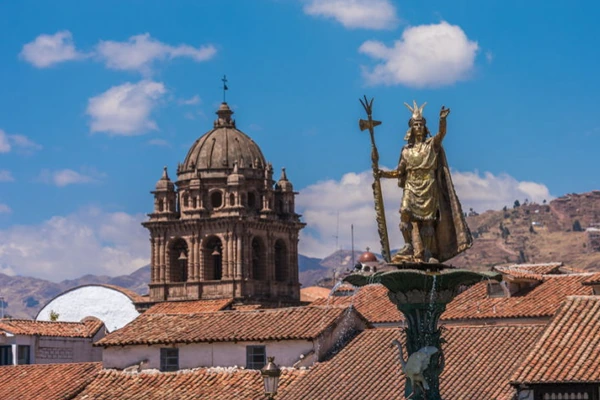
Why are the Incas still important today?
Although the Inca Empire existed for little more than a century, its influence can still be seen throughout Peru and the Andes. Many traditions, agricultural practices, and engineering techniques developed by the Incas continue to shape local communities, while archaeological sites attract millions of visitors eager to learn more about this remarkable civilisation.
Exploring facts about the Incas is not only a way to understand the past but also to recognise how their legacy remains alive in modern society. Their achievements continue to inspire historians, archaeologists, and travellers from around the world.
The Inca legacy in modern Peru
The influence of the Incas extends far beyond ancient ruins. Quechua is still spoken by millions of people, traditional weaving techniques continue to be passed from one generation to the next, and many farming methods developed centuries ago remain in use across the Andes.
Many facts about Inca civilisation are reflected in everyday life throughout Peru. Festivals, local customs, and traditional knowledge demonstrate that the cultural heritage of the empire continues to play an important role in preserving the country’s identity.
Why people are still fascinated by the Incas
The mystery surrounding the Inca civilisation continues to capture the imagination of people across the globe. Archaeological discoveries, impressive stone architecture, and breathtaking sites such as Machu Picchu encourage researchers to uncover new details about one of South America’s greatest empires.
For many visitors, learning interesting facts about the Incas adds a deeper appreciation to their journey through Peru. Every discovery offers new insight into a civilisation whose knowledge of engineering, astronomy, and social organisation was remarkably advanced for its time.

1. The Inca Empire only lasted for about one century
The Inca Empire, also known as Tahuantinsuyo, began around 1400 CE, but its reign was tragically short lived. In just a century, the Incas expanded their territory from present day Chile and Argentina to southern Colombia. This remarkable growth was driven by military strategy, diplomacy, and an efficient administrative system that united diverse communities across the Andes.
Among the most fascinating facts about the Incas, their rapid rise is one of the most remarkable. However, the empire came to an end in 1533 after the arrival of the Spanish conquistadors, who took advantage of the civil war between Huayna Capac’s sons and the devastating effects of smallpox. These historical events remain one of the most interesting facts about the Incas because they changed the course of South American history.

2. The Incas didn’t have a written alphabet, but they had khipu
Although the Incas did not develop a written alphabet, they created an ingenious record keeping system known as khipu or quipu. It consisted of coloured strings tied with knots that represented numerical values and possibly more complex information related to administration and daily life.
Researchers believe khipus were used to record census data, collect tribute, organise agricultural production, and manage the empire’s resources. This sophisticated system allowed officials to communicate and preserve essential information across a vast territory without relying on written texts.

3. The Incas domesticated very few animals
Compared with many other ancient civilisations, the Incas domesticated only a limited number of animals. Llamas, alpacas, ducks, and guinea pigs played an important role in daily life, with llamas serving as pack animals that transported goods through the challenging landscapes of the Andes. Alpacas provided valuable wool, while guinea pigs were commonly raised as a food source.
These interesting facts about the Incas show how effectively they adapted to their environment without depending on large draft animals such as horses or oxen. Instead, they developed practical solutions that supported agriculture, trade, and communication throughout the empire.
You might be interested: Inca Jungle Trek to Machu Picchu | What you need to know

4. The Incas were mostly vegan
Although the Incas ate meat on certain occasions, their daily diet was largely based on plant foods. Quinoa, amaranth, maize, and thousands of potato varieties formed the foundation of their nutrition, while guinea pig was generally reserved for ceremonies and special celebrations.
Their agricultural knowledge allowed them to cultivate highly nutritious crops such as maca, purple corn, and cacao in different ecological zones. This balanced diet helped sustain large populations and reflected their deep understanding of the Andean environment and its natural resources.

5. The Incas respected complementary gender roles
Inca society viewed the responsibilities of men and women as complementary rather than unequal. Women contributed through weaving, food preparation, and household management, while men focused on agriculture, construction, and military duties. Both roles were considered essential to maintaining balance within the empire.
One of the lesser known facts about Inca civilisation is the recognition of quariwarmi, individuals who embodied both masculine and feminine qualities. They were respected members of society and often served as spiritual leaders or shamans, reflecting the cultural values and beliefs that shaped the Inca world.

6. The Incas had a unique communal concept called Ayni
Ayni, a fundamental principle of Inca society, can be translated as “today for you, tomorrow for me.” It represented a system of mutual support that encouraged communities to work together for the benefit of everyone. Whether cultivating fields, building homes, or preparing for important ceremonies, cooperation was considered an essential part of daily life.
This tradition reflected the Inca belief that collective effort strengthened both individuals and communities. Even today, many Andean villages continue to practise ayni, preserving a centuries old custom that highlights the importance of solidarity, reciprocity, and respect for one another.
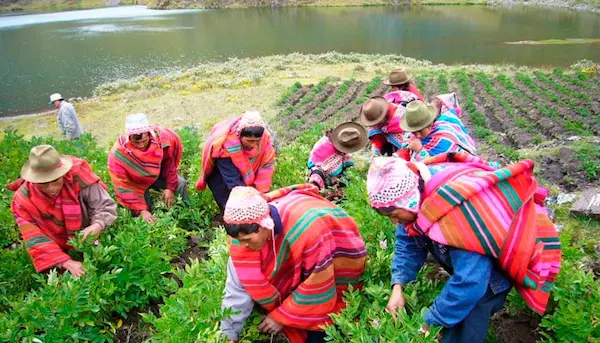
7. The Incas never had to worry about starvation
The Incas developed remarkable agricultural techniques that helped provide a stable food supply across their vast empire. Through terrace farming, irrigation systems, and cultivation at different elevations, they successfully grew crops in challenging mountain environments. They also built large storage facilities known as qollqas, where food could be preserved for months or even years.
Among the most impressive facts about the Incas is their ability to plan for periods of scarcity long before they occurred. Their organised food storage system, combined with advanced farming methods, allowed communities to withstand poor harvests and support a growing population throughout the Andes.
You might also be interested: Inca temples: 7 sacred sites that still whisper history

8. The Incas were imperialists
Like many powerful civilisations, the Incas expanded their territory through conquest. However, their approach differed from that of later European colonisers. Instead of forcing complete cultural assimilation, they often allowed conquered communities to preserve their languages, customs, and traditions, provided they recognised the authority of the Inca ruler and contributed tribute.
This strategy helped maintain stability across a vast and culturally diverse empire. Even so, expansion was not always peaceful, and several regions, particularly those on the eastern frontier, strongly resisted Inca control throughout their history.

9. The Incas never managed to fully conquer the jungle
Although the Inca Empire stretched across much of the Andes, its expansion slowed as it reached the Amazon rainforest. Dense vegetation, unfamiliar terrain, and the resistance of Indigenous communities made it extremely difficult to establish permanent control over these regions.
One of the lesser known facts about the Incas is that their greatest challenge was not another empire but the natural environment itself. The difficulties of jungle warfare contrasted sharply with their success in the mountains, showing that even one of the most powerful civilisations in the Americas had geographical limits to its expansion.
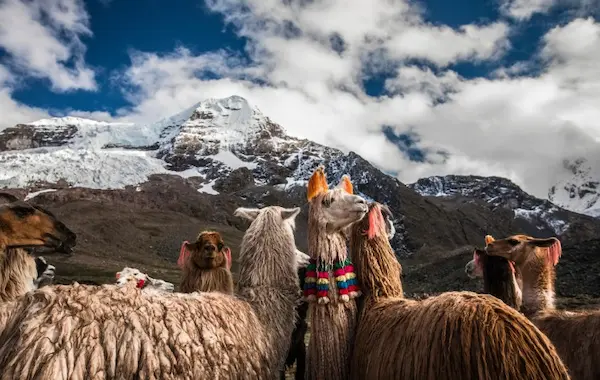
10. The vital role of llamas in the Inca Empire
Llamas played a crucial role in the Inca Empire, as they were primarily used as pack animals. Due to their resilience to high altitudes and their ability to carry heavy loads across the steep Andean mountains, llamas were essential for trade and the expansion of the empire. Additionally, they provided wool for making clothing and blankets, meat for consumption, and leather for crafting various products.
If you want to learn more about these fascinating animals, you can enjoy a Camel Tour & Andean Ceremony in Cusco, where you’ll explore the traditional textile manufacturing process. People from nearby towns work on clothing and ornaments using spinning and dyeing techniques passed down through generations. Therefore, llamas were a vital resource in both the daily life and economic activities of the Inca Empire.

11. The Inca road system spanned 25,000 miles
The Incas built one of the most sophisticated transportation networks of the ancient world, known as the Qhapaq Ñan. Stretching more than 25,000 miles across the Andes, this remarkable system connected cities, agricultural centres, and remote communities throughout the empire, supporting trade, communication, and military organisation across vast territories.
Among the most impressive facts about the Incas is that many sections of the Qhapaq Ñan have survived for centuries and are still used today. Their engineering achievements continue to offer valuable insight into how the empire maintained connections across some of the world’s most challenging landscapes.
You might also be interested: 20 Best Tourist Attractions in Machu Picchu

12. The Incas planned their architecture in line with the cosmos
Inca architecture combined practical engineering with deep spiritual beliefs. Many temples, cities, and ceremonial sites were carefully positioned according to astronomical events, reflecting the idea that human life should exist in harmony with nature and the cosmos.
These facts about the Incas reveal that their architectural achievements extended far beyond impressive stone construction. Sites such as Machu Picchu demonstrate how observation of the sun and the stars influenced the design of sacred spaces throughout the empire.

13. The Incas performed brain surgeries
Archaeological discoveries have shown that the Incas practised a form of brain surgery known as trepanation. This procedure involved removing a small section of the skull to treat head injuries, relieve pressure, or address certain medical conditions, and evidence found on excavated skulls indicates that many patients survived these operations.
Researchers believe Inca surgeons developed effective techniques and used natural remedies to reduce pain and lower the risk of infection. These facts on the incas suggest that their medical knowledge was far more advanced than many people once believed.
For historians and archaeologists, facts about the Incas related to healthcare continue to reshape our understanding of pre Columbian South America. The survival rates associated with trepanation remain one of the most remarkable achievements attributed to Inca medicine.
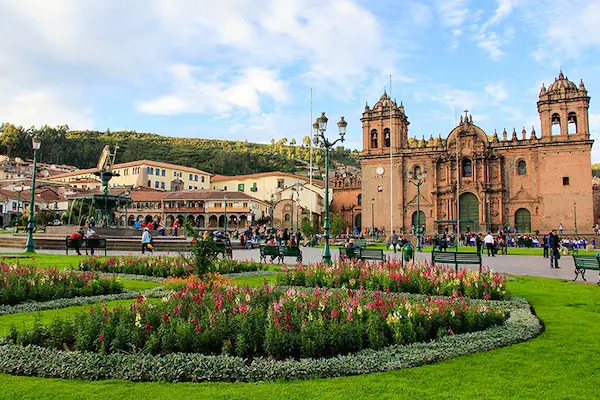
14. The Incas called their capital, Cusco, the “Belly button of the world”
Cusco was much more than the political capital of the Inca Empire. Known as Qosqo in Quechua, its name translates to “navel” or “centre,” reflecting its importance as the point from which the empire was organised and connected through an extensive network of roads.
Among the most fascinating facts about the Incas is the belief that Cusco represented the spiritual heart of their civilisation. Its role as a centre of government, religion, trade, and ceremony made it one of the most influential cities in the Andean world.
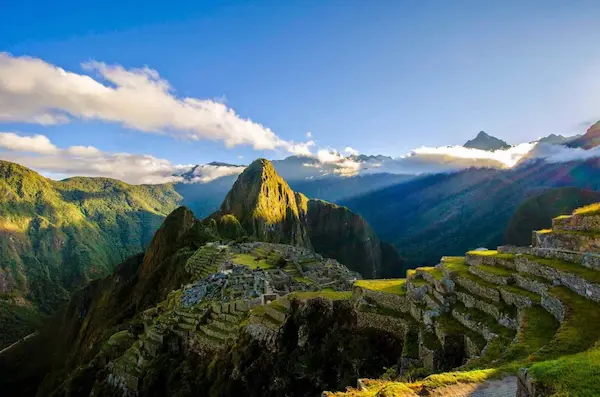
15. Machu Picchu means “Old peak” in Quechua
The name Machu Picchu comes from the Quechua language and is commonly translated as “Old Peak.” Located high in the Peruvian Andes, the citadel is believed to have served as a royal estate and ceremonial centre, combining extraordinary architecture with a spectacular natural setting.
These facts about the Incas help explain why Machu Picchu remains one of the world’s most celebrated archaeological destinations. Its finely crafted stonework, agricultural terraces, and sophisticated water management system continue to inspire researchers and travellers alike.

16. A relay runner system carried messages up to 150 miles a day along the Inca roads
Although the Incas did not develop a conventional writing system, they created an efficient communication network through highly trained messengers known as chasquis. Running in relays along the Qhapaq Ñan, these couriers could carry official messages, goods, and information across the empire at remarkable speed.
Relay stations placed along the roads allowed each runner to pass messages to the next without interruption. This organised system enabled the emperor to communicate with distant regions and respond quickly to administrative or military matters despite the vast distances involved.
Looking at facts about the Incas reveals just how advanced this communication network truly was. It worked alongside the empire’s extensive road system and the use of quipus, creating an administrative structure that was remarkably effective for its time.
You might also be interested: What is Ayahuasca?

17. When Inca youth became adults, they received new names that described their personality
Growing into adulthood marked an important stage in Inca society, and this transition was often celebrated through ceremonies that recognised an individual’s role within the community. Young people could receive new names that reflected their personality, talents, or the qualities they demonstrated in everyday life.
This tradition shows that facts about Inca civilisation are not limited to engineering or military achievements. Personal identity, community values, and social responsibility also played an essential role in shaping life throughout the empire.

18. The Incas cut stones for their buildings to fit together without binding material
One of the greatest achievements of Inca architecture was the extraordinary precision used to shape and assemble massive stone blocks without mortar. Every stone was carefully carved to fit perfectly against the next, creating structures capable of resisting earthquakes that have destroyed many later buildings.
This construction method allowed the stones to move slightly during seismic activity before settling back into their original position. The result was a level of durability that continues to impress architects, engineers, and archaeologists centuries later.
Many visitors discover facts about the Incas through landmarks such as Machu Picchu or Sacsayhuamán, where this remarkable craftsmanship can still be admired today. These examples also rank among the most interesting facts about the Incas, highlighting engineering techniques that remain difficult to replicate with modern technology.

19. The Inca empire didn’t use money
Unlike many ancient civilizations, the Inca Empire did not use money for trade or transactions. Instead, the economy was based on a system of barter and mandatory labor known as mita, where every citizen had to contribute through agricultural work, military service, or infrastructure construction. This system ensured that all members of society had access to essential resources, allowing the empire to thrive without the need for currency. The Inca Trail treks and other engineering feats stand as lasting reminders of the empire’s remarkable ability to create a sustainable economy based on collective effort and shared resources.

20. The Incas believed in three realms or planes
The Inca religion was based on the belief in three realms, or pacha, which corresponded to three animals: the condor, the puma, and the serpent. Hanan Pacha (the upper world) was associated with the condor, Kay Pacha (the earthly realm) with the puma, and Uku Pacha (the underworld) with the serpent. These realms represented the Inca’s understanding of the cosmos and the interconnectedness of all life.
Frequently asked questions about the Incas
Many visitors have questions that go beyond the most well known facts about the Inca Empire. The following answers provide additional context to help you better understand their language, history, and some of their greatest achievements.
Whether you are researching facts about the Incas or planning a trip to Peru, these frequently asked questions offer useful information that complements the historical facts explored throughout this guide.
What language did the Incas speak?
The official language of the Inca Empire was Quechua, which helped connect the many regions under Inca rule. Although different local languages continued to exist, Quechua became the primary language for administration, trade, and communication.
Today, millions of people across Peru, Bolivia, and Ecuador still speak Quechua, making it one of the most enduring legacies of the Inca civilisation.
What happened to the Inca civilisation?
The Inca Empire declined in the sixteenth century following the arrival of the Spanish conquistadors. Civil war between rival heirs to the throne and the spread of European diseases weakened the empire before the Spanish established control.
Although the empire itself came to an end, many facts about the Incas remain visible through archaeological sites, cultural traditions, and Indigenous communities that continue to preserve their heritage.
Did the Incas invent Machu Picchu?
Machu Picchu was built by the Incas during the fifteenth century, most likely under the reign of Emperor Pachacuti. Historians believe it served as a royal estate and ceremonial centre, demonstrating the exceptional engineering skills of the civilisation.
Today, the site continues to reveal new facts about the Incas through archaeological research, making it one of the world’s most important cultural and historical landmarks.
Embrace the Inca legacy
And there you have it! The Incas were absolute masterminds of engineering, business, and survival. From their advanced road system, the Qhapaq Ñan, to their innovative use of quipus for record-keeping, and their awe-inspiring architecture like Machu Picchu, the Incas left a remarkable legacy. And these were all the facts about the Incas. If you’re still craving more, why not go straight to the land they once ruled? With a Peru tour operator, you can walk the same paths they did, and who knows, you might even stumble upon a hidden spot that leaves you speechless. If there’s one thing the Incas knew, it’s that the adventure never ends. So, why not live it for yourself?

