
Across the Andes there are breathtaking reminders of one of the greatest civilizations in the world: the Inca temples. These are a clear example of the mixture of architecture, astronomy and spirituality. But, what makes these temples extraordinary? Join us as we explore all the details about these ancient sites.
You might also be interested: What is Ayahuasca?

The architecture and symbolism behind inca temples
The inca temples were more than places of worship; they were marvels of engineering and cosmic alignment. Built with precision-cut stones, these structures have resisted centuries of earthquakes thanks to their unique mortarless masonry, allowing walls to absorb and dissipate seismic energy.
Many inca temples were also aligned with celestial events. Coricancha, the most sacred temple in Cusco, was designed so that the sun’s rays illuminated its golden walls during the solstice, symbolizing Inti’s return. Temples were strategically placed within a network of sacred sites (ceques), reinforcing their spiritual significance.
Gold and silver weren’t just for decoration—they represented the sun and the moon, essential deities in Inca religion. Sacred animals like the condor, the puma, and the snake were also key symbols, depicted in carvings and altars. Each element in these temples reflected a deep connection between nature, the cosmos, and the divine, making them powerful spiritual centers that still intrigue travelers today.
The spiritual significance of Inca temples
For the Incas, temples were bridges between the human and divine realms. They worshipped nature, celestial bodies, and their ancestors, believing that everything in the universe was alive and connected. Mountains, rivers, and even stones held spiritual power, making their temples not just places of prayer but sacred energy centers.
Many inca temples were built near or on huacas—sacred places believed to be sources of spiritual energy. These could be natural formations like caves or springs, or man-made shrines dedicated to deities and ancestors. Temples reinforced these connections, serving as sites for ceremonies, sacrifices, and cosmic alignments.
At the heart of Inca religion was Inti, the sun god, whose light was life itself. Coricancha, his grand temple in Cusco, was covered in gold to reflect his divine radiance. Alongside him, Pachamama, mother earth, was honored for providing sustenance and fertility. The Incas expressed their devotion through offerings, rituals, and festivals that ensured harmony between the natural and spiritual worlds—a belief that still echoes in Andean traditions today.
7 must-visit inca temples and their hidden stories
The inca temples were not just religious sites—they were places of power, astronomy, and deep spirituality. Each one holds a unique story, from golden walls that reflected the sun’s light to hidden chambers that still whisper secrets of the past. Let’s explore seven must-visit temples and the mysteries they guard.
Coricancha temple

1. Coricancha: the temple of the sun
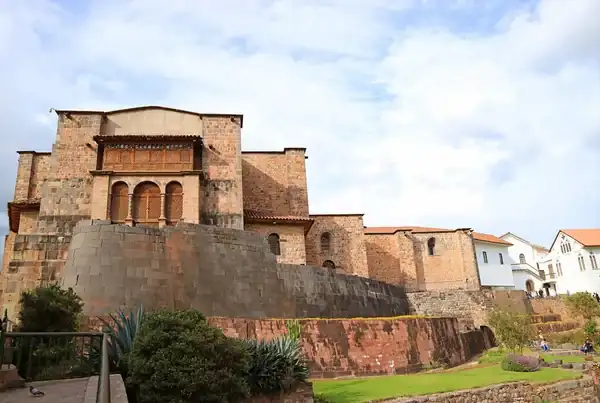
Once the most sacred site in the Inca Empire, Coricancha was dedicated to Inti, the sun god. Its walls, covered in solid gold sheets, reflected the sunlight in a dazzling display of divine brilliance. Spanish chroniclers wrote of golden altars, life-sized statues, and a garden of gold and silver plants that symbolized the empire’s prosperity.
After the Spanish conquest, Coricancha was stripped of its treasures and repurposed as the foundation for the Santo Domingo convent, creating a striking blend of Inca and colonial architecture. Despite the changes, the precision-cut stone walls remain, a testament to Inca engineering. Today, visitors exploring the site through Coricancha tours can still see the seamless masonry, celestial alignments, and remnants of its former grandeur, reminding us of the temple’s once-glorious past.
Choquequirao temple
2. Choquequirao: the last refuge of the Incas
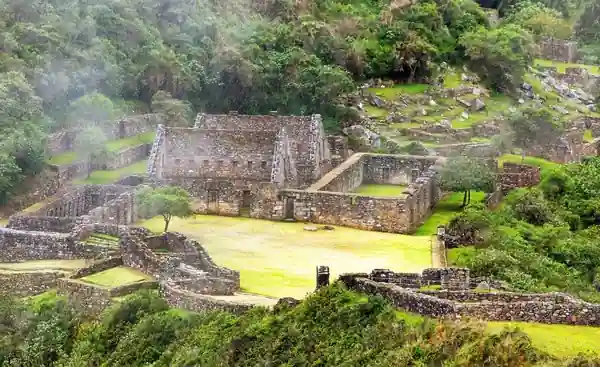
Hidden deep in the Andes, Choquequirao is often called Machu Picchu’s sister, but it remains far more secluded and shrouded in mystery. Unlike its famous counterpart, this vast citadel receives few visitors, preserving its aura of solitude and intrigue. Built on a mountaintop, it is believed to have been a final stronghold for the Incas resisting Spanish conquest.
Beyond its strategic location, Choquequirao held profound spiritual significance. Its temples and terraces align with celestial events, and its ceremonial platforms suggest it was a site of rituals honoring Inti, the sun god, and Pachamama, mother earth. The intricate stonework and sacred plazas reflect the Incas’ deep connection to nature and the cosmos.
Despite its historical importance, Choquequirao remains one of the most enigmatic inca temples, accessible only by a challenging multi-day hike. Those who embark on the Choquequirao trek are rewarded with breathtaking ruins, panoramic views, and the feeling of stepping back into a world where the last Incas sought to preserve their legacy.
Machu Picchu Temple

3. Machu Picchu’s temple of the sun
Among the many wonders of Machu Picchu, the Temple of the Sun stands out as a masterpiece of Inca engineering and spirituality. Unlike most inca temples, its semi-circular design is unique, built atop a massive granite rock. This sacred structure was dedicated to Inti, the sun god, and played a key role in astronomical observations and religious ceremonies.
The temple’s precise alignments suggest it was used to mark solstices and equinoxes. During the June solstice, sunlight streams through a trapezoidal window, illuminating a central altar—possibly used for offerings or rituals to honor the sun. These cosmic connections highlight the Incas’ advanced knowledge of astronomy and their belief in the harmony between nature and the divine.
Though partially damaged over time, the Temple of the Sun remains one of the most significant sites within Machu Picchu. Visitors exploring the ruins on Machu Picchu tours can still admire its seamless stonework and feel the spiritual energy that once filled this sacred space, where priests and astronomers sought guidance from the heavens.
Temple of the Moon in Huayna picchu

4. The temple of the moon in Huayna Picchu
Tucked away within the towering Huayna Picchu, the Temple of the Moon is one of the most enigmatic inca temples, often overshadowed by the grandeur of Machu Picchu. Unlike other temples, this sacred site is carved directly into a natural cave, blending seamlessly with the mountain—a reflection of the Incas’ deep respect for nature.
The temple’s intricate stonework and ceremonial altars suggest it was a place for spiritual rituals, possibly honoring Pachamama, mother earth, or serving as a burial site for important figures. Its secluded location and the eerie stillness that surrounds it add to its mystical aura, making it a hidden gem for those who venture beyond the main ruins.
For travelers seeking to uncover Machu Picchu’s lesser-known secrets, exploring the Temple of the Moon reveals another layer of the Incas’ spiritual world—one where nature, stone, and the divine converged in perfect harmony.
Wiracocha Temple

5. The temple of Wiracocha in Raqchi
Among the grandest inca temples, the Temple of Wiracocha in Raqchi stands as a monumental tribute to Wiracocha, the creator god. Unlike other temples dedicated to Inti, this one honored the supreme deity believed to have shaped the cosmos and given life to the Inca civilization.
What makes this temple unique is its massive scale—it was one of the largest structures built by the Incas, measuring nearly 92 meters long. Its distinct architecture, combining finely cut stone with adobe walls, sets it apart from the typical Inca masonry seen in Cusco or Machu Picchu. This fusion of materials suggests both spiritual and practical significance, possibly serving as a ceremonial and administrative center.
Despite centuries of wear, the towering remains of Raqchi’s Temple of Wiracocha continue to impress visitors, offering a glimpse into the grandeur and complexity of Inca religious beliefs.
Ñusta Hispana of Vitcos

6. The Ñusta Hispana of Vitcos
Hidden in the remote Vilcabamba region, the Ñusta Hispana of Vitcos was more than just a temple—it was a sanctuary of resistance, deeply connected to the final days of the Inca Empire. This sacred site played a key role in the struggle against Spanish conquest, serving as a refuge for Manco Inca, the leader of the last Inca stronghold.
The temple’s ceremonial platforms and finely carved stonework suggest it was a place of spiritual significance, possibly dedicated to Ñusta (princesses) or Pachamama. Legends speak of rituals performed here, seeking divine guidance in times of war and uncertainty. Even in ruin, the energy of the site remains palpable, a silent witness to the empire’s final days.
For those exploring Vilcabamba’s lost temples, the Ñusta Hispana of Vitcos stands as a testament to the spiritual resilience of the Incas, where history, faith, and defiance merged in one of their last sacred spaces.
Temple of the condor in Machu Picchu

7. The temple of the condor in Machu Picchu2
Among the most intriguing inca temples in Machu Picchu, the Temple of the Condor stands out for its remarkable design—a natural rock formation sculpted to resemble a condor in flight. This sacred bird, one of the most powerful symbols in Andean cosmology, represented the upper world (Hanan Pacha) and was believed to carry messages between the earthly and spiritual realms.
The temple’s unique structure demonstrates how the Incas integrated nature into their religious architecture. The carved head and beak of the condor rest on the ground, while its outstretched wings are formed by the massive natural rock above. Below the temple, a chamber likely used for ceremonies or burials suggests the site had a funerary and ritualistic purpose.
For those uncovering the mysteries of Machu Picchu, the Temple of the Condor offers a glimpse into the spiritual beliefs and architectural ingenuity of the Incas, where nature and divinity merged in perfect harmony.
Why Inca temples still captivate travelers today
Even centuries after their decline, Inca temples continue to mesmerize visitors with their blend of history, mystery, and architectural genius. These sacred sites are more than just ruins; they are portals to the past, offering a deeper understanding of Inca spirituality and ingenuity.
Visiting these temples allows travelers to:
- Step into history: Walk through the same sacred halls where Inca priests and rulers once stood.
- Experience their mystical aura: Feel the energy of ancient rituals and the connection between nature and the divine.
- Admire breathtaking craftsmanship: Witness the precise stonework that has withstood earthquakes and time.
- Uncover hidden stories: Explore the legends and secrets buried within these sacred sites.
- Support preservation efforts:Recognize the importance of protecting these cultural treasures for future generations.
Whether standing before the golden remains of Coricancha or hiking to the secluded ruins of Choquequirao, these Inca temples continue to inspire awe, curiosity, and respect for one of the greatest civilizations in history.
Ready to explore the secret of the Inca temples?
Now that you know everything about the main Inca temples, because there are more, don’t miss the opportunity to step into the world of the Incas and marvel at the most beautiful views and living examples of the grandiosity of this civilization. These ancient sites not only reveal the connection with the spiritual world, but also showcase their ability to converge all the elements of their cosmovision and make them all a unity.

