
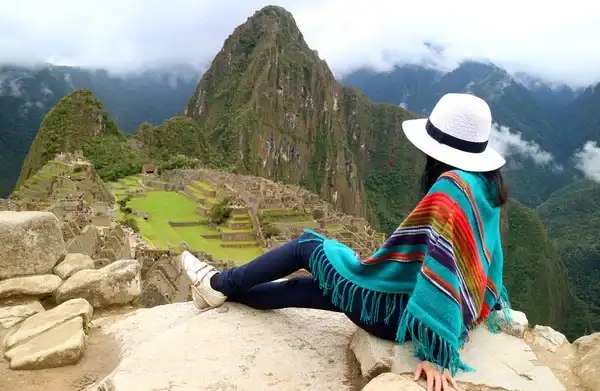
Tourist attractions in Machu Picchu offer a glimpse into the rich history and breathtaking landscapes of the Inca civilization. Cusco, the ancient capital of the Inca Empire, is a city full of history, culture, and breathtaking landscapes. Whether you’re exploring Cusco tourist places or venturing into the mystical ruins of Machu Picchu, home to some of the most incredible tourist attractions in Machu Picchu, this guide will help you make the most of your trip.
You might also be interested: Inca temples: 7 sacred sites that still whisper history

Machu Picchu History
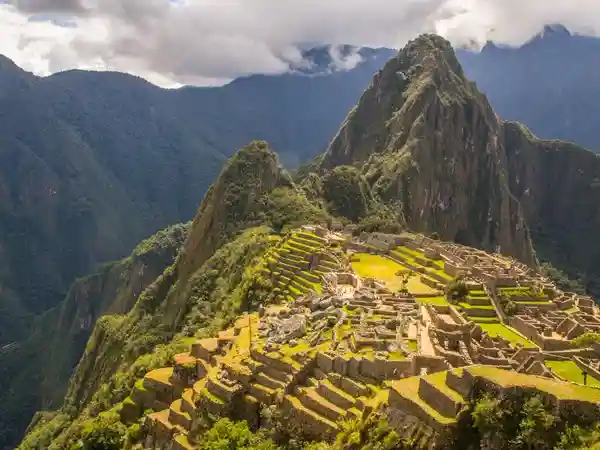
Machu Picchu, often referred to as the “Lost City of the Incas,” is a 15th-century Inca citadel nestled in the Eastern Cordillera of southern Peru. Perched at an altitude of 2,430 meters (7,970 feet), it overlooks the Sacred Valley and is surrounded on three sides by the Urubamba River. Located approximately 80 kilometers (50 miles) northwest of Cusco, Machu Picchu is a testament to the architectural prowess and astronomical knowledge of the Inca civilization.
Why visit the tourist attractions in Machu Picchu?
Visiting Machu Picchu offers a unique glimpse into the rich history and culture of the Inca Empire. The site showcases intricate dry-stone walls, terraces, and buildings that have stood the test of time. Highlights include the Intihuatana stone, the Temple of the Sun, and the Room of the Three Windows, each reflecting the Incas’ deep connection with astronomy and their environment. Exploring these structures provides insight into a civilization that thrived centuries ago, making it a must-visit for history enthusiasts and travelers alike.
How to get to Machu Picchu
Visiting Machu Picchu, one of the New Seven Wonders of the World, is a dream for many travelers. This iconic Incan citadel is nestled high in the Andes Mountains of Peru, and reaching it requires careful planning. There are several ways to get there, ranging from comfortable train rides to multi-day hiking adventures. Below, we break down all the possible routes, costs, and logistics to help you plan your journey.
Step 1: Arriving in Cusco – The Gateway to Machu Picchu
Most travelers begin their journey in Cusco, the former capital of the Inca Empire and the main hub for visiting Machu Picchu. Cusco sits at 3,400 meters (11,155 feet) above sea level, so it’s advisable to spend a day acclimating before heading to Machu Picchu. Many travelers use this time to explore the city’s landmarks or take day trips, such as the Palccoyo Rainbow Mountain Tour, which offers a stunning alternative to the more crowded Vinicunca Rainbow Mountain.
Things to Do in Cusco Before Visiting Machu Picchu
Before heading to Machu Picchu, take some time to explore Cusco’s rich history and culture:
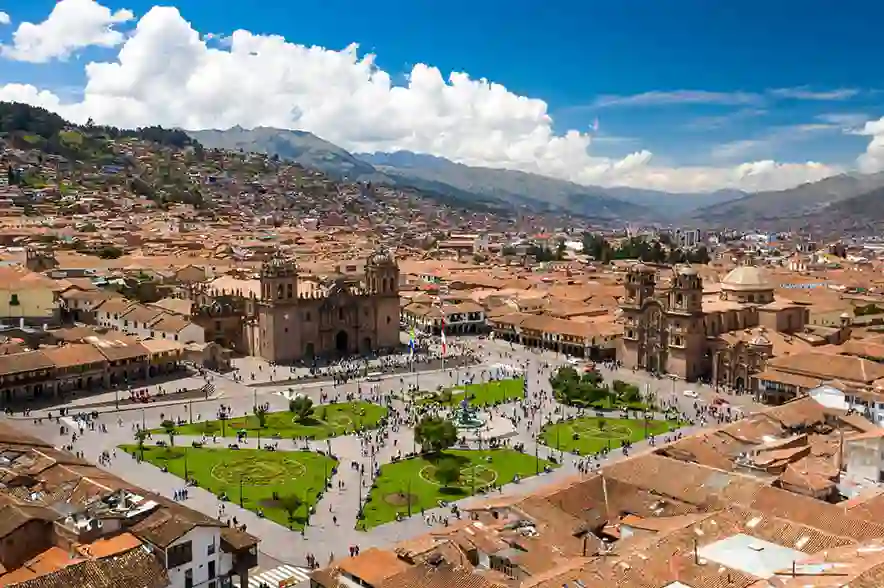
- Plaza de Armas: The heart of the city, surrounded by colonial architecture.
- Sacsayhuamán: An impressive Inca fortress with panoramic views.
- San Pedro Market: A vibrant market to try local food and buy souvenirs.
Step 2: Traveling from Cusco to Aguas Calientes (Machu Picchu Pueblo)
Machu Picchu is not directly accessible by road. Travelers must first reach Aguas Calientes, the town at the base of the ruins, by train or a combination of bus and trek.
Option 1: Train – The Most Comfortable and Popular Choice
The easiest way to reach Machu Picchu is by taking a train from Cusco or Ollantaytambo to Aguas Calientes. The train ride offers stunning views of the Urubamba River and the Sacred Valley.
Popular train services:
- PeruRail Expedition: $100–$150 round trip, standard seats with panoramic windows.
- PeruRail Vistadome: $150–$250 round trip, scenic views with onboard entertainment.
- Belmond Hiram Bingham: $900+ round trip, luxury train with gourmet meals.
- IncaRail The Voyager: $80–$120 round trip, comfortable seats with large windows.
- Departure stations:
Poroy Station (Cusco): Located 30 minutes from Cusco’s city center.
Ollantaytambo Station: Many travelers take a bus from Cusco to Ollantaytambo (2 hours) before boarding the train.
Option 2: Budget Route – Bus + Train or Trek
For budget travelers, an alternative is to take a bus from Cusco to Hidroeléctrica (6–7 hours) and then either hike (3 hours) or take a short train ride to Aguas Calientes.
Bus cost: ~$15–$30 one way.
Train from Hidroeléctrica to Aguas Calientes: ~$30 one way.
Total time: ~9–10 hours.
This option is cheaper but more time-consuming and physically demanding.
Option 3: Trekking – The Adventure Route
Option 3: Trekking – The Adventure Route
For adventurous travelers, trekking to Machu Picchu is an unforgettable experience. The Classic Inca Trail 4 Days is the most famous route, following ancient Inca pathways through breathtaking mountain scenery and archaeological sites.
Popular trekking options:
For those looking for a shorter yet equally rewarding trek, the Short Inca Trail 2 Days is an excellent choice. This hike condenses the essence of the Classic Inca Trail into a two-day adventure, featuring stunning Andean scenery, well-preserved Inca ruins, and an unforgettable sunrise entrance through the Sun Gate (Inti Punku). It’s ideal for travelers who want to experience the magic of the Inca Trail but have limited time or prefer a less physically demanding hike.
You might also be interested: What is Ayahuasca?
Best tourist attractions in Cusco
- Plaza de Armas
The heart of Cusco, Plaza de Armas is a vibrant square surrounded by colonial buildings, lively cafes, and historic churches. It is the perfect place to soak in the city’s atmosphere, enjoy a cup of coca tea, and admire the stunning Cusco Cathedral, a masterpiece of Spanish colonial architecture. - Sacsayhuamán
Just a short distance from the city center, Sacsayhuamán is one of the most impressive Inca fortresses in Peru. The site features massive stone walls, some weighing over 100 tons, precisely fitted together without mortar. From here, you can enjoy breathtaking panoramic views of Cusco. - Qorikancha (Temple of the Sun)
Once the most important temple in the Inca Empire, Qorikancha was dedicated to Inti, the Sun God. The temple was later transformed into the Santo Domingo Convent by the Spanish, blending Incan and colonial architecture in a unique and fascinating way. The remaining golden walls and fine stonework showcase the incredible craftsmanship of the Incas. - San Pedro Market
For a true taste of local life in Cusco, visit the San Pedro Market. This lively market offers a variety of fresh produce, Andean cheeses, exotic fruits, and delicious Peruvian street food. It’s also the perfect place to buy handmade souvenirs, alpaca wool clothing, and traditional crafts. - San Blas Neighborhood
Nicknamed the “Bohemian District”, San Blas is a charming neighborhood filled with artisan shops, cozy cafes, and stunning viewpoints. Wander through its narrow cobblestone streets, visit local art galleries, and stop by the San Blas Church, which houses an intricately carved wooden pulpit.
Tourist attractions in Machu Picchu is a city where history comes alive. From ancient Incan ruins to colonial landmarks and bustling markets, there’s no shortage of things to explore. Whether you’re strolling through the Plaza de Armas, marveling at the stonework of Sacsayhuamán, or enjoying the artistic vibe of San Blas, Cusco promises an unforgettable experience. Plan your visit today and discover the magic of the Inca capital!
20 Top Tourist Attractions in Machu Picchu
Machu Picchu is one of the most fascinating archaeological sites in the world, attracting thousands of visitors each year. Nestled high in the Andes Mountains of Peru, this Incan citadel is a UNESCO World Heritage Site and one of the New Seven Wonders of the World. Beyond the iconic ruins, there are numerous attractions within and around Machu Picchu that offer breathtaking views, rich history, and thrilling adventures.
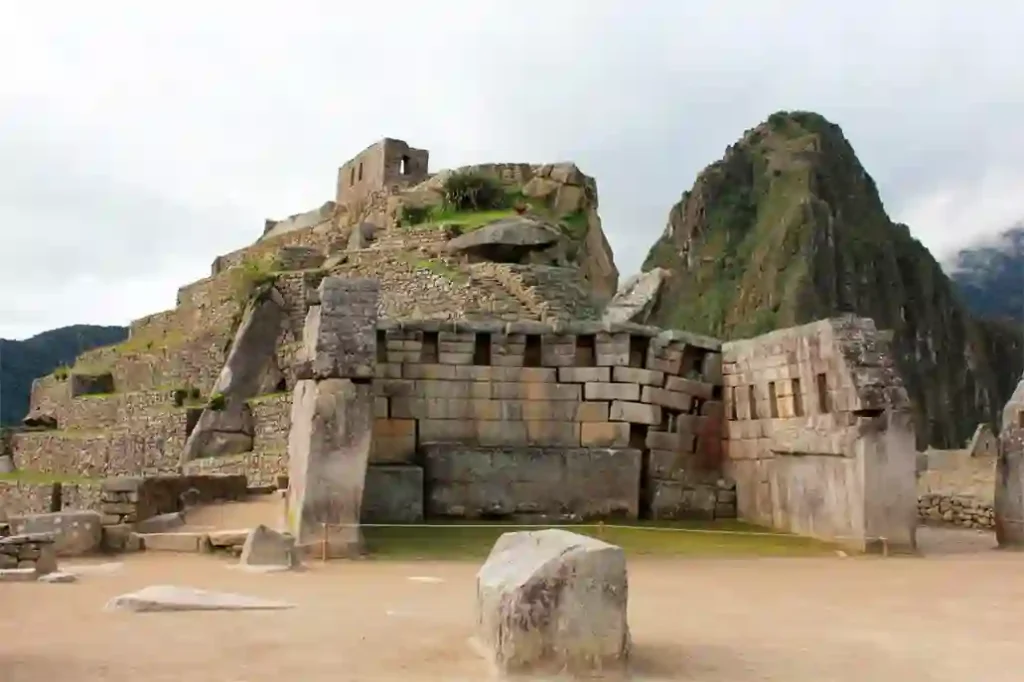
1. The Main Temple
One of the most impressive structures in Machu Picchu, the Main Temple showcases the precise stonework of the Incas. The temple features large, finely cut stones fitted together without mortar, a technique known as ashlar masonry. It is believed to have been used for religious ceremonies and astronomical observations.
2. The Temple of the Three Windows
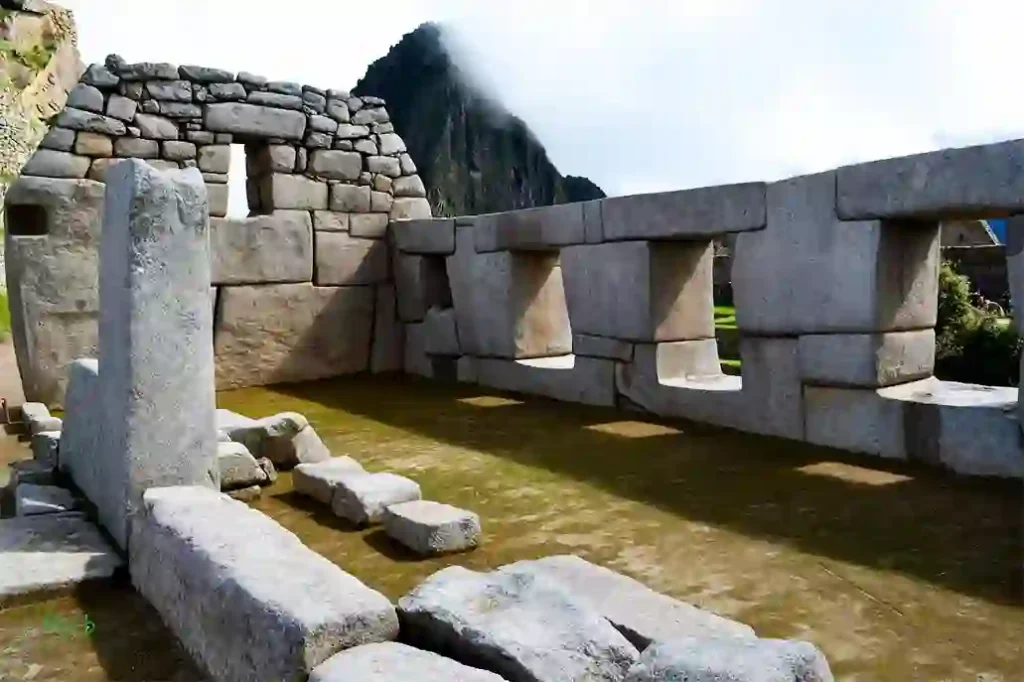
This symbolic temple is one of Machu Picchu’s most photographed sites. The three trapezoidal windows are believed to represent the three levels of the Incan world:
Hanan Pacha (the heavens)
Kay Pacha (the earthly world)
Uku Pacha (the underworld)
The temple’s strategic placement offers spectacular views of the surrounding mountains.
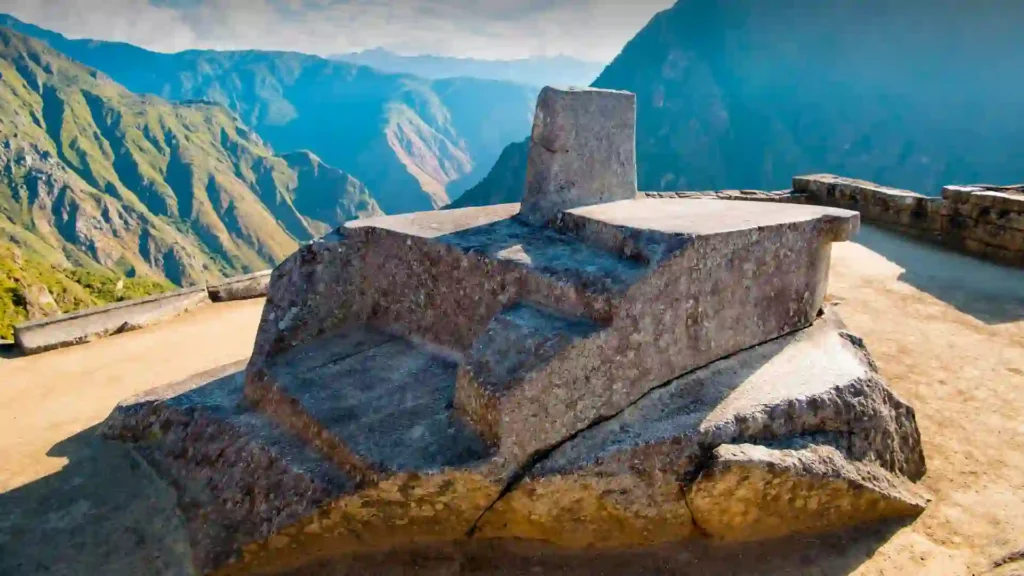
3. Intihuatana (The Sun Stone)
The Intihuatana is one of Machu Picchu’s most mysterious relics. This carved stone was likely used as a solar clock or astronomical calendar by the Incas. On the solstices, the sun casts a shadow perfectly aligned with its edges. Many visitors claim to feel a powerful energy when placing their hands near the stone.
4. The Temple of the Sun
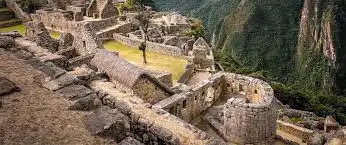
This semicircular temple, built atop a natural rock formation, was a sacred place for sun worship. The Incas, who revered the sun god Inti, used this temple for ceremonies and astronomical observations. During the winter solstice (June 21st), sunlight passes through a small window and aligns perfectly with the temple’s altar.
5. The Sacred Plaza
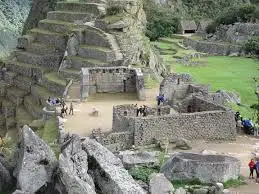
Located in the heart of Machu Picchu, the Sacred Plaza connects key religious and ceremonial structures, including the Main Temple, the Temple of the Three Windows, and the Priest’s House. This open space likely served as a gathering area for important rituals.
6. The Royal Tomb
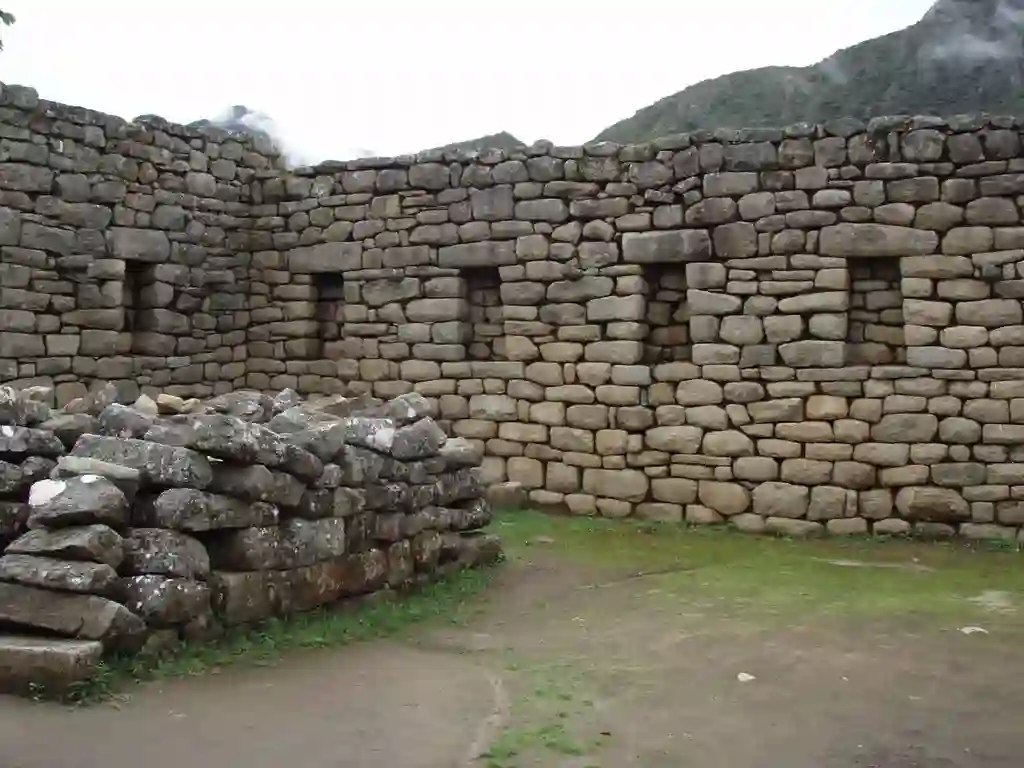
A cave-like structure beneath the Temple of the Sun, the Royal Tomb contains carved niches and altars, suggesting it was used for burials of Incan nobility. While no remains were found, its significance as a ceremonial or funerary site is widely accepted.

7. The House of the High Priest
This well-constructed building near the Sacred Plaza is believed to have been the residence of a high-ranking religious figure. Its proximity to the Temple of the Sun and Main Temple suggests it was occupied by an important spiritual leader.
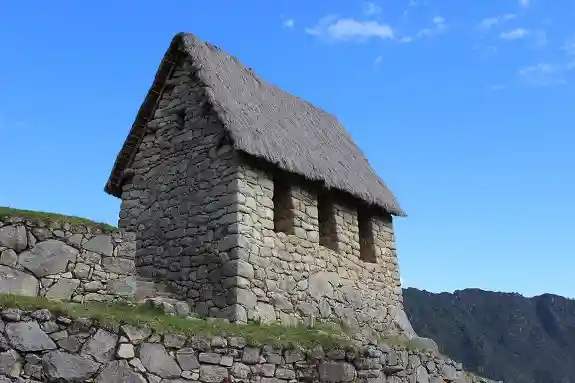
8. The Guardhouse
Positioned at the entrance of Machu Picchu, the Guardhouse offers a panoramic view of the entire citadel. This structure likely served as a security post, ensuring protection over the site’s access points. Today, it’s a perfect spot to capture the classic postcard photo of Machu Picchu.
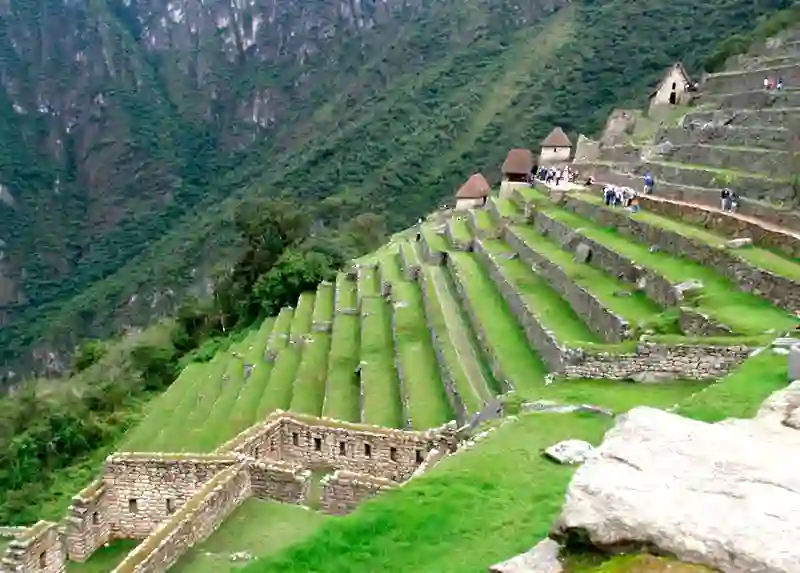
9. The Agricultural Terraces
Machu Picchu is surrounded by stepped terraces that were ingeniously designed for agriculture and erosion control. The terraces helped prevent landslides and provided a stable food supply for the citadel’s inhabitants.
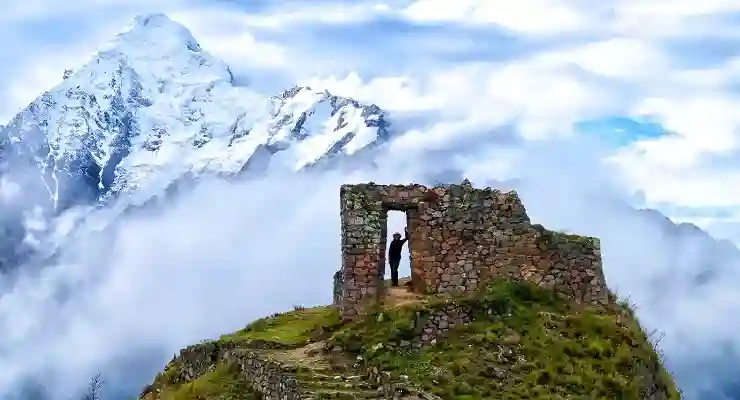
10. The Sun Gate (Inti Punku)
A must-visit for trekkers, the Sun Gate (Inti Punku) is the main entrance for those arriving via the Inca Trail. This high-altitude viewpoint offers a breathtaking sunrise view over Machu Picchu. The 1-hour hike from the main ruins is worth the effort.
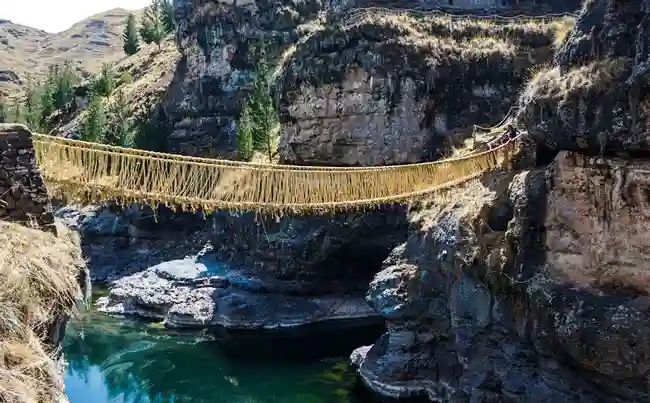
11. The Inca Bridge
Carved into the mountainside, the Inca Bridge is an ancient stone pathway used as a secret entrance to Machu Picchu. The trail is narrow and steep, making it an exciting yet slightly dangerous adventure.
12. The Prison Group
This section of Machu Picchu includes underground dungeons and stone enclosures believed to have been a holding area for prisoners or ceremonial sacrifices. The Temple of the Condor is part of this complex.
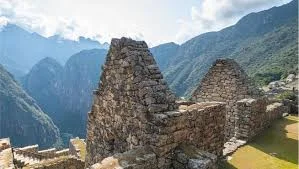
13. The Temple of the Condor
One of the most intriguing sites in Machu Picchu, this temple features a giant stone shaped like a condor’s wings. The Andean Condor was sacred to the Incas, symbolizing power and spirituality.
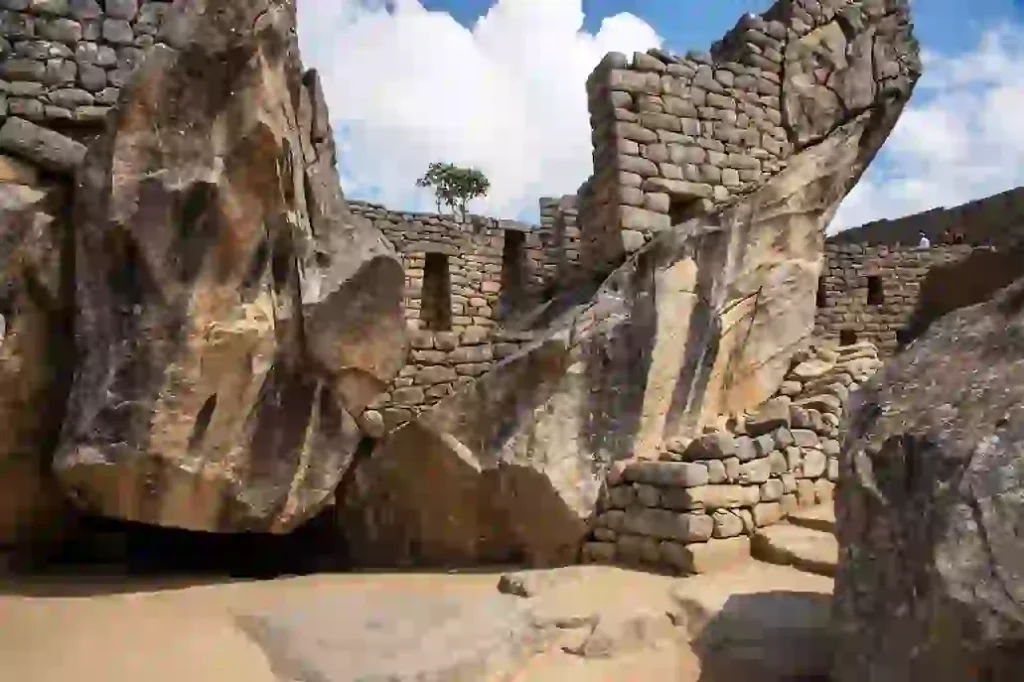
14. Huayna Picchu
The steep mountain behind Machu Picchu, Huayna Picchu is a popular hike that offers aerial views of the ruins. The trail is steep, with narrow staircases, making it suitable for adventurous travelers. Reservations are required months in advance.
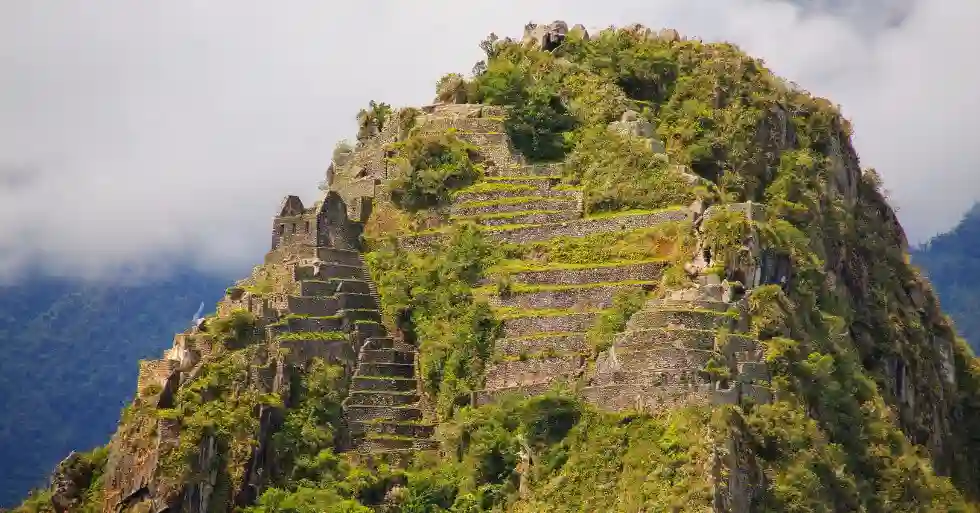
15. Machu Picchu Mountain
For a less crowded alternative to Huayna Picchu, the Machu Picchu Mountain hike provides spectacular panoramic views. The hike is longer but less steep, making it an excellent option for those who prefer a moderate trek.
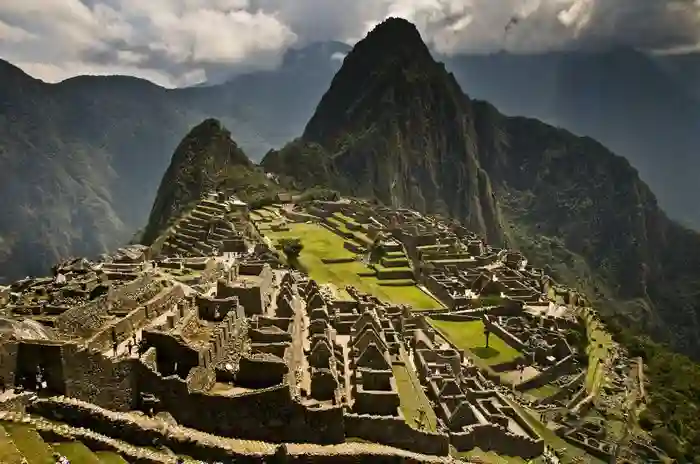
16. The Central Plaza
This large open space is thought to have been a gathering area for ceremonies, performances, or social events. The grassy field contrasts beautifully with the surrounding stone structures.
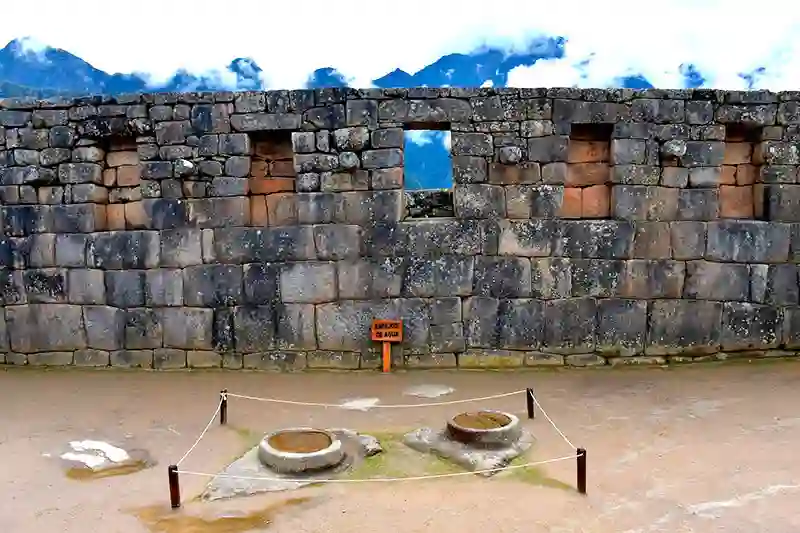
17. The Water Mirrors
Near the Temple of the Sun, these small circular stone basins are believed to have been used for astronomical observations or ritual purification. Some researchers suggest they may have acted as mirrors to reflect the sky.
18. The Storage Houses (Qolqas)
Scattered around Machu Picchu, these structures were used as granaries and food storage areas. Their design allowed for proper ventilation, keeping food supplies fresh for extended periods.
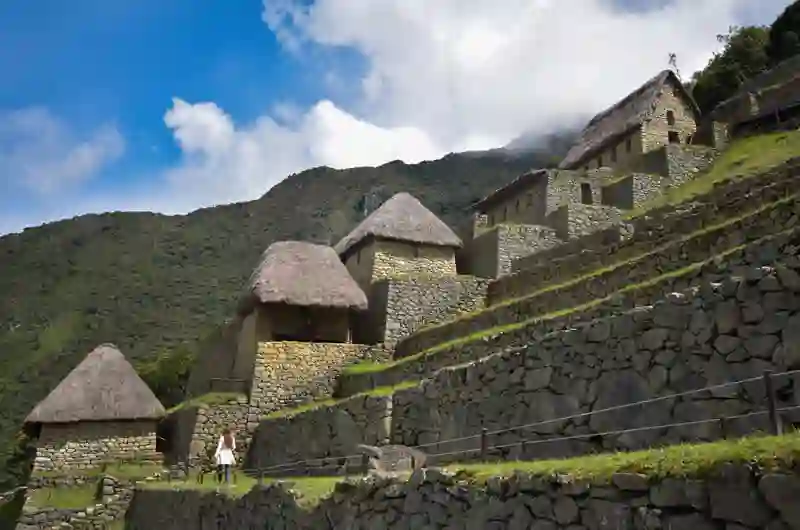
19. The Residential Sector
Unlike the religious and administrative areas, this section contained houses for the common inhabitants. These simple stone dwellings show how workers, artisans, and farmers lived in the citadel.
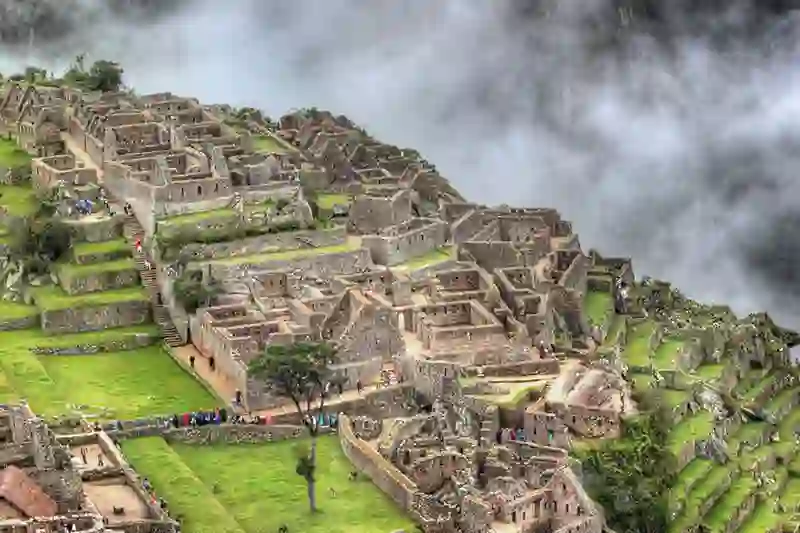
20. The Fountains and Water Channels
Machu Picchu features an advanced water management system consisting of fountains, aqueducts, and canals. These structures provided a steady water supply to the residents and played a significant role in ritual cleansing ceremonies.
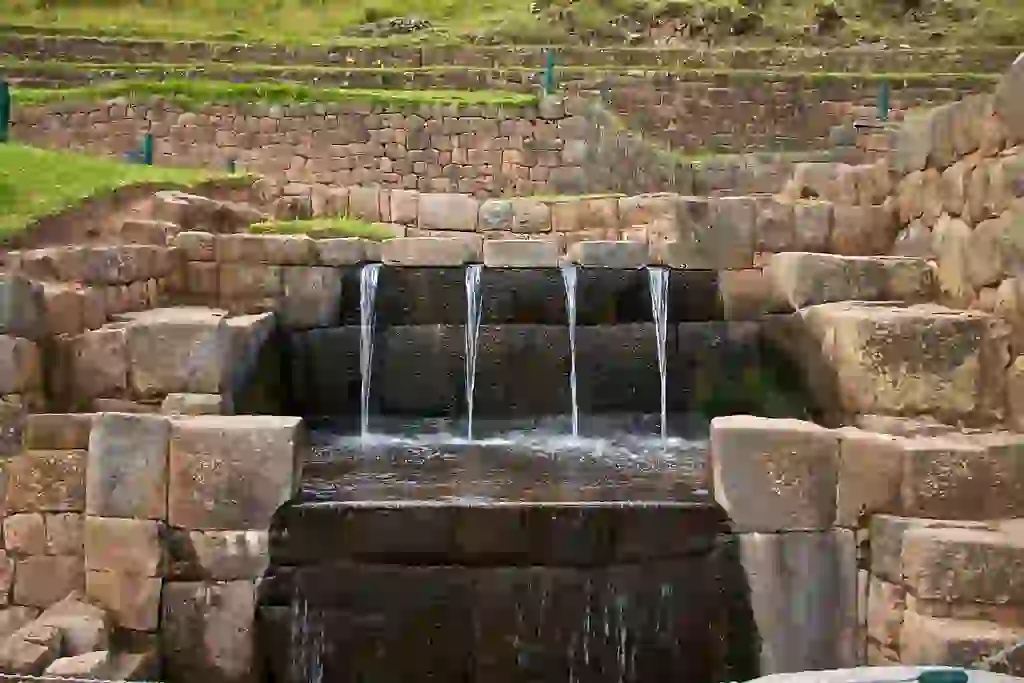
Tourist attractions in Machu Picchu: Exploring the wonders of the lost city
Machu Picchu is more than just an iconic archaeological site—it is a testament to the ingenuity of the Inca civilization. Each attraction within the citadel has its own story, revealing the spiritual, scientific, and architectural brilliance of the Incas. Whether you’re drawn by the mystery of the Intihuatana, the challenge of Huayna Picchu, or the beauty of the Sun Gate, every corner of Machu Picchu offers something unique. Exploring the tourist attractions in Machu Picchu allows visitors to connect with history while being surrounded by breathtaking landscapes. Plan ahead, explore deeply, and experience the magic of one of the world’s greatest wonders!

