
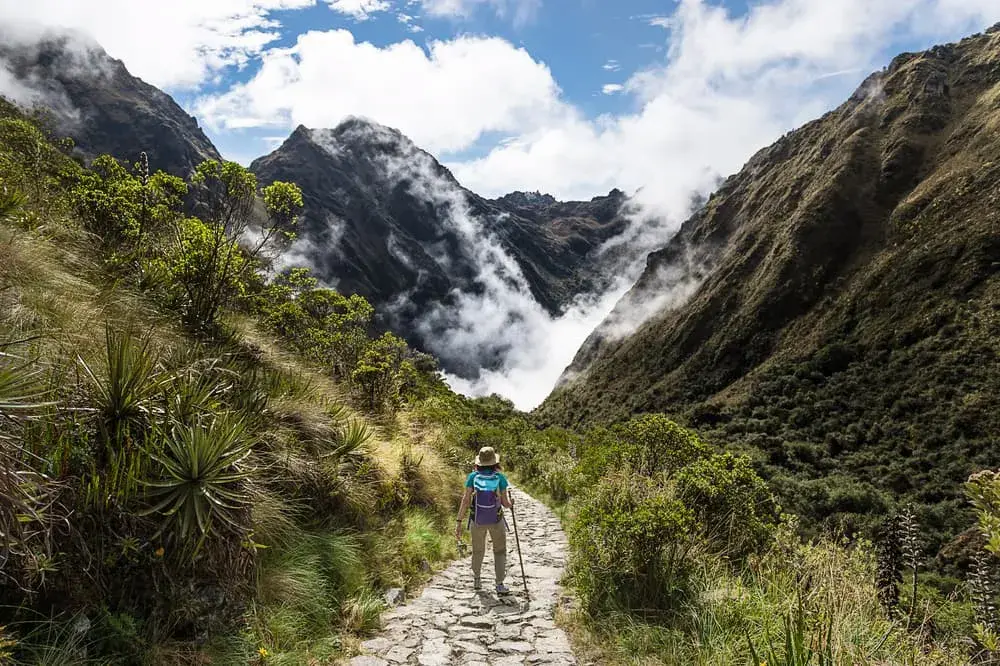
During my work vacation, I, along with three friends, decided to take a tour to Machu Picchu, but not in the traditional way. No, we wanted the real adventure and to experience the Inca jungle from a deeper perspective. Did you know there are many different ways to get to Machu Picchu? I didn’t know that either. So, when I found the perfect way to combine the two destinations we wanted to explore, I knew I had found the best option. I decided to book the Inca Jungle Trek to Machu Picchu, and I swear it was the best route I could have taken. Now, with my experience, I consider myself somewhat of an expert on this tour, and I’d love to share everything travelers need to know about it. So, without further ado, here’s what I learned after my experience with the Inca Jungle Trek to Machu Picchu!
You might also be interested: Inca temples: 7 sacred sites that still whisper history
1. What is the Inca Jungle Trek?
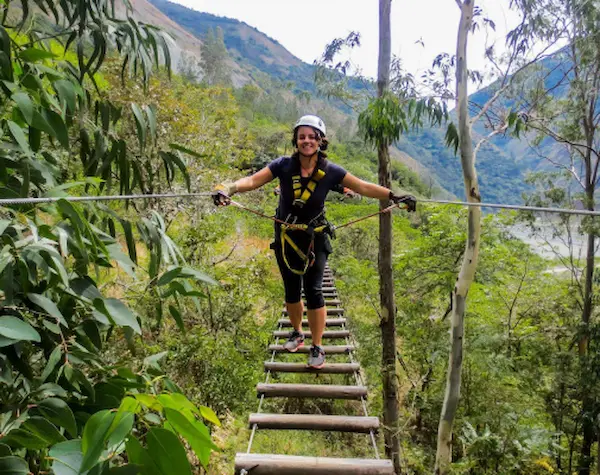
The Inca Jungle Trek to Machu Picchu is an alternative trekking route to the classic Inca Trail that takes travelers from the city of Cusco to Machu Picchu. This route is characterized by its multidisciplinary approach: not only will you hike, but you will also enjoy activities such as mountain biking, river rafting, and zip-lining through the dense forests of the Peruvian jungle.
Throughout the 4 day trek, the Inca Jungle Trek to Machu Picchu allows you to experience extraordinary natural landscapes, ranging from the high Andean mountains to the tropical valleys covered by the jungle. Additionally, unlike the traditional route, this trek has fewer restrictions, making the experience more accessible for those seeking a more dynamic and less crowded adventure.
2. Popular Inca Trail routes
For those who are not familiar with the traditional paths to Machu Picchu, it’s important to know that the Inca Trails are not just one single route. The Incas had an extensive network of roads throughout their Empire, connecting various points and facilitating communication. Here’s more about the different route options:
Traditional Inca Trail
This is the most famous trek, the one many people associate with the Classic Inca Trail. It is the classic route that connects the Sacred Valley to Machu Picchu, passing through several archaeological sites, such as the Wiñay Wayna site. Only a limited number of people are allowed per day, so you must book in advance. The trek lasts between 4 and 7 days and is the busiest, with the advantage of having rich history and breathtaking views.
Lares Trek
The Lares Trek is a less crowded option, more focused on the rural life of the Andean communities. During this hike, you will have the opportunity to interact with locals and learn about their customs and traditions. The trek passes through mountains, lakes, and valleys, offering stunning views of nature. It lasts between 4 and 5 days.
Salkantay Trek
This trek connects Mollepata to Machu Picchu and is one of the most challenging due to its altitude and tough terrain conditions. However, it’s an amazing option for those looking for a more solitary and challenging experience. The Salkantay trek lasts between 5 and 6 days, passing through mountainous landscapes, tropical jungles, and areas of great natural beauty.
Inca Jungle Trek to Machu Picchu
The route we are detailing here is the Inca Jungle Trail to Machu Picchu 4 days. This trek is unique because, unlike the previous routes, it’s not just a hike along a trail. It’s a combination of activities, including mountain biking, rafting, and zip-lining, making it perfect for travelers seeking adventure. Over the course of 4 days, you’ll explore from the high Andes to the tropical jungle, experiencing total immersion in nature and local communities. The Jungle Trek is warmer and less crowded than the Inca Trail, and it will allow you to enjoy the Machu Picchu experience from a different perspective.
You might also be interested: 20 Best Tourist Attractions in Machu Picchu
3. The route and duration of the trek
The Inca Jungle Trek to Machu Picchu generally lasts 4 days and 3 nights, though some tour operators offer longer or shorter versions. The route follows a multi-day itinerary that includes a mix of activities and stunning paths. Below is a general overview of the most common itinerary:
Day 1: Cusco to Santa María (Mountain Biking)
The first day begins with a bus ride from Cusco to a small town called Santa María, located on the slopes of the mountains. The journey lasts several hours and offers spectacular views of the Andean landscape. Once in Santa María, your adventure will begin with mountain biking, descending on a winding road through the mountains with breathtaking views of valleys and rivers.
The bike ride lasts about 3-4 hours and is one of the most thrilling activities of the trip. The route is designed to be accessible, but some skill and preparation are required to fully enjoy it.
Day 2: Santa María to Santa Teresa (Trekking and Rafting)
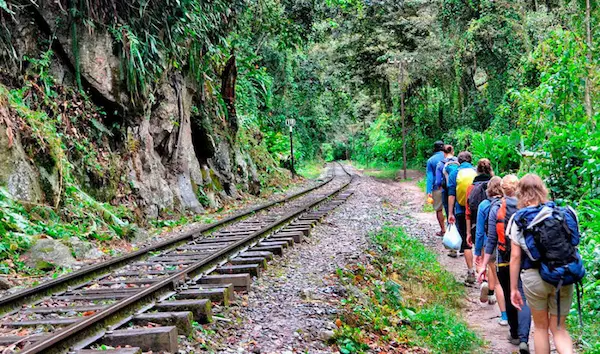
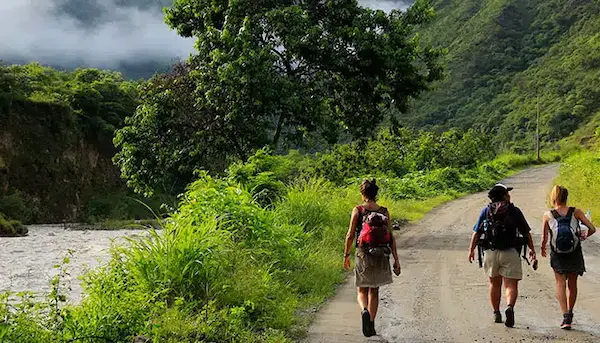
Day two is mainly trekking, where you’ll walk through the beautiful jungle landscapes. During this hike, you’ll pass through small villages, tropical forests, and rivers. As you move along, you’ll see a variety of flora and fauna, including orchids, tropical birds, and butterflies.
On this day, you’ll also have the chance to go rafting on the Vilcanota River, an adrenaline-filled and fun experience. The river’s rapids are of moderate difficulty, making the activity both safe and exciting.
Day 3: Santa Teresa to Aguas Calientes (Trekking and Zip-lining)
The third day starts with more trekking through the jungle, passing by ancient archaeological sites and offering panoramic views of the region. This day is more relaxed than the previous one but equally impressive.
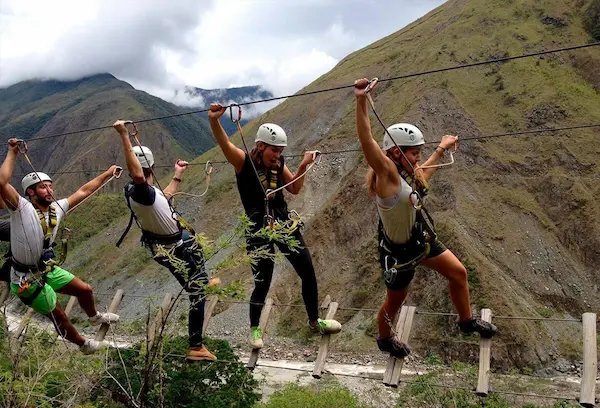
One of the most exciting parts of this day is the opportunity to go zip-lining through the jungle. This experience allows you to glide over the trees and enjoy a unique perspective of the surrounding nature.
By the end of the day, you’ll arrive in Aguas Calientes, the town located at the foot of Machu Picchu. Here, you can rest and relax, getting ready for the most awaited day of the trek: the visit to Machu Picchu.
Day 4: Aguas Calientes to Machu Picchu
Finally, day four is the most anticipated of them all. After spending the night in Aguas Calientes, you’ll take the bus early in the morning to ascend to Machu Picchu. If you’re looking for an extra challenge, you can choose to walk up to the entrance of the citadel, which will give you the chance to enjoy stunning views along the way.
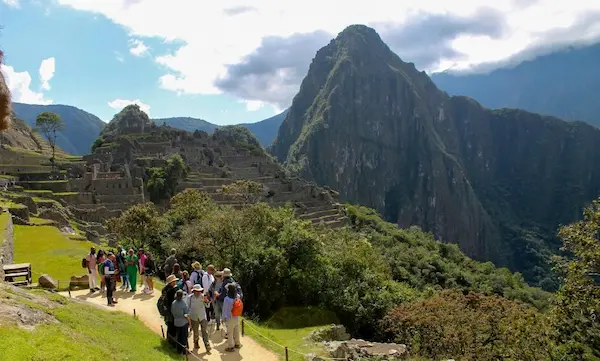
Once at Machu Picchu, you’ll spend the morning exploring this ancient archaeological site with a specialized guide who will tell you about the Incas, the construction of the complex, and its cultural significance. Don’t forget your camera, as the views from the top are simply spectacular.
4. Difficulty level and physical preparation
The Inca Jungle Trek to Machu Picchu is a route that combines different types of physical activities, making it more varied and accessible than the traditional Inca Trail. However, it’s important to note that a good level of physical fitness is still required to enjoy this adventure.
Trek difficulty:
Mountain biking: The mountain biking descent is moderately challenging but accessible to most people who are comfortable riding a bike. You don’t need to be an expert, but it’s recommended to have some experience with mountain routes.
Trekking: The trekking can be demanding, especially on the longer hiking days. You’ll be walking on uneven terrain, sometimes slippery due to the humidity of the jungle, but overall, the route is not extremely difficult.
Rafting and Zip-lining: The rafting is suitable for beginners, as the guides will provide all the necessary equipment and instructions. Zip-lining is a fairly safe activity, though it’s recommended not to have a fear of heights.
Physical preparation:
Before starting the Inca Jungle Trek to Machu Picchu, it’s recommended to be in good physical shape. Practicing long hikes, doing some cycling, and strengthening your legs will help you enjoy the experience more. If you’re not accustomed to activities like rafting or mountain biking, you can also practice these activities before your trip.
5. The best time to do the trek
The best time to do the Inca Jungle Trek to Machu Picchu is during the dry season, which runs from April to October. During these months, the rains are less frequent, making the trails safer and more pleasant for walking, biking, and rafting.
From November to March, the rainy season is at its peak, so the trails can be slipperier, and some activities like rafting could be affected. If you prefer to avoid crowds, April and October are ideal months, as there are fewer people than during the high season of June to August.
You might also be interested: What is Ayahuasca?
6. What to bring on the Inca Jungle Trek to Machu Picchu
It’s essential to bring the right gear to make the most of the trek. Some of the items you’ll need include:
- Comfortable clothing: Wear light but durable clothing, ideal for hiking. The clothes should be breathable and quick-drying.
- Trekking boots: A good pair of boots is essential to ensure comfort and support on uneven terrain.
- Waterproof jacket: Rain can be unpredictable, so make sure to bring a light, water-resistant jacket.
- Sun protection: Bring sunscreen, sunglasses, and a hat to protect yourself from the strong sun of the Andean region.
- Small backpack: During the trek, you’ll only carry what’s necessary since your larger luggage will be left at the accommodation.
- Insect repellent and personal items.
Remember, you’ll need to bring everything necessary for camping and sleeping in the rest areas, though most tours provide accommodation and food during the trek.
7. Is the Inca Jungle Trek for you?
The Inca Jungle Trek to Machu Picchu is perfect for those seeking a more varied and exciting experience on their way to Machu Picchu. If you’re an outdoor adventure lover and enjoy activities like mountain biking, rafting, and zip-lining, this route will provide you with an unforgettable experience.
If you prefer a more tranquil and cultural route, the traditional Inca Trail might be a better option. However, the Inca Jungle Trek to Machu Picchu will let you explore the wilder and more diverse side of Peru, while still giving you the opportunity to reach the majestic Machu Picchu.
8. Machu Picchu: The grand finale
The last day of your journey is the culmination of the adventure: the visit to Machu Picchu. After arriving in Aguas Calientes, you’ll take the bus or hike up to the entrance of Machu Picchu. There, an expert guide will take you through the different sectors of the archaeological site, showing you the temples, terraces, and other structures.
The panoramic view from Machu Picchu is breathtaking, and it’s the perfect moment to reflect on everything you’ve experienced during this incredible adventure.
This is a super adventurous trek
Mountain biking, cliff walks, zip-lining, and more. This is a trek for the adventurer who isn’t afraid to try new things. Many companies offer the exact same tour and activities along the Jungle Trek. The things we did were standard for the trail, so basically, no matter which company you choose, this guide will help you!
Anyway, I must say that our Peru tour operator did an excellent job; our guide was super helpful, and we felt completely safe the entire time. Many tour companies offer the exact same trek as ours, but I highly recommend Quechuas Expeditions! They also offer all the treks I mentioned. So, even if you don’t do the Inca Jungle Trek to Machu Picchu, I can still recommend this great company.

