
Cusco, once the capital of the Inca Empire, is one of the most fascinating destinations in South America. Located high in the Peruvian Andes, this historic city blends ancient traditions, colonial architecture, and vibrant culture, making it the ideal starting point for hiking the Inca Trail.
Walking through Cusco is like stepping into history. Massive stone walls, narrow cobblestone streets, and lively plazas reflect centuries of cultural fusion. Travelers quickly realize that Cusco is not just a gateway it is an essential part of the journey before embarking on hiking the Inca Trail.
Beyond its beauty, Cusco offers the perfect environment to prepare physically and mentally. Its altitude, atmosphere, and energy naturally introduce travelers to the challenges and rewards that come with hiking the Inca Trail.
You might be interested in: Jarjacha: the myth, origin and real stories behind Peru’s most feared creature
Why Choose hiking the Inca Trail in Cusco?
A Direct Connection to Inca History
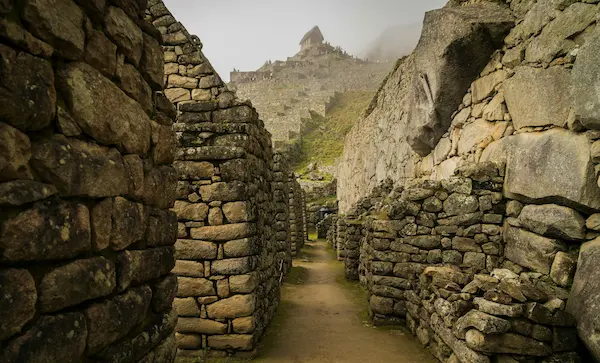
The Inca Trail is one of the most iconic trekking routes in the world, and for good reason. It is not just a path it is a preserved piece of history. Every stone step and pathway was built by the Incas, and walking along them offers a unique connection to an ancient civilization.
One of the key reasons travelers choose hiking the Inca Trail is the opportunity to visit archaeological sites that cannot be accessed by any other means. These hidden ruins provide insight into the engineering, spirituality, and daily life of the Inca Empire.
Ever-Changing Landscapes
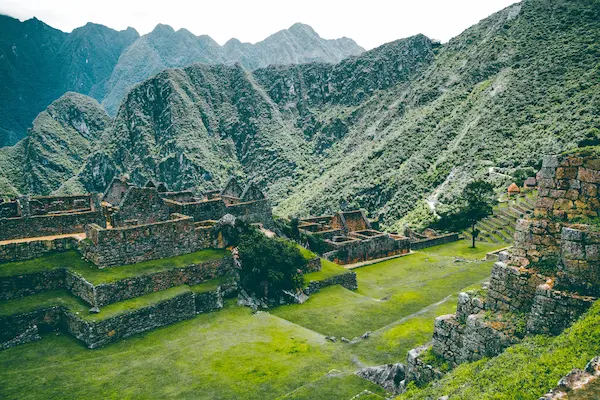
Another major highlight of hiking the Inca Trail is the incredible variety of landscapes. The route passes through high mountain passes, lush valleys, cloud forests, and subtropical environments.
Each day feels different, offering new perspectives and natural beauty. This constant change is what makes hiking the Inca Trail such a dynamic and unforgettable experience.
Preparation for hiking the Inca Trail
Physical Readiness and Altitude Adjustment
Proper preparation is essential for enjoying hiking the Inca Trail. Spending at least two or three days in Cusco before starting allows your body to adjust to the altitude, reducing the risk of altitude sickness.
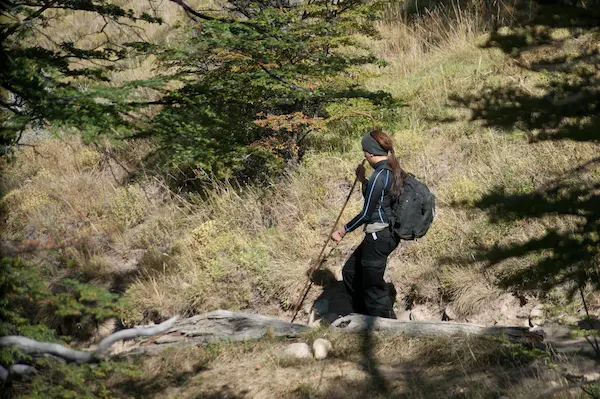
Regular physical activity before your trip such as hiking, walking, or cardio training will help you feel more comfortable during hiking the Inca Trail. While the trek is challenging, it is achievable with the right mindset and preparation.
Essential Gear for the Journey
Packing smart is crucial for a successful experience. When preparing for hiking the Inca Trail, you should prioritize comfort, protection, and practicality.
Important items include:
- Sturdy hiking boots with good grip
- Lightweight and breathable clothing
- Warm layers for cold nights
- Waterproof jacket
- Sunscreen and hat
- Reusable water bottle
- Trekking poles for support
Having the right gear ensures that hiking the Inca Trail remains enjoyable, even during more demanding sections.
You might be interested in: Endangered dogs breeds: top 5 rare and culturally significant dogs from Peru and beyond
Types of Routes Available
Choosing the Right Option
There are several variations of the trek designed to suit different travelers. Whether you have limited time or want a more immersive experience, there is an option for you.
The different routes vary mainly in duration, difficulty, and depth of exploration, allowing each traveler to choose according to their fitness level and travel goals.
Short Inca Trail (2 Days)
This is the fastest way to experience the route. The 2 days with Camping option is perfect for travelers with limited time or those who prefer a lighter physical challenge. It includes a shorter hike and a direct arrival to Machu Picchu, making it ideal for beginners or families.
Classic Inca Trail (4 Days)
The Classic Inca Trail 4 Days is the most popular and complete version. It includes the most important highlights of the route, such as multiple archaeological sites, diverse ecosystems, and the iconic arrival through the Sun Gate.
This route offers the perfect balance between challenge and reward, making it the preferred choice for most travelers.
Extended Inca Trail (5 Days)
For those looking for a slower pace, the 5 day Inca Trail is an excellent option. This route follows a similar path to the classic version but spreads the distance over more days, allowing for better acclimatization and a more relaxed experience.
It is ideal for travelers who want to fully immerse themselves in the journey without feeling rushed.
Alternative Trekking Routes
Although not technically part of the original network, there are alternative treks such as Salkantay, Lares, and Inca Jungle. These routes are great options for those who cannot secure permits or want a different perspective of the region.
Each route provides a unique way to explore the Andes while maintaining the essence of adventure, culture, and discovery.
What to Expect on the Trail
Daily Experience and Challenges
Each day brings a mix of physical effort and rewarding views while hiking the Inca Trail. The terrain varies from gentle paths to steep ascents, requiring endurance and determination.
One of the most challenging parts of hiking the Inca Trail is reaching Dead Woman’s Pass, the highest point of the route. Standing at the top provides not only incredible views but also a deep sense of accomplishment.
Evenings are spent at campsites, where trekkers can rest, enjoy meals, and connect with others. These moments add a social and reflective dimension to hiking the Inca Trail.
Arrival at Machu Picchu
The highlight of the journey is arriving at Machu Picchu through the Sun Gate. Watching the ancient citadel emerge at sunrise is an unforgettable moment.
After days of effort, completing hiking the Inca Trail and witnessing this view creates a powerful emotional connection to the experience.
You might be interested in: National animals of Peru: wildlife, meaning and where to see them
Culture and Gastronomy in Cusco
A Rich Cultural Experience
Cusco offers a rich cultural scene that perfectly complements the adventure. Exploring local markets, museums, and nearby archaeological sites enhances your understanding of the region before or after hiking the Inca Trail.
Beyond its historical landmarks, Cusco is a city full of living traditions. Visitors can witness traditional dances, colorful festivals, and artisanal crafts that have been passed down through generations. Neighborhoods like San Blas are known for their artistic atmosphere, where local artisans create textiles, ceramics, and handmade jewelry using ancestral techniques.
Additionally, visiting iconic sites such as Sacsayhuamán, Qorikancha, and the Sacred Valley provides a deeper insight into the engineering brilliance and spiritual worldview of the Inca civilization. These experiences enrich your journey and give context to everything you will see along the trail.
Traditional Andean Cuisine
Food plays an important role in the overall experience. Local dishes such as alpaca, trout, and traditional soups provide energy and flavor during your stay.
Cusco’s gastronomy is deeply rooted in Andean ingredients like quinoa, potatoes, corn, and native herbs. Peru is home to thousands of potato varieties, and many of them are still cultivated in the surrounding regions. Dishes like “ají de gallina,” “rocoto relleno,” and hearty Andean stews are commonly found in local restaurants.
Street food and markets are also worth exploring. San Pedro Market, for example, offers fresh juices, traditional snacks, and an authentic glimpse into daily life. Trying local food not only satisfies your appetite but also connects you to the cultural identity of the region.
Enjoying the gastronomy of Cusco adds another layer of richness to your journey while preparing for hiking the Inca Trail. It allows travelers to fuel their bodies properly while also experiencing one of Peru’s greatest cultural treasures its cuisine.
Practical Tips for an Unforgettable Experience
Book in Advance
Permits are limited and highly regulated. To secure your spot, it is essential to plan ahead when organizing hiking the Inca Trail.
Reservations often sell out several months in advance, especially during peak travel seasons. Booking early not only guarantees availability but also allows you to choose better departure dates and prepare properly for the journey.
Respect the Environment
The trail is a protected heritage site. Responsible travel practices ensure that hiking the Inca Trail remains preserved for future generations.
Visitors should follow all guidelines, including staying on designated paths, avoiding littering, and respecting archaeological sites. Even small actions, like minimizing plastic use or carrying reusable items, can make a big difference in conservation efforts.
Choose a Reputable Operator
A professional tour operator improves safety, logistics, and overall comfort. Choosing the right company can significantly enhance your experience while hiking the Inca Trail.
Look for agencies that are licensed, have strong reviews, and treat their staff ethically. Good operators provide experienced guides, quality equipment, and proper support throughout the journey, ensuring a safer and more enjoyable experience.
Pack Smart and Light
Carrying only what you need is essential for comfort. A lighter backpack reduces fatigue and helps you move more efficiently along the trail.
Focus on essentials such as proper clothing, personal hygiene items, and basic first-aid supplies. Most operators provide porters, but managing your daypack wisely will improve your overall experience.
Stay Hydrated and Eat Well
Maintaining energy levels is key during the trek. Drinking enough water and eating balanced meals will help your body adapt to the altitude and physical demands.
Many tours include nutritious meals, but carrying small snacks like nuts or energy bars can be very helpful between stops.
Listen to Your Body
Altitude and physical exertion can affect everyone differently. It is important to walk at your own pace, rest when needed, and communicate with your guide if you feel unwell.
Taking care of your body ensures that you can fully enjoy every moment of the journey without unnecessary discomfort.
You might be interested in: What is the best time to go to Machu Picchu? Travel tips
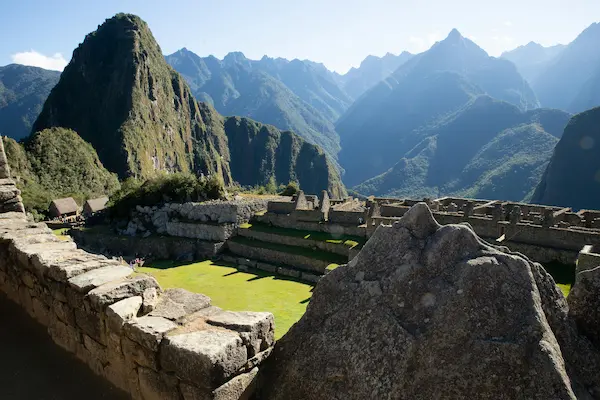
Best Time to Visit
Dry Season Advantages
The best time for hiking the Inca Trail is during the dry season, from May to September. Clear skies, sunny days, and cooler temperatures make the journey more comfortable and visually rewarding.
During these months, the chances of rain are minimal, which means safer trails and better visibility of the surrounding mountains and landscapes. It is also the ideal time for photography, as the lighting conditions allow for stunning panoramic views.
However, it is important to note that this is also the peak tourist season. Booking in advance is essential, as permits sell out quickly and the trail can be more crowded.
Rainy Season Considerations
Although more challenging, the rainy season from November to March offers its own unique advantages. The landscapes become lush and vibrant, with greener valleys and blooming vegetation that create a completely different atmosphere.
Fewer tourists choose this time, which means a quieter and more peaceful experience. However, travelers should be prepared for muddy paths, slippery sections, and occasional heavy rainfall.
Proper waterproof gear and a flexible mindset are essential when choosing this season, but for many, the tranquility and natural beauty make it worthwhile.
Personal Benefits of the Journey
Reconnection with Nature
Spending several days surrounded by mountains, forests, and open skies allows for a deep sense of disconnection from daily stress. Without constant digital distractions, travelers can fully immerse themselves in the present moment.
This connection with nature fosters mindfulness and appreciation for simple things fresh air, silence, and the rhythm of walking. It becomes a rare opportunity to slow down and reset mentally and physically during hiking the Inca Trail.
Mental and Emotional Growth
Completing hiking the Inca Trail is not just a physical achievement it is also a mental and emotional milestone. Facing long distances, altitude, and changing conditions helps build resilience and determination.
Many travelers describe a strong sense of accomplishment upon finishing the journey. This experience often leads to increased confidence and a new perspective on personal limits and capabilities.
In addition, sharing the journey with others creates meaningful connections and lasting memories, making the experience even more impactful beyond the trail itself.
You might be interested in: Top 5 festivals in Cusco you must know
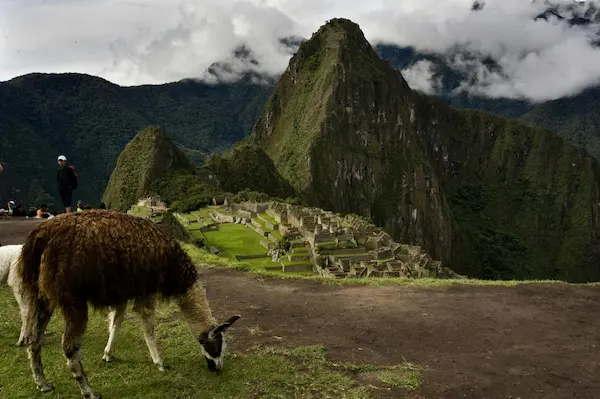
Extended Exploration Around Cusco
Sacred Valley Adventures
The Sacred Valley is a must-visit destination that perfectly complements hiking the Inca Trail. This region, located between Cusco and Machu Picchu, is known for its fertile lands, traditional villages, and impressive archaeological sites.
Places like Pisac and Ollantaytambo offer a combination of history and local culture. Visitors can explore ancient terraces, vibrant markets, and well-preserved ruins that reveal the agricultural and architectural mastery of the Incas. The valley also provides a lower altitude environment, making it an excellent place to acclimatize before or relax after the trek.
In addition, the Sacred Valley offers opportunities for unique experiences such as visiting local communities, participating in textile workshops, or exploring hidden trails that are less crowded but equally breathtaking.
Alternative Activities
Cusco offers many other experiences beyond the classic trek. Travelers can choose from a wide range of activities that enrich their journey and provide a broader perspective of the region.
Alternative treks such as Salkantay, Lares, and Ausangate offer different landscapes, from snow-capped mountains to remote Andean villages. These routes are ideal for those seeking a more off-the-beaten-path adventure.
For those interested in cultural immersion, city tours, cooking classes, and visits to local communities provide deeper insight into Andean traditions and daily life. Adventure seekers can also enjoy activities like mountain biking, zip-lining, or horseback riding through scenic valleys.
All these options allow travelers to extend their experience beyond hiking the Inca Trail while still staying connected to the spirit of exploration.
Conclusion: A Transformational Journey
Cusco is more than just a destination it is the gateway to an unforgettable adventure. From its rich history and vibrant culture to its breathtaking landscapes, every element contributes to a truly unique travel experience.
Hiking the Inca Trail is not just a trek; it is a journey through history, nature, and personal discovery. Every step tells a story, and every moment becomes a lasting memory that stays with you long after the journey ends.
For travelers seeking something truly meaningful, this experience offers the perfect balance of challenge, beauty, and cultural depth making it one of the most rewarding adventures in the world., hiking the Inca Trail remains one of the most rewarding experiences in the world.

