
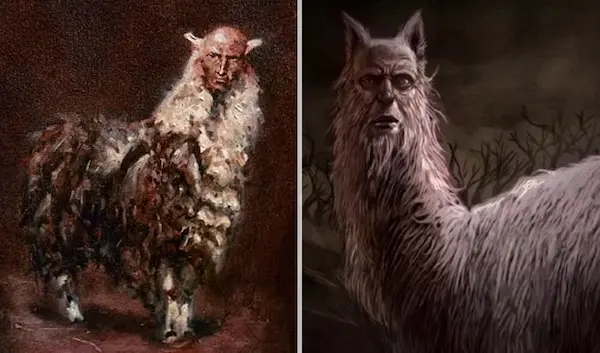
Peru is not only known for its ancient civilizations and breathtaking landscapes, but also for its deep-rooted mythology. Among the most terrifying legends of the Andes, the jarjacha stands out as one of the most disturbing and fascinating creatures in local folklore.
Travelers who explore rural areas of Peru sometimes hear these stories from locals, adding a mysterious and eerie dimension to their journey.
You may also be interested in: Is Machu Picchu Hard to Hike? A Complete Guide for Travelers
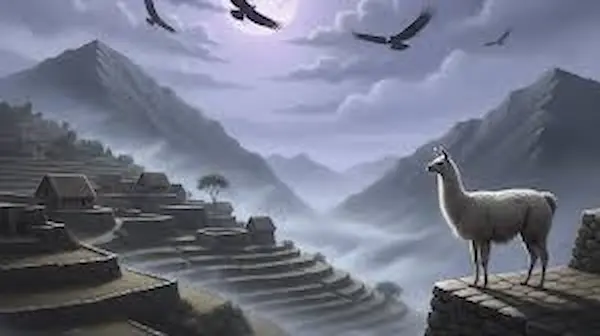
What is the jarjacha and where does the legend come from?
Is a mythical creature deeply rooted in Andean tradition, particularly in regions like Ayacucho, Huancavelica, and Apurímac. According to legend, is not born as a monster but becomes one as punishment.
Physically, is often described as a hybrid creature, sometimes resembling a llama with multiple heads or a distorted animal-human form. Its most distinctive feature is its terrifying scream, which many claim to have heard echoing through the mountains.
Where to find stories in Peru today?
Although the jarjacha is a myth, its presence is still very much alive in certain regions of Peru. Rural communities continue to share stories, especially in highland areas where traditions remain strong.
Travelers interested in cultural experiences often visit:
- Ayacucho and surrounding villages
- Remote Andean communities
- Highlands with strong oral traditions
Some trekking routes, including popular inca trail treks pass near communities where these stories are still told, giving travelers a chance to experience the cultural depth of these beliefs.
Cultural meaning behind these legend
Is more than a frightening story, it carries deep cultural and symbolic meaning. In Andean society, myths often serve as tools for teaching values and maintaining social harmony.
The transformation into a jarjacha is seen as a consequence of breaking moral codes. This reinforces the importance of respect, community, and ethical behavior. Additionally, the legend reflects the Andean worldview, where the natural and supernatural are closely connected. Mountains, animals, and spirits all play a role in shaping reality.
Physical descriptions and interpretations
Descriptions of the jarjacha vary depending on the region, but certain elements remain consistent across stories. While each community may describe the creature differently, these variations often reflect local beliefs, environmental conditions, and cultural interpretations.
Common interpretations include:
- A llama-like creature with multiple heads
- A distorted human transformed into an animal
- A being with glowing eyes and unnatural movements
Its scream is often described as a mix between human and animal sounds, creating an unsettling effect that can be heard from long distances. Some interpretations suggest that the creature represents inner guilt or fear, manifesting as a physical entity. Others believe it is a real supernatural presence tied to specific locations.
Real experiences and testimonies from travelers
While the jarjacha is considered a myth, there are numerous accounts from both locals and travelers on the Salkantay trek 4 days who claim to have encountered something unusual. Some visitors report hearing strange sounds at night while staying in remote areas. Others describe feeling watched or sensing an unexplained presence during nighttime walks.
Another account describes a group of hikers who noticed unusual animal tracks near their campsite, which locals interpreted as signs of supernatural activity. Although these experiences cannot be scientifically verified, they contribute to the mystique and enduring power of the legend.
You may also be interested in: Eco Tourism vs Traditional Tourism in 2026
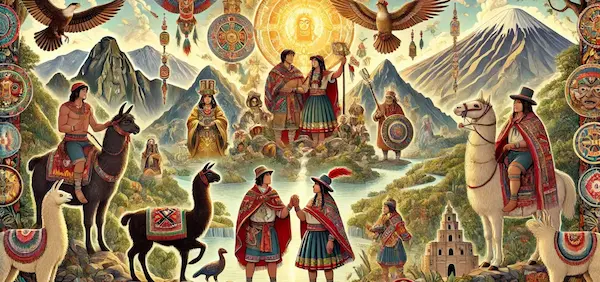
Whythe jarjacha still fascinates modern travelers?
In an age dominated by technology and information, legends like the jarjacha continue to captivate people. The combination of mystery, culture, and fear creates a unique attraction for travelers seeking more than traditional tourism.
Exploring these stories allows visitors to connect with local communities on a deeper level. It transforms a trip into an experience that blends history, mythology, and human emotion. Listening to these narratives directly from locals adds authenticity that cannot be found in guidebooks or digital content.
For many, the appeal lies not in proving whether the creature is real, but in experiencing the atmosphere and stories that surround it. The uncertainty itself becomes part of the attraction, allowing travelers to engage with the unknown in a safe but meaningful way.
Jarjacha sightings and oral traditions across generations
The jarjacha has survived through generations primarily because of oral storytelling. In many Andean communities, stories are not written but shared verbally, often during family gatherings or community events. Elders pass down these narratives as part of cultural education, ensuring that younger generations understand both the fear and the moral lessons behind the legend.
These stories are often told with vivid detail, including specific locations, dates, and even names of individuals who were supposedly transformed. This level of detail makes the legend feel more real and immediate, especially for those hearing it for the first time.
The psychological impact of these legend on travelers
Experiencing stories about the jarjacha can have a strong psychological effect, especially for travelers unfamiliar with Andean folklore. The combination of isolation, altitude, and unfamiliar surroundings can heighten emotions and make the legend feel more tangible.
Many travelers report feeling a sense of unease after hearing detailed accounts from locals. Even those who do not believe in the supernatural may find themselves more alert and sensitive to sounds or movements during the night.
This psychological impact is part of what makes the legend so powerful. It creates an immersive experience where imagination and environment work together, turning a simple story into something deeply memorable and emotionally engaging.
How these legends influence local behavior and beliefs?
The legend of the jarjacha continues to influence behavior and social dynamics in certain Andean communities, even in modern times. While some may see it as a myth, for others it remains a powerful reminder of moral values and collective responsibility. Stories about the jarjacha are often used to reinforce boundaries and discourage actions that could harm the social fabric.
In many rural areas, the idea of the jarjacha still carries weight, especially among older generations. It serves as a cultural mechanism that encourages respect, discipline, and awareness of one’s actions. Rather than relying solely on formal rules, communities use storytelling as a way to guide behavior in a more symbolic and emotional manner.
Interestingly, this influence extends beyond fear. The jarjacha also represents a shared understanding of consequences, creating a sense of accountability within the community. It reflects how traditional beliefs can shape everyday life, blending mythology with social structure.
In fact, many visitors rely on local peru tour operators to access remote regions where these legends are still part of everyday life.
Differences between jarjacha and other Andean mythical creatures
Understanding the creature within the broader context of Andean mythology allows travelers and readers to better appreciate its uniqueness. While many legends across the Andes share spiritual elements, not all serve the same purpose or convey the same type of message.
| Aspect | Jarjacha | Other Andean mythical creatures |
|---|---|---|
| Main role | Represents punishment and fear | Often act as protectors or spiritual guides |
| Origin | Human transformed due to moral wrongdoing | Frequently born as spirits or natural entities |
| Symbolism | Consequences of breaking social rules | Balance, protection, or connection with nature |
| Emotional impact | Fear, tension, warning | Respect, guidance, or harmony |
| Cultural function | Reinforces moral behavior | Explains natural phenomena or spiritual beliefs |
This comparison highlights how these creature occupies a darker and more cautionary space within Andean folklore. Unlike other beings that inspire protection or harmony, it serves as a reminder of the consequences tied to human actions. Through this contrast, the richness and diversity of Andean mythology become more evident, offering deeper insight into how different stories shape cultural identity.
Nighttime environments and the atmosphere of Andean legends
One of the most striking aspects of Andean legends is how strongly they are tied to the environment, especially during nighttime. As the sun sets in highland regions, the landscape changes dramatically. Temperatures drop, visibility decreases, and silence becomes more pronounced, creating a setting that naturally intensifies perception and emotion.
In these conditions, even ordinary sounds can feel unfamiliar. The wind moving through the mountains, distant animal calls, or echoes traveling across valleys can easily be interpreted in different ways. This sensory shift plays a key role in how people experience and interpret stories, making legends feel closer and more real.
The lack of artificial light in many rural areas also contributes to this atmosphere. Darkness in the Andes is often deeper than what most travelers are used to, allowing imagination to take a more active role. Shadows, silhouettes, and distant movements become part of the experience, blurring the line between reality and perception.
You may also like: What is hiking and trekking
Modern interpretations in media and storytelling
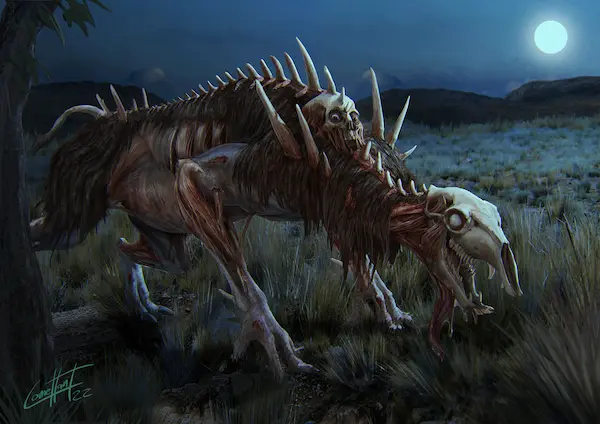
In recent years, has gained attention beyond rural communities, appearing in films, literature, and digital content. These modern interpretations often adapt the legend to contemporary audiences while maintaining its core elements.
Some creators use the jarjacha as a horror figure, emphasizing its appearance and sound to create suspense. Others focus on its symbolic meaning, exploring themes of guilt, morality, and transformation. This evolution shows how traditional myths can adapt over time while remaining relevant.
Tips for exploring Andean myths safely and respectfully
Travelers interested in legends like the creature should approach these experiences with respect and awareness. Exploring Andean myths is not only about curiosity or entertainment, but also about understanding deeply rooted cultural beliefs that continue to shape the identity of local communities.
Some recommendations include:
- Listen to local stories with an open mind
- Avoid mocking or dismissing cultural beliefs
- Follow guidance from local experts
- Respect communities and their traditions
Understanding the cultural context ensures a more meaningful and respectful experience. When travelers approach these legends with genuine interest and humility, they not only gain deeper insight into Andean culture but also build authentic connections with the people who keep these traditions alive.
The enduring legacy of jarjacha in Andean culture
The jarjacha continues to hold a powerful place within Andean storytelling, not only as a symbol of fear but as a reflection of how communities interpret justice, behavior, and the unseen world. Its presence in oral tradition shows how myths can function as both cultural memory and social guidance, shaping the way people understand right and wrong across generations.
For travelers, engaging with the story of the creature offers more than just a mysterious tale. It opens the door to understanding how local communities interpret their environment, their history, and their values. Listening to these narratives firsthand adds depth to any journey, transforming it into an opportunity for cultural learning and reflection.

