
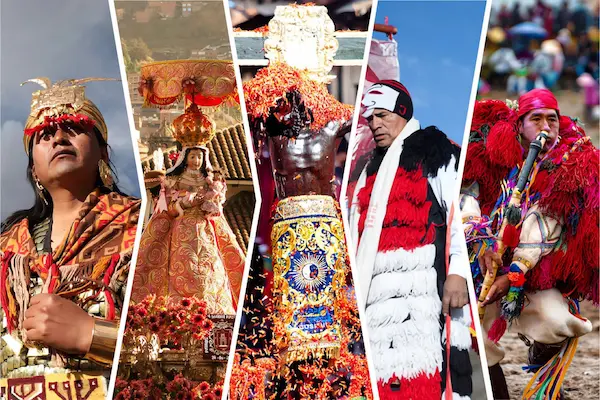
Festivals in Cusco are much more than isolated celebrations on the tourist calendar — they represent moments when the city reveals its most authentic identity, its historical memory, and its living connection with Andean traditions. Travelers who visit Cusco during these dates experience a completely different atmosphere, where music, colors, dances, and community participation transform the journey into something deeply emotional and memorable.
Unlike in many destinations where cultural events may feel staged primarily for visitors, festivals in Cusco remain genuine expressions of collective identity. Entire families participate in processions, dance groups, and rituals that have been passed down for generations. This creates an immersive environment that allows travelers to understand local culture from within rather than simply observing it from the outside.
Incorporating these celebrations into a travel itinerary also adds a meaningful dimension to exploring Peru. Many visitors combine archaeological visits, nature excursions, and cultural encounters to gain a more holistic perspective of the destination. Even when comparing Cusco’s traditional community organization with highly structured urban environments where functional infrastructure solutions like rolling gates nyc help manage city dynamics it becomes clear that in Cusco, social cohesion and cultural continuity play the most important role in shaping public life.
Experiencing festivals in Cusco ultimately means traveling through time, connecting with Andean spirituality, and participating in a vibrant culture that continues to evolve while preserving its essence.
You might also be interested in reading: Hiram Bingham train machu picchu: the ultimate luxury journey to the lost city of the incas
What are the festivals in Cusco?
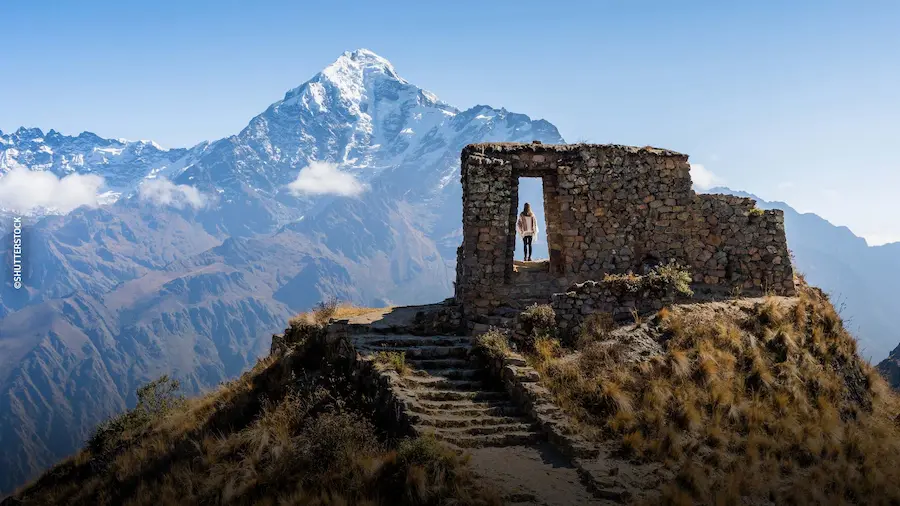
The festivals in Cusco are cultural, religious, and social celebrations that blend ancient Inca traditions with Spanish colonial influences. They form part of a dynamic annual calendar in which nearly every month offers meaningful events across the historic center, surrounding neighborhoods, and nearby towns.
Beyond their festive atmosphere, these events fulfill essential roles within local society. They strengthen community ties, honor spiritual beliefs or patron saints, transmit ancestral knowledge, and preserve artistic expressions such as traditional dance, music, textile design, and gastronomy.
For travelers, understanding what festivals in Cusco truly are means recognizing that they are not simply attractions to check off a list. Instead, they are living cultural processes that invite respectful participation, curiosity, and openness. This mindset transforms the trip into an active learning experience where listening, observing, and engaging become more valuable than passive sightseeing.
You might also be interested in reading: The solar calendar of the Incas
What importance do festivals in Cusco have?
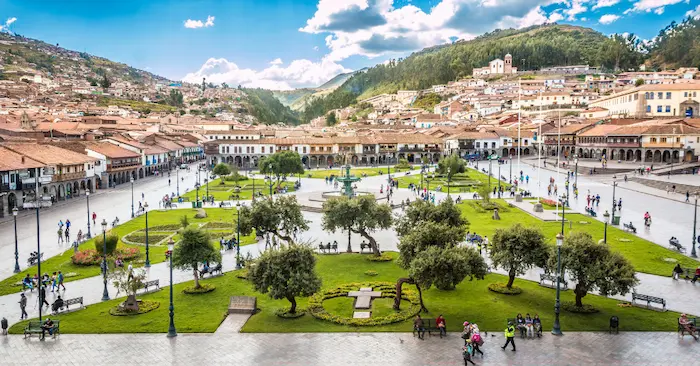
The importance of festivals in Cusco is closely linked to cultural preservation, social cohesion, and regional economic development. These celebrations help maintain centuries-old traditions while also creating sustainable tourism opportunities that benefit local communities.
Festivals in Cusco and the preservation of Andean identity
Many festivals maintain symbols, rituals, and narratives rooted in Inca cosmology and Andean spirituality. Through participation in these celebrations, younger generations learn about their history, cultural values, and the deep connection between humans and nature. In this way, festivals in Cusco function as powerful tools for intergenerational cultural education.
Economic impact of festivals in Cusco on tourism
During major celebrations, Cusco experiences a significant increase in domestic and international visitors. This surge benefits hotels, restaurants, guides, transportation providers, and local artisans. In a comparable way to how modern cities optimize commercial flow through infrastructure solutions such as Overhead roll up doors in New York City, Cusco adapts its urban rhythm to accommodate seasonal tourism demand while maintaining its traditional character.
Festivals in Cusco as spaces for social integration
Community participation is one of the defining features of these events. Residents organize dance groups, prepare costumes, decorate streets, and coordinate religious or civic ceremonies. This collaborative effort reinforces local pride and creates authentic experiences that travelers can immediately perceive and appreciate.
You might also be interested in reading: How Ancient Civilizations Lived Sustainably?
Why visit festivals in Cusco?
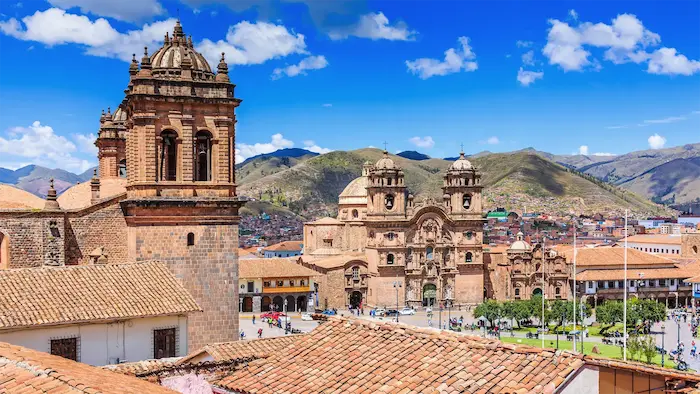
Visiting festivals in Cusco allows travelers to experience the destination through a more emotional, participatory, and transformative lens. These celebrations add spontaneity, depth, and cultural richness to any itinerary, making the journey far more meaningful than conventional sightseeing alone.
Immersive cultural experiences
Festivals provide opportunities to witness traditional dances, taste regional cuisine, listen to live Andean music, and observe ancestral rituals performed in historic settings. Travelers often find themselves interacting directly with local communities, which creates unforgettable memories and a stronger sense of connection with the place.
Participating in these environments also helps visitors understand the symbolic importance behind costumes, choreography, and ceremonial offerings. Rather than simply attending an event, travelers become observers of living heritage in motion.
Connection with Andean spirituality and worldview
Many Cusco festivals include rituals dedicated to natural forces such as mountains, rivers, and the Pachamama (Mother Earth). These practices reflect a holistic worldview in which spiritual balance and environmental respect play essential roles. Experiencing these traditions firsthand can inspire travelers to reflect on their own relationship with nature and cultural diversity.
The contemplative atmosphere of certain ceremonies contrasts with the fast-paced nature of modern urban life. Just as large metropolitan areas prioritize safety and organization through practical solutions like Roll Up Security Gates, Cusco’s celebrations demonstrate how community values and shared beliefs can naturally structure public gatherings.
Social atmosphere and global connections
Festivals also attract backpackers, digital nomads, photographers, volunteers, and culture-focused travelers from around the world. This creates a vibrant social environment where people exchange travel tips, collaborate on projects, or form long-lasting friendships.
These interactions often lead to spontaneous adventures, group excursions, and deeper engagement with local culture. For many visitors, the friendships formed during festivals become one of the most valuable aspects of their travel experience.
You might also be interested in reading: Best Huaraz travel guide 2026
Top 5 festivals in Cusco you must experience
Experiencing the most important festivals in Cusco is one of the best ways to truly understand the cultural richness and living traditions of the Andes. Throughout the year, the city of Cusco becomes a vibrant stage where history, spirituality, music, and community life merge into unforgettable celebrations that go far beyond typical tourist attractions.
1. Inti Raymi
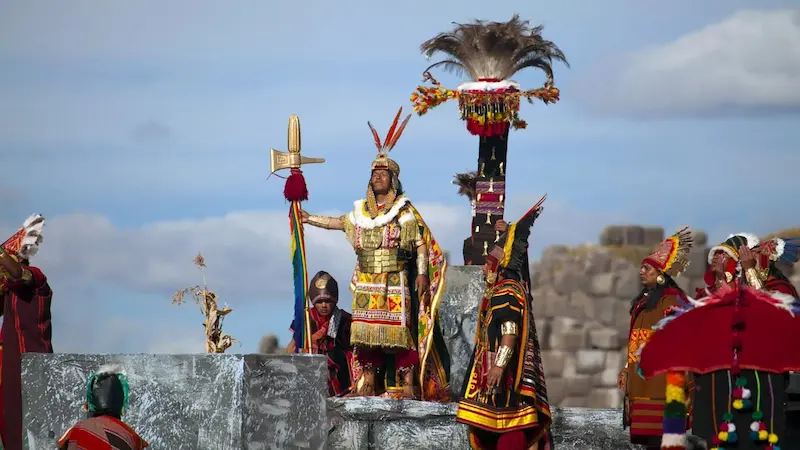
Inti Raymi is the most iconic cultural celebration in Cusco and one of the most important historical reenactments in South America. Held every June, this festival recreates the ancient Inca ceremony honoring the Sun God, Inti.
Thousands of performers dressed in elaborate traditional costumes participate in theatrical processions that take place across key archaeological sites. For travelers, witnessing Inti Raymi offers a unique opportunity to visualize the grandeur of the Inca Empire while experiencing a large-scale cultural event rooted in ancestral symbolism.
2. Corpus Christi
Corpus Christi is a major religious festival that blends Catholic traditions introduced during colonial times with indigenous Andean practices. The celebration is known for its vibrant processions in which sacred images from different churches are carried through Cusco’s historic streets.
Food also plays a central role, with locals gathering to enjoy traditional dishes such as chiriuchu. This festival provides travelers with insight into how Cusco’s cultural identity has been shaped by centuries of spiritual and social transformation.
3. Virgen del Carmen (Paucartambo)
Located a few hours from Cusco, the Virgen del Carmen festival in Paucartambo is famous for its dramatic dances, colorful masks, and intense community devotion. Each dance troupe represents historical narratives, mythical characters, or social satire, making the celebration both entertaining and culturally meaningful.
Visitors often describe this festival as one of the most visually striking experiences in the region due to its choreography, fireworks, and all-night performances.
4. Santuranticuy Market
Held in December, Santuranticuy is a traditional Christmas market that fills Cusco’s main square with artisans selling handcrafted figurines, textiles, and decorations. This event reflects the creativity and entrepreneurial spirit of local communities.
Travelers can interact directly with artisans, learn about traditional techniques, and purchase meaningful souvenirs while enjoying a festive holiday atmosphere.
5. Cusco Anniversary Celebrations
Throughout June, Cusco celebrates its historical foundation with parades, concerts, dance performances, and cultural exhibitions. Streets become lively stages where schools, institutions, and community groups present artistic showcases.
For visitors, this period offers a dynamic overview of Cusco’s cultural diversity, making it an ideal time to experience multiple traditions within a single trip.
Exploring the most important festivals in Cusco allows travelers to experience the city from a perspective that goes far beyond sightseeing. These celebrations reveal the depth of local traditions, the strength of community values, and the enduring influence of ancient Andean culture in everyday life. From spiritual ceremonies rooted in Inca history to vibrant religious processions and colorful street performances, each festival offers a unique window into the soul of Cusco.
Attending these events not only enriches a travel itinerary but also creates opportunities for meaningful cultural exchange and personal reflection. Travelers often discover that the energy, symbolism, and collective joy present during festival seasons leave a lasting emotional impact that traditional tours alone cannot provide.

