
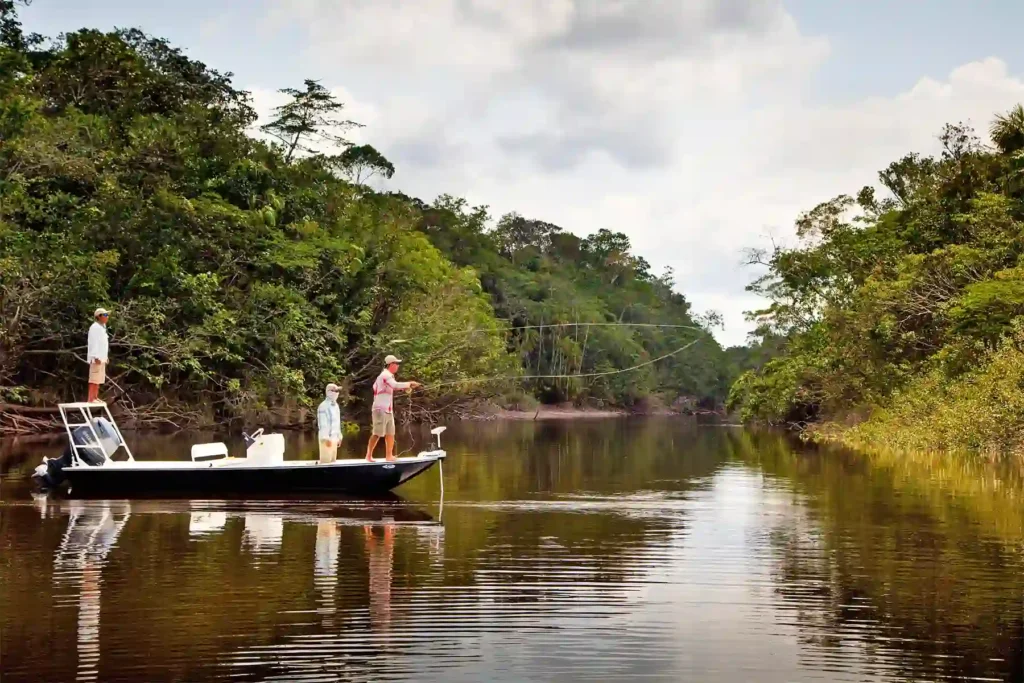
Every sunrise over the Amazon River in Peru holds the promise of an incredible fishing adventure. Having spent over a decade fishing alongside local fishermen and travelers from all over the world, I can confidently say that there’s no place on Earth quite like it for sport fishing. The mighty Amazon, stretching 6,400 kilometers with an average flow of 209,000 m³/s, hides fishing treasures that only the most daring explorers can uncover.
The waters of the Peruvian Amazon host over 3,000 species of fish, making up about 15% of all freshwater fish species on the planet. In my time here, I’ve witnessed the thrill of catching more than 150 different species, from small tetras to giant paiches weighing over 200 kilos. The diversity and richness of the Amazon’s aquatic life make it an unparalleled destination for those looking to experience the ultimate fishing adventure.
Is the Amazon in Peru Dangerous?
The Peruvian Amazon is one of the most captivating regions on earth, but it is not without risks. Travelers should be aware of certain challenges before planning a trip. Mosquito-borne diseases such as dengue or malaria are present in some areas, so preventive measures like vaccinations, repellents, and protective clothing are essential. The natural environment also poses risks: strong river currents, seasonal flooding, and encounters with wildlife can catch visitors off guard if they are not prepared.
Security concerns exist in remote areas where illegal logging, mining, or drug trafficking may occur. While tourists are rarely targeted, traveling with an experienced and licensed guide reduces exposure to these dangers. Another factor to consider is limited infrastructure: medical care, transport, and communication can be scarce once you leave larger towns.
You may also be interested in: Responsible tourism: Travel with purpose in Peru
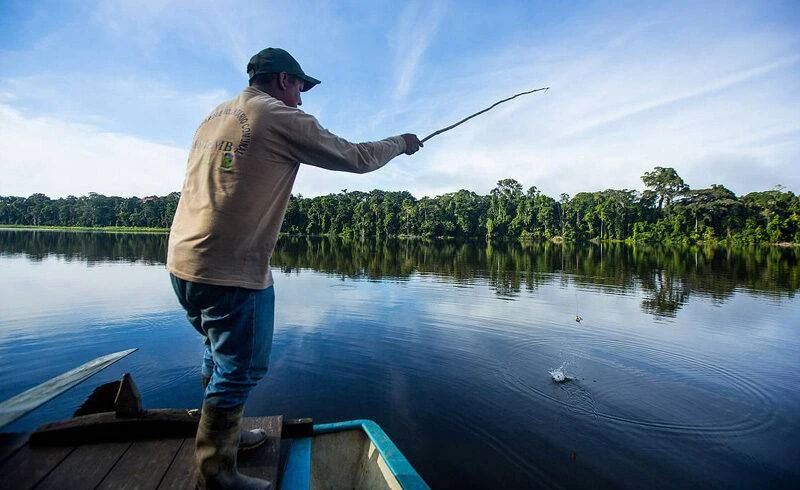
Fishing in the Amazon River of Peru
Every sunrise in the Peruvian Amazon brings the promise of an epic catch. After more than a decade of fishing in the Amazon river alongside local fishermen and visitors from around the world, I can say without a doubt that there’s no comparable place on the planet for sport fishing. The waters of the world’s mightiest river – with its 6,400 kilometers in length and an average flow of 209,000 m³/s – hold secrets that only the most adventurous manage to discover.
The Peruvian Amazon is home to more than 3,000 fish species, representing approximately 15% of all freshwater fish species on the planet. During my expeditions I’ve documented catches of more than 150 different species, from tiny tetras to paiches that exceed 200 kilos.
The best places for fishing in the Amazon river
After years exploring the Amazon, I’ve identified the places where it’s really worth dropping a line. Not all spots are equal, and knowing the differences can mark the line between a memorable expedition and an expensive disappointment.
Iquitos
Iquitos, with its 377,609 inhabitants according to the latest census, isn’t just a city – it’s your gateway to a different world. Here, where the Amazon, Ucayali, and Marañón rivers meet, I’ve seen experienced anglers left speechless at the first bite of a paiche. The locals know every bend, every shallow where fish concentrate during the floods.
Fishing in the Amazon river from Iquitos gives you access to more than 50,000 square kilometers of fishing territory. The magic begins as soon as you leave the city. Twenty minutes downstream, the waters change color and wildlife takes control. Pink dolphins appear like good omens – recent studies estimate a population of 15,000 specimens in the Peruvian Amazon – and veteran fishermen know that where they are, big fish aren’t far away.
Ucayali
The Ucayali has given me some of the best fishing stories of my life. I vividly remember the day a 180-kilo paiche nearly pulled me out of the boat near Contamana. This river has its own personality: capricious, generous, and always surprising.
The lateral lagoons of the Ucayali are true sanctuaries. During the dry season, when waters recede, these mirrors of water concentrate a biodiversity that leaves you breathless. A Shipibo guide told me that his grandparents already fished in these same waters, and that the fish “know the seasons better than we do.”
Lake Sandoval
For a more immersive Amazon experience, the lake sandoval tour is a must-do. Located within the Tambopata National Reserve, Sandoval Lake is one of the most biodiverse spots in the Amazon. The tour offers an unforgettable combination of serene boating through the jungle and wildlife spotting, where you can see everything from monkeys and capybaras to giant otters. This peaceful, natural setting is a fantastic contrast to the hustle and bustle of city life and adds an exciting dimension to your fishing adventure.
Pacaya-Samiria
If you’re looking for a mystical experience, Pacaya-Samiria is your destination. This national reserve of 2 million hectares functions like a natural laboratory where every species finds its perfect place. Here fishing becomes contemplative, almost spiritual.
During my last expedition, I spent three days in a lost lagoon where peacock bass attacked with an aggressiveness I hadn’t seen anywhere else. The silence was only broken by the splash of jumping fish and the occasional distant roar of a jaguar.
Marañón
The upper Marañón holds surprises for those who venture beyond the conventional. Near Yurimaguas, I’ve found pools where catfish grow to prehistoric sizes. A 70-year-old local fisherman taught me fishing techniques that his father had passed down to him, methods you won’t find in any manual.
You may also be interested in: Exploring Peru: 6 hidden gems worth discovering
What fish live in the amazon rainforest
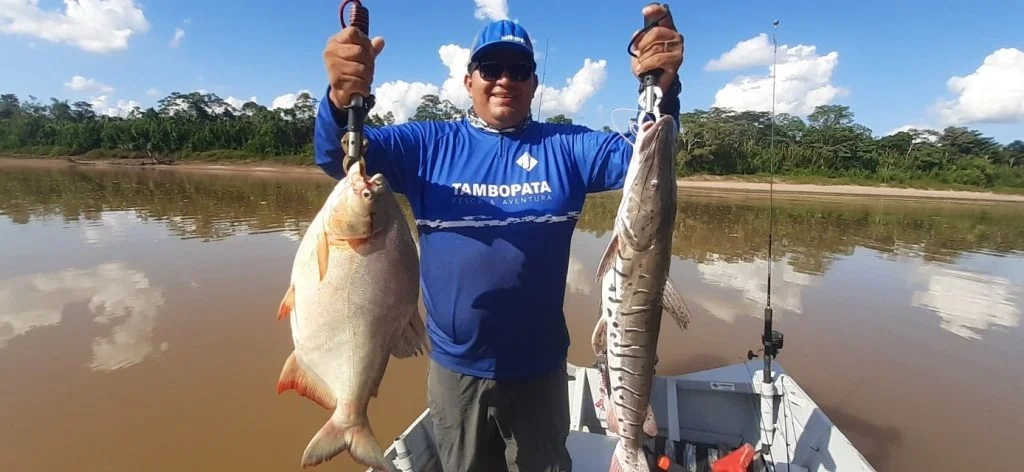
The Amazon rainforest’s aquatic diversity is mind-blowing – we’re talking about the most species-rich freshwater ecosystem on Earth. After two decades of exploring these waters, I’ve encountered fish that seem straight out of a science fiction movie. Some are gentle giants, others are fierce predators, and many are so bizarre they’ll make you question everything you thought you knew about fish. The rainforest’s flooded areas, oxbow lakes, and tributaries each host their own unique communities, creating a living encyclopedia of aquatic life that scientists are still discovering.
Arapaima (Paiche)
This 400-million-year-old species is basically a swimming dinosaur. Growing up to 10 feet long and weighing over 440 pounds, the arapaima is one of the largest freshwater fish in the world. What blows my mind is their ability to breathe air – they surface every 10-20 minutes with a distinctive gulp that sounds like a small explosion. I’ve watched these giants launch themselves completely out of the water when hooked, a sight that never gets old.
Giant Catfish (Lau Lau)
The Amazonian catfish family includes absolute monsters. The Lau Lau can reach 6 feet and 200 pounds, with whiskers longer than baseball bats. These bottom-dwellers are the vacuum cleaners of the Amazon, consuming everything from fruits to smaller fish. During my night fishing expeditions, I’ve hooked catfish that felt like I was pulling up a submerged log until they started fighting back.
Electric Eel
Despite the name, electric eels are actually knife fish, not true eels. These 8-foot-long powerhouses can generate up to 860 volts – enough to stun a horse. I’ve had the “pleasure” of being zapped by a smaller one, and trust me, it’s an experience you don’t forget. They use echolocation to navigate murky waters and can hold their breath for up to an hour.
Peacock Bass (Tucunaré)
With 15 species ranging from butterfly peacocks to giants, these cichlids are the ultimate aggressive predators. The largest species, Cichla temensis, can exceed 25 pounds and hit lures at 35 mph. Their territorial nature during spawning season is legendary – I’ve seen them attack lures three times their size. The distinctive eye spot on their tail isn’t just for show; it confuses predators about which end is the head.
Payara (Vampire Fish)
These silver bullets sport two massive fangs that can grow 6 inches long. Payara are built for speed, reaching up to 30 mph when chasing prey. They’re like underwater missiles that specialize in hunting other fish. The way they use those fangs to impale prey is both fascinating and terrifying – they literally stake their victims.
Arowana
Known as “monkey jumpers” for their ability to leap 6 feet out of water to catch prey in overhanging branches, arowanas are living fossils dating back 200 million years. Their bony tongues and throat are lined with teeth, making them incredibly efficient predators. In Asian cultures, they’re considered lucky, but in the Amazon, they’re just damn good fighters.
Piranha
There are over 60 piranha species in the Amazon, and most are actually vegetarian or omnivorous. The red-bellied piranha gets all the press, but I’ve found the black piranha to be more aggressive. During dry season when they’re concentrated, I’ve seen feeding frenzies that strip a fish to bones in minutes. But contrary to Hollywood, they rarely attack humans – I’ve swum in piranha-infested waters without incident.
You may also be interested in: Peruvian Culture: Traditions, Nature, and Ways of Life
How to travel for fishing in the Amazon river
Lima-Iquitos: 1 hour and 45 minutes that transport you from the desert coast to the heart of the jungle. Upon landing, the humid air embraces you and you know the adventure has begun. Flights operate several times a day, but during high season it’s better to book in advance.
From the airport to the port, the contrast is brutal. In 20 minutes you go from a modern airport to a dock where time seems to have stopped decades ago. The peque-peques wait loaded with supplies, and the boat drivers already recognize your anxious tourist face.
As you make your way down the river, the jungle slowly envelops you, and the landscape begins to change. After a while, you’ll arrive at a quiet lodge nestled deep in the Amazon. amazon garden lodge feels like part of the natural surroundings, offering a peaceful spot to relax and take it all in. It’s the ideal place to unwind after a day of adventure, surrounded by the sounds and beauty of the rainforest.
Navigating the River of Life
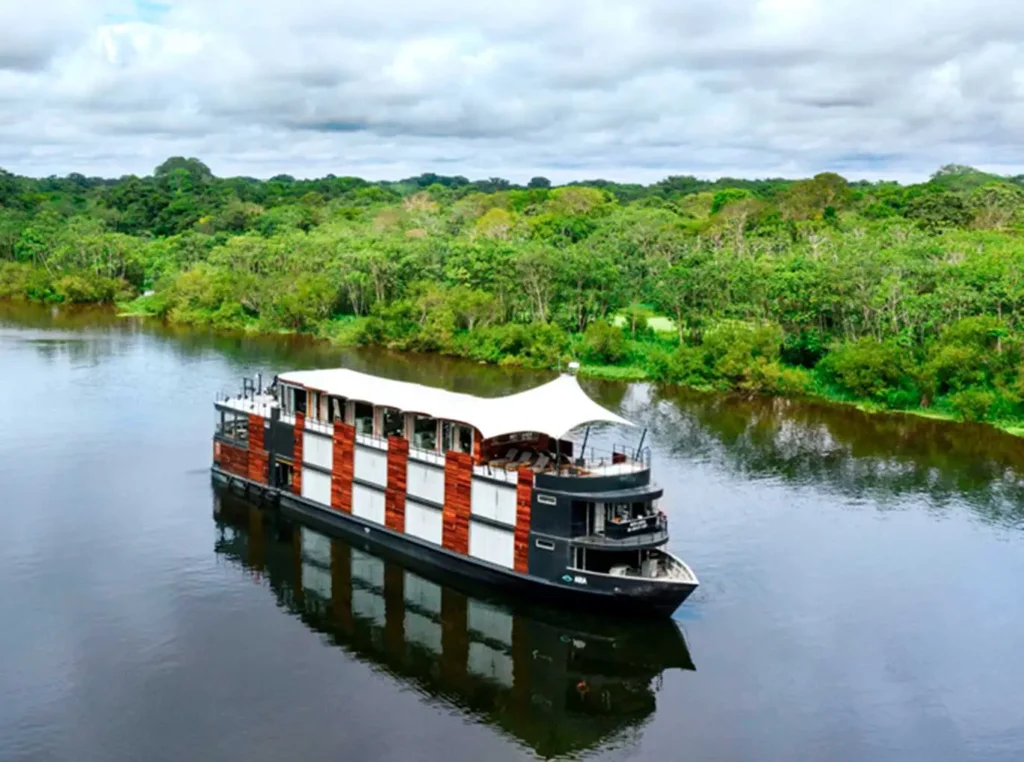
Every boat tells a different story. Fast boats take you to nearby destinations in a few hours, but you miss the spectacle of the changing landscape. Lodge boats offer comfort but limit your mobility. My personal recommendation: combine both depending on your plans.
During my first expedition I made the mistake of wanting to get everywhere fast. Later I understood that the river journey is an integral part of the experience. Seeing how the landscape transforms, observing wildlife, and talking with local guides enriches the adventure as much as the fishing itself.
Where to sleep in the peruvian amazon
Lodges specialized in sport fishing have evolved enormously. Some offer luxuries that rival five-star hotels but maintain jungle essence. Others prefer authentic rusticity, where you sleep to the rhythm of the nocturnal jungle.
Personally, I prefer places that combine basic comfort with authenticity. Nothing beats the experience of waking up in a cabin on stilts, with the river flowing beneath you and jungle sounds as a natural alarm clock.
You may also be interested in: Sustainable tourism practices in Peru: The path to responsible tourism
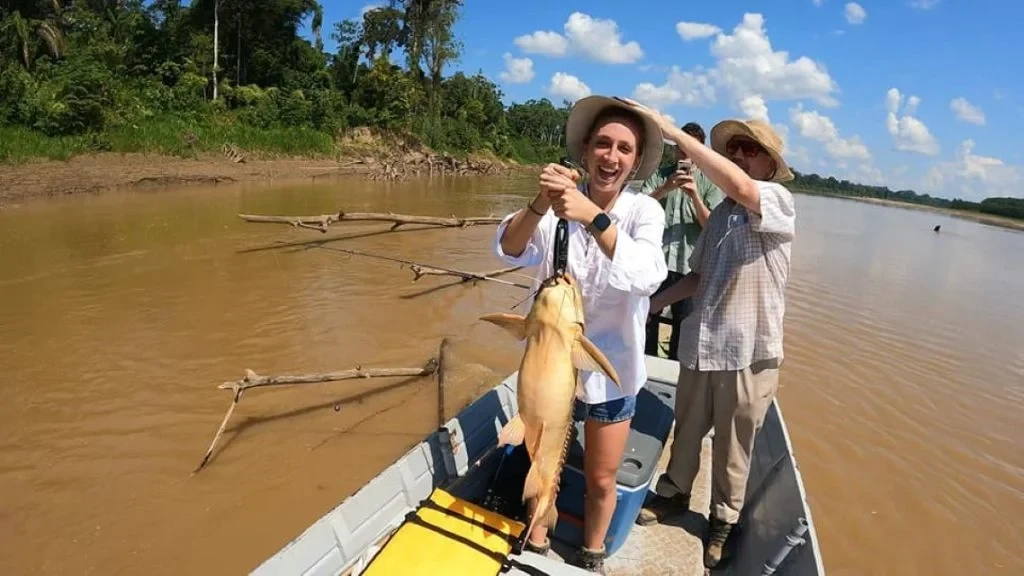
The best time for fishing in the Amazon River
Timing is everything in the Amazon. Choosing the right season can mean the difference between an epic experience and an expensive disappointment. After fishing in all seasons for more than a decade, I’m going to tell you when it’s really worth making the trip.
Timing is everything in the Amazon. Many travelers choose the tambopata tour from cusco during the dry season (May to October), as the weather is more predictable and wildlife sightings are better. This is the best time for fishing and exploring the Amazon’s rich biodiversity.
The beast season (May-October)
During these months, the Amazon transforms into a giant natural aquarium. Waters drop, concentrating fish in smaller spaces and making them easier to locate. It’s the preferred season for serious fishermen, when epic stories are written more frequently.
July is my favorite month. Conditions are stable, weather is drier, and underwater visibility improves considerably. Paiches concentrate in lagoons, and peacock bass become more aggressive in clearer waters.
The best seasons by Species
For Paiche: June to August is the golden period. Low waters concentrate these giants in specific lagoons, and their behavior becomes more predictable. During these months I’ve achieved my best catches.
For Peacock Bass: May to October offers ideal conditions. Peacock bass prefer clear waters and defined structures. July is especially productive when water levels are at their lowest.
For Dorado: Migration occurs mainly between April and June. During these months, enormous schools move upstream, offering unique opportunities for trophy catches.
For Surubí: The dry months (June-September) are perfect for night fishing these giants. Clear nights with a full moon are especially productive.
The Wet Adventure (November-April)
Don’t dismiss the rainy season. While it presents additional challenges, it also offers unique opportunities. During floods, fish disperse into normally inaccessible areas, allowing exploration of virgin territories.
I’ve had some of my best fishing days during January and February. Fish are well-fed due to the abundance of fruits and seeds that fall into the water, but they’re also more selective. It requires more technique, but the rewards can be extraordinary.
What to Bring for Fishing in the Amazon River
Packing correctly is essential for a successful fishing trip in the Peruvian Amazon. The rainforest is hot, humid, and unpredictable, so being well-prepared will make your experience safer and more enjoyable. Here are the essentials you should take with you:
Documentation and cash
Bring copies of your passport, travel permits if required, and some cash in small denominations for local expenses or emergencies.
Fishing gear
A sturdy rod, strong lines, and durable hooks are a must. Species like peacock bass or piranhas require equipment that can handle their power. Bring extra lures, sinkers, and spare lines in case of loss or damage.
Protective clothing
Lightweight, long-sleeved shirts and pants will protect you from both the sun and insect bites. A wide-brimmed hat, polarized sunglasses, and quick-dry shoes or sandals are highly recommended.
Insect repellent and mosquito net
Mosquitoes are constant in the Amazon. A strong repellent and a compact mosquito net will keep you more comfortable, especially at night.
Safety and health items
Carry a basic first-aid kit, personal medicines, sunscreen, and water purification tablets or a portable filter. Staying hydrated with safe drinking water is crucial.
Waterproof bags
Rain showers are sudden and frequent. Dry bags or zip-lock pouches will protect your gear, electronics, and important documents.
Snacks and hydration
Energy bars, electrolyte packets, and bottled water are useful for long hours on the river. Even with a guide providing meals, it’s wise to carry your own supplies.
The cost for fishing in the amazon river
The economic reality of fishing in the Amazon river can surprise you, both high and low, depending on how you plan your adventure. After calculating expenses from more than 50 expeditions, I’ve developed a clear understanding of where it’s worth investing and where you can save without sacrificing the experience.
Basic Packages ($180-280 USD/day): Include transportation from Iquitos, rustic but comfortable lodging, three daily meals, basic local guide, and use of small boat. I’ve tried several in this range and the quality difference can be abysmal.
Premium Packages ($400-600 USD/day): Specialized lodges with air conditioning, gourmet food, bilingual specialized guides, fast boats, and quality fishing equipment. The experience justifies the cost if it’s your first time or you’re looking for maximum comfort.
Luxury Expeditions ($800-1,200 USD/day): State-of-the-art lodge boats, private suites, professional chefs, guides with decades of experience, and access to exclusive remote areas. I’ve been on some that rival five-star hotels.
You may also be interested in: Exploring the Andean roads : A fascinating Inca legacy and tourism in Peru
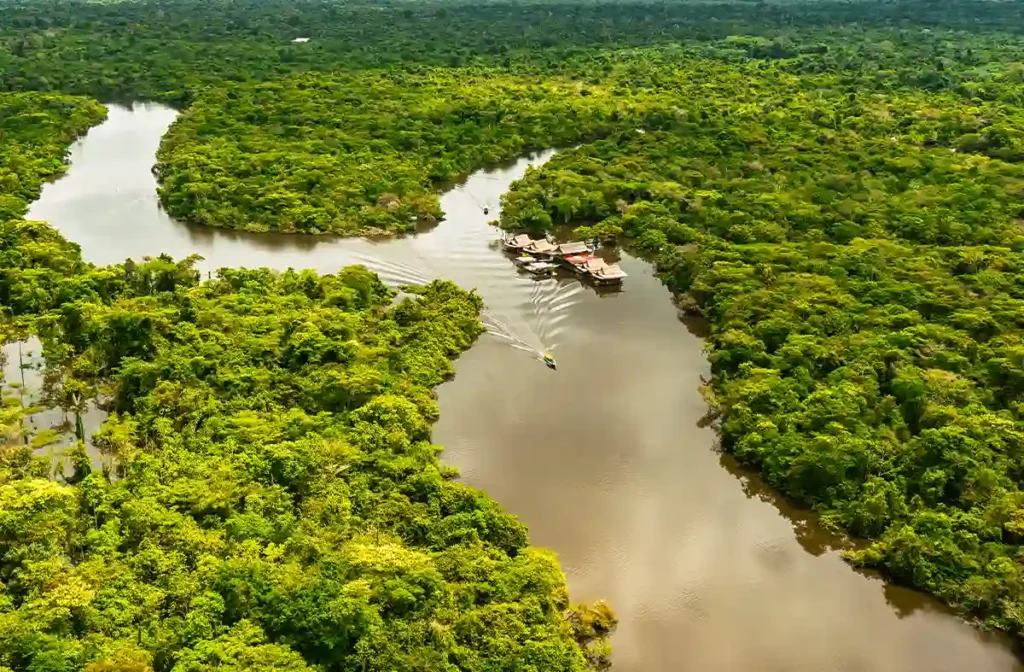
Recommendations for fishing in the amazon river in Peru
These are the most valuable lessons I’ve learned after more than 50 expeditions. Some I learned the good way, others the hard way, but all can save you time, money, and frustrations.
Before traveling
Train your physical endurance: The Amazon is no place for sedentary people. Start an exercise program at least 8 weeks before the trip. Focus on cardiovascular endurance and arm and back strength.
Test your equipment: Never debut equipment in the Amazon. Every piece should be tested and adjusted. I’ve seen expeditions ruined by new reels that failed at the crucial moment.
Study the species: Know the habits, feeding schedules, and habitat preferences of your target species. This knowledge is worth more than the best equipment in the world.
During the expedition
Get up religiously early: The best catches occur between 5:30 and 8:30 AM. Large fish feed during these hours, and competition with other fishermen is lower.
Change strategy frequently: If a technique doesn’t work after 30 minutes, change. The Amazon rewards adaptability, not stubbornness.
Respect rest schedules: Between 11 AM and 3 PM, most species take refuge from the heat. Use this time to rest, hydrate, and plan the next session.
Mistakes you must avoid
- Don’t underestimate the river’s power: I’ve seen experienced fishermen lose trophy fish for using inadequate equipment. In the Amazon, always err on the side of overbuilding.
- Don’t ignore local guides: Their ancestral knowledge surpasses any modern technology. Listen to them, learn from them, and always pay fair tips.
- Don’t obsess over a single species: Amazon diversity is its greatest gift. Stay open to species you didn’t know – they can give you the best surprises.
- Professional Secrets
The perfect lure doesn’t exist: I’ve had days where $2 USD lures worked better than $50 USD imports. Presentation always beats price. - Read water like a book: Learn to identify currents, whirlpools, and submerged structures. 80% of success is in fishing in the right place.
- Patience has limits: In the Amazon, if there’s no action in 45 minutes, move. The fish are there, but maybe not where you’re fishing.
The adventure awaits you
After more than 50 expeditions to the Peruvian Amazon, each trip continues to surprise me. This giant river holds secrets that a lifetime isn’t enough to discover completely. Each sunrise brings the possibility of the catch of your life, each sunset leaves stories you’ll tell for years.
Fishing in the Amazon river changes your perspective on what it means to be a fisherman. Here it’s not just about catching fish, but connecting with a primitive ecosystem where every species has perfected its survival strategy over millions of years.
The numbers are impressive: the Amazon system contains approximately 20% of the planet’s fresh water, harbors 2,500 known fish species (with new species discovered each year), and its waters fluctuate up to 15 meters between dry and rainy seasons. These variations create dynamic ecosystems that maintain the planet’s richest biodiversity.
If you’re considering this adventure, my advice is simple: do it. Prepare well, respect the environment and local communities, and keep an open mind to experiences that go far beyond fishing. The Amazon won’t just give you memorable catches – it will give you a new perspective on nature, conservation, and your place in the natural world.
The river awaits you. The adventure of your life is a flight away, and the statistics are promising: 94% of fishermen who visited the Peruvian Amazon in 2023 rated their experience as “exceptional” and 78% returned within the following three years.

