

Sustainable tourism practices have evolved significantly over the years, becoming an urgent need to protect our natural destinations from mass tourism and the negative effects of climate change. As global demands for more responsible travel grow, the World Tourism Organization (UNWTO) has established clear guidelines on how we should act to ensure our destinations are enjoyed not only by present generations but also by future ones.
Today, I want to tell you how Peru is protecting its most important destinations, not only in terms of tourism, but also as a commitment to the well-being of its inhabitants and the planet in general. This is done through initiatives such as community-based tourism, the promotion of eco-lodges, and the strengthening of conservation policies.
Sustainable tourism as a Pillar of growth
The Peruvian tourism sector has experienced impressive growth in recent years, consolidating its position as a key pillar of the national economy. In 2024, Peru welcomed 3.26 million international tourists, and projections for the coming years are even more encouraging, with revenues expected to reach US$1.96 billion in 2025 and reach US$2.29 billion by 2029. This growth reflects Peru’s enormous potential as a global tourism destination, but also poses the challenge of how to manage this boom responsibly and sustainably, ensuring minimal environmental and social impact.
The data show a robust and vital tourism industry for the country. Tourism is estimated to contribute more than US$23 billion to Peru’s Gross Domestic Product (GDP) by 2025. A clear example of its impact is Machu Picchu, which in 2024 generated nearly US$40 million in direct revenue, including entrance fees and Inca Trail permits. This revenue stream not only guarantees the conservation of this World Heritage Site but also supports approximately 36,000 direct jobs, ensuring the well-being of thousands of families in nearby communities. Looking ahead, the release of inca trail 2026 permits is expected to continue driving demand, reinforcing the trail’s role as one of the most sought-after treks in the world. Without a doubt, tourism is becoming an engine of economic and social development for the country, and Peru is determined to manage it in a way that benefits everyone.
You may also be interested in: Amazon Garden Lodge: Best Amazon travel agency

Community tourism
Community tourism in Peru is not just about visiting places, but about being part of a profound and positive transformation. In towns like Huancaya, families have transformed their traditional homes into inns, combining local architecture with tourism offerings that respect their roots. This model not only offers visitors an authentic experience but also guarantees a stable income for local families, improving their quality of life while preserving their cultural identity.
In Maras, local cooperatives have achieved a perfect balance between tradition and the future. Preserving ancient salt extraction techniques not only keeps ancestral customs alive but has also generated employment for the community’s youth. This gives them the opportunity to stay in their homeland, reducing migration to cities and allowing them to contribute to the well-being of their community in a sustainable way.
Sustainable tourism practices in Peru
In 2024, five Peruvian towns were included in the prestigious UN list of Best Tourist Towns: Huancaya (Lima), Leymebamba (Amazonas), Maras (Cusco), Quinua (Ayacucho), and Sibayo (Arequipa). This recognition is the result of years of collective effort to implement tourism models that preserve local traditions while generating tangible economic benefits for communities.
Peru has demonstrated a strong commitment to sustainable tourism, integrating responsible practices into the management of its most iconic destinations. Looking ahead to 2025, the country has adopted several strategic initiatives to ensure that tourism growth is beneficial to both its economy and the preservation of its natural and cultural heritage. Below are some of the key actions Peru is implementing to advance sustainability.
1. Eco-Lodges
One of Peru’s main efforts in 2025 is the expansion of eco-lodges, eco-friendly accommodations that allow tourists to enjoy natural beauty without leaving a significant environmental footprint. These accommodations employ local communities, use indigenous materials, and use renewable energy. They also manage waste responsibly, contributing to the conservation of local ecosystems. The number of eco-lodges in Peru is expected to increase significantly by 2025, reflecting the commitment to sustainability across the tourism sector.
2. Machu Picchu
Machu Picchu, one of the world’s most visited destinations, remains one of the highest priorities in terms of conservation. By 2025, revenue from tourism at the sanctuary is projected to exceed $50 million annually. These funds will be directly reinvested in conservation projects, such as the restoration of the Intihuatana stone and the Temple of the Sun, which are critical to preserving the integrity of the Inca citadel. The tourism-based financing model ensures that each ticket purchased by visitors directly contributes to the protection of cultural heritage.
3. Eco-Trails in nature
In response to the growing interest in ecotourism, Peru is implementing eco-trekking trails in protected areas, such as the Sacred Valley and the Amazon rainforest. These trails are designed to minimize environmental impact, allowing tourists to explore nature without harming ecosystems. Through these trails, travelers can enjoy an authentic and environmentally friendly experience while preserving the country’s unique biodiversity.
4. Green transportation
With the goal of reducing carbon emissions in popular tourist destinations, Peru is promoting the use of green transportation. Electric and sustainable vehicles are being implemented in cities like Cusco and Arequipa, as well as at access points to natural areas. This shift toward greener transportation options will contribute to reducing the tourism sector’s carbon footprint, supporting global sustainability goals.
You may also be interested in: Cusco tourist ticket: Complete guide 2025
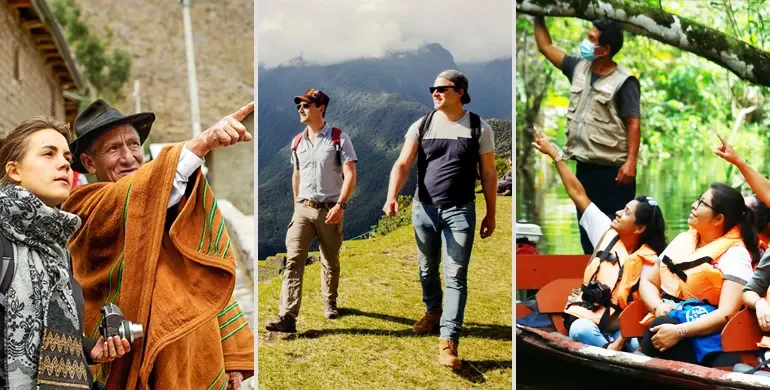
Tips for applying sustainable tourism practices
Sustainable tourism is all about traveling responsibly and making choices that benefit both the environment and local communities. Here are some practical tips to help you enjoy Peru while making a positive impact.
Choose eco-friendly accommodations
Look for eco-lodges and sustainable hotels. These places don’t just minimize environmental impact—they also hire locals, use native materials, and manage waste responsibly. Staying at eco-friendly accommodations lets you enjoy nature without leaving a mark, and it directly supports the communities around you.
Support community-based tourism
Community tourism is a game-changer. By staying in family-run lodges or joining locally led tours, you’re putting money straight into the hands of the people who live there. In places like Huancaya or Maras, this helps families earn a steady income while keeping their traditions alive.
Respect local vulture and nature
Take time to learn about local customs and follow the guidelines in the areas you visit. Stick to marked trails, don’t leave trash behind, and avoid single-use plastics. Respecting both culture and nature is key to making your trip meaningful and sustainable.
Seek authentic experiences
Skip the cookie-cutter tours and go for hands-on experiences. Workshops with local artisans, visits to salt terraces in Maras, or Andean textile classes give you a deeper connection to the culture while helping locals earn a living.
Minimize your environmental footprint
When hiking, visiting parks, or exploring nature, stick to the paths and don’t disturb wildlife or plants. Travel light, avoid unnecessary waste, and choose activities that leave minimal impact on the environment.
Choose local tour operators
Whenever possible, book with local operators like incas expeditions, who hire certified local guides, manage waste properly, and invest in conservation. Choosing a tour company like this can make a real difference for the communities and the places you visit, ensuring your experience supports sustainable tourism in Peru.
Travel low-impact
Opt for low-impact travel by using public transport, biking, or eco-friendly vehicles. Be mindful of your carbon footprint and try to balance enjoying the sights with protecting them for the next visitors.
Get involved in conservation
Many places in Peru, like Tambopata National Reserve, offer opportunities to help with conservation projects. Plant trees, join educational programs, or participate in wildlife monitoring—it’s a way to give back and make your visit truly meaningful.
Reduce plastic and waste
Carry a reusable water bottle, avoid single-use bags, and choose products with minimal packaging. Taking your trash with you and reducing disposable items helps keep Peru’s landscapes pristine.

