
Discussing the churches in Cusco is so much more than talking about architecture or history; it’s about tapping into the spiritual and cultural heartbeat of the Andes’ capital in Peru. As you walk through the cobblestone streets of this magical city, you will no doubt feel every plaza, every corner, every vista all seem to have a temple of some sort that will tell you a story.
In this post, I would like to softly lead you through 20 of the most prominent churches in Cusco. I will explain what makes each church unique, give a short historical context, and then share with you some practical examples that will help you quite literally place certain churches in context. So, whether you are planning your next trip, need to write a cultural essay, or are simply interested in expanding your understanding of the churches of Cusco, I hope I have created this post for you to see all aspects – clearly, warmly, and human-flavored – through a lens focused on connections and spirituality.
Let’s take a look at these amazing churches of Cusco, each containing a fusion of tradition, devotion, and artistry, spanning several centuries.
You may also like: Where to eat cheap in Cusco: Route and Tips

What does “churches in Cusco” mean?
Here, “churches in Cusco” refers to the Catholic religious temples that stand in the imperial city, many of them built upon Inca ruins or on strategic sites in ancient Cusco. These churches bear witness to the fusion between the indigenous worldview and the Christian faith that arrived with the Spanish conquest.
Types of churches in Cusco
- Cathedrals and Basilicas: central temples, large in size and adorned with high reliefs, such as the Cathedral-Basilica.
- Colonial churches: many built by religious orders such as the Jesuits, Dominicans, and Franciscans.
- Convents with churches: monastic complexes that combine cloistered life, art, and architecture (such as Santa Catalina).
- Chapels: smaller spaces, sometimes dependent on larger churches, such as the Chapel of Our Lady of Loreto.
Most important churches in Cusco
Below, I share 20 of the most important churches in Cusco, a tour that blends history, art, architecture, and spiritual significance.
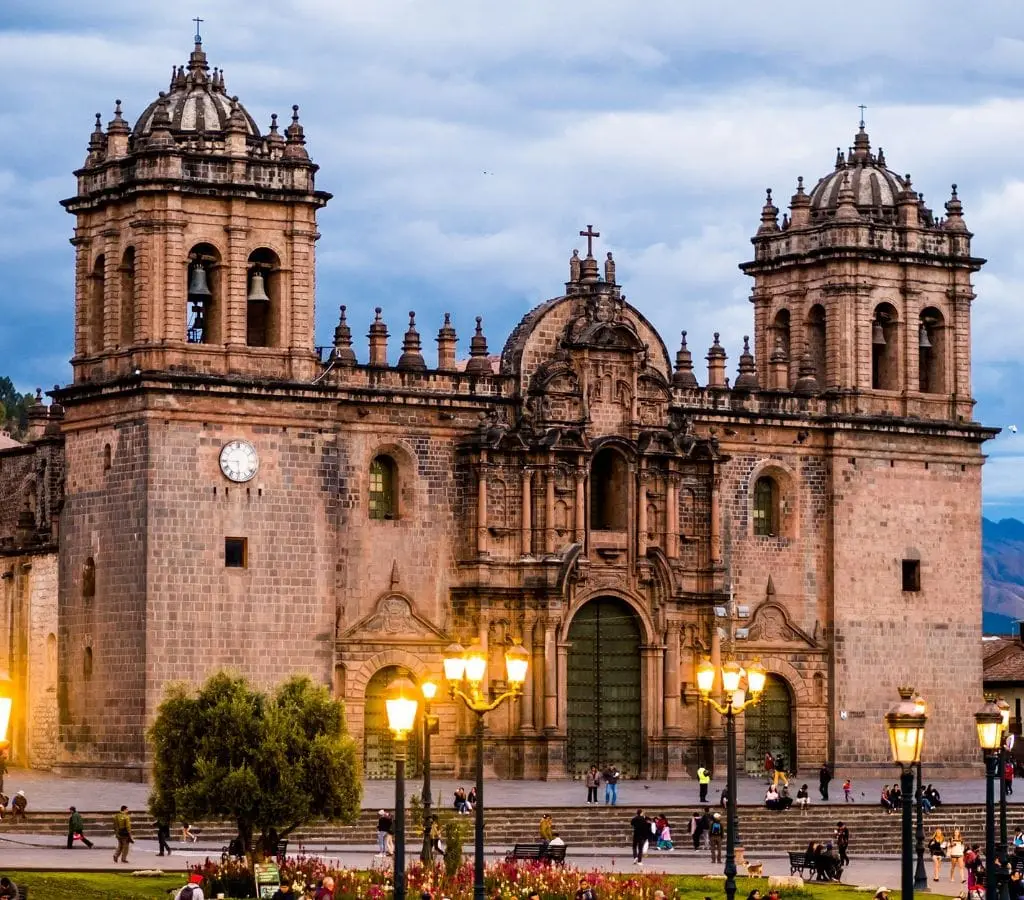
1. Cathedral Basilica – One of the most famous churches in Cusco
The Cathedral Basilica of Cusco is the main Catholic temple of the city and represents the heart of colonial spirituality in the region. Built between 1559 and 1654, it replaced the Inca palace of Wiracocha.
Examples
- Houses more than 300 colonial paintings, including works from the Cusco School.
- Keeps the sculpture of the “Lord of the Tremors,” Cusco’s protector.
You may also like: Hidden places in Cusco: Discover the best-kept secrets
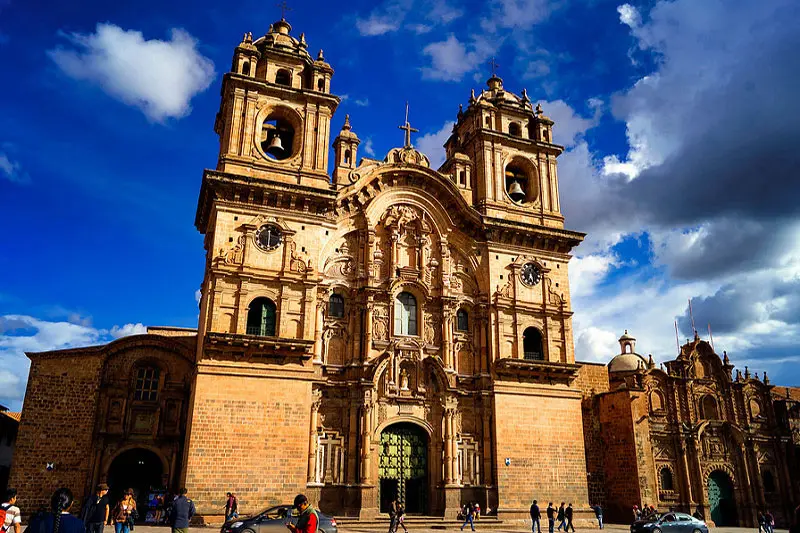
2. Church of the society of Jesus – A masterpiece among churches in Cusco
Built by the Jesuits in 1576, this church is known for its magnificent baroque façade and its rivalry with the Cathedral, since Jesuits often constructed their temples to outshine others.
Examples
- Its altar, made of carved cedar and gold leaf, is considered one of the finest in Peru.
- Inside are important paintings from the 17th century.
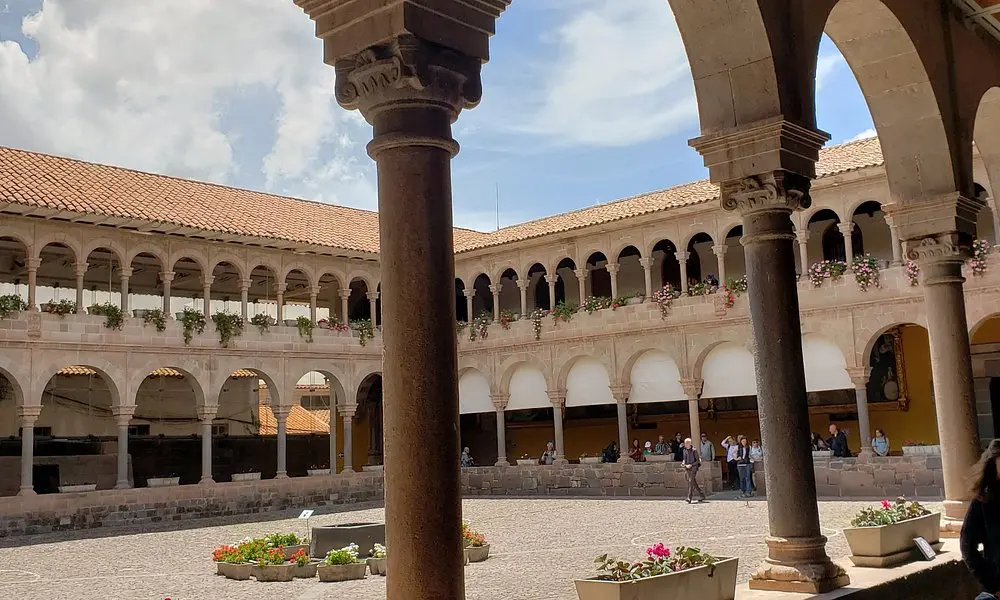
3. Church of Santo Domingo – A key point in churches in Cusco
Santo Domingo is built directly over the Qorikancha, the most important Inca temple dedicated to the Sun God. This makes it one of the most historically valuable churches in Cusco.
Examples
- You can still see Inca walls with perfect stone fitting beneath the church.
- The cloisters show Spanish influence blended with Inca architecture.
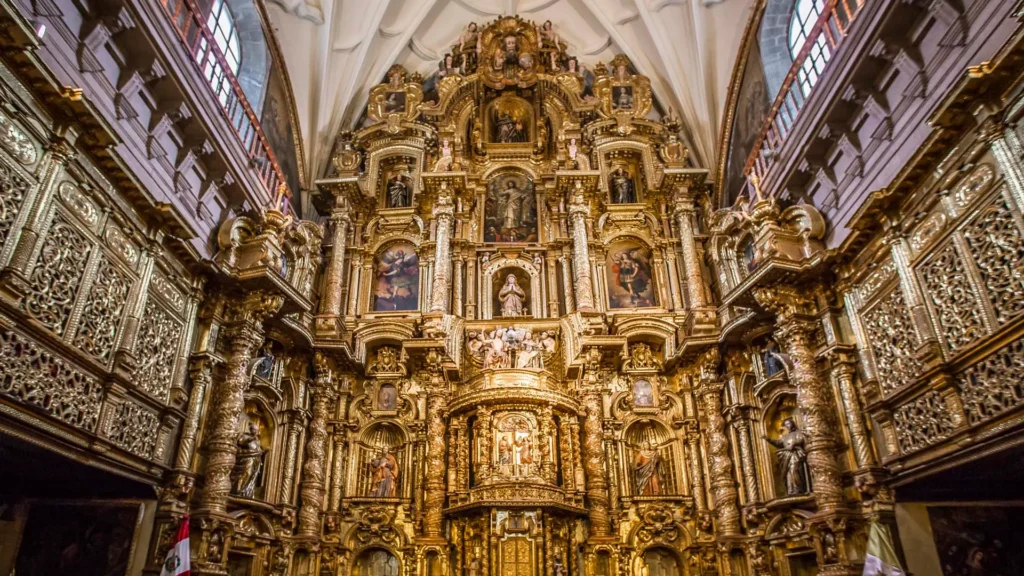
4. Church of San Blas – One of the most artistic churches in Cusco
Located in the artisan district, the Church of San Blas is famous for its baroque wooden pulpit carved from a single piece of cedar.
Examples
- The pulpit is attributed to master craftsman Diego Quispe Tito.
- This church represents the strong link between local artisans and religious art.
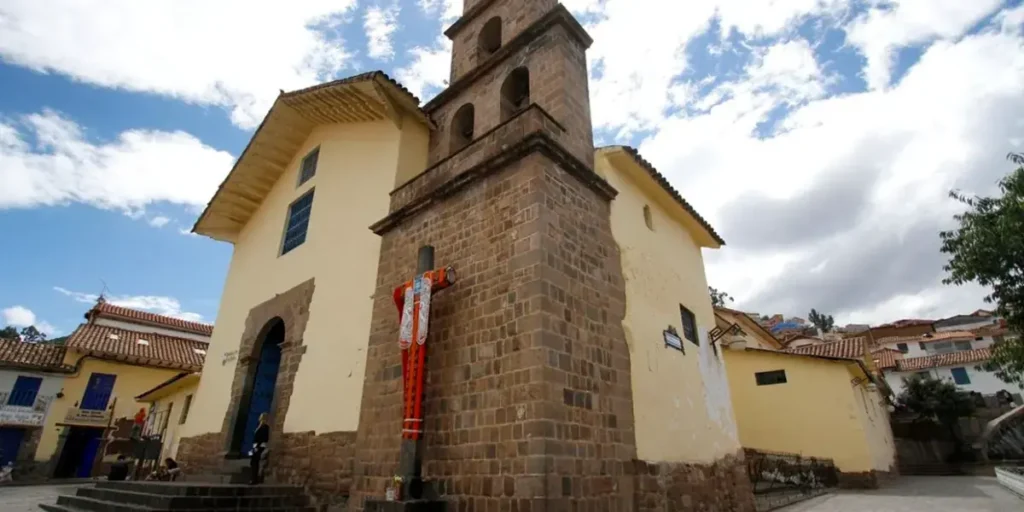
5. Church of La Merced – A historical symbol among churches in Cusco
Constructed in the 16th century by the Mercedarian order, it stands out for its Renaissance architecture.
Examples
- Keeps the stunning “Custodia de La Merced,” an artifact made with more than 1,500 diamonds and 600 pearls.
- A peaceful courtyard ideal for visitors who enjoy historical spaces.
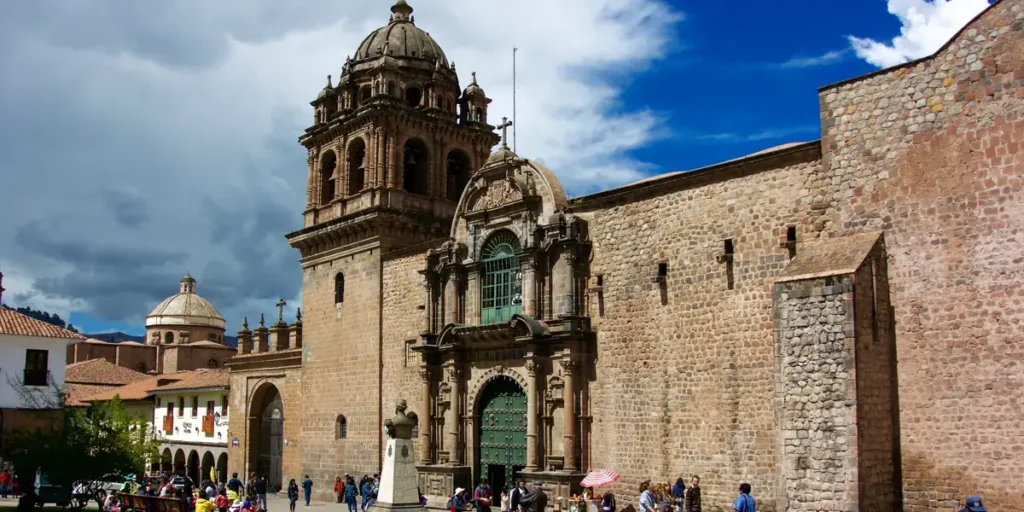
6. Church of San Pedro – A traditional point in churches in Cusco
San Pedro Church was built next to the San Pedro Market and was part of a colonial hospital complex run by the Hospitalier Brotherhood.
Examples
- Its façade is one of the most classic colonial designs in Cusco.
- Located near local markets, it reflects the daily-life connection of religion.

7. Church of San Francisco – Among the largest churches in Cusco
A massive temple known for its Andean baroque style and impressive cloisters decorated with murals.
Examples
- Holds a giant genealogical painting of the Franciscan order.
- Its library contains ancient manuscripts and religious documents.
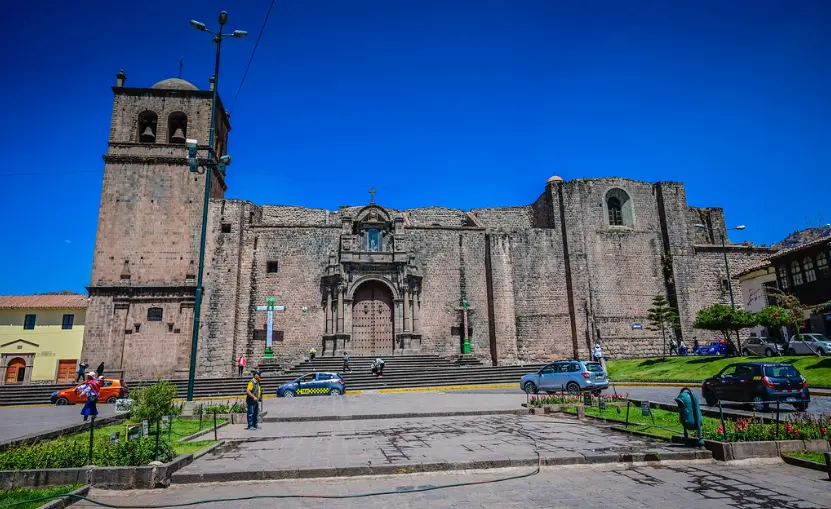
8. Church of Santa Clara – A quiet treasure among churches in Cusco
A convent church built for the Poor Clares, representing the spiritual role of nuns in colonial Cusco.
Examples
- Its interior includes detailed wooden carvings.
- It still operates as a cloistered convent.
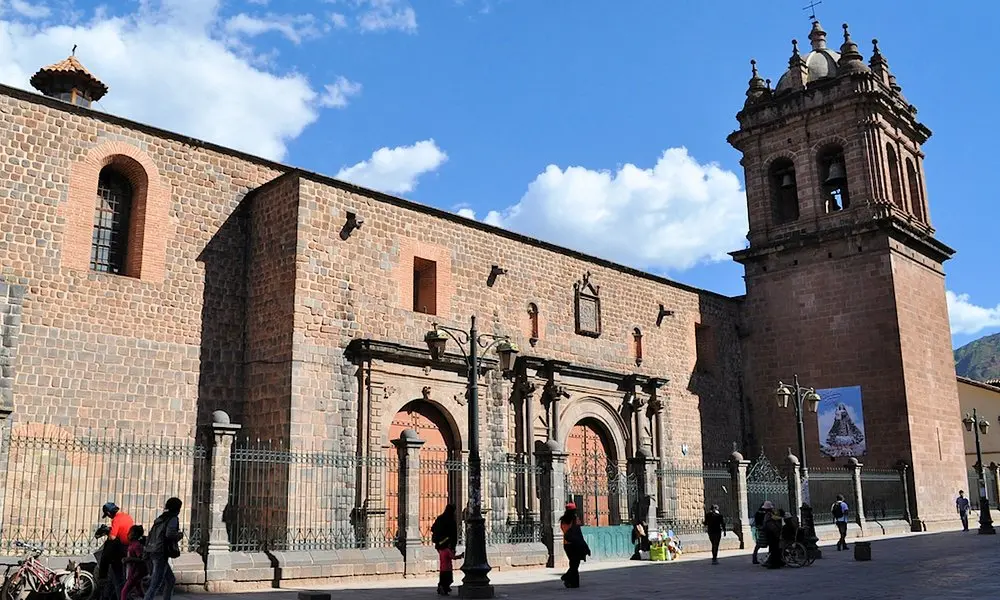
9. Church of Santa Teresa – A jewel of the churches in Cusco
This Carmelite order church was built in the late 17th century and represents one of the purest expressions of Cusco’s religious art.
Examples
- Its museum displays relics and everyday objects from colonial nuns.
- Visitors appreciate its sense of peace and historical intimacy.
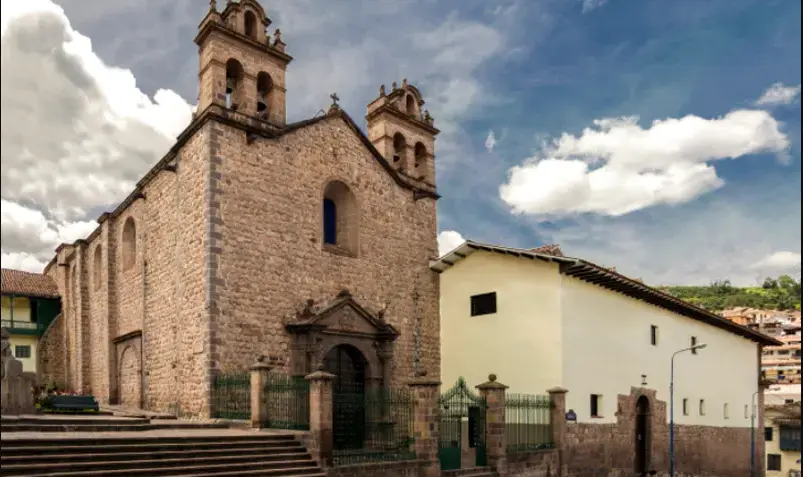
10. Church of San Cristóbal – high viewpoint among churches in Cusco
Located uphill near Sacsayhuamán, it was built on the palace of Manco Cápac’s lineage.
Examples
- Offers panoramic views of Cusco.
- Known for its blend of Inca stonework with colonial structure.
Many visitors reach San Cristóbal as part of private itineraries organized by a travel agency in Peru, since it connects easily with the upper Cusco routes.
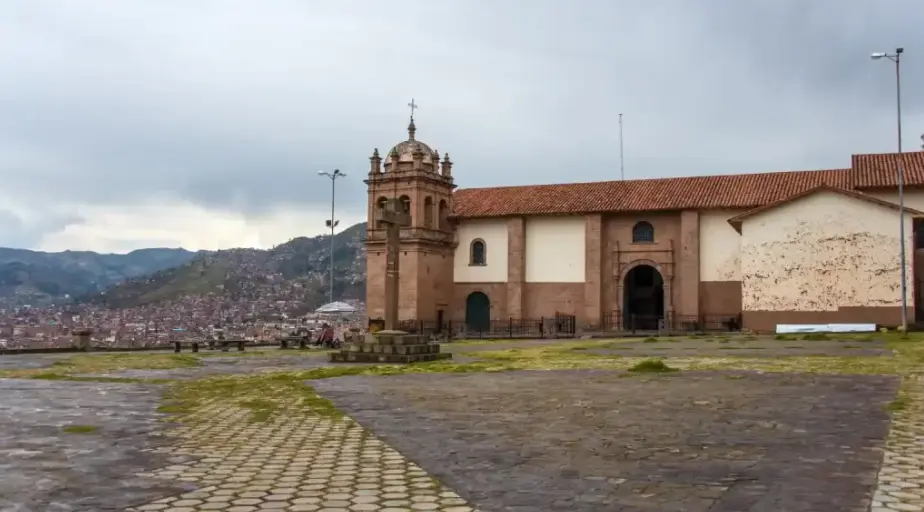
11. Church of Andahuaylillas – The “sistine chapel” of churches in Cusco region
Although located outside the city, this church belongs to the larger Cusco cultural area and is world famous for its interior murals.
Examples
- Covered with murals by Luis de Riaño.
- Its ceilings and walls show a fusion of Andean and European styles.
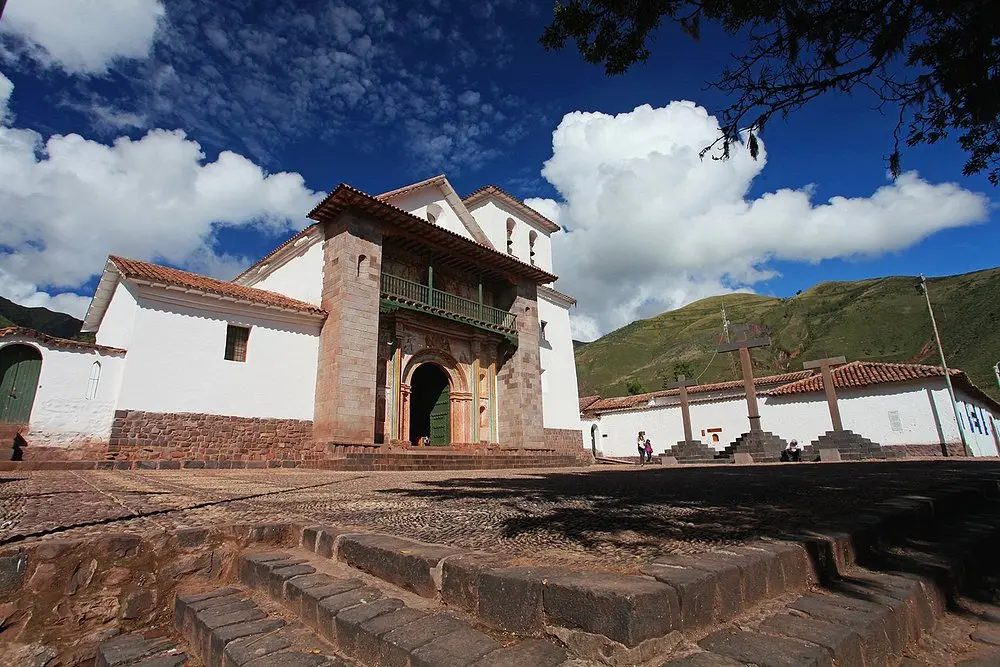
12. Church of Huaro – An important complement to churches in Cusco
Part of the “Baroque Route,” Huaro Church features apocalyptic and moralistic paintings.
Examples
- Its murals portray heaven, hell, and purgatory.
- Helps travelers understand religious pedagogy in colonial times.

13. Church of San Jerónimo – A lesser-known gem among churches in Cusco
Built in a district outside the historic center, the church stands out for its picturesque altars.
Examples
- Has impressive golden retables.
- Offers a quieter experience away from the city noise.
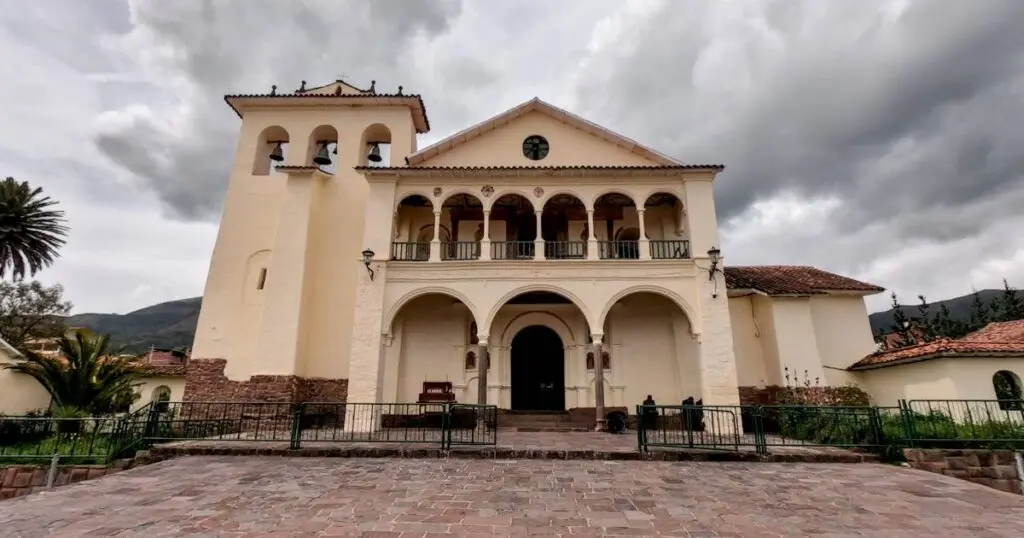
14. Church of San Sebastián – A community pillar of churches in Cusco
This parish church is historically linked to cultural identity and local festivities.
Examples
- Important during Corpus Christi.
- Houses paintings of the Cusco School.
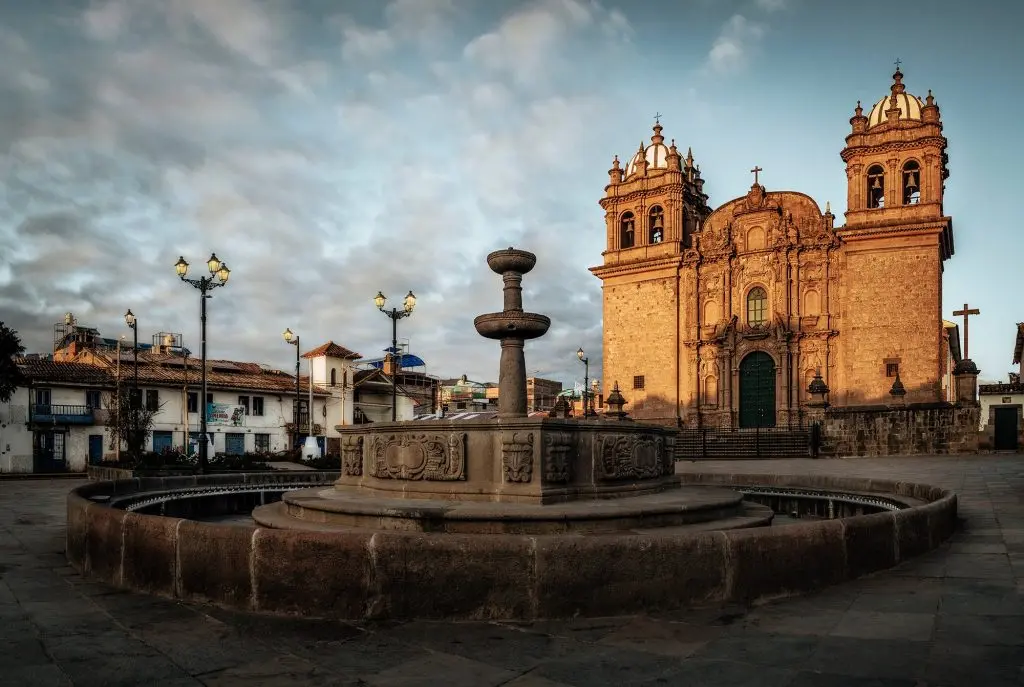
15. Church of Belén – A simple yet significant member of churches in Cusco
Built for the indigenous population in colonial times.
Examples
- Located near the Almudena Cemetery.
- Reflects everyday spiritual life during the 17th century.
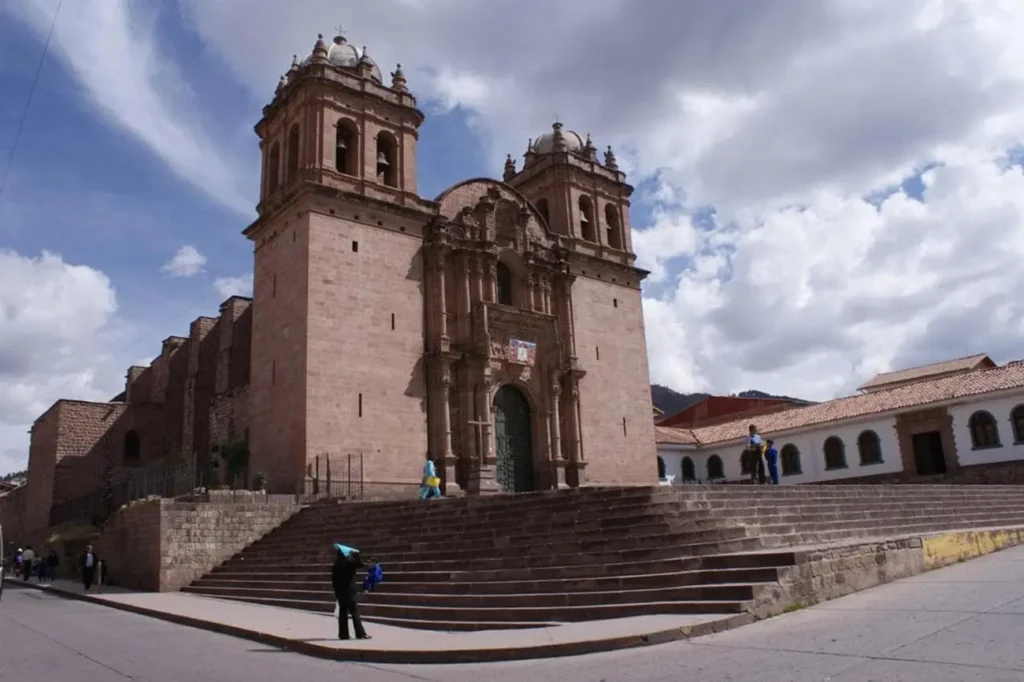
16. Church of La Recoleta – A spiritual refuge among churches in Cusco
Operated by Franciscan missionaries focused on evangelization.
Examples
- Contains religious artifacts brought from the Peruvian jungle.
- Architecture reflects missionary simplicity.
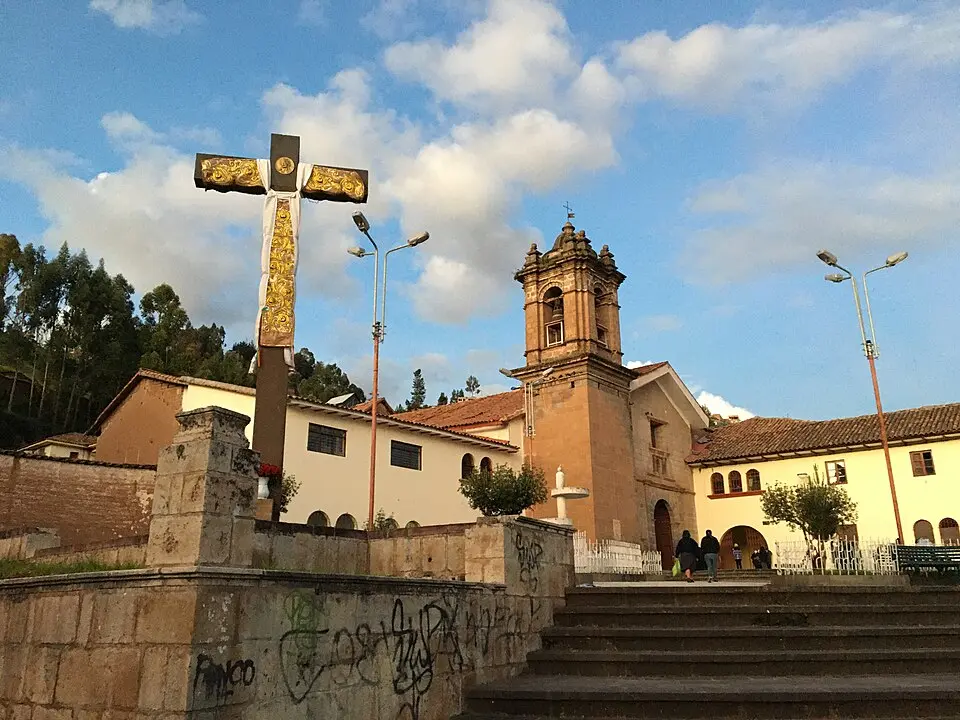
17. Church of San Antonio Abad – Part of the academic history of churches in Cusco
Linked to the University of San Antonio Abad, one of the oldest universities in Latin America.
Examples
- Its cloisters maintain a peaceful atmosphere.
- Historically used for theological studies.
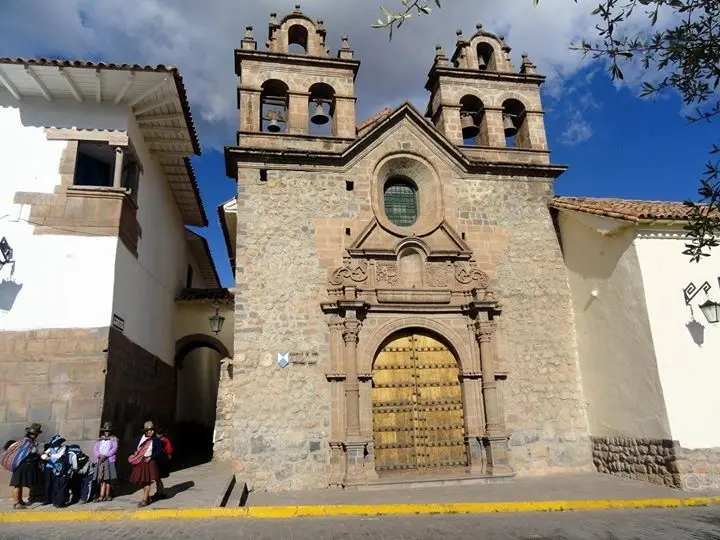
18. Church of Santa Ana – A traditional hilltop spot among churches in Cusco
Santa Ana is located on one of Cusco’s upper neighborhoods and is known for its panoramic views.
Examples
- Great spot to observe the city skyline.
- Famous for local festivities.
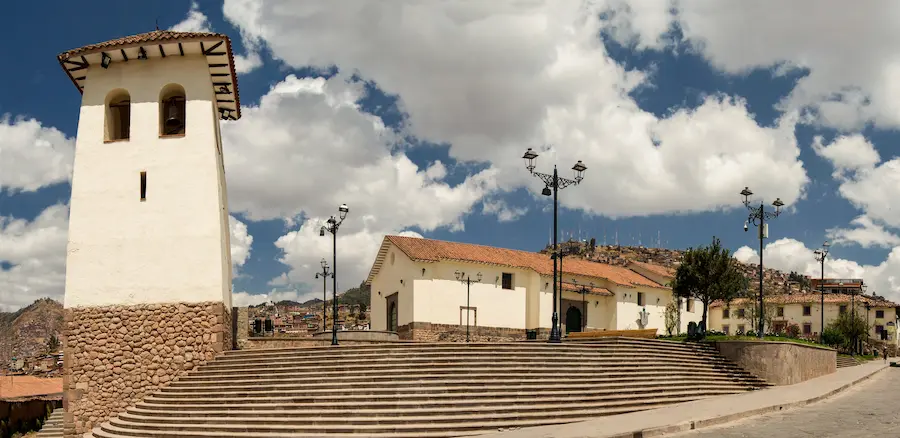
19. Church of Santiago – A meaningful local site in churches in Cusco
Named after St. James, this church is associated with indigenous and mestizo communities.
Examples
- Plays an important role in regional celebrations.
- Represents early evangelization efforts.
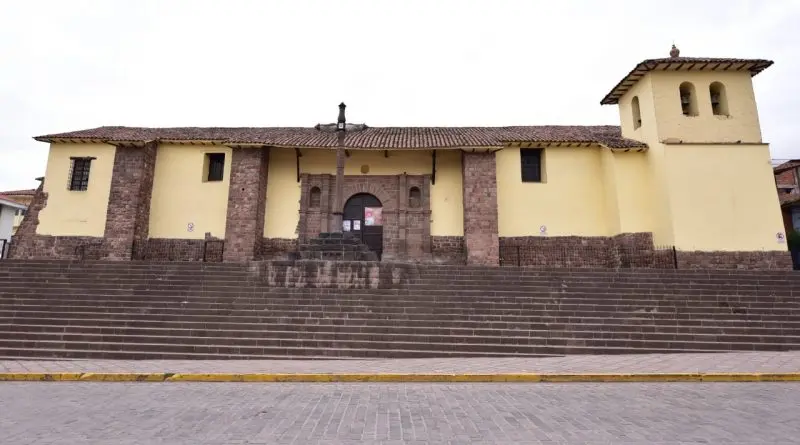
20. Church of San Lázaro – One of the oldest churches in Cusco
San Lázaro stands in one of the oldest neighborhoods in the city and symbolizes Cusco’s beginnings as a colonial town.
Examples
- The plaza surrounding it is perfect for photography.
- Its structure remains one of the most authentic from the early colonial period.
Tips for visiting churches in Cusco
Buy the Right Ticket: Many of these churches are included in the Cusco Religious Circuit, which offers a pass for several churches for a lower price than individual entry.
- Opening Hours: Check the opening hours because some churches have Mass times that may allow free entry, while others close in the afternoon.
- Local Guide: Hiring a guide helps you understand not only the architecture but also the stories behind each altar and painting.
- Appropriate Attire: Respect the religious nature of the churches: wearing modest clothing (shoulders covered, knees covered) is recommended.
- Photography: Check the rules: in some churches, flash photography is prohibited, and photographing certain altars is not allowed.
- Combining with Other Tours: If you are taking a tour to Machu Picchu, you can coordinate with agency in Peru to include churches in Cusco and other archaeological sites in your itinerary.
A note on spirituality and tourism
The churches in Cusco are not just monuments; for many locals, they remain vibrant spaces of prayer, celebration, and community. Every Mass, procession, and festival reinforces a connection to ancestral history and contemporary faith. For you as a visitor, seeing these churches is also an opportunity for reflection: on the richness of cultural fusion, on how the past remains present, and on how the sacred manifests itself in every stone.
Furthermore, if you are planning a trip, you might consider a full-day train tour to Machu Picchu full day tour from Cusco by train , which gives you time to stroll through the city, visit some churches, and then depart for the 16th-century wonder.
You may also like: What happened to the Inca civilization after the spanish arrival
A living legacy of faith and history
Visiting the most important churches in Cusco is not just about admiring beautiful architecture; you’re experiencing hundreds of years of history, spirituality, and culture that still impact the identity of the city. Each monument tells us a story through its design and tradition, and we’ll share a meaningful experience with every traveler who walks through the door.
These places of sanctuary hold a deeper reminder that Cusco is much more than a place to vacation it is a living museum where the colonial world and andean world still co-exist. The altars, courtyards, and chapels make you feel that past without just observing it. If you seek feeling inspired, or a cultural experience, you will find it here, and these churches offer a unique perspective to experience Cusco more deeply and personally.

