
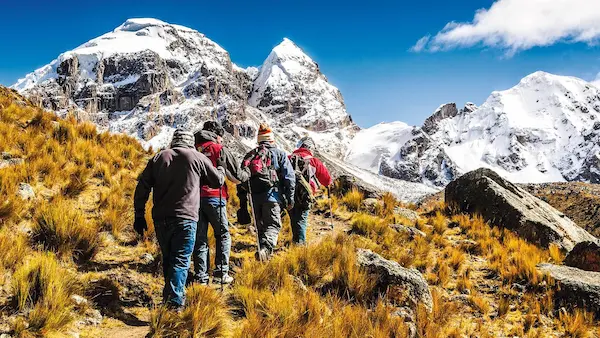
Talking about trekking in Peru is like opening the door to one of the most breathtaking adventures in South America. Few countries in the world combine history, culture, and natural beauty as seamlessly as Peru does. From snowcapped peaks in the Andes to lush cloud forests and ancient Inca ruins, this is a destination where every step feels like a journey through time.
For travelers, choosing to go trekking in Peru is not just about reaching a destination like Machu Picchu—it’s about experiencing landscapes that shift dramatically in just a few hours, connecting with local communities, and discovering the cultural richness that defines this country. Whether you’re an experienced hiker looking for a multi-day challenge or a beginner hoping to complete a shorter trail, Peru has an option that fits.
In this article, we’ll explore the essential trekking routes in Peru, understand why they stand out globally, and offer practical insights for planning your adventure. We’ll also highlight the role of a trusted Peru Tour Operator to make your journey safe, memorable, and truly enriching.
You may also like to read: Exploring the Andean roads : A fascinating Inca legacy and tourism in Peru
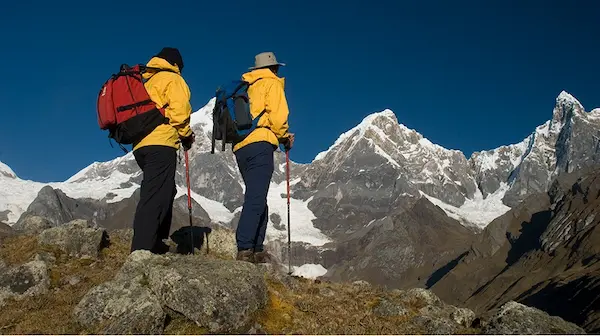
Why Trekking in Peru is Unique
Unlike many other trekking destinations, Peru offers much more than natural beauty. The Andes mountains are dotted with archaeological treasures, ancient Inca trails, and vibrant communities that still preserve centuries-old traditions. This makes trekking in Peru a holistic experience: one that blends physical adventure with cultural immersion.
Key elements that make trekking in Peru unique include:
- Diversity of landscapes: You can start your hike in high-altitude snowcapped mountains and end it in lush green valleys filled with orchids and hummingbirds.
- Cultural encounters: Trails often pass through villages where Quechua is still spoken, giving trekkers a chance to interact with locals and experience their traditions.
- World-renowned routes: The Inca Trail, Salkantay Trek, and other iconic hikes attract travelers from across the globe.
- Spiritual connection: For many, walking along paths once used by the Incas is a deeply spiritual experience, especially when arriving at sacred sites like Machu Picchu.
Simply put, trekking in Peru is not only about adventure—it’s about connection.
Essential Routes Every Traveler Should Know
If you’re planning to go trekking in Peru, you’ll soon realize that the options are vast. However, there are a few standout routes that every traveler should know about.
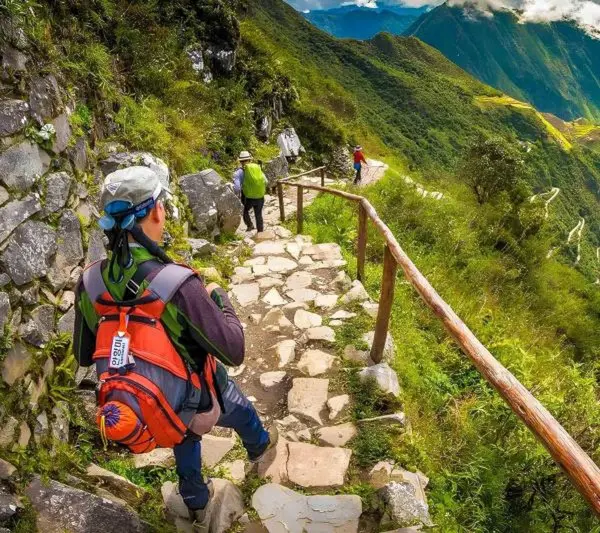
The 1 Day Inca Trail
For those who don’t have the time or physical ability to commit to the full 4-day Inca Trail, the 1 Day Inca Trail is the perfect alternative. This trek allows you to experience the essence of the Inca Trail while still reaching Machu Picchu on foot.
The journey begins with a train ride to Kilometer 104, where trekkers start their hike. Along the way, you’ll pass archaeological sites such as Wiñay Wayna before arriving at the iconic Sun Gate (Inti Punku). From here, the first view of Machu Picchu is simply unforgettable.
This route is ideal for travelers who want the satisfaction of hiking into Machu Picchu without the demands of a multi-day trek. For details and guided options, check out the 1 Day Inca Trail.
You may also like to read: Routes and Secrets of the Peruvian Amazon Jungle
The Salkantay Trek 4 Days
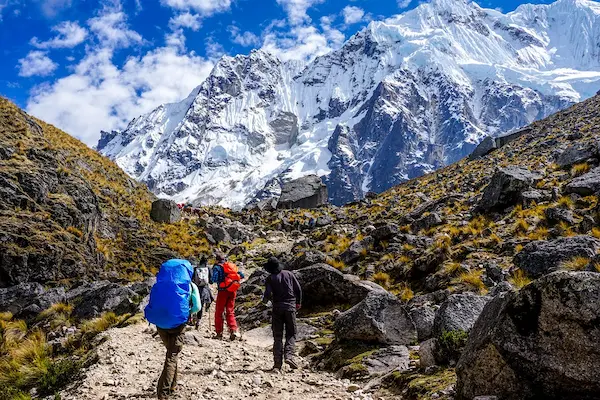
When it comes to alternatives to the classic Inca Trail, the Salkantay Trek 4 Days has become a favorite among adventure seekers. Named after the majestic Mount Salkantay (6,271 meters), this trek offers incredible diversity in both landscapes and ecosystems.
The hike takes you from high mountain passes with panoramic views of snowcapped peaks, down into tropical cloud forests, and finally towards the gates of Machu Picchu. Trekkers often highlight the dramatic scenery and the sense of solitude compared to the busier Inca Trail.
What makes the Salkantay Trek unique is its blend of raw natural beauty and cultural connection. It’s considered more challenging due to its altitude and distance, but the reward is an unmatched sense of accomplishment. You can explore guided options here: Salkantay Trek 4 Days.
You may also like to read: Travel to Peru in september
Other Iconic Routes in Peru
While the Inca Trail and Salkantay Trek are the most famous, trekking in Peru goes far beyond these two routes. Other options worth considering include:
- Lares Trek: Known for its focus on cultural immersion, the Lares Trek passes through traditional Andean villages and hot springs.
- Ausangate Trek: A high-altitude challenge that rewards hikers with views of turquoise lakes, glaciers, and the colorful Rainbow Mountain.
- Choquequirao Trek: Often called “the sister city of Machu Picchu,” this trail takes you to the remote ruins of Choquequirao, offering both physical challenge and archaeological wonder.
These alternatives prove that hiking in Peru is as diverse as it is rewarding.
Hiking in Peru: Culture and Nature Combined
What sets hiking in Peru apart is the way nature and culture merge seamlessly. Unlike treks in other countries that may focus solely on physical challenge, here you are constantly surrounded by history. Walking paths that the Incas once used gives every step a sense of meaning.
Local guides, often working with a reliable Peru Tour Operator, share stories about Inca cosmology, traditional farming techniques, and local folklore. This cultural dimension transforms trekking into a more profound journey, one where you don’t just see Peru—you experience it.
How to Prepare for Trekking in Peru
Preparation is key to enjoying your trek fully. Here are some essentials:
- Acclimatization: Spend at least 2–3 days in Cusco or the Sacred Valley before starting your trek to adapt to the altitude.
- Fitness: Even short treks like the 1 Day Inca Trail involve uphill climbs, so basic fitness is important.
- Gear: Sturdy boots, layered clothing, and a quality backpack are non-negotiable.
- Permits: The classic Inca Trail requires permits that often sell out months in advance.
Working with a trusted Peru Tour Operator helps simplify logistics, from securing permits to providing professional guides and equipment.
Choosing the Right Peru Tour Operator
One of the most important decisions you’ll make is selecting the right Peru Tour Operator. Trekking in Peru requires knowledge of local conditions, access to reliable equipment, and guides who are experienced and certified.
The benefits of booking with a professional operator include:
- Proper handling of permits.
- Knowledgeable local guides who can enrich your trek with cultural insights.
- Safety protocols and emergency preparedness.
- Supporting local communities through fair employment.
A reputable company like Peru Tour Operator can make the difference between a stressful experience and an unforgettable adventure.
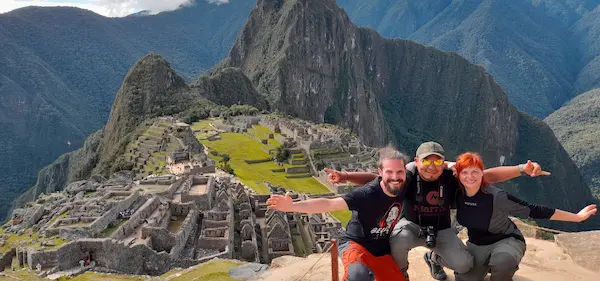
Challenges and Rewards of Trekking in Peru
Like any great adventure, trekking in Peru comes with both challenges and rewards. High altitude, unpredictable weather, and long hiking days can test even seasoned travelers. However, the rewards—panoramic mountain views, encounters with ancient ruins, and the deep sense of achievement—make every challenge worthwhile.
Many trekkers describe reaching the Sun Gate on the Inca Trail or standing beneath Mount Salkantay as transformative moments, where the effort of the journey gives way to awe and gratitude.
Tips for a Memorable Trekking Adventure
- Book early if you plan to hike the Inca Trail.
- Travel light but smart—bring only what you need.
- Stay hydrated and eat well to combat altitude sickness.
- Respect local customs and natural environments.
- Take time to connect with your guides and porters—they are the heart of the trekking experience in Peru.
Key Takeaway
Trekking in Peru is far more than just a hiking trip—it’s an exploration of culture, history, and nature all rolled into one. From the iconic 1 Day Inca Trail to the challenging Salkantay Trek 4 Days, and beyond to hidden gems like Choquequirao or Ausangate, the options are as diverse as the landscapes themselves.
By preparing well, choosing a reliable Peru Tour Operator, and embracing both the challenges and the joys of the journey, travelers can create memories that will last a lifetime.
In the end, the beauty of trekking in Peru lies not only in the breathtaking views or the ancient ruins but in the journey itself—a path that connects you to the heart of the Andes and the spirit of its people.

