
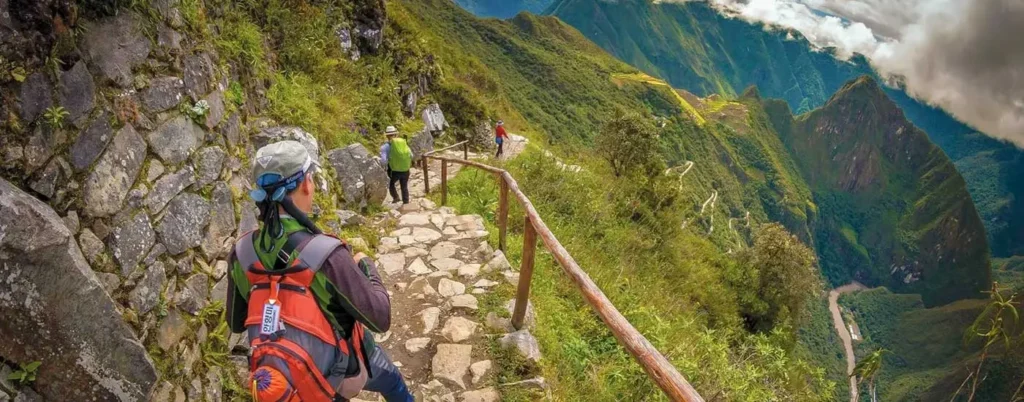
The jewel of the Andes, Machu Picchu, is a place that every tourist hopes to see. It sounds incredible to travel the same trails that the Incas built in their time. However, you’re probably wondering how long is the trek to Machu Picchu before you even attempt it. Feeling a little uncertain is common, especially if you’ve never hiked or been to high altitudes before. But don’t worry, this site will guide you step by step and give you all the necessary tips to fully enjoy this incredible experience. Everything you need to make your trek unforgettable.
Why the trek to Machu Picchu is a must-do
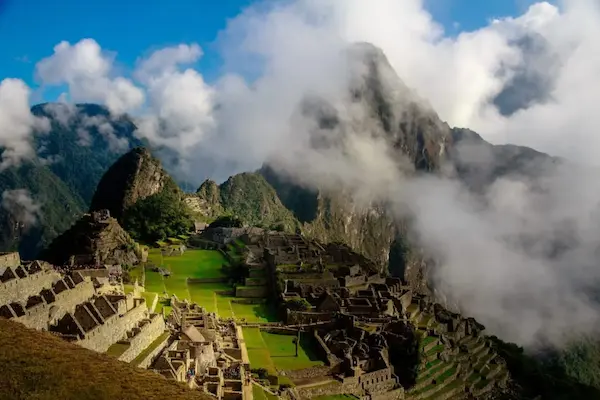
Machu Picchu, a UNESCO World Heritage site, draws hundreds of thousands of visitors every year, but the most unforgettable way to experience it is by trekking through the stunning landscapes of the Andes. Not only does the trek bring you closer to this ancient wonder, but it also offers a chance to connect with nature and the rich history of the Inca civilisation.
While many opt to take the train to Machu Picchu, the true essence of the site can only be experienced by hiking through the rugged mountains, ancient ruins, and cloud forests. One of the first things to consider when planning your trek is how long it will take—after all, the trek’s duration will affect your overall experience, preparation, and travel plans.
You may also like to read: 10 Traditional Festivals of Peru You Should Experience
How long is the trek to Machu Picchu?
The trek to Machu Picchu offers several routes, each with different durations and levels of difficulty. The main routes to Machu Picchu are the Classic Inca Trail, the 2-day Inca Trail, the Salkantay Trek, and the Lares Trek.
The classic Inca Trail
The Classic Inca Trail is the most famous route, taking 4 days and 3 nights to complete. This trek covers 43 kilometres (26 miles) and takes you through stunning landscapes, including lush forests, snow-capped mountains, and Inca archaeological sites. The trek is challenging due to the elevation and uneven terrain, but the reward is immense when you arrive at Machu Picchu’s Sun Gate.
Along the way, you will pass notable landmarks such as Wiñay Wayna and Dead Woman’s Pass, the highest point on the trail at 4,215 metres (13,828 feet). It’s a trek that offers a rich mix of natural beauty, history, and cultural significance.
Alternative treks: Not everyone has the time or stamina for the 4-day Inca Trail, but luckily, there are several alternative routes that offer shorter or different experiences:
2 day Inca Trail
For those short on time or unable to handle a long trek, the 2-day Inca Trail is a perfect option. It’s a compressed version of the Classic Inca Trail, allowing you to experience the essence of the route in a shorter timeframe. The trek is still physically demanding, but you will get to see some of the highlights of the original trail, including the famous Sun Gate.
Salkantay Trek
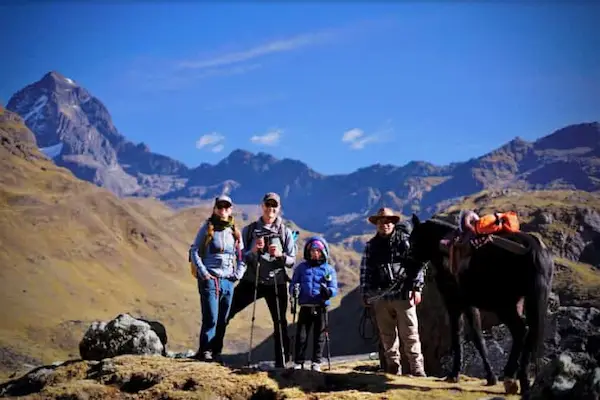
The Salkantay Trek is a 5-day alternative to the Inca Trail, and it is ideal for those looking for a more off-the-beaten-path experience. The Salkantay Trek spans 74 kilometres (46 miles) and includes stunning views of the Salkantay mountain, one of the highest peaks in the region, before reaching Machu Picchu. This route is more rugged and remote compared to the Classic Inca Trail but offers a unique experience of diverse landscapes, from high-altitude deserts to lush jungles.
Lares Trek
For a cultural and scenic journey, the Lares Trek 2 days hike that takes you through traditional Andean villages, where you’ll experience the local culture and hospitality of the indigenous people. While this trek is slightly shorter than the Salkantay, it offers beautiful views and an immersion into the authentic Andean way of life before reaching Machu Picchu.
You may also like to read: Hiking in Peru: Best Trails and Routes
What affects the duration of the trek?
Several factors can influence how long it takes to complete your trek to Machu Picchu. These factors include the trekking route, acclimatisation to altitude, the pace of your group, and weather conditions.
Acclimatisation: Preparing for the trek
Machu Picchu sits at an altitude of 2,430 metres (7,970 feet), and many trekkers start their journey from even higher elevations. To avoid altitude sickness, it’s essential to acclimatise to the higher altitudes before you begin your trek. This can take a day or two, depending on where you’re coming from. The slower you go, the more time you give your body to adjust, which can reduce the risk of altitude sickness and help ensure you have a better trekking experience.
Your trekking pace: how it impacts the duration
The pace at which you trek can significantly influence the time it takes to complete your journey. If you’re part of a group, the average pace might be slower as you stop for rest breaks or to take photos. Some trekkers choose to push themselves and complete the trek faster, while others take a more leisurely approach, soaking in the views along the way. Keep in mind that most trekkers opt for a moderate pace to balance enjoying the surroundings and staying energetic.
You may also like to read: Why visit Machu Picchu in november
What to expect on your trek to Machu Picchu
Trekking to Machu Picchu is as much about the journey as it is about the destination. The breathtaking scenery, diverse ecosystems, and historic Inca sites along the way will leave you in awe.
Scenic views and highlights of the trek
Expect panoramic views of the Andes mountains, ancient Inca ruins, cloud forests, and vast valleys. If you take the Classic Inca Trail, you’ll pass through sites such as Wiñay Wayna and Phuyupatamarca, each with its own historical significance. The 4-day trek offers not only physical challenges but also incredible views, as you ascend through different landscapes, from subtropical jungle to high-altitude Andean terrain.
The final stretch: Arriving at Machu Picchu
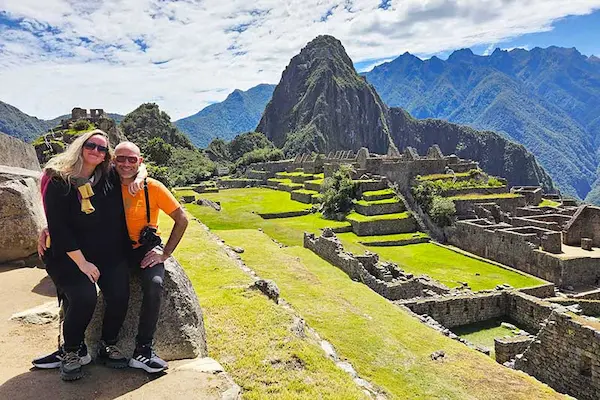
The final stretch of the trek takes you up to Inti Punku (the Sun Gate), where you’ll get your first full view of Machu Picchu. After all the hard work and anticipation, this moment is nothing short of magical. Upon entering the ancient citadel, you’ll feel a deep sense of accomplishment, but also a connection to the history of this remarkable place. The sense of triumph when you finally see Machu Picchu unfolding before your eyes is one of the most rewarding experiences of the trek.
How to prepare for the trek to Machu Picchu
The trek to Machu Picchu is an incredible adventure, but it requires careful planning to ensure that you’re fully prepared for the physical challenge and changing conditions of the Andean environment. Understanding the duration of the trek, packing the right gear, and physically preparing your body will make all the difference between a memorable journey and an exhausting one. Whether you’re tackling the Classic Inca Trail, the Salkantay Trek, or another route, proper preparation is crucial. Here are some key tips to help you get ready for the trek of a lifetime.
Packing essentials for the trek
When preparing for the trek to Machu Picchu, packing light and efficiently is crucial, as you’ll be carrying everything you need for several days. The key is to bring only what’s essential while ensuring you’re well-equipped to handle different weather conditions and altitudes.
1. Sturdy hiking boots
One of the most important items you’ll need is a good pair of hiking boots. The trail can be rocky, uneven, and sometimes slippery, so you need boots that provide good ankle support and traction. Make sure they are broken in before you start the trek to avoid blisters. Waterproof boots are highly recommended, especially in the rainy season.
2. Weather-appropriate clothing
The weather in the Andes can be unpredictable, and temperatures can vary dramatically from day to night. Bring layers that you can adjust as needed—lightweight clothing for warmer days and warm layers for cooler evenings. A light rain jacket or poncho is essential, as rain showers can occur unexpectedly, even during the dry season.
3. Hat and sunscreen
Altitude and sun exposure can be intense, so protect yourself by bringing a hat to shield your face and neck from the sun. Sunscreen (with high SPF) is a must, as the higher altitude increases UV exposure. Don’t forget lip balm with sun protection to avoid chapped lips.
4. Water and hydration system
Staying hydrated is crucial when trekking at high altitudes. Bring a reusable water bottle or hydration system (like a Camelbak) to stay hydrated during the trek. Make sure you carry enough water to last through the day, but also plan to refill it at designated points along the route.
5. A good-quality backpack
Since you’ll be carrying your gear for several days, it’s essential to have a comfortable and durable backpack. Look for one with adjustable straps, a padded hip belt, and plenty of compartments for organisation. Your pack should hold everything you need without being too heavy, aiming for around 6-8 kg (13-17 lbs) in weight. Don’t forget to pack a small daypack for the last day of trekking when you arrive at Machu Picchu to carry just your essentials.
You may also like to read: Trekking in Peru: Essential Routes Every Traveler Should Know
Physical preparation
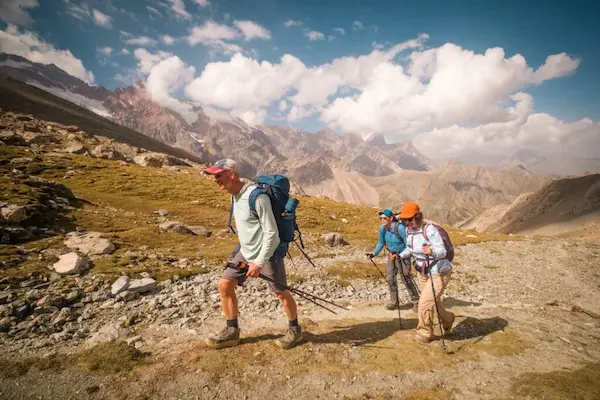
Trekking to Machu Picchu is a physically demanding experience, so it’s important to train your body for the rigours of the trail. The trek involves long hours of walking uphill, sometimes at steep inclines, and can be exhausting due to the high-altitude conditions. Here’s how you can prepare physically for the challenge:
1. Cardio training and stamina building
One of the best ways to prepare for the trek is to increase your cardiovascular endurance. Begin training at least 4-6 weeks before your trip by engaging in activities like hiking, jogging, cycling, or swimming. Focus on longer durations at a moderate pace to build stamina. Ideally, try to do some hiking at elevation, especially if you live at sea level, as this simulates the altitude you’ll experience in the Andes.
2. Strengthening your legs and core
Machu Picchu’s trek is not only about stamina but also strength. The uphill climbs and uneven paths will put a lot of pressure on your legs and core. Include strength training exercises in your routine, such as lunges, squats, and step-ups, to build strength in your thighs, calves, and glutes. Core exercises like planks and leg raises will help with stability and balance on the uneven terrain.
3. High-altitude acclimatisation
Altitude can have a big impact on your ability to perform well during the trek, especially if you’re coming from a lower altitude. As you get higher, the air thins and you’ll experience less oxygen, which can make physical exertion harder. To avoid altitude sickness and improve your body’s ability to adapt, spend at least 2-3 days in Cusco or the Sacred Valley before beginning the trek to acclimatise to the altitude. Drink plenty of water, avoid alcohol, and take it easy in the first couple of days.
4. Practice trekking with a loaded backpack
During your trek, you’ll be carrying your backpack, so it’s important to practice walking with a pack that simulates what you’ll be carrying on the trail. Start with shorter hikes while gradually increasing the weight of your pack to build up strength in your shoulders and back.
5. Mental preparation
Finally, mental toughness is just as important as physical fitness. The trek to Machu Picchu can be challenging, especially on steep climbs and long days. Practice positive thinking and mental resilience in the weeks leading up to your journey. Visualise yourself succeeding on the trek, and remember that every step is bringing you closer to one of the most rewarding experiences of your life.
Make your trek to Machu Picchu an unforgettable experience
You just need to take the next step and start the journey now that you are aware of the crucial information for getting ready for your walk to Machu Picchu. Machu Picchu is waiting for you if you’re the type of tourist who wants an experience that helps you connect with nature, history, and your own spirit of adventure. Remember that each step you take along the path leads to a life-changing experience that will last a lifetime in addition to getting you closer to your destination. So, get yourself physically ready, gather your necessities, and go out on your journey! Machu Picchu is a singular experience that will encourage you to keep discovering the globe and its treasures; it is much more than just a place to visit.

