
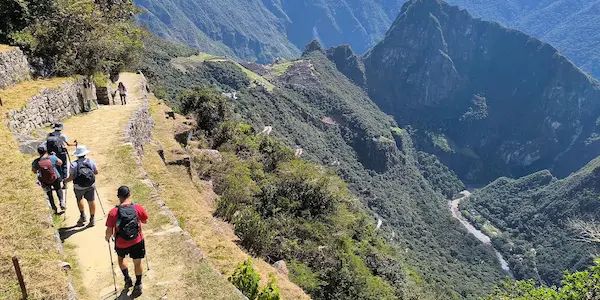
Peru is one of the most fascinating countries for outdoor enthusiasts. Beyond its cultural richness and historical heritage, the country is blessed with a geography that seems designed for long walks through valleys, mountains, forests, and high plateaus. Hiking in Peru is not just a physical activity; it is an immersion into landscapes that combine natural beauty with the remnants of ancient civilizations. Every step reveals a contrast between tradition and wilderness, where the Andes, the Amazon, and the coastal deserts converge to create unique routes.
The idea of hiking in Peru often brings Machu Picchu to mind, and rightly so, as it represents one of the most remarkable achievements of humanity in harmony with nature. Yet, the country offers far more than this emblematic destination. From snowcapped peaks to subtropical forests, each trail offers a different perspective on what makes this land so diverse and captivating. Hiking is not only about covering distances; it is about understanding the rhythm of nature, appreciating the silence of the mountains, and connecting with paths once walked by ancient peoples.
You may also like to read: Trekking in Peru: Essential Routes Every Traveler Should Know
The Value of Hiking in Peru
Choosing hiking in Peru means engaging with landscapes shaped by thousands of years of cultural and geological history. Unlike destinations where trails are designed for tourism alone, Peruvian routes are often part of a living territory. Local communities still use many of these trails for daily life, making the experience authentic. Walking here is a way of sharing the rhythm of those who live in harmony with the land, where traditions are intertwined with geography.
Peru’s geography is one of the main reasons hiking has such significance. The Andes run across the country, creating altitudinal contrasts that make it possible to pass from snow-covered peaks to lush valleys within a single day’s walk. The coast and the Amazon rainforest complement this setting, allowing hikers to choose between deserts, cloud forests, and tropical jungles. Few places in the world offer such a variety of ecosystems concentrated in one territory.
Another important aspect is the spiritual and symbolic dimension. Trails in Peru often lead to ancient sanctuaries, ceremonial sites, or hidden ruins. The act of walking becomes a journey through history, connecting hikers with the past in a way that books or museums cannot fully capture. This duality between nature and culture is what makes hiking in Peru a truly singular experience.
Hiking in Peru Machu Picchu: A Global Icon
When talking about hiking in Peru, Machu Picchu is unavoidable. The ancient citadel is not only an architectural wonder but also the culmination of some of the most famous trails in the world. The connection between the mountain scenery and the city of stone transforms any hike toward Machu Picchu into a symbolic journey.
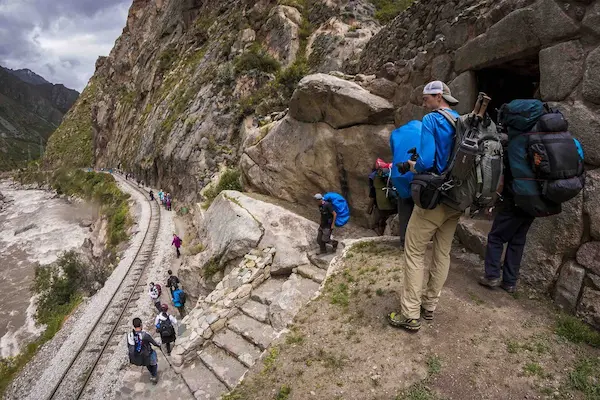
Among the most recognized trails is the classic route that follows ancient Inca paths. This hike combines archaeological sites with landscapes of high forests and mountain passes. Each section of the trail offers views that change with altitude, from dense vegetation to open skies where condors fly. For many, hiking Machu Picchu is less about reaching the site itself and more about the gradual immersion into its surroundings.
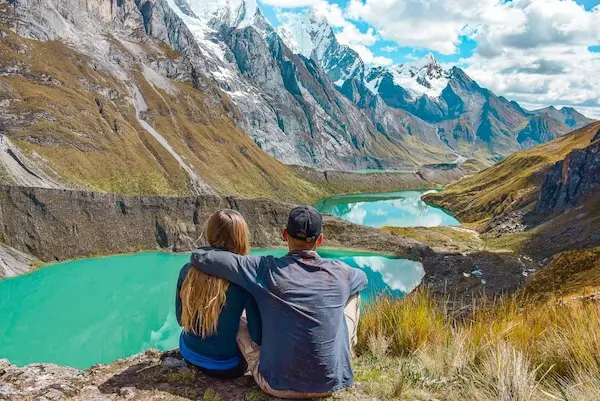
Alternative trails also contribute to this diversity. Some routes take hikers through high-altitude passes with panoramic views of glaciers and turquoise lakes, while others pass through small Andean villages where traditional life continues unchanged. Each path offers its own rhythm, yet all of them share a common destination: the encounter with a wonder that has fascinated travelers for generations.
For those seeking more information about structured experiences, resources like Machu Picchu Tours provide additional insights into the variety of options available to connect with this world heritage site.
You may also like to read: Travel to Peru in september
The Diversity of Trails Beyond Machu Picchu
Although Machu Picchu attracts global attention, hiking in Peru goes far beyond its shadow. The country is filled with routes that traverse regions of remarkable biodiversity and cultural richness. Each trail has its own identity, shaped by geography and history.
In the Cordillera Blanca, hikers encounter some of the highest tropical mountains in the world. Here, turquoise lakes and snowcapped peaks create a backdrop that feels almost otherworldly. The trails in this region challenge the body due to altitude but reward with scenery that remains etched in memory.
Moving south, other mountain ranges offer quieter paths where fewer travelers venture. These routes allow for solitude and reflection in landscapes dominated by wide valleys and imposing summits. The combination of silence, vastness, and thin air gives these hikes a meditative quality.
The Amazonian foothills also present opportunities for hiking. Unlike the high mountains, these trails reveal the lushness of forests, rivers, and wildlife. Hiking in these regions allows a deeper appreciation of Peru’s ecological diversity, showing that the country is not defined solely by its mountains but also by its jungles and lowlands.
Travelers interested in combining various regions can explore more specialized itineraries, often found through platforms like Amazon Rainforest tours, which highlight less common but equally fascinating destinations.
Hiking Peru: A Cultural Dimension
Hiking in Peru is inseparable from the culture of the Andes. Trails often cross through villages where Quechua is spoken, and traditional clothing reflects centuries of identity. For hikers, this is not only a visual encounter but also an opportunity to witness how ancient practices remain alive.
Agricultural terraces, stone paths, and irrigation canals that appear along the routes are reminders of civilizations that adapted ingeniously to their environment. These elements are not museum pieces; they are functional parts of daily life that continue to sustain communities. Walking through them means witnessing a continuum between past and present.
Rituals and festivities also enrich the experience. Certain trails coincide with pilgrimage routes where locals walk in honor of religious or cultural traditions. For an outsider, observing or participating respectfully in these moments provides a profound understanding of how landscapes and beliefs are connected.
In this sense, hiking peru is not just an outdoor activity but a cultural immersion. It is an invitation to appreciate the ways in which people and land are interwoven, creating a reality where geography, spirituality, and community converge.
You may also be interested in: Responsible tourism: Travel with purpose in Peru

The Role of Nature in the Experience
Nature plays a central role in defining hiking in Peru. The Andes provide dramatic settings, with glaciers, rivers, and plateaus shaping every step. The diversity of ecosystems is astonishing. In a single trek, hikers may encounter alpine tundra, cloud forests, and subtropical valleys. This environmental richness is matched by wildlife, from llamas grazing on mountain slopes to colorful birds flitting through the trees.
The rhythm of walking reveals details often overlooked. A trail through a narrow gorge may suddenly open to a wide valley where herds of alpacas graze. A quiet morning may be interrupted by the sound of a waterfall hidden behind vegetation. These contrasts make each hike a succession of discoveries, small and large, that emphasize the uniqueness of Peru’s landscapes.
The high-altitude environment also shapes the physical and emotional dimension of hiking. Thin air demands patience and adaptation, but it also intensifies the perception of space and silence. Many hikers describe a sense of humility when standing before peaks that rise more than six thousand meters above sea level. It is in these moments that hiking transcends sport and becomes contemplation.
Sustainable Perspectives
Hiking in Peru raises important questions about sustainability. Trails that attract thousands of visitors each year face challenges in preserving ecosystems and cultural heritage. Local initiatives often emphasize the importance of respecting the land, minimizing impact, and supporting communities.
Walking responsibly is part of the experience. This involves recognizing that trails are not only recreational spaces but also living territories. The people who inhabit these regions depend on the land for their livelihoods, and their traditions are closely tied to it. Hikers are encouraged to appreciate this connection and to understand that their presence is part of a broader balance.
By engaging with the land in a respectful way, hiking in Peru becomes not only an adventure but also a contribution to preserving a cultural and natural heritage of immense value. Resources like Ethnica Travel provide additional perspectives on how to approach these experiences with awareness and appreciation.
Hiking in Peru as a Timeless Journey
Ultimately, hiking in Peru is an encounter with contrasts. Snowy summits and tropical forests, ancient ruins and modern villages, silence and festivity—all coexist within the same territory. Each trail offers a unique perspective, yet together they weave a narrative that defines the country’s identity.
For those who seek more than simple recreation, hiking becomes a timeless journey. It is a way of perceiving landscapes not as backdrops but as living spaces filled with stories. Every path carries the footsteps of past generations, and every summit invites reflection on the vastness of nature.
Hiking Machu Picchu may be the most renowned experience, but it is only one expression of a broader reality. The richness of hiking in Peru lies precisely in its diversity, where every route is a doorway to discovery. Whether through high mountains, remote valleys, or verdant forests, the act of walking remains one of the most profound ways to understand this country.

