
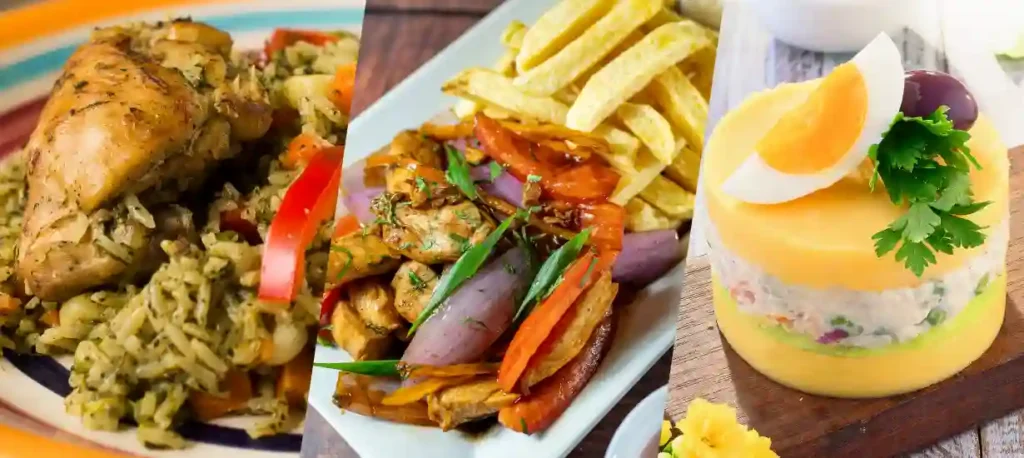
The culture of Peru food is one of the richest and most diverse in the world. More than just a collection of recipes, it reflects centuries of history, cultural fusion and geographical diversity. From ancient Inca traditions to modern culinary innovation, Peruvian gastronomy tells a story that goes far beyond the plate.
Today, peruvian food is internationally recognized, attracting travelers who want to experience its flavors firsthand. Whether you are exploring street markets or dining in top restaurants, the culture of Peru food offers a unique combination of ingredients, techniques and traditions.
Understanding the culture of Peru food means discovering how geography, history and culture come together to create one of the most celebrated cuisines in the world.
What is the food culture in Peru? Understanding the roots of Peruvian cuisine
To understand the culture of Peru food, it is essential to look at its origins. Peruvian gastronomy is the result of a deep cultural fusion that began thousands of years ago and continues to evolve today.
The foundations of Peruvian cuisine can be traced back to the Inca civilization, which cultivated crops such as potatoes, corn and quinoa. These ingredients remain central to many dishes today. When Spanish colonizers arrived, they introduced new products like rice, wheat and livestock, transforming the local diet.
Later, waves of immigration brought even more diversity. African, Chinese and Japanese communities contributed techniques and flavors that are now essential parts of the culture of Peru food. This blending of traditions created what many consider one of the most diverse culinary landscapes in the world.
So, what is the food culture in Peru? It is a living expression of history, shaped by multiple influences and adapted to different regions.
Peruvian cuisine: why is it famous around the world?
The global popularity of Peruvian cuisine is not accidental. It is the result of a unique combination of biodiversity, cultural heritage and culinary creativity.
One of the main reasons peruvian food stands out is the country’s geographical diversity. Peru has three main regions: coast, Andes and Amazon. Each region contributes distinct ingredients and cooking styles, enriching the overall culture of Peru food.
Another key factor is innovation. Modern chefs have taken traditional foods from peru and elevated them to international standards, while still preserving their cultural roots. This balance between tradition and innovation has helped position Peru as a global gastronomic destination.
Additionally, the use of fresh ingredients, bold flavors and unique techniques makes the culture of Peru food highly appealing to international audiences.
You might be interested in: Andean cock of the rock adaptations: discovering Peru’s iconic bird
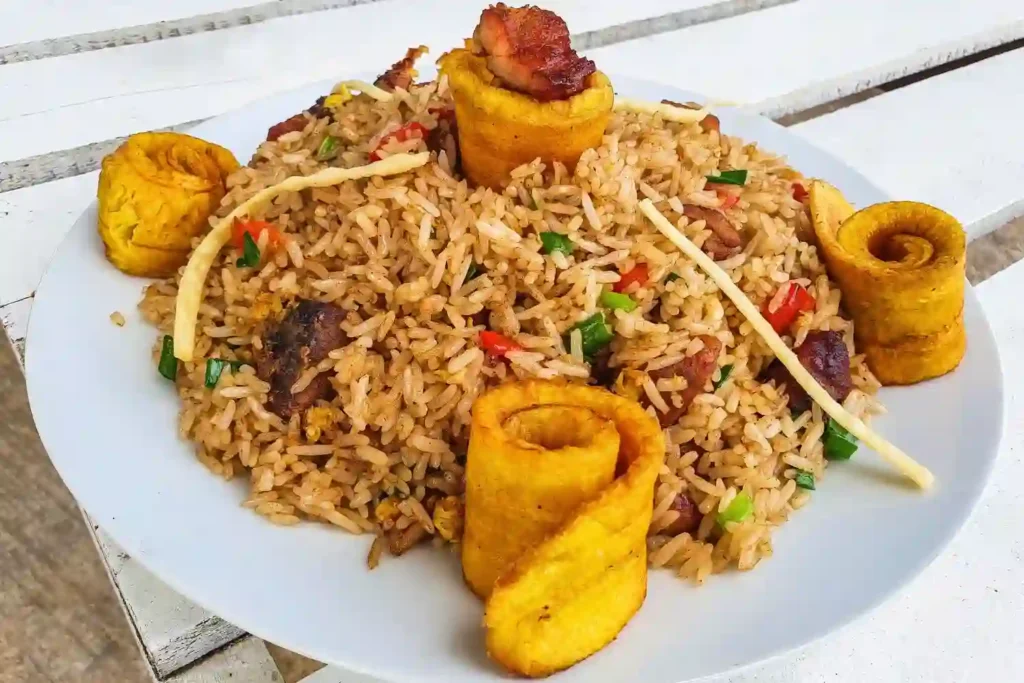
Traditional food of Peru: the most iconic dishes you must know
Exploring the traditional food of peru is one of the most authentic ways to connect with the country. For many travelers, discovering new flavors becomes just as important as visiting landmarks. In Peru, food is not just something you eat, it is part of daily life, history and identity.
The typical food in peru reflects centuries of cultural fusion and regional diversity. As you travel through the country, you will notice that each dish tells a story, whether it comes from the coast, the Andes or the Amazon. Understanding these dishes will help you better appreciate the culture of Peru food and enhance your overall travel experience.
Here are some of the most iconic foods from peru that every visitor should try:
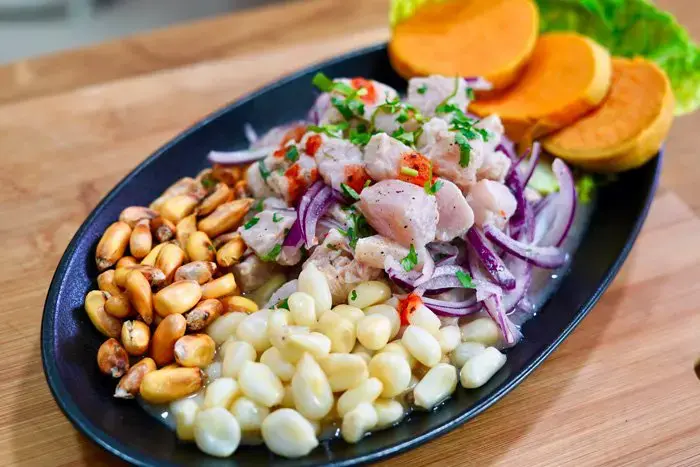
1. Ceviche: Peru’s national dish
Ceviche is widely recognized as Peru’s national dish and often the first introduction travelers have to peruvian food. It is made with fresh raw fish marinated in lime juice, mixed with red onions, chili peppers (ají) and cilantro.
What makes ceviche special is its freshness. It is typically prepared and served immediately, especially in coastal areas like Lima. The balance of acidity, spice and seafood flavor represents the essence of the culture of Peru food.
Travel tip: The best time to eat ceviche is during lunchtime, as Peruvians believe it should be consumed fresh on the same day the fish is caught.
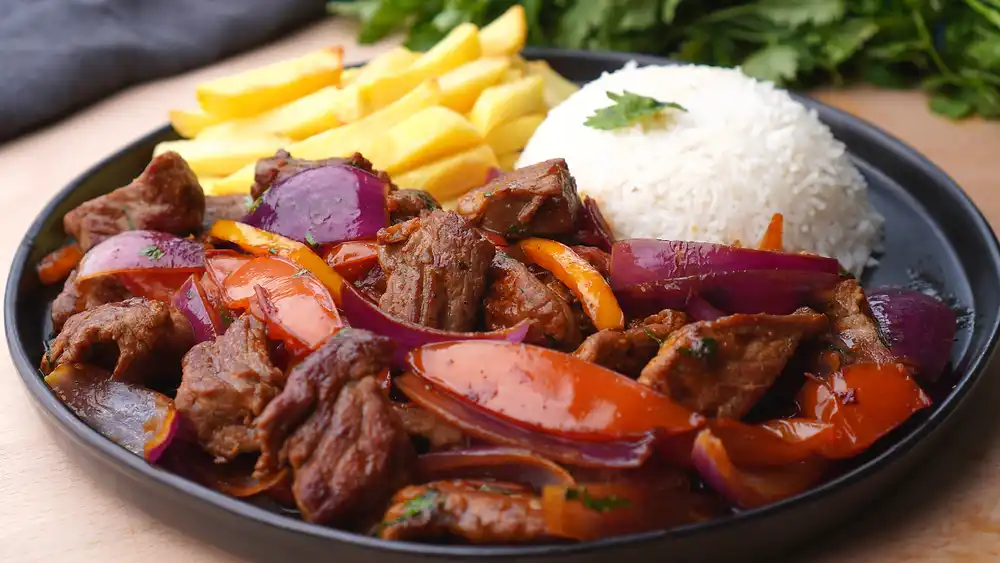
2. Lomo Saltado
Lomo Saltado is one of the most popular dishes among both locals and tourists. It consists of stir-fried beef mixed with onions, tomatoes, soy sauce and served with rice and French fries.
This dish is a perfect example of cultural fusion, combining Peruvian ingredients with Chinese cooking techniques. It reflects how the culture of Peru food evolved through migration and cultural exchange.
For travelers, it is also a great “bridge dish” familiar enough in flavor, but still uniquely Peruvian.
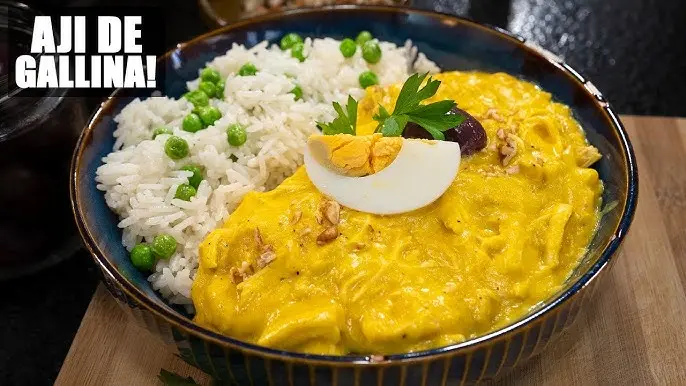
3. Aji de Gallina
Aji de Gallina is a creamy and comforting dish made with shredded chicken in a rich sauce of yellow chili peppers, milk, cheese and bread.
It is less intense than ceviche but very flavorful, making it ideal for those who prefer milder dishes. As part of the traditional food of peru, it highlights the importance of local ingredients like ají amarillo, a key element in many Peruvian recipes.
Travel tip: This dish is commonly served in restaurants across the country and is a safe, satisfying option for first-time visitors.
You might be interested in: Fauna of Peru: top 15 animals across coast, sierra and jungle
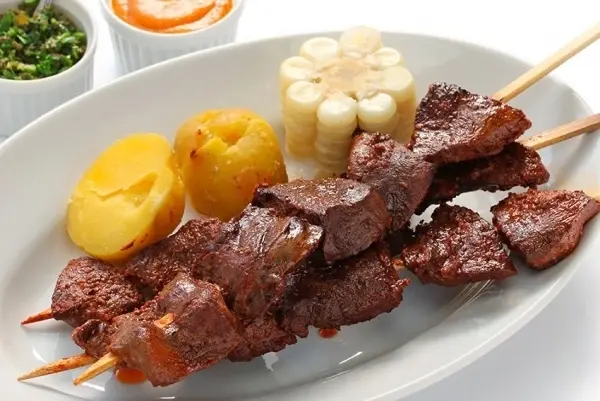
4. Anticuchos
Anticuchos are a must-try street food in Peru. These grilled skewers, traditionally made from beef heart, are marinated in spices and cooked over charcoal.
They are especially popular at night markets and street stalls. Trying anticuchos is not just about the taste, it is about experiencing local culture firsthand. This dish represents the African influence in the culture of Peru food and shows how history shapes what people eat today.
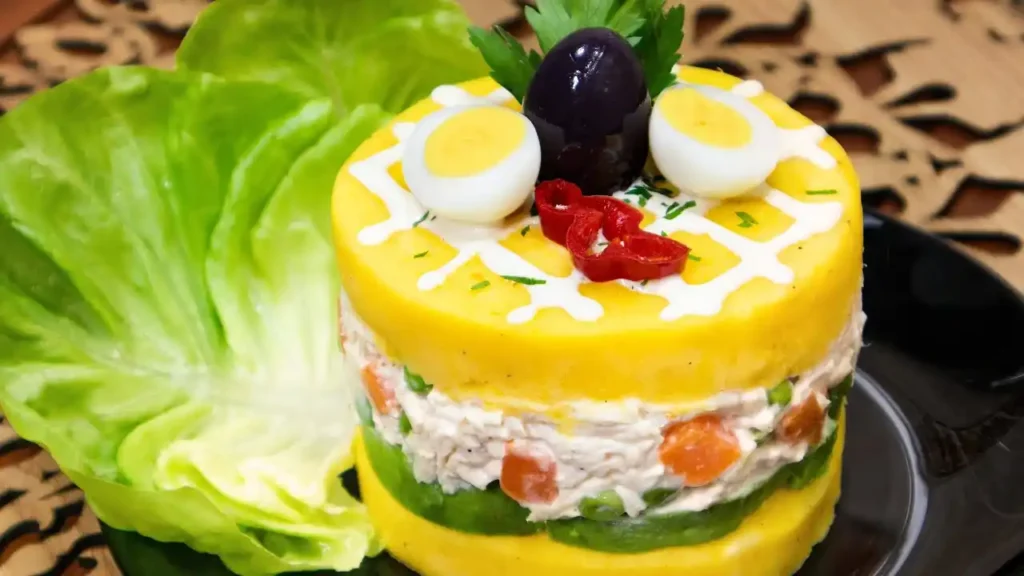
5. Causa Limeña
Causa is a cold dish made from layers of mashed yellow potatoes seasoned with lime and chili, filled with ingredients such as tuna, chicken or avocado.
It is light, refreshing and visually appealing, making it a favorite among travelers looking to try something different. This dish reflects the creativity of peruvian food, turning simple ingredients into something unique and flavorful.
What makes Peruvian food unique? Key ingredients and cultural diversity
The uniqueness of the culture of Peru food lies in its ingredients and diversity. Peru is home to thousands of varieties of potatoes, corn and chili peppers, many of which are not found anywhere else in the world. Peruvian food is as diverse as Peru Treks.
These ingredients are used in different ways depending on the region, creating a wide variety of flavors and textures. This diversity is one of the reasons why peruvian food continues to gain global recognition.
Another important factor is cultural diversity. The fusion of indigenous, European, African and Asian influences creates a culinary identity that is both traditional and innovative.
5 cultural facts about Peru expressed through its food
The culture of Peru food is deeply connected to the country’s identity, history and daily life. For travelers, understanding these cultural elements adds a completely new dimension to the experience of eating in Peru. Food is not just nourishment, it is a reflection of geography, migration, tradition and community.
Here are five cultural facts that help explain why Peruvian gastronomy is so unique:
1. Biodiversity shapes the cuisine
One of the most important aspects of the culture of Peru food is its extraordinary biodiversity. Peru is considered one of the most biologically diverse countries in the world, and this directly influences what people eat.
The country has three main natural regions, coast, Andes and Amazon, each providing completely different ingredients. On the coast, you find fresh seafood and citrus fruits. In the Andes, there are thousands of varieties of potatoes, corn and grains like quinoa. In the Amazon, exotic fruits, herbs and river fish dominate the cuisine.
For travelers, this means that the food experience changes dramatically depending on where you are. Exploring peruvian food is like traveling through multiple culinary worlds within one country. If you want to experience a different culinary adventure, you can also combine it with the Inca Trail 2 days with camping.
2. Fusion cuisine is a key element
Another defining feature of the culture of Peru food is its fusion. Peruvian gastronomy has been shaped by centuries of cultural exchange.
Chinese immigrants introduced stir-fry techniques that gave rise to Chifa cuisine, while Japanese influence led to Nikkei cuisine, known for its precision and use of raw fish. Spanish colonization also added new ingredients and cooking methods.
This blending of cultures is what makes Peruvian cuisine so distinctive. Dishes like Lomo Saltado perfectly illustrate how different traditions come together to create something new.
For visitors, this fusion makes Peruvian gastronomy both exciting and accessible, as it often combines familiar flavors with unique local ingredients.
3. Regional identity is strong
The culture of Peru food is not uniform across the country. Each region has its own identity, traditions and specialties.
On the coast, seafood dishes dominate. In the Andes, meals are more hearty and based on local agriculture. In the Amazon, the cuisine is lighter and more exotic.
This strong regional identity means that travelers can experience a wide variety of typical food in peru simply by moving from one destination to another. It also reflects how deeply food is connected to local culture and environment.
4. Street food is part of daily life
Street food plays a vital role in the culture of Peru food. It is one of the most accessible ways to experience authentic flavors.
From grilled anticuchos to fresh juices and quick snacks, street vendors offer a wide range of options at affordable prices. These foods are not just convenient, they are deeply rooted in tradition.
For travelers, trying street food is an opportunity to connect with everyday life in Peru. It is where you can experience peruvian food in its most authentic and unfiltered form.
5. Food brings people together
In Peru, food is a social experience. Meals are often shared with family and friends, and they play an important role in celebrations and daily life.
This social aspect is a key part of the culture of Peru food. Whether it is a family lunch, a street gathering or a festive event, food brings people together.
For visitors, this means that dining in Peru is not just about the food itself, but also about the atmosphere, the people and the shared experience.
You might be interested in: Corpus Christi Cusco 2026: Dates & Guide
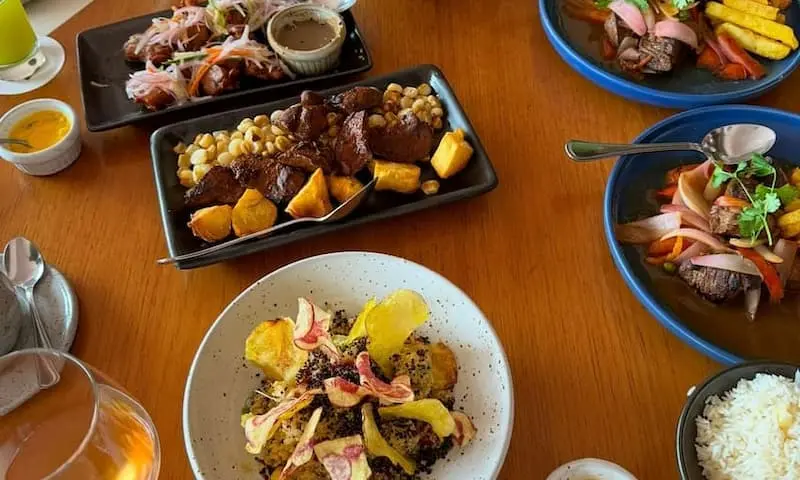
Typical food in Peru by region: coast, Andes and jungle
The culture of Peru food varies significantly by region, making it one of the most diverse culinary destinations in the world. For travelers, understanding these regional differences helps create a more complete and immersive experience.
Each region offers unique ingredients, cooking techniques and flavors, allowing you to explore different styles of foods from peru throughout your journey.
1. Coastal cuisine
The Peruvian coast is famous for its seafood. Thanks to the cold Humboldt Current, the ocean is rich in fish and marine life, making it ideal for dishes like ceviche.
Coastal peruvian food is characterized by fresh ingredients, citrus flavors and a balance between acidity and spice. Lime, chili peppers and herbs are essential elements.
For travelers, coastal cuisine is often the most accessible introduction to the culture of Peru food, especially in cities like Lima, where gastronomy plays a central role.
2. Andean cuisine
In the Andes, food is deeply connected to the land and traditional agriculture. Potatoes, corn, quinoa and native herbs are the foundation of many dishes.
Meals are often hearty and designed to provide energy in high-altitude environments. Ingredients like alpaca meat and cheese are also common.
Exploring Andean foods from peru offers a more traditional and authentic perspective of the country’s culinary heritage. It is here that many ancient cooking techniques are still preserved.
3. Amazon cuisine
The Amazon region offers a completely different experience within the culture of Peru food. Here, ingredients are more exotic and less known to international travelers.
Dishes often include river fish, plantains, cassava and tropical fruits. The flavors are lighter but rich in natural aromas.
For adventurous travelers, Amazonian cuisine provides a unique opportunity to explore a lesser-known side of peruvian food.
4. Street food culture
Street food is present in every region and is an essential part of daily life. It offers quick, affordable and flavorful options that reflect local traditions.
From markets to roadside stalls, street food allows travelers to taste a wide variety of typical food in peru in a casual setting.
It is also one of the best ways to experience the culture of Peru food beyond restaurants.
5. Modern Peruvian gastronomy
In recent years, modern chefs have transformed the culture of Peru food into a global phenomenon. They combine traditional recipes with contemporary techniques, creating innovative dishes that still respect their origins.
This modern approach has positioned Peru as a leading destination for gastronomy tourism. Travelers can now experience both traditional and high-end versions of peruvian cuisine.
Together, these regional and cultural elements make the culture of Peru food one of the most dynamic and fascinating culinary experiences in the world.
Culture of Peru food: more than cuisine, a national identity
The culture of Peru food is much more than a collection of dishes. It is a reflection of history, diversity and identity.
From ancient traditions to modern gastronomy, the culture of Peru food continues to evolve while maintaining its roots. Each dish tells a story, each ingredient represents a region, and each meal connects people.
For travelers, exploring peruvian food is one of the best ways to understand the country. It is not just about eating, but about experiencing a culture that is deeply rooted in its cuisine.
In the end, the culture of Peru food is a journey in itself—one that combines flavor, history and tradition in every bite.

