
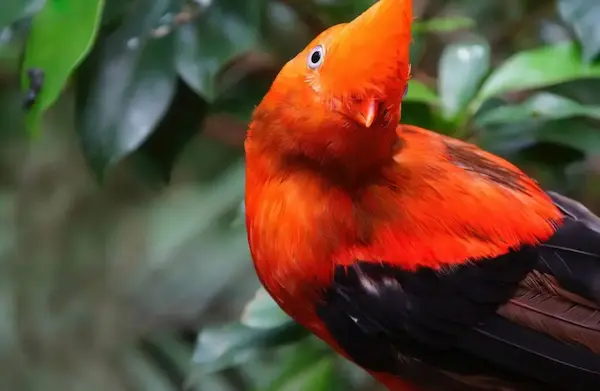
The Andean cock of the rock (Rupicola peruvianus) is one of the most visually striking birds in Peru. Known for its bright orange plumage and unique fan-shaped crest, it attracts birdwatchers, photographers, and nature lovers alike. Understanding the andean cock of the rock adaptations provides insight into how this species thrives in high-altitude cloud forests and remote river valleys.
This species’ adaptations showcase the intricate balance between survival, reproduction, and social behaviour, making it a fascinating subject for both casual visitors and wildlife enthusiasts.
You may also like: Travel inspiration: How to plan a trip to Machu Picchu
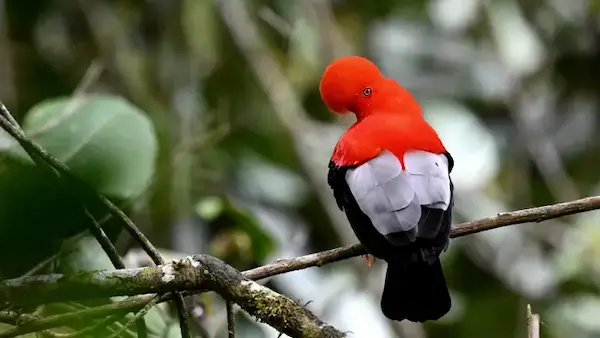
Physical characteristics and andean cock of the rock adaptations
Males have vibrant orange plumage and a large head crest, essential for attracting mates, while females are more subdued in colour to blend with their surroundings.
Their strong legs and curved beaks are perfectly adapted for clinging to branches and rocky outcrops, and for feeding on fruits, insects, and small vertebrates. Water-resistant feathers allow them to thrive in humid, misty conditions.
The andean cock of the rock adaptations extend to social behaviour. Males gather in leks to perform elaborate dances, reducing conflict and increasing mating success while ensuring genetic diversity in the population.
Habitat and andean cock of the rock adaptations
These birds inhabit cloud forests from 500 to 2,400 meters above sea level, often near cliffs and river valleys where dense vegetation provides shelter and food.
Protected areas such as Manu National Park are key locations for observing these birds, where the andean cock of the rock adaptations allow them to navigate rugged terrain efficiently.
Visitors can experience the species during Classic Inca Trail to Machu Picchu tours, combining trekking and wildlife observation in a way that is both safe and environmentally responsible.
Diet and feeding habits
The Andean cock of the rock primarily feeds on berries and fruits, occasionally supplementing with insects. Males and females may forage in slightly different areas to reduce competition.
Fruit trees such as wild guava and avocado are essential to their diet, and the birds also help disperse seeds, contributing to forest regeneration.
Observing feeding behaviour in eco-lodges or natural habitats provides travellers with insight into the andean cock of the rock adaptations, including how diet supports reproductive and survival strategies.
Reproduction and family structure
Males perform elaborate displays at communal leks to attract females. Females choose mates based on these displays and build nests in hidden locations, usually rocky crevices or cliff overhangs.
Nesting strategies reflect the andean cock of the rock adaptations for survival, combining camouflage, parental investment, and food availability.
Understanding reproduction and family structures offers visitors a deeper appreciation of the species’ behaviour and the challenges it faces in the wild.
Behavioural and vocal adaptations
Vocalizations are crucial for communication in leks. Males call loudly to attract females and establish hierarchies, while subtle sounds maintain spacing and coordination.
The andean cock of the rock adaptations include these behavioural strategies, helping reduce conflict, alerting others to predators, and reinforcing social order.
Travellers can observe these behaviours safely under the guidance of trained eco-guides, enhancing their wildlife experience.
Threats and conservation
Deforestation, agriculture, and habitat fragmentation threaten cloud forest ecosystems, putting the Andean cock of the rock at risk.
Protected reserves and responsible tourism help conserve their populations. Ethical observation, including visits to eco-lodges or guided tours, supports both education and preservation efforts.
Awareness of the andean cock of the rock adaptations encourages travellers to respect wildlife and maintain habitat integrity.
You may also like: Why Peru in october is the best month to visit
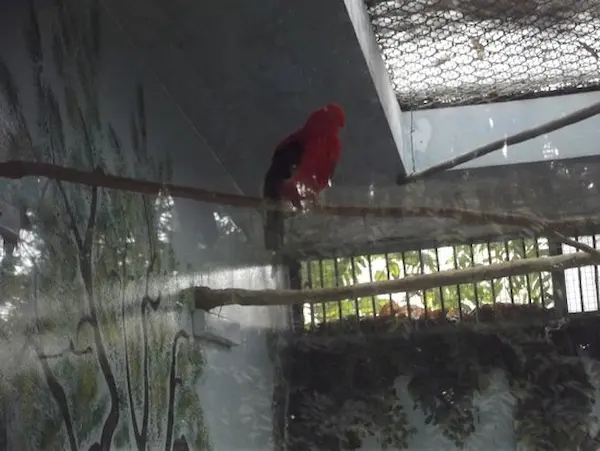
Zoos, rehabilitation programs, and ethical observation
Zoos and conservation centres provide a unique opportunity for travellers to study the andean cock of the rock adaptations up close, including diet, social behaviour, and reproduction. These facilities often recreate natural habitats with simulated vegetation, cliffs, and water sources, allowing visitors to observe authentic behaviours in a controlled and safe environment.
Educational programs at these centres go beyond observation. Visitors learn about conservation challenges, such as deforestation, habitat fragmentation, and climate change, and how these factors affect the species’ survival. Interactive sessions, guided tours, and workshops allow travellers to understand the ecological importance of the Andean Cock of the Rock as a seed disperser and keystone species in cloud forest ecosystems.
For those unable to travel to remote cloud forests, visiting zoos and conservation centres is an invaluable alternative. It provides insight into how the species thrives in the wild, how conservation efforts are conducted, and how tourists can contribute responsibly. Observing the birds’ natural behaviours in these settings reinforces the importance of sustainable tourism, research, and habitat preservation, while offering a rich and educational wildlife experience.
Tourism and responsible wildlife observation
Responsible wildlife tourism ensures minimal disturbance to the birds’ habitats. Travellers should maintain distance, reduce noise, and follow eco-guide instructions.
Tours, including those offered by the Peru Amazon Garden Lodge, allow observation of the Andean cock of the rock in a way that is both immersive and respectful. Understanding the andean cock of the rock adaptations enhances visitor appreciation while supporting conservation initiatives.
Lekking behaviour and mating strategies
One of the most fascinating aspects of the andean cock of the rock adaptations is their lekking behaviour. Males gather in communal display grounds called leks to perform elaborate dances, bowing, hopping, and calling to attract females.
Females observe these displays carefully before choosing a mate. This strategy ensures strong genetic diversity while minimising conflict between males. The timing of these displays is often coordinated with fruit availability, linking reproduction to ecological cycles.
Understanding lekking behaviour provides travellers and birdwatchers with an immersive glimpse into the species’ social organisation and evolutionary strategies. Observing leks is a highlight for guided tours in cloud forests.
Nesting ecology and chick development
The andean cock of the rock adaptations include precise nesting strategies. Females build nests using leaves and twigs in hidden cliffside crevices or among dense vegetation, protecting eggs from predators and harsh weather.
Chicks are dependent on the female for feeding and protection until they can forage independently. Survival rates are linked to food availability and habitat stability, highlighting the importance of preserving cloud forests.
For eco-tourists, observing nesting sites from safe distances illustrates the intricacy of the species’ life cycle and the adaptive strategies that have evolved over millennia.
Role in the ecosystem
The andean cock of the rock adaptations extend beyond their physical and behavioural traits to their ecological influence. As frugivorous birds, they selectively feed on certain fruiting trees, which helps regulate the population dynamics of these plants. This selective feeding ensures that seeds are dispersed to optimal locations, promoting natural regeneration and the continued diversity of cloud forest flora.
Their seed dispersal activities also support other species indirectly. By maintaining the growth of fruiting trees, they provide shelter and food for insects, small mammals, and other bird species. This cascading effect contributes to a balanced ecosystem, where every species plays a role in sustaining forest health. In addition, their movements across different altitudes and microhabitats allow for genetic flow among plant populations, enhancing resilience against environmental changes.
Furthermore, these birds act as indicators of forest health. Areas with thriving populations of Andean Cocks of the Rock often reflect well-preserved ecosystems, rich in biodiversity and relatively undisturbed by human activity.
Adaptations to high-altitude environments
The andean cock of the rock adaptations include physiological traits that help them survive in high-altitude cloud forests. Their respiratory systems and wing structure allow efficient flight in thin air and rapid manoeuvring among misty, rugged terrain.
Behavioural adaptations, such as nesting near sheltered cliffs and timing feeding to early morning, further enhance survival. These adaptations make the species a remarkable example of evolutionary fine-tuning.
For travellers trekking the Andes, recognising these adaptations adds depth to wildlife observation, making the encounter more educational and memorable.
You may also like: Tourism in Northern Peru: Authentic Experiences for Travelers
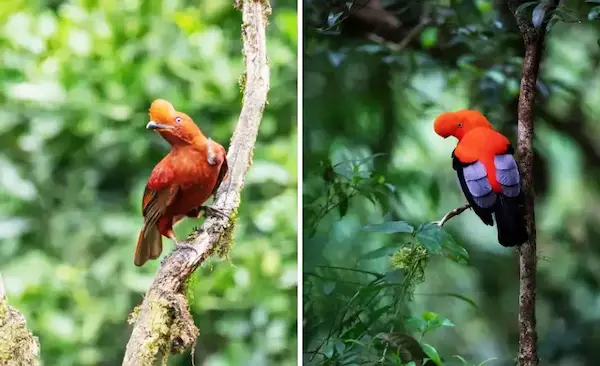
Photography tips for observing the Andean Cock of the Rock
Photographers interested in capturing the andean cock of the rock adaptations should plan carefully. Early morning light provides the best visibility for lekking displays, while telephoto lenses help capture details without disturbing the birds.
Staying on marked trails, following guides, and observing from a respectful distance ensures ethical wildlife photography. Knowledge of the birds’ behaviour enhances the chances of capturing unique moments.
Guided tours, including manu national park tours from cusco, provide safe access to observation sites and insight into both habitat and behaviour, ensuring a rewarding photographic experience.
The wonder of andean cock of the rock adaptations
The Andean Cock of the Rock is more than a striking visual icon; it embodies the intricate adaptations required to thrive in the cloud forests of Peru. Its vibrant plumage, elaborate lekking behaviour, and nesting strategies reflect a species finely tuned to both social and environmental challenges. Observing these behaviours provides travellers with a rare opportunity to witness evolutionary adaptations in action, revealing the complex balance between survival, reproduction, and ecological integration.
Visiting natural habitats and protected areas allows travellers to understand the bird’s role within the broader ecosystem. By participating in responsible wildlife observation and guided eco-tours, visitors gain insight into how the Andean Cock of the Rock contributes to forest regeneration, seed dispersal, and biodiversity conservation. Experiencing this species in the wild, rather than solely in controlled settings, offers a deep connection to Peru’s natural heritage and highlights the importance of preserving cloud forest ecosystems for future generations.
Ultimately, the fascination with the Andean Cock of the Rock goes beyond photography or casual sightseeing. It encourages travellers to engage with Peru’s wildlife and culture in a meaningful way, combining adventure, education, and ecological awareness. Understanding the andean cock of the rock adaptations enriches the travel experience, leaving lasting impressions that extend far beyond the Andes and into a deeper appreciation for the diversity and resilience of life in one of the world’s most remarkable natural environments.

