
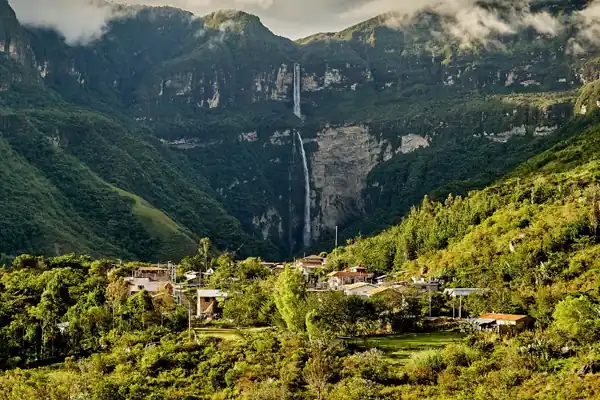
Towns in Peru offer a different way to understand the country’s history, landscapes, and local traditions. Beyond the larger cities and better known archaeological sites, smaller communities preserve colonial buildings, ancient settlements, traditional crafts, regional food, and customs that vary considerably from one part of the country to another.
From the mountain landscapes of the Andes to communities surrounded by forests and valleys, these towns reflect the geographical and cultural diversity of Peru. Looking at them together also shows how different generations have adapted to their surroundings while maintaining traditions that remain part of local life.
You might be interested in: 10 top famous peruvian singers
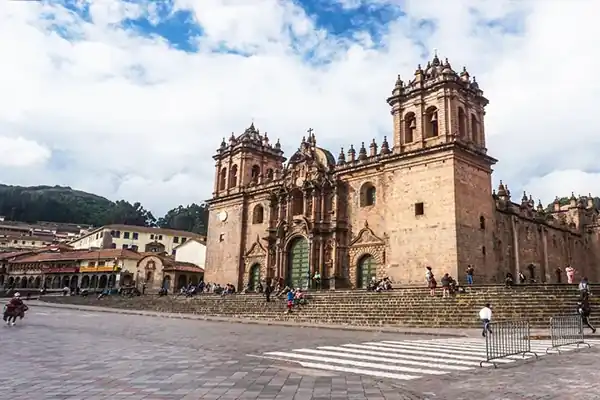
10 best towns in Peru
The towns in Peru offer a different perspective on the country’s history, landscapes, and local traditions. Beyond the major destinations, smaller communities preserve colonial architecture, archaeological remains, traditional crafts, and ways of life that are closely connected to their surrounding regions.
From the Sacred Valley and the Andes to the northern highlands and the Amazonian foothills, these towns in Peru are found in very different environments. Each one has its own character, with some known for ancient settlements, others for their landscapes, and others for traditions that continue to be part of everyday life.
Ollantaytambo
Ollantaytambo is one of the best known towns in Peru for its connection with the Inca period. Located in the Sacred Valley, the town is surrounded by mountains and preserves an original Inca urban layout, with stone streets, terraces, and buildings that continue to form part of the settlement today.
The archaeological site above the town includes large terraces, temples, and impressive stone structures. Its location also made Ollantaytambo an important point within the Inca road system, making it particularly relevant for understanding the relationship between Andean geography and Inca engineering.
Chinchero
Chinchero is an Andean town in the Cusco region known for its archaeological remains, traditional textile production, and mountain setting. The town sits at a high elevation and retains strong connections with local Quechua traditions, particularly through weaving and community markets.
The archaeological complex includes terraces and stone structures associated with the Inca period. Today, Chinchero provides an opportunity to see how ancient heritage and living traditions coexist, making it one of the more culturally distinctive towns in Peru.
Pisac
Pisac is located in the Sacred Valley and is known for its archaeological complex, mountain scenery, and traditional market. The ancient settlement stretches across the mountainside above the modern town, with terraces, ceremonial structures, and stonework characteristic of Inca construction.
The town itself has become an important place for experiencing local crafts and regional traditions. Its combination of archaeological heritage and contemporary Andean life makes Pisac one of the most recognisable towns in Peru, particularly for visitors interested in the history of the Sacred Valley.
Chivay
Chivay is a highland town in the Colca Valley and serves as an important centre for communities around the Colca Canyon. Its location at high altitude places it within a landscape of mountains, agricultural terraces, and deep valleys shaped by the surrounding Andes.
The town is also connected with local traditions, markets, and regional food. Nearby hot springs and viewpoints provide additional points of interest, while the surrounding landscape offers a closer look at life in one of the high altitude towns in Peru.
Cabanaconde
Cabanaconde is a small town located near the Colca Canyon in the Arequipa region. It is surrounded by steep mountains and agricultural landscapes, with terraces that reflect centuries of farming in the Andes.
The town is also closely connected with routes leading towards different viewpoints and areas of the Colca Canyon. Its location makes Cabanaconde particularly interesting for understanding how communities in the Andes have adapted to dramatic terrain, making it one of the towns in Peru closely associated with the country’s mountain landscapes.
Huancaya
Huancaya is located in the Nor Yauyos Cochas Landscape Reserve in the Lima region. The area is known for turquoise coloured rivers, waterfalls, small lakes, and green mountain landscapes that contrast strongly with the dry environments found elsewhere in the region.
Traditional agriculture and rural life remain important around the town, while the surrounding reserve protects a variety of Andean ecosystems. Huancaya offers a different perspective on the towns in Peru, particularly for those interested in landscapes and smaller communities away from the country’s major tourist routes.
Ayacucho
Ayacucho is a historic city in the Peruvian Andes known for its colonial architecture, churches, artisan traditions, and important role in Peruvian history. Although it is larger than many of the other places on this list, its historic centre and surrounding communities give it the character of an important Andean cultural destination.
The region is particularly known for its traditional crafts, religious celebrations, and retablos, which are brightly detailed artistic representations associated with Ayacucho. Its combination of history and living traditions makes it an important reference when discussing culturally significant towns in Peru.
Huancavelica
Huancavelica is an Andean city surrounded by mountains and high altitude landscapes. Its history has been strongly connected with mining, particularly the extraction of mercury during the colonial period, which had a significant influence on the development of the region.
The surrounding area also preserves Indigenous and Andean traditions, with agricultural communities and landscapes shaped by centuries of interaction between people and the mountains. For this reason, Huancavelica provides another perspective on the history and cultural diversity found among towns in Peru.
Lamas
Lamas is located in the San Martín region, where the Andes gradually meet the Amazonian lowlands. The town is known for its distinctive architecture, surrounding vegetation, and cultural traditions connected with the Indigenous communities of the area.
Its location makes Lamas particularly different from the highland destinations of southern Peru. The combination of Amazonian landscapes, local traditions, and a town built across hillsides makes it one of the more distinctive towns in Peru to include in a broader look at the country’s regional diversity.
Chacas
Chacas is a small Andean town in the Áncash region, surrounded by the mountains of the Cordillera Blanca. Its historic centre is known for traditional buildings, carved wooden balconies, and a distinctive architectural style that gives the town a strong local character.
The town is also closely connected with the surrounding mountain communities and landscapes. Its location makes it an interesting addition to this list of towns in Peru, particularly for understanding the cultural and architectural traditions found in the northern Andes.
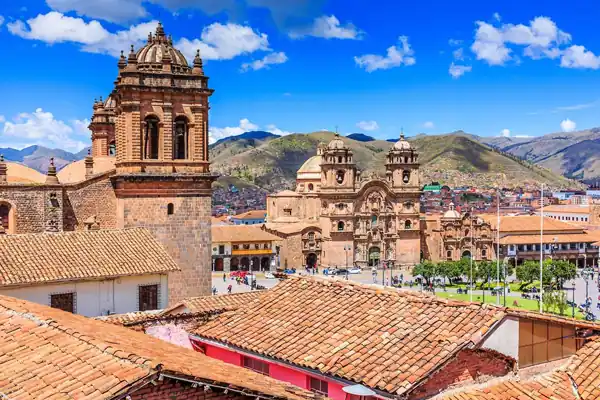
Historic towns in Peru
Historic towns in Peru reflect the different periods and cultures that have shaped the country over centuries. Some preserve buildings from the colonial period, while others grew around settlements that existed long before the arrival of the Spanish.
Walking through these towns can reveal details that are easy to miss in larger cities, from old churches and stone walls to traditional plazas and streets that still follow historic layouts. Together, they offer a broader view of Peru’s past and the communities that continue to preserve it.
Towns with colonial architecture
Several towns in Peru are known for their colonial architecture, particularly in the Andes. Churches, central plazas, stone buildings, and traditional houses often show how Spanish architectural styles were adapted to local materials and Andean environments.
Ayacucho, for example, has numerous historic churches and buildings, while other places such as Chachapoyas and Cajamarca combine colonial structures with distinctive regional traditions. These towns provide a different perspective on Peru’s architectural history beyond the country’s most famous archaeological sites.
Towns connected to ancient civilisations
Some towns in Peru are closely connected to archaeological sites and settlements that existed before or during the Inca period. Their surroundings can include terraces, ceremonial structures, stone buildings, and other remains that reveal how earlier societies adapted to their environments.
Ollantaytambo and Pisac are notable examples, with archaeological sites integrated into the landscapes around their modern communities. Visiting these places offers a chance to see how ancient settlements and present day towns can exist within the same geographic setting.
Traditional streets, plazas, and local heritage
Traditional streets and plazas remain an important part of many historic towns in Peru. These spaces often serve as gathering points for local communities and can be surrounded by churches, markets, homes, and public buildings with distinctive regional features.
Local heritage is not limited to physical buildings. Food, textiles, celebrations, crafts, music, and everyday customs also contribute to the identity of each town. Looking at these elements together gives a more complete picture of the cultural diversity found across Peru.
You might be interested in: 10 top wonders of Peru
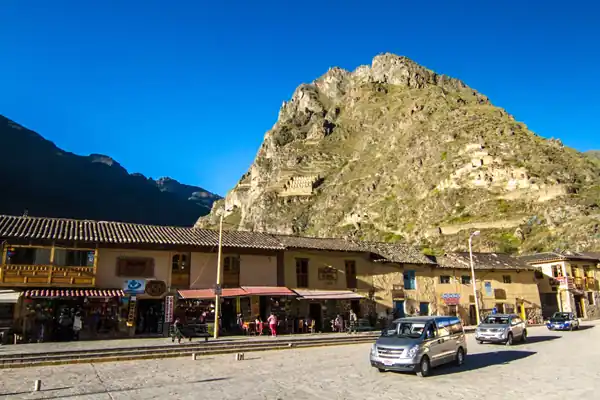
Mountain towns in Peru
Mountain towns in Peru are shaped by the geography of the Andes, where communities have developed among steep valleys, high plateaus, and rugged mountain ranges. Their location has influenced everything from agriculture and architecture to transportation and daily life.
Many of these towns are surrounded by dramatic landscapes, but their importance also comes from the people who have adapted to high altitude environments over generations. From Cusco and Áncash to Arequipa and the central Andes, these communities form an important part of Peru’s cultural and geographic identity.
Towns in the Andes
The Andes are home to some of the most distinctive towns in Peru, with communities spread across valleys and mountain slopes at different elevations. Places such as Chivay, Cabanaconde, Huancavelica, and Ollantaytambo show how settlements can develop in very different Andean environments.
Their landscapes often include agricultural terraces, mountain rivers, stone buildings, and roads connecting communities across difficult terrain. Many also maintain traditional crafts, local markets, and agricultural practices that remain important to regional life.
Villages surrounded by high altitude landscapes
High altitude villages are often surrounded by open mountain scenery, deep valleys, grasslands, and peaks that rise well above the surrounding settlements. The environment can influence the architecture, crops, livestock, and routines of communities living in these areas.
Places such as Chinchero and communities around the Colca Valley show how people have adapted to these conditions over time. The landscapes around these villages also reveal the close relationship between agriculture, water, mountains, and settlement patterns in the Andes.
Life in Peru’s mountain communities
Life in Peru’s mountain communities is closely connected with the natural environment. Agriculture and livestock remain important in many areas, while weaving, handicrafts, local markets, and community traditions continue to contribute to regional identity.
At the same time, mountain communities are not frozen in the past. Modern services, tourism, education, and changing economic activities have influenced daily life, while many families continue to maintain customs passed down through generations. This combination of continuity and change is an important part of understanding towns in Peru.
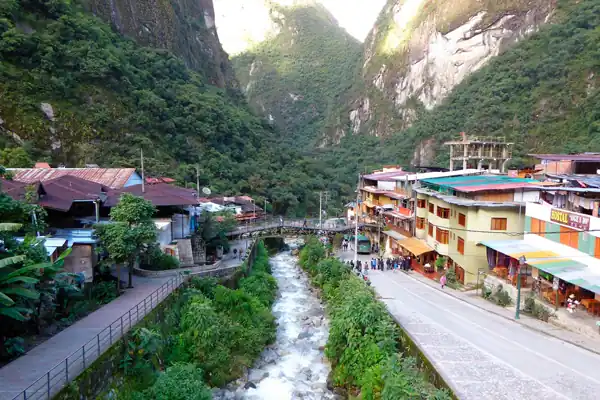
What to see in Peru’s small towns
What to see in Peru’s small towns often goes beyond a particular landmark. Their appeal can come from the combination of local architecture, markets, surrounding landscapes, traditional food, and everyday activities that give each community its own identity.
For travellers interested in the country’s regional diversity, these smaller destinations can provide a closer look at how people live and maintain local traditions. From Andean villages to communities near the Amazon, the towns in Peru offer different ways to understand the country’s history and cultural heritage.
Local markets and traditional crafts
Local markets are an important part of many towns in Peru, particularly in the Andes. They can bring together farmers, artisans, and families from nearby communities, with stalls selling fresh produce, textiles, pottery, handmade objects, and other regional products.
Traditional crafts also vary considerably from one region to another. In places such as Chinchero, weaving remains an important part of local culture, while other communities are known for ceramics, woodwork, textiles, or distinctive forms of folk art. These crafts often reflect materials and techniques passed down through generations.
Churches, plazas, and historic buildings
Churches and central plazas are common features in many historic towns in Peru. In colonial settlements, the main square often forms the centre of the community, with churches and traditional buildings surrounding it. Their architecture can reveal the influence of different periods and local construction methods.
Some towns also preserve buildings connected with important moments in regional history. Stone walls, balconies, narrow streets, and older houses can still be seen in places such as Ayacucho, Cajamarca, and other historic centres. Together, these features help preserve the character of each community.
Food and regional traditions
Food is another important part of understanding Peru’s small towns. Local dishes often depend on the ingredients available in the surrounding region, so meals can vary considerably between the coast, Andes, and Amazon. Potatoes, maize, quinoa, native fruits, freshwater fish, and different types of chilli are among the ingredients found across the country’s diverse cuisine.
Regional traditions also appear through festivals, music, dance, clothing, and community celebrations. These customs can change from one area to another and are often connected with local history and beliefs. For that reason, food and traditions add another layer to the experience of visiting towns in Peru.
You might be interested in: Inca Calendar 2026: Solar Alignments at Machu Picchu
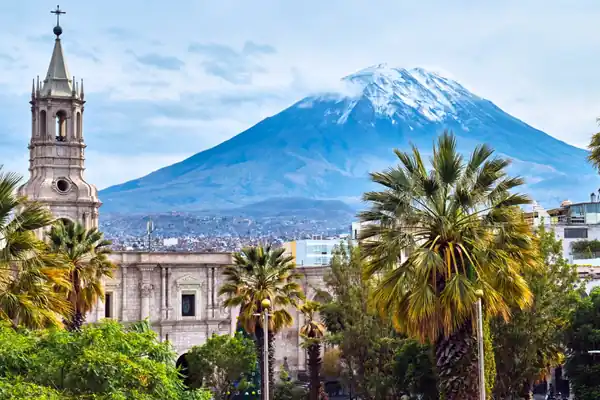
Exploring Peru through its towns and villages
Peru’s towns and villages reflect many of the historical and cultural influences that have shaped the country. Some are connected to ancient civilisations, while others preserve colonial architecture, traditional crafts, regional cuisine, and customs that continue to have an important place in community life.
From Ollantaytambo and Chinchero to Ayacucho, Huancavelica, and Lamas, the towns in Peru offer different perspectives on the country’s diverse regions. Their landscapes and local traditions help place Peru’s better known destinations within a much broader cultural and geographical context.

