
The wonders of Peru reflect the country’s remarkable combination of ancient history, diverse landscapes, and cultural heritage. From the stone structures of Machu Picchu and the mysterious Nazca Lines to the Amazon rainforest, high Andes, and Pacific coast, Peru brings together places shaped by both nature and human history.
These sites also reveal how different civilizations adapted to Peru’s varied environments over thousands of years. Some are connected to the Inca Empire, while others belonged to cultures that flourished long before the Incas. Together, they offer a broader look at the landscapes and historical sites that have shaped Peru.
You might be interested in: Inca Calendar 2026: Solar Alignments at Machu Picchu
What makes Peru a country of wonders?
Peru brings together landscapes and historical sites that are remarkably different from one another. The Andes, Amazon rainforest, Pacific coast, deserts, and high altitude lakes create a country with an unusual range of natural environments. At the same time, ancient civilizations left behind cities, temples, geoglyphs, and other sites that continue to shape Peru’s cultural heritage.
This combination of nature and history is what makes the wonders of Peru so varied. Some are closely connected to the Inca Empire, while others belong to civilizations that existed long before the Incas. From archaeological sites in the desert to forests filled with wildlife, these places show how geography and human history have shaped the country over thousands of years.
10 top iconic wonders of Peru
The wonders of Peru include some of the country’s most recognizable archaeological sites, landscapes, and natural environments. Machu Picchu may be the best known internationally, but it is only one part of a much larger collection of places connected to Peru’s history and geography. UNESCO currently lists 13 World Heritage properties in the country, including cultural, natural, and mixed sites.
The following 10 wonders of Peru represent different aspects of the country. Some reveal the achievements of ancient civilizations, while others highlight the diversity of the landscapes found from the Pacific coast to the Andes and Amazon. Together, they provide a broad look at what makes Peru such a distinctive part of South America.
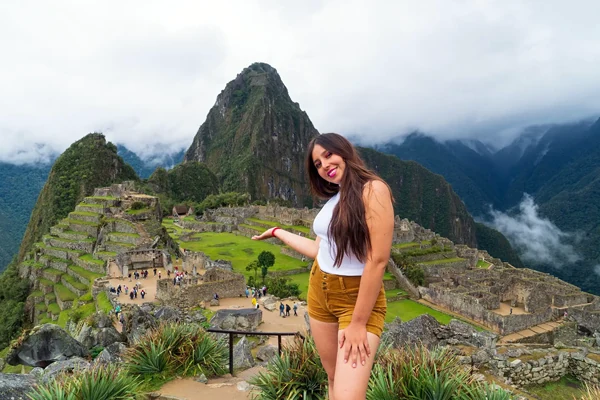
Machu Picchu
Machu Picchu is one of the most recognized wonders of Peru and one of the world’s best known archaeological sites. Built during the Inca period in the Andes, the site combines carefully constructed stone buildings, agricultural terraces, stairways, and water channels with a dramatic mountain setting. Its location between the Andes and the Amazon also contributes to the area’s remarkable biodiversity.
The site became one of the Seven Wonders of the Modern World in 2007 and is also recognized as a UNESCO World Heritage Site. Its importance comes not only from its appearance but also from what its architecture reveals about Inca engineering, planning, and the relationship between settlements and the surrounding landscape.
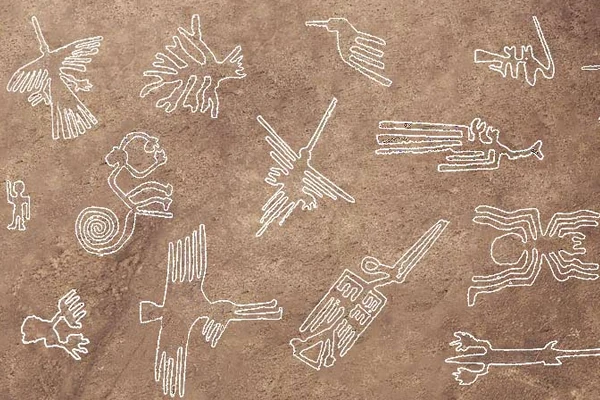
The Nazca Lines
The Nazca Lines are enormous geoglyphs drawn across the desert plains of southern Peru. Created by the Nazca culture and other ancient communities, the designs include geometric forms, animals, and human figures that are best understood from an elevated viewpoint. Their scale and precision have made them one of the most studied archaeological landscapes in Peru.
Their exact purpose continues to be discussed by researchers, which adds another layer to their historical importance. The Nazca and Palpa geoglyphs were inscribed on the UNESCO World Heritage List in 1994, recognizing their archaeological and cultural value.
Lake Titicaca
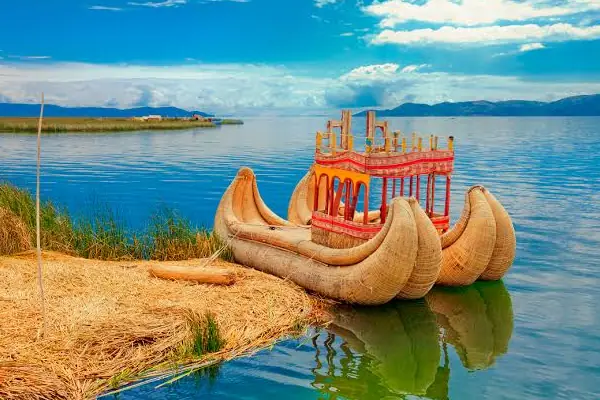
Lake Titicaca is one of the most distinctive natural wonders of Peru, located high in the Andes near the border with Bolivia. At about 3,812 meters above sea level, it is widely recognized as the highest navigable lake in the world. Its landscape includes large stretches of open water, islands, reed beds, and communities with long connections to the lake.
The lake is also important for its cultural heritage. The Uros people are associated with floating islands made from totora reeds, while other communities around the lake maintain agricultural, fishing, and craft traditions. Its combination of high altitude, natural scenery, and cultural history makes Lake Titicaca an important part of the wonders of Peru.
The Amazon rainforest
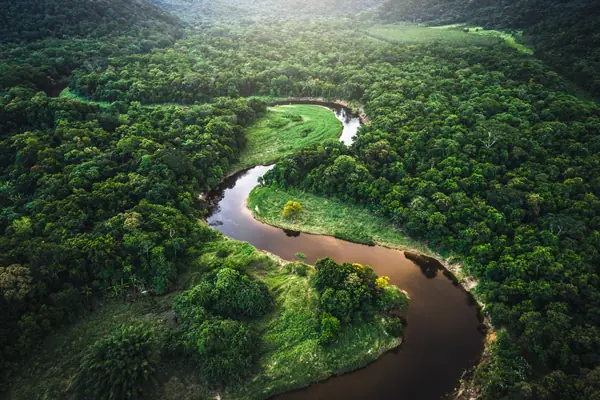
The Amazon rainforest represents another side of the wonders of Peru, with vast areas of tropical forest covering the eastern part of the country. Its rivers, wetlands, forests, and varied ecosystems support an enormous range of plant and animal species, making the Peruvian Amazon one of the country’s most important areas for biodiversity.
This region also demonstrates how different Peru can be from the high Andes and Pacific coast. National parks and protected areas in the Amazon help conserve important ecosystems and wildlife. Manú National Park, for example, is recognized by UNESCO as a natural World Heritage property because of its exceptional biodiversity.
Colca Canyon
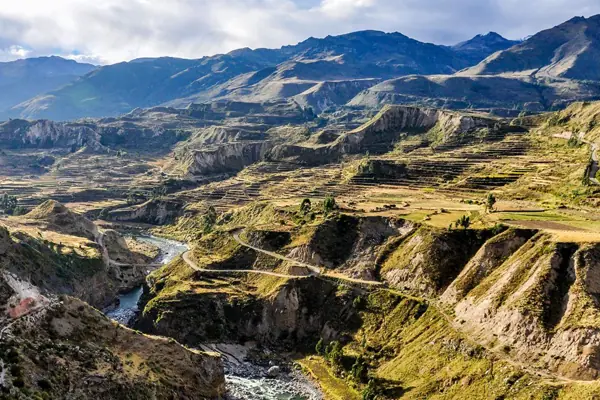
Colca Canyon is one of the most dramatic landscapes in southern Peru. Located in the Arequipa region, the canyon cuts deeply through the Andes and is known for its steep slopes, high viewpoints, agricultural terraces, and surrounding mountain scenery. The area is also associated with the Andean condor, which can often be seen flying through the canyon.
The landscape reflects the long relationship between Andean communities and their environment. Terraces built into the mountain slopes demonstrate how agriculture was adapted to challenging terrain, while the canyon itself illustrates the enormous variety found among the natural wonders of Peru.
You might be interested in: 10 birds in Peru that you must see

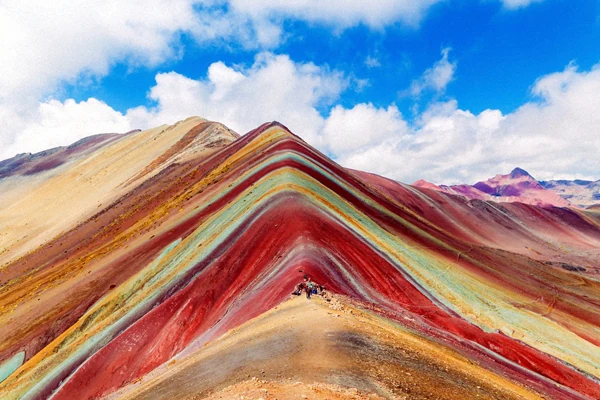
Rainbow Mountain
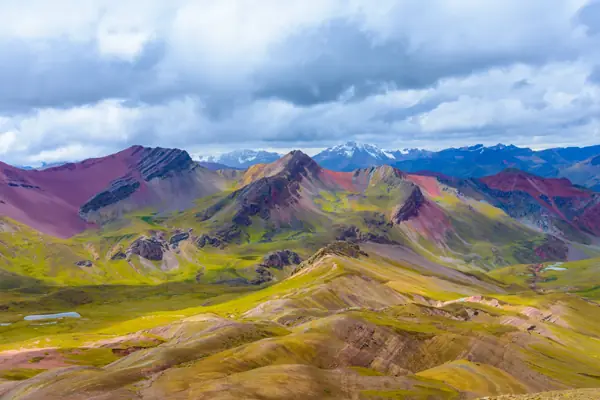
Rainbow Mountain, also known as Vinicunca, is a high altitude landscape in the Cusco region recognized for its bands of different colors across the mountain slopes. The colors result from mineral deposits and geological formations exposed at high elevation, creating a landscape that looks very different from the surrounding peaks.
At more than 5,000 meters above sea level, the mountain is also an example of the extreme environments found in the Peruvian Andes. Along with Machu Picchu and Lake Titicaca, Vinicunca has gained international attention for its distinctive scenery and place within the country’s diverse landscapes.
Huacachina Oasis
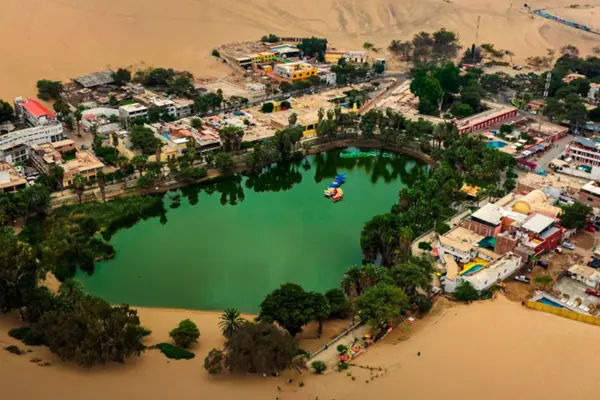
Huacachina is a small oasis surrounded by large sand dunes near the city of Ica. Its combination of desert landscapes, palm trees, and a lagoon creates one of the most unusual settings among the wonders of Peru. The oasis stands out because of the sharp contrast between the green vegetation around the lagoon and the dry desert that surrounds it.
The area also illustrates the diversity of Peru’s coastal geography. While the Andes and Amazon are often associated with the country’s natural scenery, the desert coast has its own distinctive landscapes. Huacachina is a particularly recognizable example of how varied Peru’s environments can be.
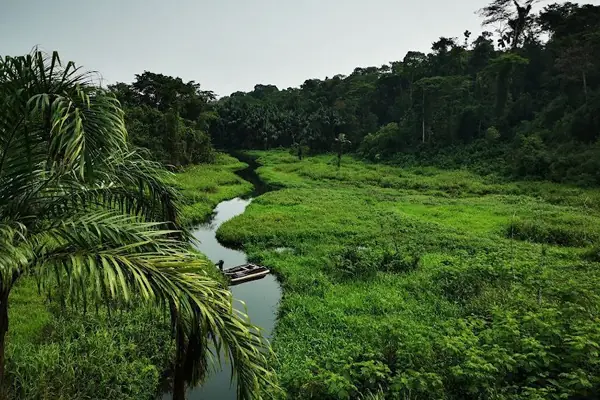
Manu National Park
Manu National Park protects an enormous area where the Andes meet the Amazon basin. This transition between mountain and tropical environments creates a wide range of habitats and supports an exceptional variety of wildlife. The park is one of the most important protected natural areas in Peru and is recognized as a UNESCO World Heritage Site.
Its importance goes beyond its size. Manu provides a valuable example of Peru’s biological diversity and the relationship between different ecosystems. For that reason, it represents an important natural counterpart to the archaeological wonders of Peru, showing that the country’s heritage is not limited to ancient structures.
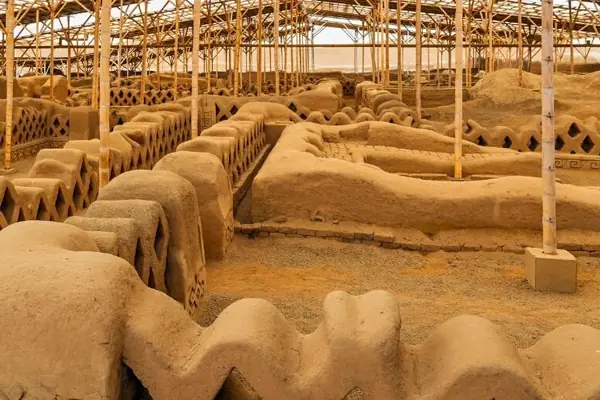
Chan Chan
Chan Chan was the capital of the Chimu civilization and developed along Peru’s northern coast before the rise of the Inca Empire. Built largely from adobe, the enormous archaeological complex contains plazas, ceremonial spaces, residences, walls, and decorative reliefs that reveal the organization of Chimu society.
The site is recognized by UNESCO as a World Heritage property and is considered an important example of pre Inca urban development. Chan Chan also broadens the meaning of the wonders of Peru, showing that the country’s archaeological heritage includes sophisticated societies that flourished long before the Incas.
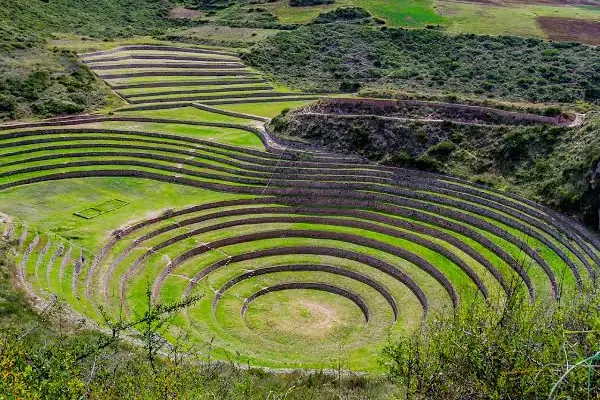
The Sacred Valley of the Incas
The Sacred Valley stretches through the Andes near Cusco and contains a series of towns, archaeological sites, agricultural terraces, and landscapes that were important to the Inca Empire. Its fertile valleys and proximity to Cusco made the region valuable for agriculture and settlement, while sites such as Pisac and Ollantaytambo reflect the engineering and planning of the Inca period.
The valley is also important because it shows how the Incas adapted their society to the mountainous environment. Terraces, roads, irrigation systems, and settlements were integrated into the landscape, making the Sacred Valley an important part of the historical wonders of Peru.
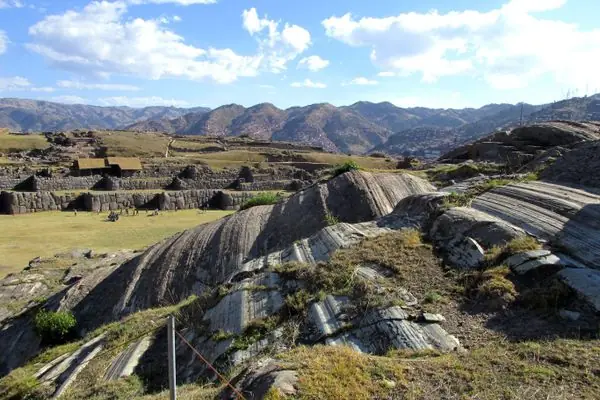
Natural wonders across Peru
Peru’s natural landscapes change significantly from one region to another, creating an impressive variety of ecosystems within the same country. The Amazon rainforest, the Andes, and the Pacific coast each have their own climate, geography, wildlife, and natural features.
These landscapes are an important part of the wonders of Peru because they show that the country’s heritage is not limited to archaeological sites. From tropical forests and high mountain ranges to coastal deserts, Peru contains environments that are closely connected to its geography and biodiversity.
The Amazon rainforest and its incredible biodiversity
The Peruvian Amazon covers a large part of the country and contains some of its most diverse ecosystems. Rivers, flooded forests, wetlands, and tropical forests provide habitats for thousands of species, including birds, mammals, reptiles, amphibians, fish, and countless plant species.
The Amazon is also home to several protected areas that help conserve these ecosystems. Places such as Manú National Park demonstrate the importance of the region within Peru’s natural heritage and make the rainforest one of the most significant natural wonders of Peru.
Some of the features that make the Peruvian Amazon particularly remarkable include:
- Thousands of plant species adapted to tropical environments
- Hundreds of bird species found across different forest habitats
- Rivers that form an essential part of the Amazon ecosystem
- Large populations of monkeys and other rainforest mammals
- Diverse amphibians and reptiles
- Flooded forests that change with seasonal water levels
- Protected areas dedicated to conserving biodiversity
- The meeting of Andean and Amazonian ecosystems
- Traditional knowledge held by Indigenous communities
- Forests that play an important role in global biodiversity
The Andes and their high altitude landscapes
The Andes form the geographical backbone of Peru and are responsible for many of the country’s most recognizable mountain landscapes. The range includes snow covered peaks, deep valleys, high plateaus, lakes, glaciers, and geological formations shaped over millions of years.
The mountains have also influenced human settlement, agriculture, transportation, and culture throughout Peruvian history. From the highlands around Cusco to the dramatic landscapes of southern Peru, the Andes contain several of the country’s most distinctive wonders of Peru.
Some of the most notable characteristics of the Peruvian Andes include:
- High altitude mountain ranges
- Snow covered peaks and glaciers
- Deep valleys shaped by rivers and erosion
- High altitude lakes such as Lake Titicaca
- Colorful geological formations such as Rainbow Mountain
- Ancient agricultural terraces built into mountain slopes
- Unique plants adapted to high altitude environments
- Wildlife such as vicuñas, llamas, alpacas, and Andean condors
- Communities with long standing Andean traditions
- Landscapes that change significantly with elevation
The Pacific coast and its desert scenery
Peru’s Pacific coast offers a very different landscape from the Amazon and Andes. Much of the coastline is characterized by dry desert environments, shaped by limited rainfall, ocean currents, and the presence of the Andes farther inland. Despite the arid conditions, the coast contains important ecosystems and distinctive natural formations.
The desert landscape also provides the setting for some of Peru’s most unusual places. The Nazca Lines were created across desert plains, while Huacachina sits around a small oasis surrounded by sand dunes. These contrasts make the Pacific coast an important part of the country’s natural wonders of Peru.
The Peruvian coast is characterized by several distinctive features:
- Extensive desert landscapes
- Large sand dunes in areas such as Ica
- Coastal cliffs and beaches
- The Pacific Ocean and its marine ecosystems
- The Humboldt Current and its influence on coastal conditions
- Marine wildlife including sea lions and seabirds
- Coastal valleys formed by rivers descending from the Andes
- Oasis landscapes such as Huacachina
- Desert plains containing ancient archaeological sites
- A strong contrast between extremely dry areas and fertile coastal valleys
You might be interested in: 10 fun facts about Peru you didn’t know
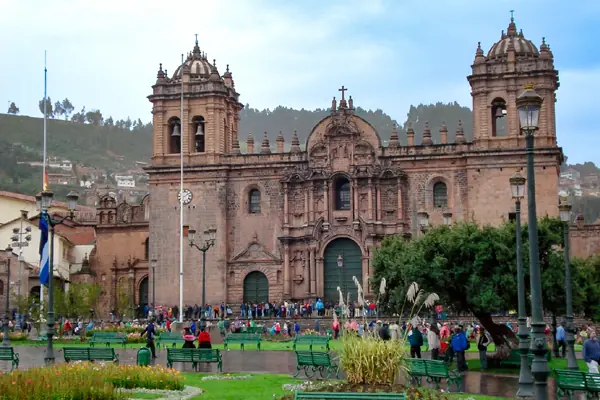
What makes Machu Picchu so remarkable?
Machu Picchu stands out among the wonders of Peru because of the way its architecture was integrated into a steep mountain environment. The site combines stone structures, agricultural terraces, stairways, and water systems with a landscape that remains one of the most recognizable in the Andes.
Its importance also goes beyond its visual setting. Machu Picchu provides evidence of Inca engineering, planning, agriculture, and knowledge of the surrounding environment. Studying the site offers a closer look at how the Inca civilization built and organized important settlements in challenging mountain terrain.
Its architecture and mountain setting
Machu Picchu was constructed using carefully fitted stonework that allowed many structures to withstand the difficult conditions of the Andes. The site includes temples, residences, plazas, terraces, stairways, and water channels, all arranged across a narrow mountain ridge.
The surrounding landscape was also an important part of the site’s design. Rather than treating the mountains as separate from the settlement, the Incas incorporated the natural terrain into their construction. This combination of architecture and geography is one of the main reasons Machu Picchu occupies such an important place among the wonders of Peru.
Machu Picchu and the Inca world
Machu Picchu provides valuable evidence about the organization of the Inca Empire and the relationship between its people and the Andean environment. Its agricultural terraces helped adapt the steep terrain for cultivation, while its water systems and carefully planned structures demonstrate practical knowledge of mountain construction.
The site also reflects the broader importance of the surrounding region during the Inca period. Roads connected Machu Picchu with other parts of the empire, while nearby valleys provided agricultural resources. Together, these elements help place Machu Picchu within the wider history of the Inca world rather than viewing it only as an isolated archaeological site.
Other wonders worth knowing about
The wonders of Peru extend well beyond the places that receive the most international attention. Across the country, there are archaeological sites, remote landscapes, ancient settlements, and natural environments that reveal different parts of Peru’s history and geography.
Looking beyond the most famous landmarks also provides a broader understanding of what makes Peru distinctive. Some places are connected to civilizations that existed before the Incas, while others highlight the country’s mountains, deserts, forests, and coastal environments.
Archaeological sites beyond the most famous landmarks
Peru has an extensive archaeological heritage that includes much more than Machu Picchu. Sites such as Caral, Kuelap, Sacsayhuaman, and the archaeological complexes of the Moche and Chimu cultures show the development of different societies across the country and their ability to adapt to very different environments.
These sites add important context to the wonders of Peru because they demonstrate that the country’s ancient history was shaped by many civilizations. Their architecture, agricultural systems, ceremonial spaces, and urban planning provide evidence of complex societies that developed long before or alongside the Inca Empire.
Landscapes found across Peru
The natural wonders of Peru can also be found far beyond the best known destinations. The country includes high mountain passes, deep canyons, tropical forests, coastal deserts, wetlands, lakes, and valleys, with each region offering different geological and ecological characteristics.
This variety is closely connected to Peru’s geography. The Andes divide the Pacific coast from the Amazon basin, creating significant changes in altitude, climate, and vegetation across relatively short distances. As a result, traveling through Peru can reveal landscapes that look completely different from one another while still belonging to the same country.
Peru’s natural and cultural wonders
The wonders of Peru bring together two elements that have shaped the country for thousands of years: its remarkable geography and its cultural heritage. Mountains, forests, deserts, and coastlines have influenced where people settled, how they farmed, and how different civilizations developed.
At the same time, archaeological sites and living traditions show how generations of communities interacted with these environments. From the engineering of the Incas to the biodiversity of the Amazon, Peru’s natural and cultural heritage offers many different ways to understand the country and its history.

