
Famous Peruvian singers come from a musical tradition shaped by the country’s different regions, cultures, and historical influences. From criollo and Afro Peruvian music to Andean traditions, Latin pop, and opera, Peruvian artists have developed careers that reflect the variety of sounds found throughout the country.
Some of these singers became important figures in Peru, while others reached audiences across Latin America, the United States, Europe, and beyond. Their careers also show how music can preserve cultural traditions while continuing to change across generations.
10 famous Peruvian singers you should know
Peru has produced famous Peruvian singers whose careers represent very different musical traditions, from criollo and Afro Peruvian music to contemporary Latin sounds and opera. Their work has helped preserve local traditions while also introducing Peruvian music to audiences outside the country.
The artists on this list belong to different generations and musical backgrounds, but they share an important connection with Peru’s cultural heritage. Some became known for preserving traditional styles, while others developed careers on international stages. Together, these famous Peruvian singers show the variety of voices that have emerged from the country.
You might be interested in: 10 top wonders of Peru
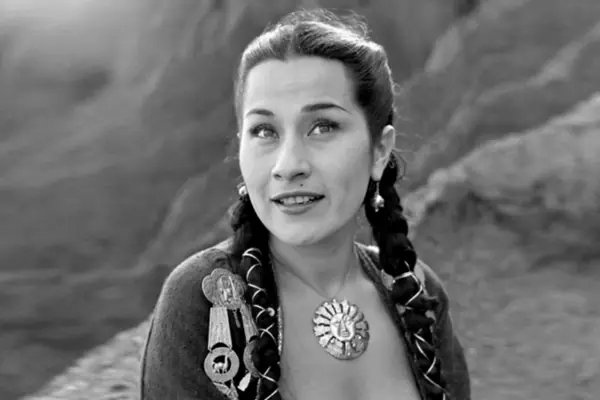
Yma Sumac
Yma Sumac was one of the most internationally recognized Peruvian singers of the twentieth century. Born Zoila Augusta Emperatriz Chávarri del Castillo, she adopted the stage name Yma Sumac and developed a distinctive career that took her beyond Peru. The Smithsonian’s National Museum of the American Indian preserves material documenting her performances in the United States.
Her voice and theatrical performances helped create a unique artistic identity that was strongly associated with Peru. Among the famous Peruvian singers of her generation, Yma Sumac stands out for the international reach of her career and the distinctive way she presented Peruvian inspired musical elements to audiences abroad.
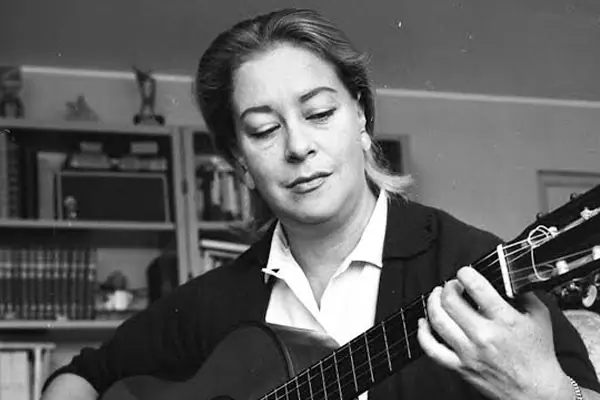
Chabuca Granda
Chabuca Granda is one of the most important names in Peruvian criollo music. As a singer and composer, she created songs that became closely associated with Lima and Peruvian culture. The Biblioteca Nacional del Perú preserves original scores of her work, including the famous song “La flor de la canela.”
Her importance goes beyond her recordings as a performer. Chabuca Granda’s compositions have been interpreted by generations of artists, helping keep her musical legacy present long after her death. Her name remains closely connected with the history of Peruvian music and with some of the country’s most influential famous Peruvian singers and composers.
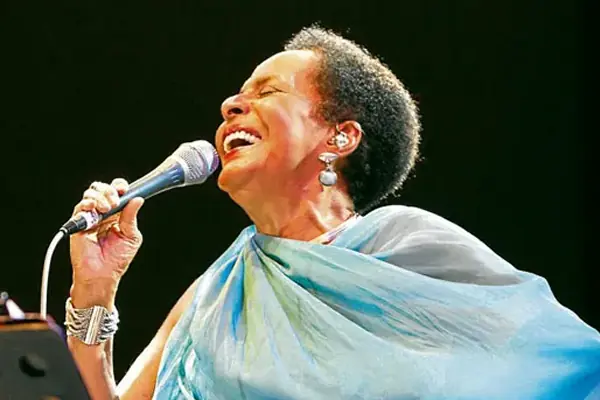
Susana Baca
Susana Baca has played an important role in bringing Afro Peruvian music to international audiences. Her career has focused strongly on researching, performing, and preserving musical traditions connected with Peru’s Black communities. The Latin Recording Academy recognized her long career with a 2025 Lifetime Achievement Award.
Baca has also received international recognition for her recordings, including Grammy nominations and a Latin Grammy win for A Capella. Her work demonstrates how traditional Peruvian music can reach audiences around the world while maintaining a strong connection with its cultural origins.
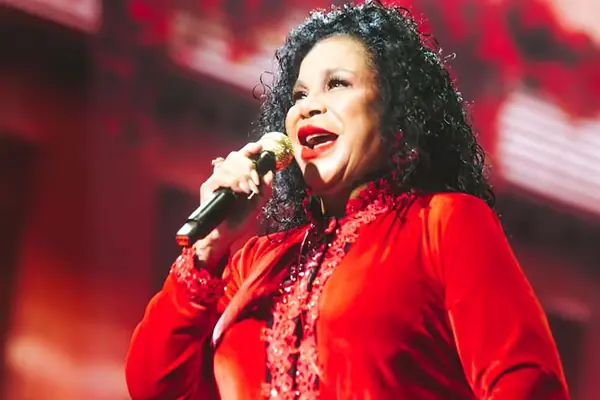
Eva Ayllón
Eva Ayllón is one of the best known contemporary interpreters of Peruvian criollo and Afro Peruvian music. Her career has been closely associated with traditional genres such as valses, festejo, and other musical forms rooted in Peru’s coastal culture.
Her work has helped bring these traditions to new generations while also introducing them to audiences outside Peru. Among the famous Peruvian singers associated with criollo music, Ayllón represents the continuation of a tradition that has evolved while maintaining strong links with Peru’s cultural history.
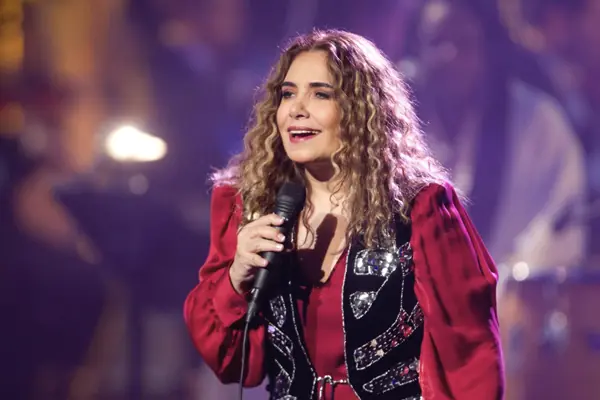
Tania Libertad
Tania Libertad began her career in Peru and later developed an international career that crossed several Latin American musical traditions. Her repertoire has included boleros, Latin American popular music, and songs connected with different cultural traditions across the region.
Her career demonstrates how Peruvian artists have often moved beyond a single musical genre. Tania Libertad is therefore an important name when discussing famous Peruvian singers who built audiences across Latin America and established a presence beyond their home country.
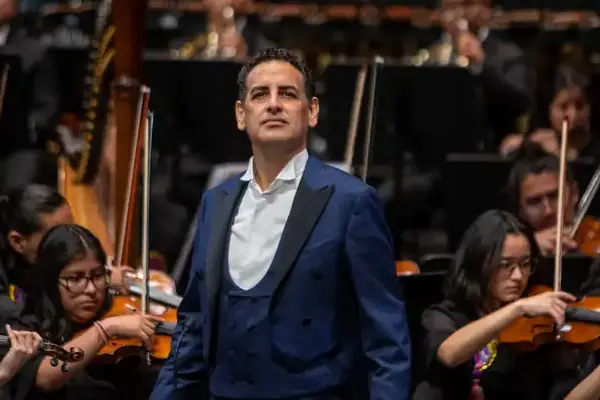
Juan Diego Flórez
Juan Diego Flórez represents another side of Peru’s musical heritage. Born in Lima, he became an internationally recognized tenor, particularly through his performances in opera and works from the bel canto tradition. His career has taken him to some of the world’s major opera houses and concert stages.
Unlike many famous Peruvian singers associated with popular or traditional music, Flórez built his reputation primarily in classical music. His international career demonstrates the range of musical talent that has emerged from Peru and the country’s presence within the global opera world.
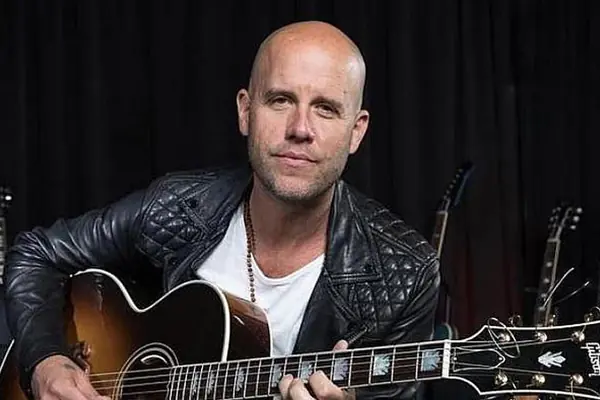
Gian Marco
Gian Marco is a Peruvian singer, songwriter, and musician whose career has focused largely on contemporary Latin pop. Born in Lima, he has released numerous albums and written songs performed by artists from across the Spanish speaking music industry.
His career represents a more modern chapter in the story of famous Peruvian singers. While his music differs considerably from criollo or Afro Peruvian traditions, his work has helped maintain a Peruvian presence within contemporary Latin music and songwriting.
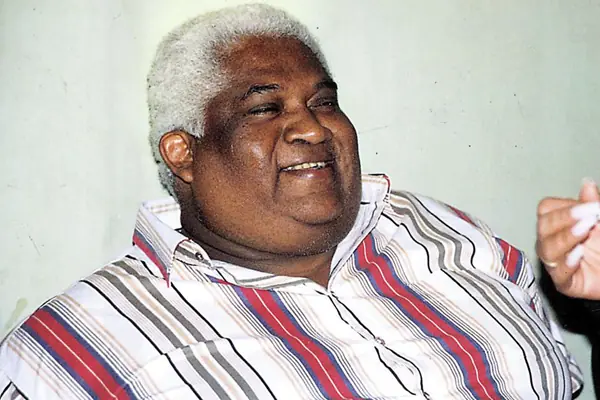
Arturo “Zambo” Cavero
Arturo “Zambo” Cavero was one of the most recognizable voices in Peruvian criollo music. His powerful interpretation style became closely associated with songs that celebrate Peruvian identity, including “Contigo Perú.” Sources from Peru’s cultural institutions describe him as an important figure in the country’s criollo musical tradition.
Cavero also worked with important musicians and composers throughout his career, helping strengthen the popularity of criollo music. His distinctive voice and performance style made him one of the most remembered famous Peruvian singers of the twentieth century and an important figure in the history of Peruvian popular music.
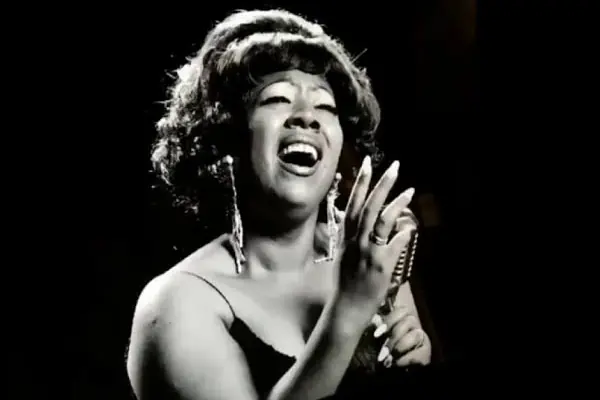
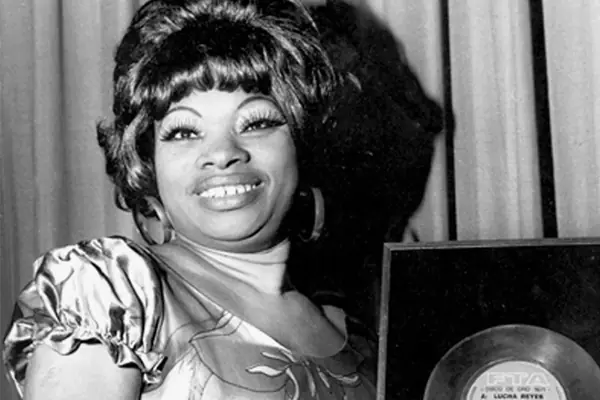
Lucha Reyes
Lucha Reyes became one of the most important voices in twentieth century Peruvian criollo music. Born in Lima in 1936, she developed her career through radio, stage performances, and recordings before becoming widely known as “La Morena de Oro del Perú.” The Biblioteca Nacional del Perú continues to recognize her contribution to the country’s musical heritage.
Her repertoire included valses criollos as well as boleros and other popular styles, and her highly expressive singing became an important part of her identity as a performer. Lucha Reyes remains one of the most remembered famous Peruvian singers, particularly within the history of Lima’s criollo music.
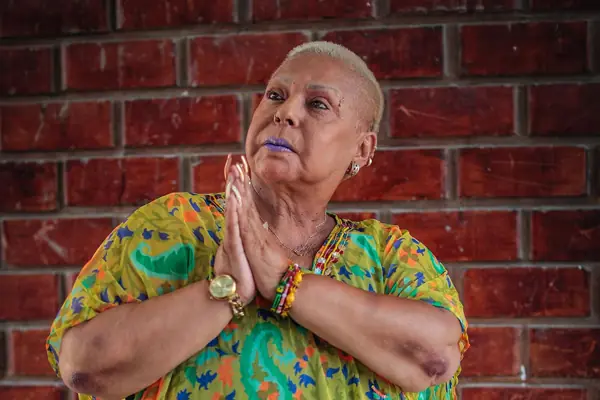
Lucía de la Cruz
Lucía de la Cruz is another prominent name in Peruvian criollo music, with a career spanning several decades. Her performances have helped maintain the presence of traditional coastal music within Peru’s contemporary cultural landscape.
Her career also illustrates how criollo music has continued to evolve through different generations of performers. Alongside artists such as Eva Ayllón, Lucha Reyes, and Arturo “Zambo” Cavero, she forms part of the group of famous Peruvian singers who have helped keep this musical tradition visible for new audiences.
Famous peruvian singers and the genres they represent
Peruvian music cannot be reduced to a single sound or tradition. The country has developed musical styles shaped by Indigenous, Spanish, African, and later international influences, with important differences between the coast, the Andes, and the Amazon. This variety can be seen clearly in the careers of many famous Peruvian singers.
The artists discussed above represent only part of this musical landscape. Some are strongly associated with criollo and Afro Peruvian traditions, while others have worked with Andean music, Latin pop, or classical opera. Their different careers show how Peruvian music has developed across generations without losing its connection to the country’s cultural history.
Peruvian criollo and Afro Peruvian music
Peruvian criollo and Afro Peruvian music includes some of the country’s most recognizable musical traditions, particularly those connected with the coastal regions. These genres have been represented by singers from different generations, with some focusing on preserving traditional forms while others have introduced them to new audiences.
- Chabuca Granda
- Eva Ayllón
- Susana Baca
- Arturo “Zambo” Cavero
- Lucha Reyes
- Lucía de la Cruz
- Óscar Avilés
- Cecilia Bracamonte
- Manuel Donayre
- Bartola
Andean music and traditional influences
Andean music includes a wide range of styles associated with the Peruvian highlands, including huayno and other regional traditions. Many performers have helped preserve these musical forms while adapting them for radio, recordings, concerts, and audiences beyond their original communities.
- Pastorita Huaracina
- Flor Pucarina
- Picaflor de los Andes
- Muñequita Sally
- Amanda Portales
- Princesita de Yungay
- Dúo Ayacucho
- Martina Portocarrero
- Eusebio Chato Grados
- William Luna
Pop, Latin music, and opera
Modern Peruvian music also includes artists working in pop, Latin music, songwriting, and classical opera. Their careers show how performers from Peru have worked within international genres while developing distinct musical identities of their own.
- Gian Marco
- Juan Diego Flórez
- Pedro Suárez Vértiz
- Miki González
- Jean Paul Strauss
- Anna Carina
- Nicole Pillman
- Daniela Darcourt
- Ezio Oliva
- Leslie Shaw
You might be interested in: Inca Calendar 2026: Solar Alignments at Machu Picchu
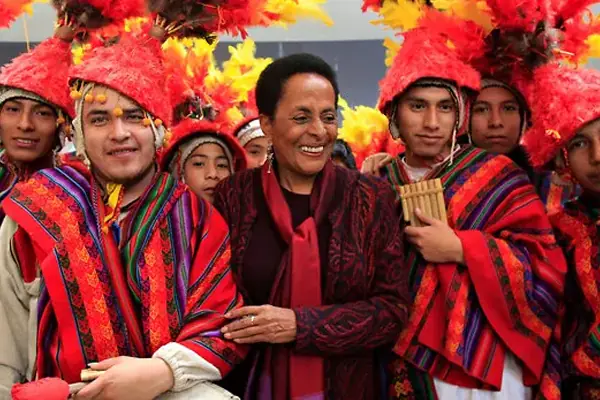
How Peruvian singers brought local music to international audiences
The international reach of Peruvian music has developed through recordings, concerts, cultural festivals, and collaborations with musicians from other countries. Some performers traveled abroad to present traditional Peruvian styles, while others incorporated those traditions into broader Latin American or international musical settings.
This process has helped audiences outside Peru become more familiar with the country’s musical heritage. The work of famous Peruvian singers such as Yma Sumac and Susana Baca illustrates two different generations in which Peruvian voices gained international attention while retaining clear connections to their cultural roots.
Artists who performed outside Peru
Several famous Peruvian singers have developed international careers or performed for audiences outside the country. Their international presence has taken different forms, from concerts and opera performances to cultural festivals and recordings, allowing Peruvian voices and musical traditions to reach audiences across Latin America, the United States, Europe, and other regions.
- Yma Sumac
- Susana Baca
- Juan Diego Flórez
- Tania Libertad
- Gian Marco
- Eva Ayllón
- Chabuca Granda
- Lucha Reyes
- Arturo “Zambo” Cavero
- Óscar Avilés
Peruvian music on international stages
Peruvian music has appeared internationally through concerts, cultural events, recordings, collaborations, and festivals. Some artists have presented traditional genres directly, while others have incorporated Peruvian influences into broader Latin American or international styles, helping create greater visibility for the country’s musical heritage.
- Yma Sumac
- Susana Baca
- Tania Libertad
- Juan Diego Flórez
- Eva Ayllón
- Gian Marco
- Chabuca Granda
- Óscar Avilés
- Arturo “Zambo” Cavero
- Lucha Reyes
The influence of peruvian singers on the country’s culture
Peruvian singers have played an important role in preserving and sharing musical traditions that developed across different regions of the country. Their recordings and performances have kept genres such as criollo, Afro Peruvian, and Andean music present across generations, while contemporary artists have added new influences to Peru’s musical landscape.
The work of famous Peruvian singers has also connected music with broader aspects of Peruvian culture. Songs can reflect regional traditions, local histories, celebrations, and ideas about identity, making singers important figures in the way cultural heritage is remembered and shared.
Famous peruvian singers who influenced other artists
The influence of Peruvian singers can be seen in the musicians who have continued performing traditional genres or incorporated earlier styles into their own work. Chabuca Granda’s compositions, for example, have been interpreted by numerous performers, while artists such as Susana Baca and Eva Ayllón have helped introduce Afro Peruvian and criollo traditions to newer audiences.
This musical legacy also crosses genres and generations. The influence of famous Peruvian singers is not limited to direct musical imitation. Their songs, vocal styles, compositions, and approaches to Peruvian traditions have provided references for artists working in popular music, Latin music, folk traditions, and other fields.
You might be interested in: 10 birds in Peru that you must see
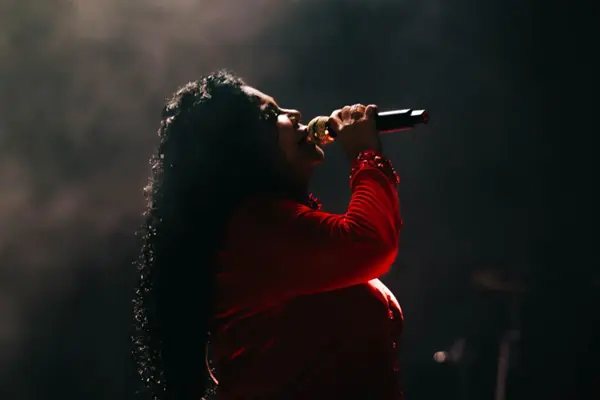
The lasting legacy of famous peruvian singers
The legacy of famous Peruvian singers can be heard in the continued popularity of traditional Peruvian music and in the work of newer generations of performers. Many songs associated with earlier artists remain part of the country’s musical repertoire, while contemporary musicians continue adapting traditional sounds for modern audiences.
Their contribution also extends beyond individual careers. By recording songs, performing abroad, collaborating with other musicians, and keeping regional traditions visible, Peruvian singers have helped preserve different parts of the country’s cultural heritage. Their music remains one of the ways Peru’s diverse history and identity are passed from one generation to the next.

