
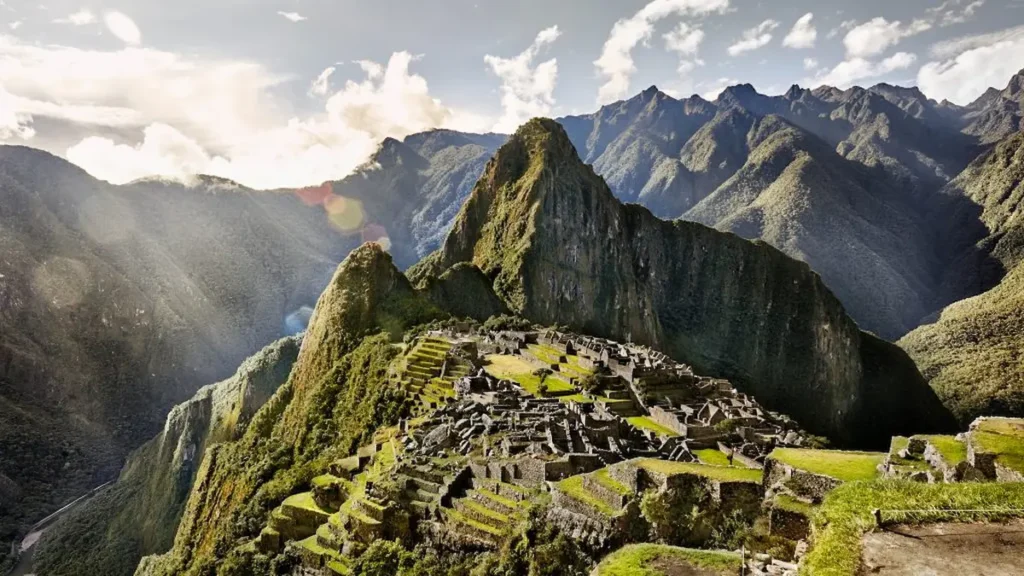
Every year, millions of people around the world remember the moment Machu Picchu was officially recognized as one of the Seven Wonders of the Modern World. This title, obtained on July 7, 2007, not only gave the Inca citadel global recognition, but also reinforced something Peruvians have always known: that Machu Picchu is the true Pride of Peru, a historical, cultural, and spiritual jewel that represents the grandeur of the Andean past.
In this blog, we celebrate its anniversary not only with figures and recognitions, but with an in-depth exploration of its legacy, its connection to sacred routes like the Inca Trail, the festivities that frame its surroundings, and the unique experiences every visitor can have while exploring the heart of the Andean world.
A Wonder among Mountains: What Makes Machu Picchu Unique?
Located high in the Peruvian Andes, Machu Picchu not only impresses with its ancient architecture and its command of the landscape, but also with the aura of mystery and awe that can still be felt when walking within its stone walls.
Built in the 15th century during the reign of Pachacútec, this citadel was likely a ceremonial, astronomical, and recreational center for the Inca elite. Its agricultural terraces, hydraulic canals, temples, and plazas are so perfectly integrated into the natural environment that they continue to amaze archaeologists, engineers, and visitors.
But beyond its beauty, Machu Picchu symbolizes the resilience and continuity of Andean culture. It was never discovered by the conquistadors, and although it remained “hidden” for centuries, today it stands as one of Peru’s strongest symbols in the world.
You may also like: Exploring Peruvian Amazon Tribes

Pride of Peru: The Living Legacy of the Incas
To speak of Machu Picchu is to speak of the living heritage of Peru’s indigenous peoples. It represents ancestral wisdom, respect for nature, and the collective spirit of a civilization that flourished without the need for writing, money, or wheels.
That pride of Peru is renewed every time a foreign visitor reaches the summit of the mountain and is left speechless by such a work of art. It is also felt by every Peruvian who, from childhood, learns about their roots and values this symbol as part of their cultural identity.
On each anniversary of its designation as a Wonder of the World, commemorative activities, exhibitions, cultural festivals, and spiritual ceremonies are organized to reaffirm its importance and project its message to the world.
The Inca Trail: The Sacred Route to Machu Picchu
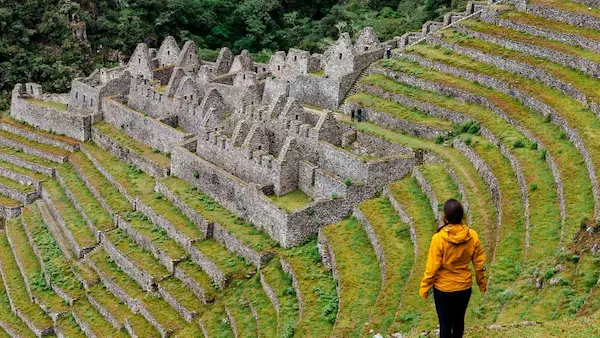
One of the most authentic and exciting ways to reach the citadel is through the ancient Inca trail trek. This multi-day trek follows the original footsteps of the Incas, crossing cloud forests, valleys, and mountain passes, culminating in entering Machu Picchu through the iconic Sun Gate.
The trail not only tests physical endurance but also connects travelers with a profound spiritual experience. Along the way, travelers visit archaeological sites such as Llactapata, Sayacmarca, and Phuyupatamarca, many of which are inaccessible by other means.
The Inca Trail trek is a transformative experience, ideal for those who wish to understand Machu Picchu not only as a tourist destination, but also as part of an ancestral worldview that still breathes in every stone.
Cusco in June: Andean Tradition and Spirituality
Visiting Machu Picchu during the month of June has an added value: it is when the most intense festive calendar in the region is experienced. The Cusco festival June is not just a series of events; it is a celebration of the Andean soul.
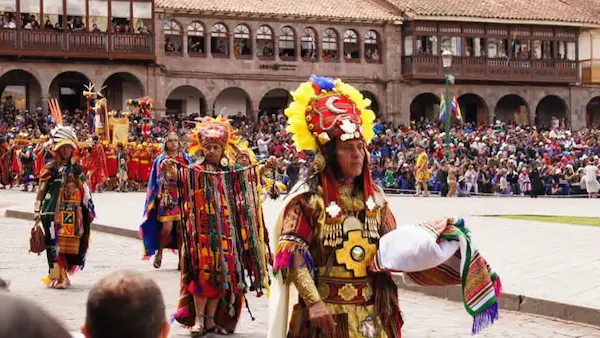
During this month, Cusco comes alive with religious processions, folk music, ancestral dances, and cultural fairs. The most anticipated event is Inti Raymi, the Festival of the Sun, held every June 24th on the Sacsayhuamán esplanade. This ceremony revives the rituals the Incas dedicated to the sun god, with traditional attire and large-scale theatrical performances.
Participating in the Cusco June Festival allows travelers to experience the vibrant energy of a culture that has not disappeared, but has adapted and endured through its customs and celebrations.
During the Cusco June festival, the city is filled with color, music, and tradition. Highlights include Inti Raymi, an ancient celebration of the sun that revives Inca splendor in every corner.
You may also like: Discovering ancient Peru: Treks, temples, and timeless routes
A country that offers much more: culture, adventure, and hospitality
Although Machu Picchu is Peru’s most recognized icon, the country is full of wonders that enrich any itinerary. From the Nazca Lines on the coast to the Gocta Waterfalls in the north, passing through Lake Titicaca, Arequipa, the Amazon, and the gastronomy of Lima, Peru has it all.
Therefore, if you are planning a trip to this magical destination, having a reliable and specialized Peru tour operator can make a huge difference. They will help you coordinate routes, tickets, transportation, and accommodations, allowing you to seamlessly enjoy everything the country has to offer.
A local operator not only knows the routes, but also the secrets that make each experience unique: hidden markets, little-known viewpoints, open-hearted communities, and dishes not listed in guidebooks.
Machu Picchu: A Destination That Transcends Time
Whether you arrive by hiking the Inca Trail, by train from Ollantaytambo, or as part of a larger excursion, standing before Machu Picchu generates a feeling that is difficult to describe. Some cry, some remain silent for a long time, and others feel they have reached the center of the world.
It is a place that invites reflection, gratitude, and reconnection with what is essential. Despite the thousands of daily visitors, the citadel maintains its magnetism intact. Perhaps it is because of its location among sacred mountains, the mist that envelops it at dawn, or the history that breathes from every corner.
And on its anniversary as a Wonder of the World, Machu Picchu reminds us that the true heritage of humanity is not only its monuments, but the stories, knowledge, and values they convey.
How to Experience Machu Picchu Consciously and Meaningfully
Traveling to Machu Picchu is a transformative experience, but it’s also an opportunity to practice more respectful and meaningful tourism. In recent years, thousands of travelers have chosen to connect with the environment not only as tourists, but as visitors conscious of the site’s spiritual and ecological value.
This begins with small decisions, hiring local guides, learning about the Andean worldview before the trip, respecting ceremonial spaces, and avoiding leaving trash. Machu Picchu is not just an attraction; it is a sacred space for many communities in Peru, and visiting it also implies an act of respect for its living history.
You can also consider extending your experience to other parts of the Sacred Valley, interacting with Quechua communities, tasting their local cuisine, or participating in sustainable activities. These gestures amplify the connection with the land and transform the trip into an authentic cultural exchange.
Experiencing Machu Picchu consciously doesn’t mean giving up on adventure, but rather elevating it to another level: one where every step becomes a learning experience, and every landscape a mirror of the grandeur of nature and humanity.
Machu Picchu: A Transforming Destination
Visiting Machu Picchu isn’t just a journey, it’s a transformation. Whether you’re looking for history, spiritual connection, or simply adventure, what you’ll find there will be so much more. It’s a place that changes your perspective, invites you to reflect on the past and present, and leaves a profound impression on those who visit it.
Celebrating its anniversary as a Wonder of the World also means celebrating the value of preserving our roots, our cultures, and our landscapes. And that, in Peru, is something experienced with pride, respect, and emotion.
You may also like: National Holidays in Peru
Tips for Visiting Machu Picchu on its Anniversary
- Book in Advance: July is peak season, so it is key to book your tickets and trains weeks (or months) in advance.
- Adapt your body to the altitude: Spend a few days in Cusco or the Sacred Valley before climbing Machu Picchu to acclimatize.
- Wear light, weather-resistant clothing: Although it’s the dry season, there may be sporadic rain and sudden temperature changes.
- Enjoy the full environment: Don’t limit yourself to the classic photo. Explore the site calmly, hire a guide, climb Huayna Picchu if possible, and explore alternative routes.
- Respect the local rules and spirituality: Remember that you are on a sacred site for many communities. Walk with respect and avoid leaving trash.
A celebration of the Andean spirit
Machu Picchu is much more than a postcard or a travel destination. It is a symbol of resilience, wisdom, and spiritual connection. Its anniversary as a Wonder of the World is a perfect opportunity to rediscover the Pride of Peru, not only through its stones and paths, but also in its people, its rituals, its mountains, and in the hearts of those who visit it with admiration.
Trekking the Inca Trail, experiencing the Cusco June Festival, or planning your adventure with a reliable Peru tour operator aren’t just tourist activities: they’re ways to get closer to an ancient culture that lives on. And Machu Picchu, from the heights of the Andes, awaits to remind you of this.

