
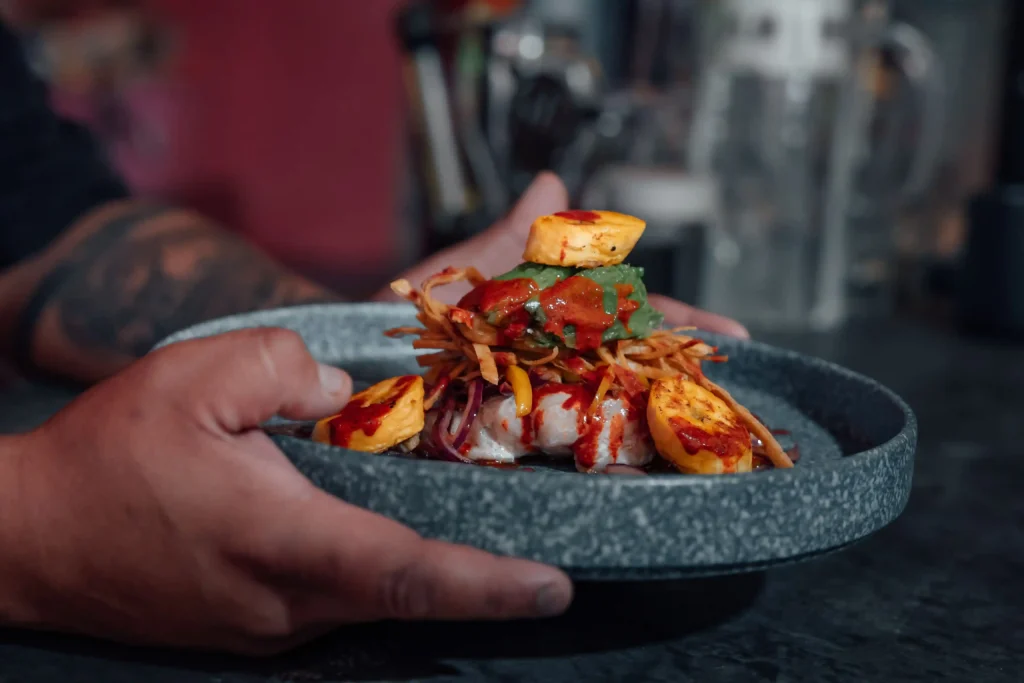
Peru isn’t just a destination for history lovers and mountain trekkers it’s one of the most exciting food destinations in the world. From Michelin-recognized kitchens in Lima to humble street stalls in Cusco, Peruvian cuisine tells the story of a country shaped by Andean roots, coastal abundance, Amazonian ingredients, and centuries of migration from Spain, Africa, China, and Japan. This Peruvian food guide takes you through the dishes, drinks, and street bites every traveler should try at least once because in Peru, eating well isn’t optional, it’s part of the adventure.
You might be interested in : Papas peruanas: Guía completa 2026
Iconic Peruvian Dishes You Can’t Leave the Country Without Trying
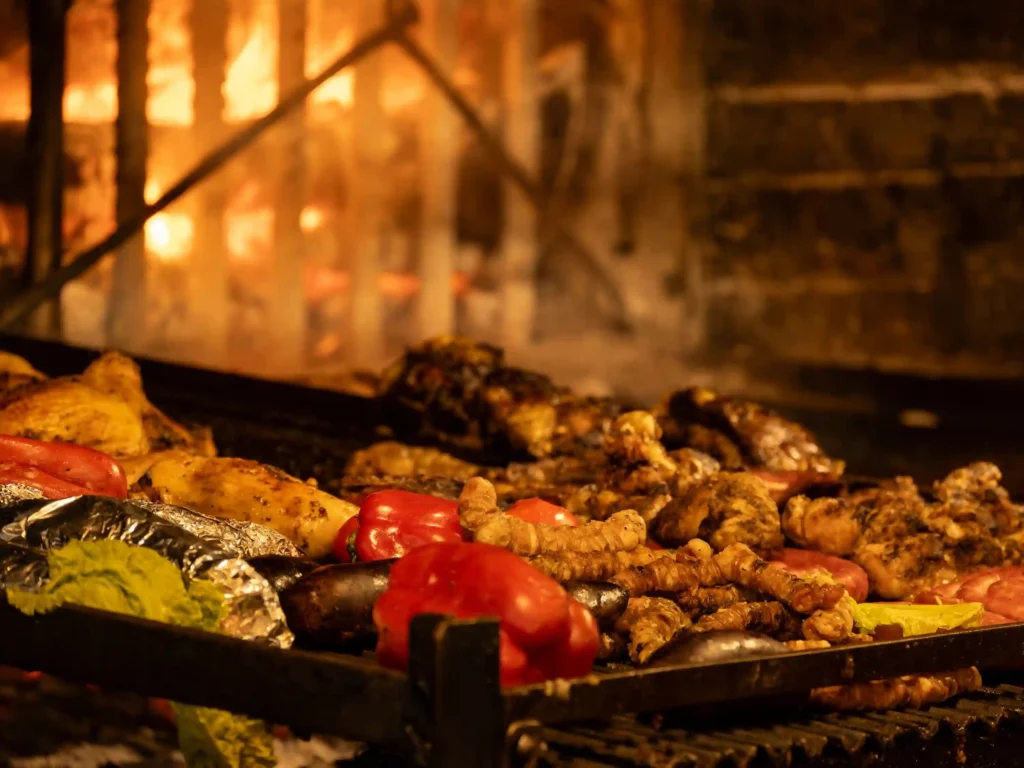
Peru’s national dishes are the ones locals argue about proudly and travelers can’t stop talking about once they’re home. These are the recipes that show up on every best of list, served in everything from tiny family kitchens to award-winning restaurants in Lima, yet they never lose the homemade feel that makes Peruvian food so beloved. Getting to know these three dishes first will give you a solid foundation for everything else on this list.
Ceviche: Peru’s Signature Dish
Ceviche is Peru’s most famous export to the culinary world, and for good reason. Fresh raw fish is cooked in freshly squeezed lime juice, then mixed with red onion, cilantro, and ají limo (a native Peruvian chili) for heat. It’s traditionally served with boiled sweet potato, choclo (Peruvian corn with large kernels), and toasted corn nuts called cancha. Ceviche is so central to national identity that Peru celebrates National Ceviche Day every June 28th, and it’s officially recognized as part of the country’s cultural heritage.
Lomo Saltado: Peruvian-Chinese Fusion at Its Best
Lomo saltado is the best-known dish from chifa cuisine, the fusion born when Cantonese immigrants arrived in Peru in the 19th century and blended their cooking techniques with local ingredients. Strips of beef are stir fried at high heat with onions, tomatoes, and soy sauce, then served over french fries and alongside white rice a dish that captures Peru’s talent for merging cultures on a single plate.
Ají de Gallina: Peru’s Creamy Comfort Food
This is Peruvian comfort food at its finest: shredded chicken bathed in a creamy, golden sauce made from ají amarillo (yellow Peruvian chili), walnuts or pecans, cheese, and bread soaked in milk. It’s served over rice, garnished with hard-boiled egg and black olives. The dish is mild in spice but rich in flavor, making it a safe and delicious entry point for travelers who are new to Peruvian food.
You might be interested in: Métodos agrícolas incas: una guía para la agricultura andina antigua.
Peruvian Street Food and Regional Specialties Worth Chasing Down
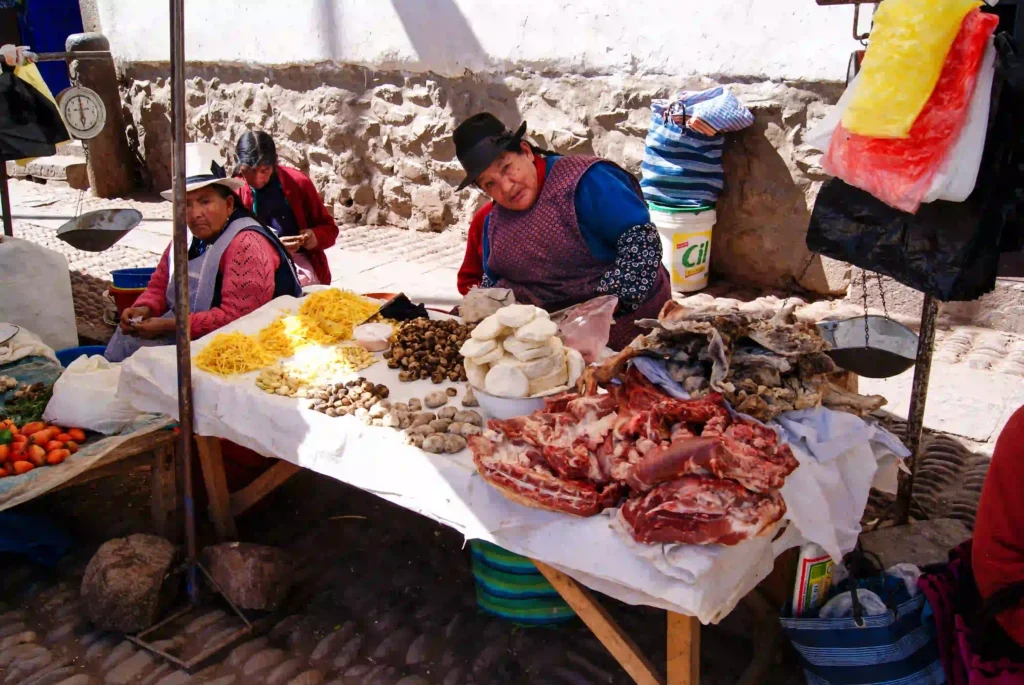
Some of the best meals in Peru don’t come from restaurants at all they come from carts, stalls, and family run stands. Walking through a market or a busy street corner at dusk often reveals more about Peruvian cooking than any menu can, since each region has developed its own specialties based on what grows nearby, from the coast to the highlands to the jungle. Many travelers exploring the country with a Peru tour operator like Quechuas Expeditions discover that tasting local street food and visiting traditional markets are among the most authentic experiences of their journey. Trying these dishes is also one of the most affordable ways to eat well while traveling through the country.
Anticuchos and Papa Rellena: Lima’s Street Food Classics
Anticuchos are skewers of marinated and grilled beef heart, a dish with roots in both Andean and Afro Peruvian culinary traditions, usually sold on street corners in the evening. Alongside them, you’ll find papa rellena: a mashed potato ball stuffed with a savory filling of ground beef, onions, olives, raisins, and hard-boiled egg, then deep-fried until golden. Both are cheap, filling, and deeply tied to everyday Peruvian life.
Cuy: The Andean Delicacy Every Traveler Talks About
Cuy, or guinea pig, has been part of Andean diets since long before the Inca Empire and remains an important dish for celebrations in the highlands around Cusco and the Sacred Valley. It’s typically roasted whole or deep fried (cuy chactado) and served with potatoes and corn. It’s not for every palate, but for adventurous travelers, trying cuy is considered a rite of passage in the Andes.
Juane: A Taste of the Peruvian Amazon
Head into the jungle region around Iquitos and you’ll find juane, a dish of rice mixed with chicken, olives, and hard boiled egg, wrapped in bijao leaves and steamed. It’s traditionally prepared for the Feast of San Juan in June, but you’ll find it year-round as a symbol of Amazonian cuisine, distinct from anything found on the coast or in the highlands.
You might be interested in : 15 razones para visitar Perú en 2026
Sweet Endings: Peruvian Desserts You Need to Try
Peruvian desserts tend to fly under the radar compared to dishes like ceviche or lomo saltado, but they deserve just as much attention. Many of them blend indigenous ingredients like corn and sweet potato with techniques introduced during the colonial era, resulting in flavors and textures that are hard to find outside the country. Save room for these after any meal in Lima or Cusco.
Picarones and Suspiro a la Limeña
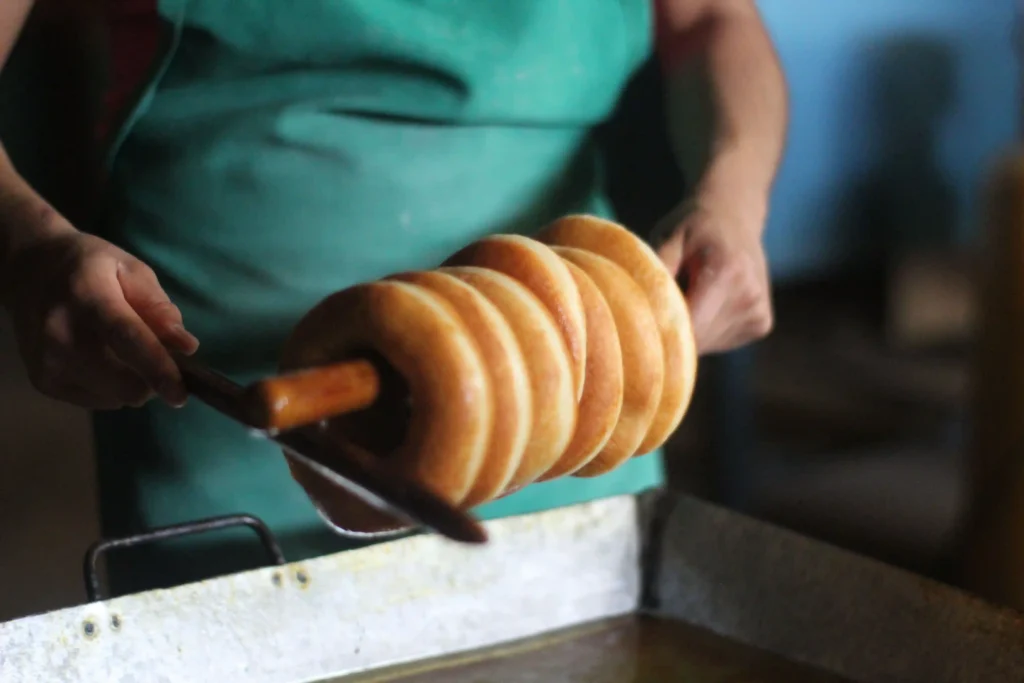
Picarones are Peru’s answer to doughnuts: rings of fried dough made from sweet potato and squash, drizzled with chancaca, a warm syrup made from unrefined cane sugar. Suspiro a la limeña, on the other hand, is pure Lima elegance a layer of manjar blanco (a Peruvian version of dulce de leche) topped with a delicate port wine meringue.
Mazamorra Morada: Peru’s Purple Corn Dessert
Made from purple corn simmered with cinnamon, cloves, and dried fruits like apricots and prunes, mazamorra morada is thickened into a pudding-like dessert. It’s often served alongside rice pudding for a dish locals call combinado, and it’s one of the most visually striking desserts in Peruvian cuisine thanks to its deep purple color
You might be interested in: 20 increíbles excursiones de un día desde Cusco para quienes visitan la ciudad por primera vez.
What to Drink in Peru: Pisco Sour and Other Traditional Beverages
A meal in Peru rarely feels complete without something to drink alongside it, and the country’s beverages are just as tied to its identity as its food. Some are centuries old and rooted in Andean ritual, while others were invented in Lima bars less than a hundred years ago, yet all of them have earned a permanent place at the Peruvian table.
Pisco Sour: Peru’s National Cocktail
No Peruvian food guide is complete without pisco sour. Made from pisco (a grape brandy), fresh lime juice, simple syrup, egg white, and a dash of Angostura bitters, the cocktail was created in Lima in the 1920s and has since become the country’s national drink. Peru and Chile both claim pisco as part of their heritage, but in Peru, the drink is treated as a point of national pride, with its own official holiday every February.
Chicha Morada and Chicha de Jora
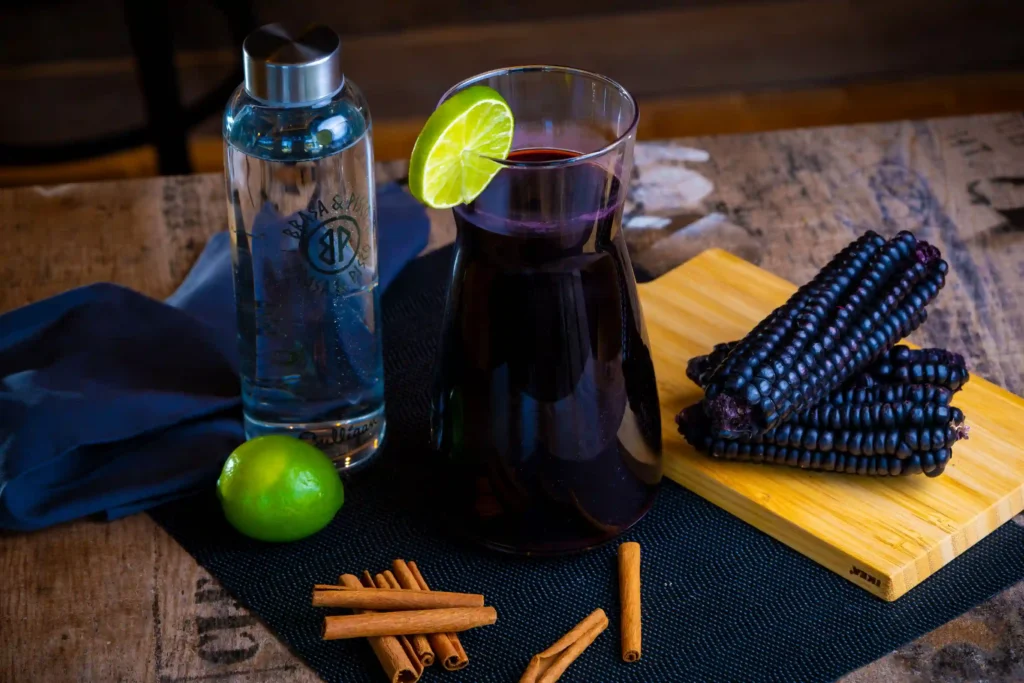
Chicha morada is a non-alcoholic drink made by boiling purple corn with pineapple, cinnamon, and cloves, then sweetening it with sugar and a splash of lime. It’s refreshing, kid friendly, and found everywhere from street stalls to fine restaurants. Its ancestral cousin, chicha de jora, is a fermented corn beer dating back to Inca times, still made in rural Andean communities and traditionally offered to Pachamama (Mother Earth) before drinking.
Practical Tips for Enjoying Peruvian Food as a Traveler
Knowing what to eat in Peru is only half the equation knowing how to eat it comfortably as a first-time visitor makes the experience even better. A few simple habits can help you enjoy everything this Peruvian food guide covers without any unnecessary surprises along the way.
Where to Eat: Markets, Picanterías, and Fine Dining
For an authentic experience, start at local markets like San Pedro in Cusco or Surquillo in Lima, where you can try fresh juices, ceviche, and anticuchos alongside locals doing their daily shopping. Picanterías are traditional, family run restaurants that specialize in regional home cooking, while cities like Lima now host some of the most celebrated fine-dining restaurants in Latin America.
If you’d rather have the logistics handled while you focus on eating your way through the country, working with an experienced makes it easy to combine local markets, cooking experiences, and cultural visits into a single well organized itinerary. Food and travel go hand in hand in Peru, especially once you head into the mountains trekkers on the Inca Trail are often surprised by how good camp meals can be, and options like the Luxury Inca Trail Glamping take that experience even further with gourmet dining alongside comfortable camping. If you’re planning ahead, Inca Trail 2027 are already open for booking, so it’s worth reserving your spot early if a trekking-and-food itinerary is on your list.
Spice Levels, Hygiene, and Dietary Considerations
Contrary to what some travelers expect, most traditional Peruvian dishes aren’t extremely spicy heat is usually added separately through ají sauces served on the side, so you can control the intensity yourself. When trying street food, look for stalls with high turnover and visible cleanliness, as freshness matters most with dishes like ceviche. Vegetarian and vegan travelers will find it easier in larger cities, where quinoa, native potatoes, and Andean grains offer plenty of plant-based options, though rural areas may have more limited choices.
Frequently Asked Questions About Peruvian Cuisine
What is Peru’s most famous dish? Ceviche is widely considered Peru’s signature dish and is recognized internationally as one of the country’s biggest culinary exports.
Is Peruvian food spicy? Most dishes are flavorful rather than intensely spicy, with chili sauces typically served on the side so diners can adjust the heat themselves.
What should vegetarians eat in Peru? Dishes built around potatoes, quinoa, corn, and Andean vegetables are widely available, especially in cities like Lima and Cusco.

