
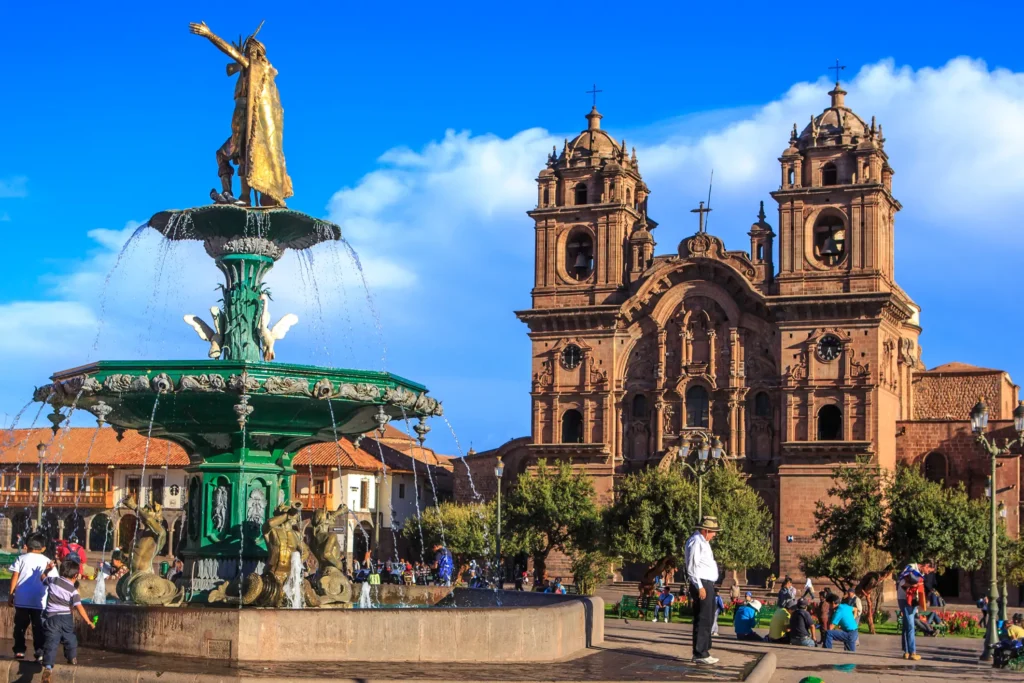
Cusco is much more than the gateway to Machu Picchu. As the former capital of the Inca Empire, the city is surrounded by breathtaking landscapes, ancient archaeological sites, colorful mountain ranges, traditional Andean villages, and some of the most iconic attractions in Peru. Whether you are interested in history, culture, adventure, or nature, there are countless opportunities to explore beyond the city center.
Before planning your itinerary, remember that Cusco sits at an altitude of approximately 3,400 meters (11,150 feet). Taking time to acclimatize, staying hydrated, and planning activities according to your fitness level can help ensure a more enjoyable experience.
Day trips from Cusco for first-time visitors
If you’re looking for unforgettable adventures, authentic cultural encounters, and spectacular mountain scenery, these destinations deserve a place on your travel list.
You might be interested in: Salkantay trek tour operators for 2026
1. Machu Picchu
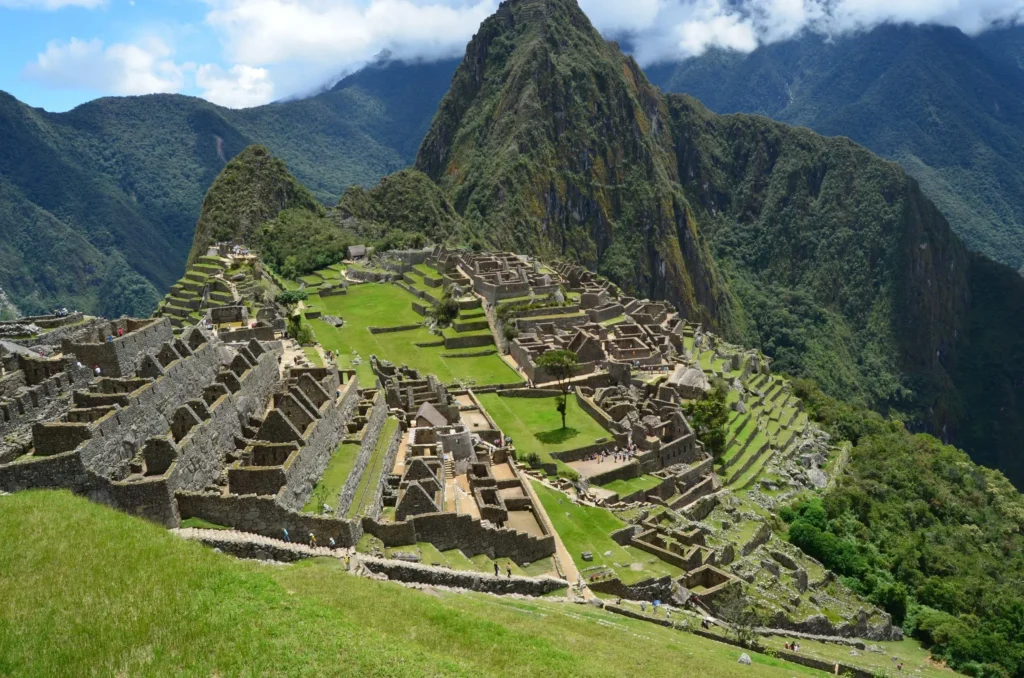
No list of day trips from Cusco would be complete without Machu Picchu, Peru’s most famous archaeological site and one of the New Seven Wonders of the World. Built during the 15th century by the Incas, this remarkable citadel sits high above the Sacred Valley and continues to captivate travelers from around the globe.
Although many visitors choose overnight itineraries, it is possible to visit Machu Picchu in a single day from Cusco. When planning the best day trips from Cusco, this option is one of the most popular and iconic experiences in the entire region. Most tours begin early in the morning with transportation to the train station, followed by a scenic rail journey through the Andes and along the Urubamba River.
Many travelers choose professionally organized Machu Picchu tours to simplify transportation, entrance tickets, and guiding services. For those seeking a more immersive experience, combining the visit with an Inca Trail Trek can provide a deeper connection to the region’s history.
2. Sacred Valley of the Incas
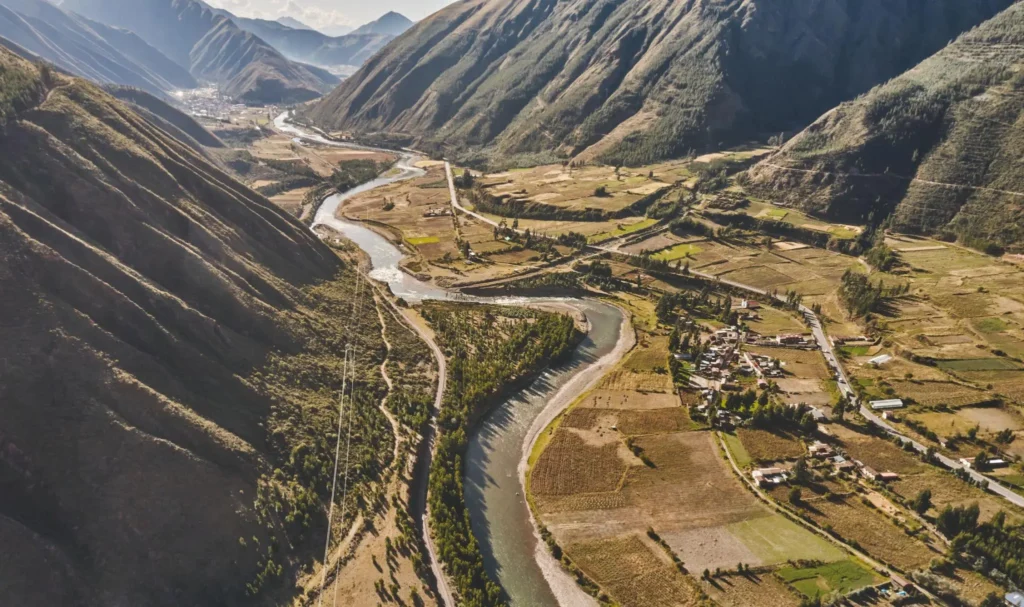
The Sacred Valley is one of the most fascinating destinations near Cusco and an essential stop for travelers interested in Inca history, traditional Andean culture, and spectacular mountain landscapes. Stretching between Cusco and Machu Picchu, the valley was once an important agricultural and political center of the Inca Empire.
A typical day trip includes visits to several key locations such as Pisac, Ollantaytambo, Chinchero, and local artisan markets. When exploring the best day trips from Cusco, this route is one of the most complete ways to experience Inca history and living Andean culture in a single day. Along the way, travelers can admire impressive agricultural terraces, ancient stone structures, and picturesque villages that preserve centuries-old traditions.
Many visitors choose organized Cusco day tours to explore multiple attractions efficiently while learning about the region’s history from local guides. For first-time visitors, the Sacred Valley offers the perfect combination of culture, archaeology, and natural beauty.
3. Rainbow Mountain (Vinicunca)
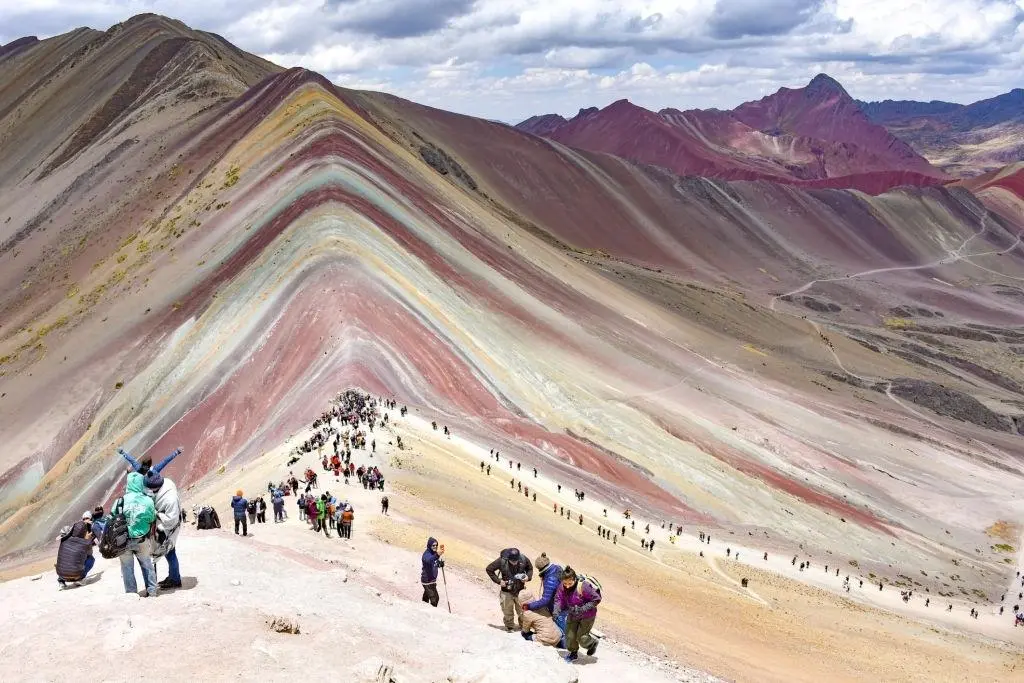
Rainbow Mountain, locally known as Vinicunca, has become one of Peru’s most visited natural attractions in recent years. Famous for its colorful mineral-striped slopes, the mountain attracts thousands of travelers looking to experience one of the most unique landscapes in the Andes.
Located several hours from Cusco, the excursion typically begins before sunrise. For travelers planning the best day trips from Cusco, this type of high-altitude adventure is one of the most memorable ways to experience the Andes. After transportation to the trailhead, visitors complete a hike through high-altitude terrain surrounded by snow-capped peaks, grazing alpacas, and traditional Andean communities.
The vibrant colors of Rainbow Mountain are the result of different mineral deposits that have been exposed over time through geological processes. Shades of red, yellow, turquoise, green, and orange create a striking visual effect that has made the destination popular among photographers and outdoor enthusiasts.
4. Humantay Lake
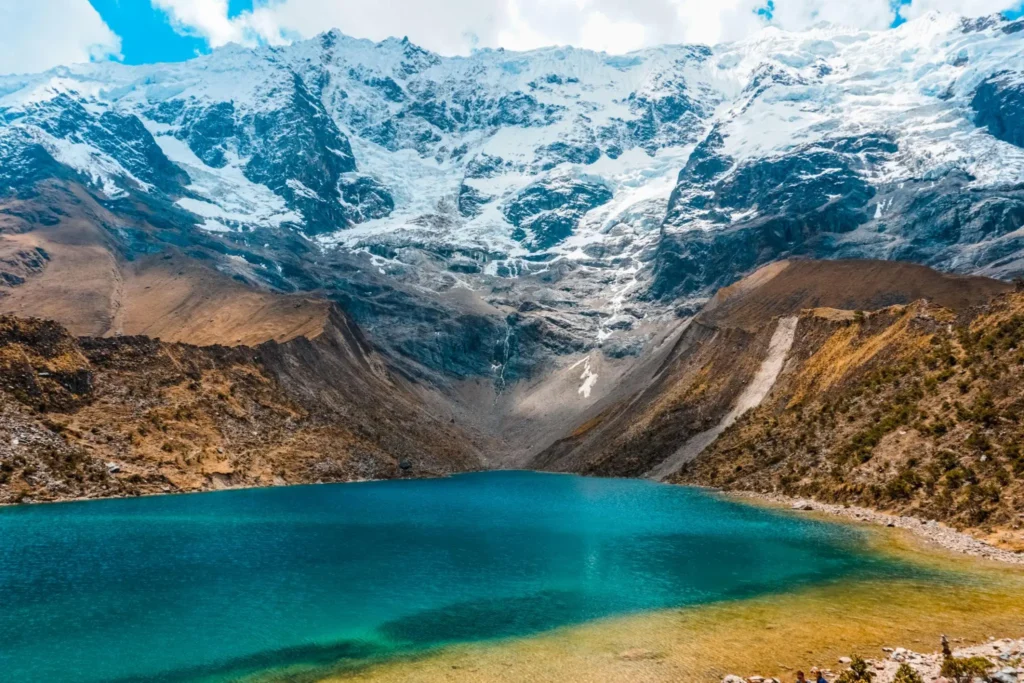
Humantay Lake is widely considered one of the most beautiful natural attractions in the Cusco region. Nestled beneath the towering Humantay Glacier, this stunning turquoise lake offers visitors an unforgettable experience surrounded by some of the Andes’ most spectacular scenery.
The journey begins with an early morning drive from Cusco through picturesque valleys and rural communities. When considering the best day trips from Cusco, this hike stands out as one of the most rewarding high-altitude experiences in the region.
As visitors approach the lake, the scenery becomes increasingly dramatic. The brilliant turquoise waters contrast beautifully with the snow-covered mountains that rise above the landscape. On clear days, reflections of the surrounding peaks create incredible photo opportunities.
5. Maras Salt Mines
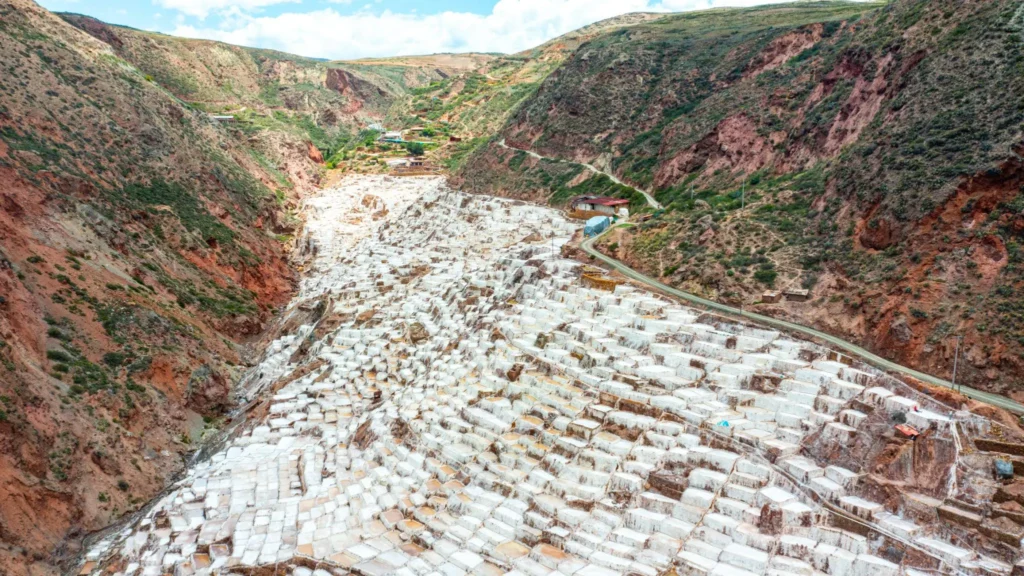
The Maras Salt Mines, known locally as Salineras de Maras, offer one of the most unique landscapes in the Sacred Valley region. This impressive site consists of thousands of salt evaporation ponds that cascade down a mountainside, creating a striking visual pattern visible from a distance.
Local families have harvested salt here for centuries using techniques that date back to pre-Inca times. Mineral-rich water emerges naturally from a spring above the site and flows into the ponds, where evaporation leaves behind salt crystals that are collected and processed.
Visitors can walk along designated viewpoints and observe the traditional production methods that continue to support local communities today. When exploring the best day trips from Cusco, this destination stands out for its combination of cultural heritage and striking natural scenery. Depending on the season, the ponds display different colors, ranging from bright white to shades of gold and brown.
You might be interested in: National Peruvian Day: Guide to July 28 in Peru
6. Moray
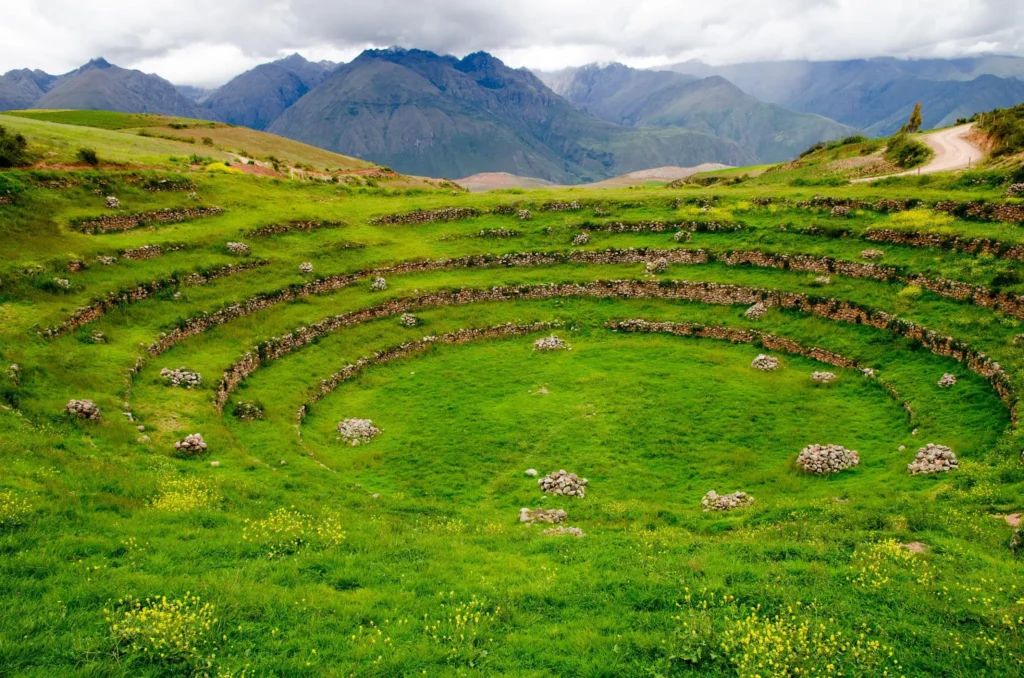
Moray is one of the most intriguing archaeological sites in the Cusco region and a destination that often surprises visitors with its unusual design. Unlike traditional Inca ruins, Moray consists of a series of enormous circular terraces carved into natural depressions in the landscape. From above, the site resembles a giant amphitheater built into the earth.
Historians and archaeologists believe Moray functioned as an agricultural laboratory where the Incas experimented with crops under different microclimates. Within the best day trips from Cusco, Moray stands out as one of the clearest examples of Inca scientific and agricultural innovation.
Walking through the site offers visitors a unique perspective on Inca engineering and scientific understanding. The perfectly designed terraces, combined with panoramic views of the surrounding mountains, make Moray one of the most photogenic locations in the Sacred Valley.
7. Ollantaytambo
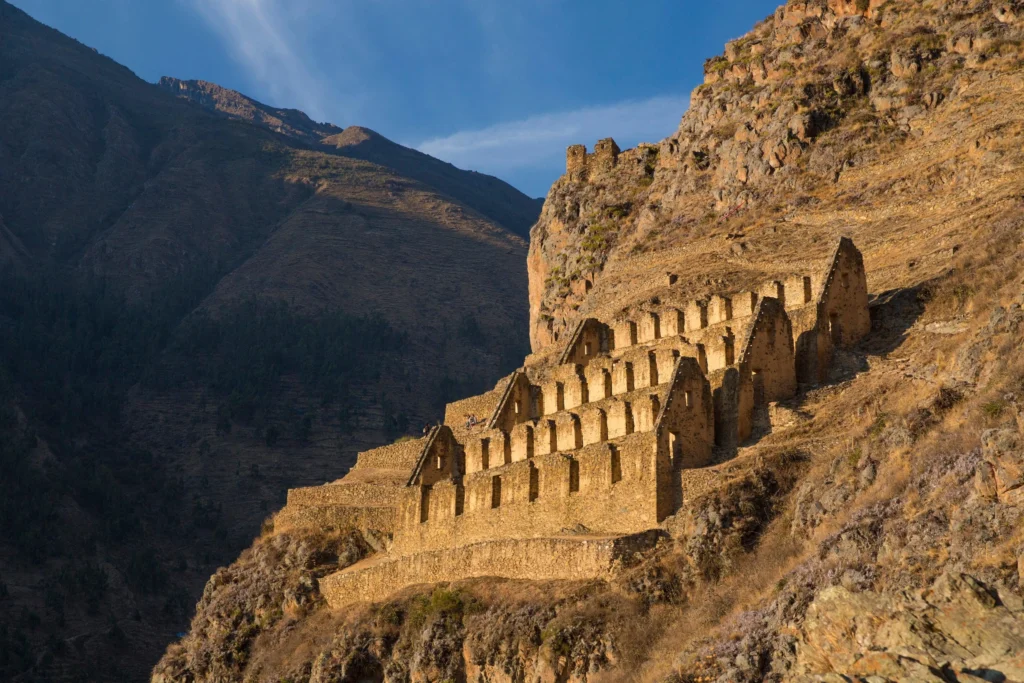
Ollantaytambo is one of the most important and best-preserved Inca towns in Peru. Located in the Sacred Valley, this historic destination combines impressive archaeological remains with a living Andean community that still maintains many of its traditional characteristics.
The main attraction is the massive fortress overlooking the town. Within the best day trips from Cusco, Ollantaytambo is one of the most important stops for understanding Inca military and urban planning. Built strategically on a hillside, the complex features enormous stone terraces, ceremonial structures, temples, and defensive walls.
The town itself is equally fascinating. Its narrow cobblestone streets follow the original Inca urban design, and many buildings incorporate foundations constructed during the imperial period. Walking through Ollantaytambo feels like stepping back in time, offering a rare glimpse into how an Inca settlement may have looked hundreds of years ago.
8. Pisac
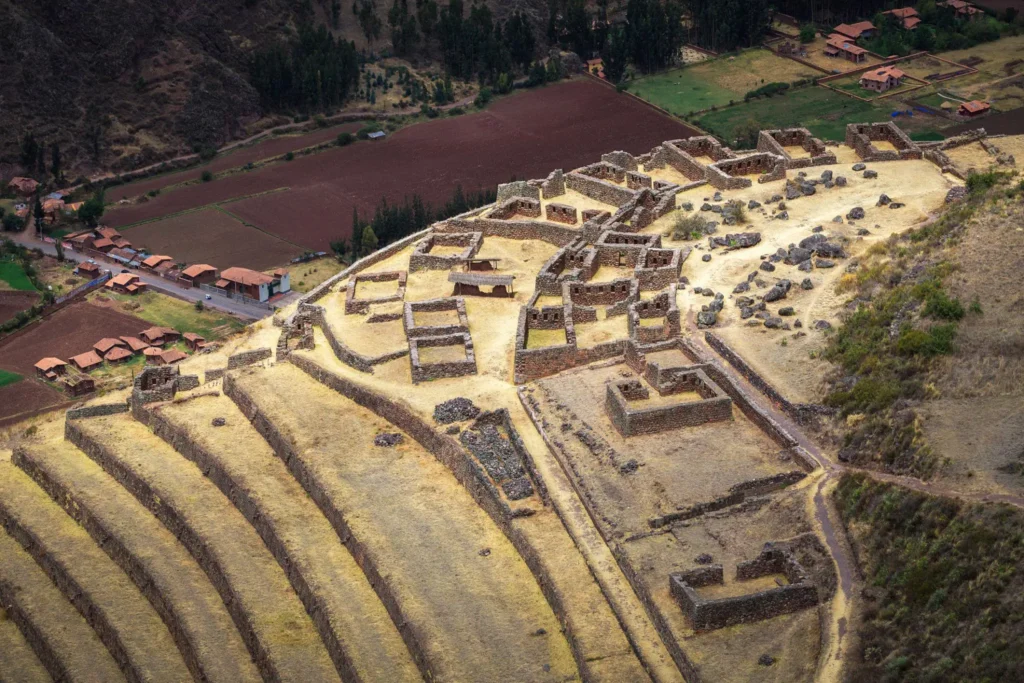
Pisac is one of the most popular destinations in the Sacred Valley and a favorite among travelers seeking a combination of archaeology, culture, and local traditions. Located about an hour from Cusco, the town is known for its impressive Inca ruins and vibrant artisan market.
The archaeological site sits high above the valley and features agricultural terraces, ceremonial temples, residential areas, and defensive structures. In the context of the best day trips from Cusco, Pisac is one of the most complete examples of Inca urban and agricultural design.
After exploring the ruins, many travelers head to the town’s famous market. Here, visitors can browse handmade textiles, jewelry, ceramics, paintings, and souvenirs produced by local artisans. The market is also a great place to experience everyday life in the Andes and interact with local communities.
9. Chinchero
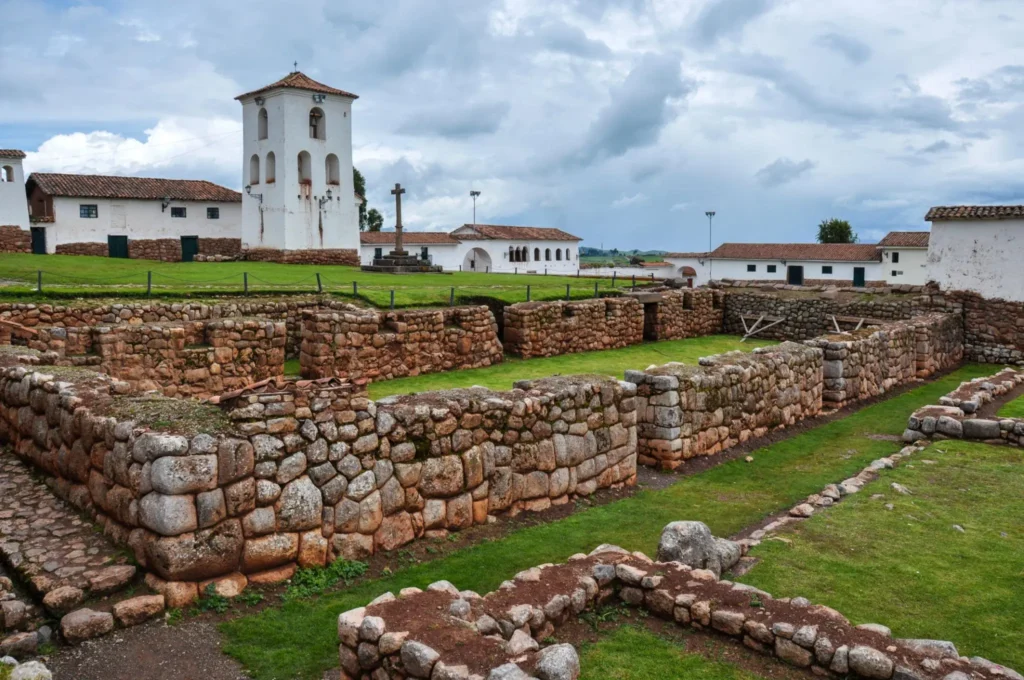
Chinchero is often referred to as the birthplace of Andean textile traditions and is one of the most culturally significant destinations in the Sacred Valley. For travelers exploring the best day trips from Cusco, this town offers a unique combination of cultural heritage, living traditions, and high-altitude mountain scenery.
One of Chinchero’s main attractions is its traditional weaving centers, where local artisans demonstrate ancient techniques used to create colorful textiles. Visitors can learn about natural dyes, alpaca wool processing, and weaving methods that have been preserved for generations. These demonstrations provide valuable insight into Andean culture and craftsmanship.
The town is also home to important archaeological remains, including agricultural terraces and Inca structures that highlight the area’s historical significance. The colonial church built on Inca foundations further reflects the blending of indigenous and Spanish influences that shaped the region.
10. Palccoyo Rainbow Mountain
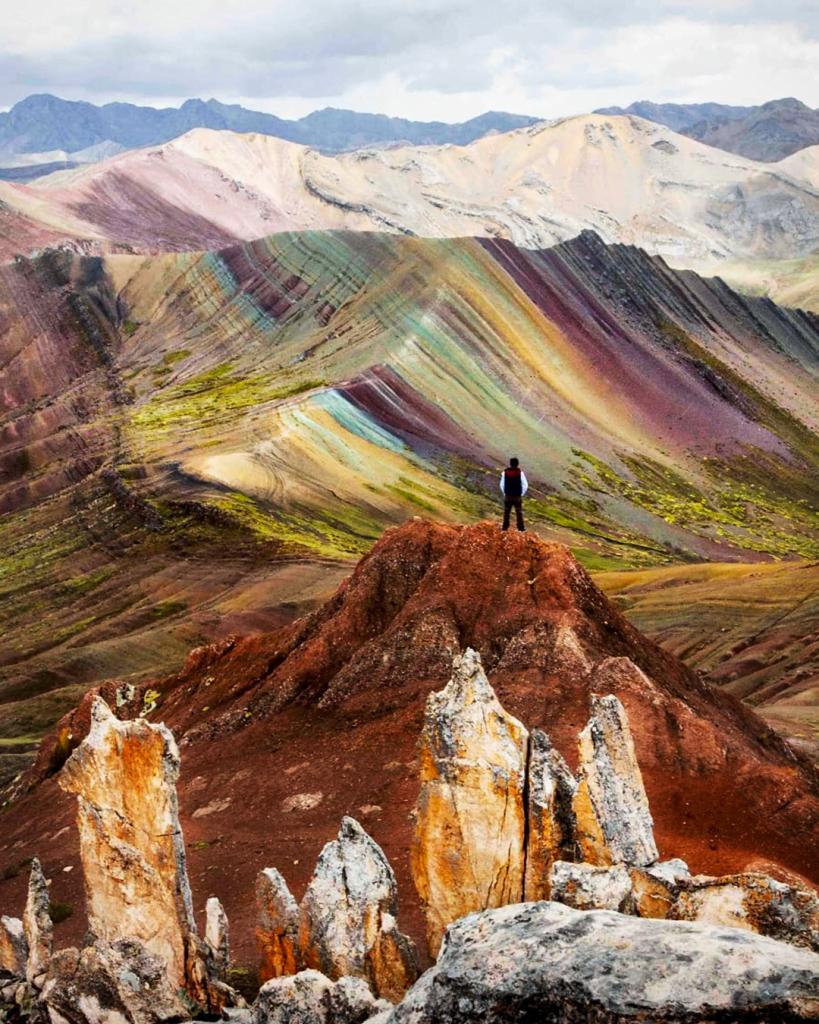
While Rainbow Mountain receives most of the attention, Palccoyo offers a quieter and often less demanding alternative. Located in the southern Andes near Cusco, this destination features multiple colorful mountains, beautiful landscapes, and significantly fewer crowds.
One of the main advantages of Palccoyo is accessibility. The hike is generally shorter and easier than the classic Rainbow Mountain trek, making it suitable for travelers who want to experience the famous mineral-colored landscapes without undertaking a strenuous climb at extreme altitude.
The scenery is breathtaking throughout the journey. Visitors can admire several rainbow-colored peaks, dramatic valleys, unique rock formations, and snow-capped mountains in the distance. The area’s natural beauty creates excellent opportunities for photography and sightseeing.
You might be interested in: Top 6 romantic travel ideas in Peru for couples’ getaways
11. South Valley
The South Valley remains one of Cusco’s hidden gems and is often overlooked by travelers focused exclusively on the Sacred Valley. However, this region offers a fascinating combination of archaeology, colonial history, gastronomy, and local culture.
A typical South Valley excursion includes visits to several important sites, such as Tipón, Pikillaqta, and Andahuaylillas. Together, these attractions provide a broader understanding of the civilizations that shaped the region before and after the arrival of the Spanish.
Compared to more famous tourist routes, the South Valley generally receives fewer visitors, allowing travelers to enjoy a quieter and more authentic experience. The landscapes are equally impressive, featuring fertile valleys, mountain scenery, and traditional agricultural communities.
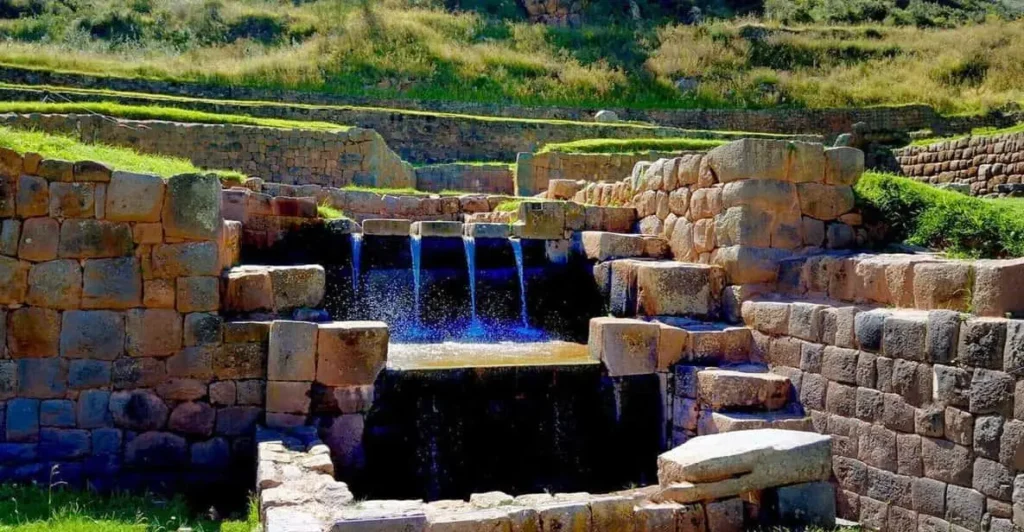
12. Tipón
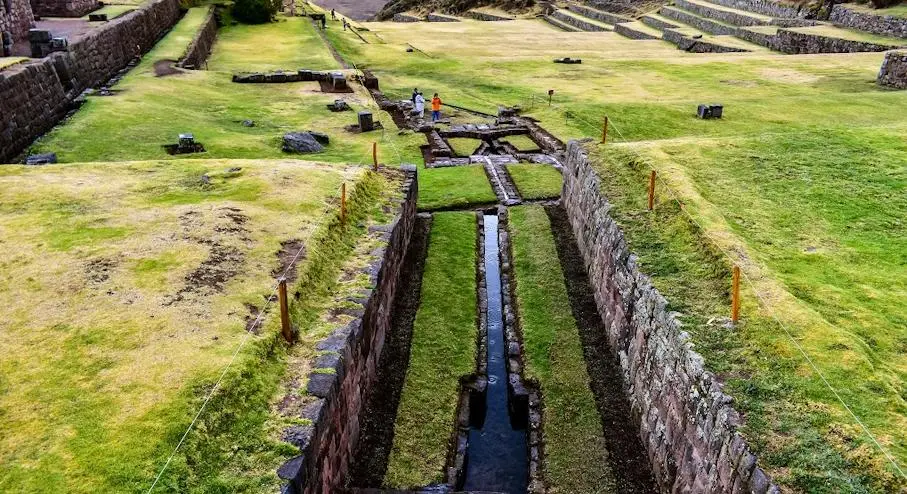
Tipón is one of the finest examples of Inca hydraulic engineering and a destination that often surprises visitors with its remarkable preservation. Located approximately 25 kilometers southeast of Cusco, this archaeological complex showcases an advanced system of water channels, fountains, and agricultural terraces that continue to function centuries after they were built.
The site is believed to have served both agricultural and ceremonial purposes during the Inca period. As visitors walk through the terraces, they can observe how water flows seamlessly through carefully designed stone canals, demonstrating the extraordinary engineering skills of the Incas. Even today, many of the original water systems remain operational.
Beyond its historical significance, Tipón offers beautiful landscapes and a peaceful atmosphere. The surrounding mountains provide a stunning backdrop, making the site ideal for photography and leisurely exploration. Unlike some of the region’s more crowded attractions, Tipón allows travelers to appreciate the ingenuity of Inca architecture in a quieter setting.
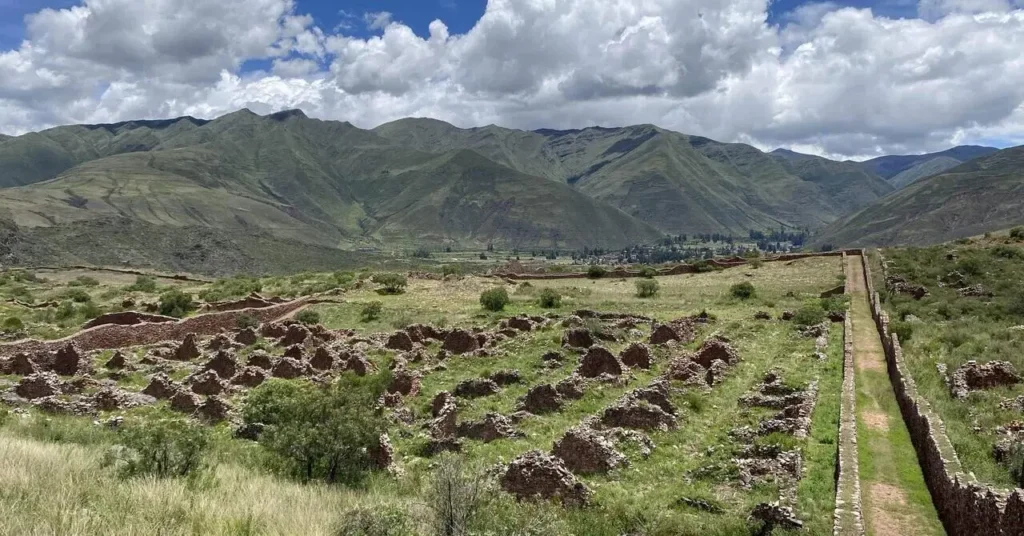
13. Pikillaqta
Pikillaqta offers a unique opportunity to explore a civilization that predates the Incas. This expansive archaeological site was built by the Wari culture between the 6th and 9th centuries and is considered one of the most important pre-Inca settlements in Peru.
Unlike many Inca sites characterized by organic layouts and integration with the natural landscape, Pikillaqta features a highly organized urban design. Visitors will notice straight streets, rectangular compounds, and carefully planned structures that reflect the advanced planning principles of the Wari civilization.
Walking through the ruins provides insight into a society that played a significant role in shaping the cultural development of the Andes long before the rise of the Inca Empire. Archaeologists believe the site may have functioned as an administrative, religious, and military center, serving thousands of inhabitants during its peak.
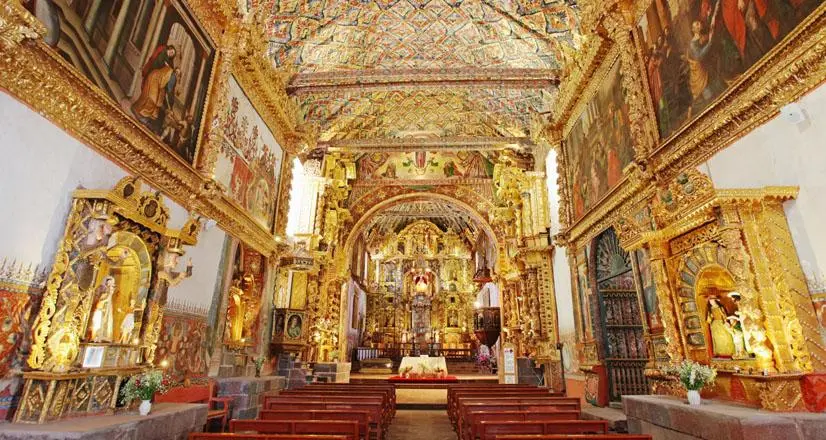
14. Andahuaylillas
Often referred to as the “Sistine Chapel of the Americas,” Andahuaylillas is a small town that houses one of the most extraordinary churches in Peru. Although modest on the outside, the Church of San Pedro Apóstol contains an impressive collection of colonial art, murals, gold leaf decorations, and religious paintings.
Built during the 16th century, the church played an important role in the Spanish evangelization of the region. Inside, visitors are greeted by richly decorated ceilings, intricate woodwork, and artwork that reflects the fusion of European and Andean influences. The level of detail found throughout the building makes it one of the most remarkable examples of colonial religious architecture in South America.
The town itself offers a glimpse into traditional life in the Andes, with quiet streets, local markets, and a welcoming atmosphere. Visiting Andahuaylillas allows travelers to experience a different side of the Cusco region beyond the better-known Inca attractions.
You might be interested in: 8 travel ideas for summer to inspire your next vacation
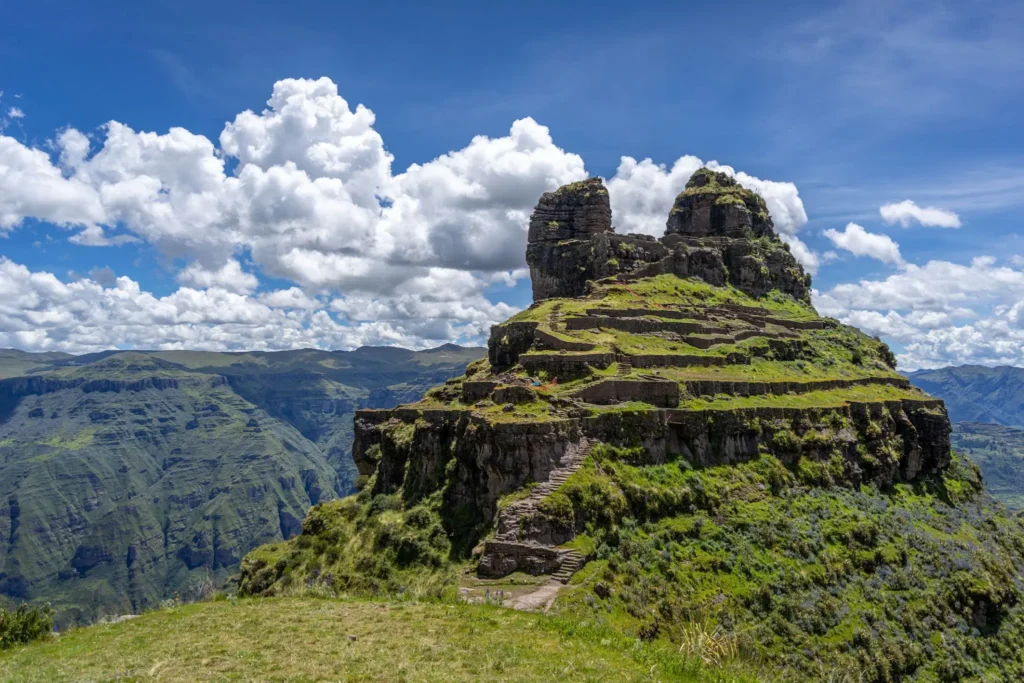
15. Waqrapukara
Waqrapukara is one of the most spectacular and lesser-known archaeological destinations near Cusco. Perched dramatically atop a mountain ridge, this ancient site combines breathtaking scenery with fascinating historical significance, making it a favorite among adventurous travelers.
The name Waqrapukara translates to “Horn Fortress” in Quechua, a reference to the distinctive rock formations that resemble animal horns. Reaching the site typically involves a scenic hike through remote Andean landscapes, where visitors encounter rolling hills, deep canyons, and panoramic mountain views along the way.
Archaeologists believe the location served ceremonial and defensive purposes during different periods of Andean history. The ruins include terraces, plazas, stairways, and stone structures that blend harmoniously with the surrounding environment. The elevated position offers extraordinary views in every direction, creating one of the most impressive settings among archaeological sites in the region.
16. Huchuy Qosqo
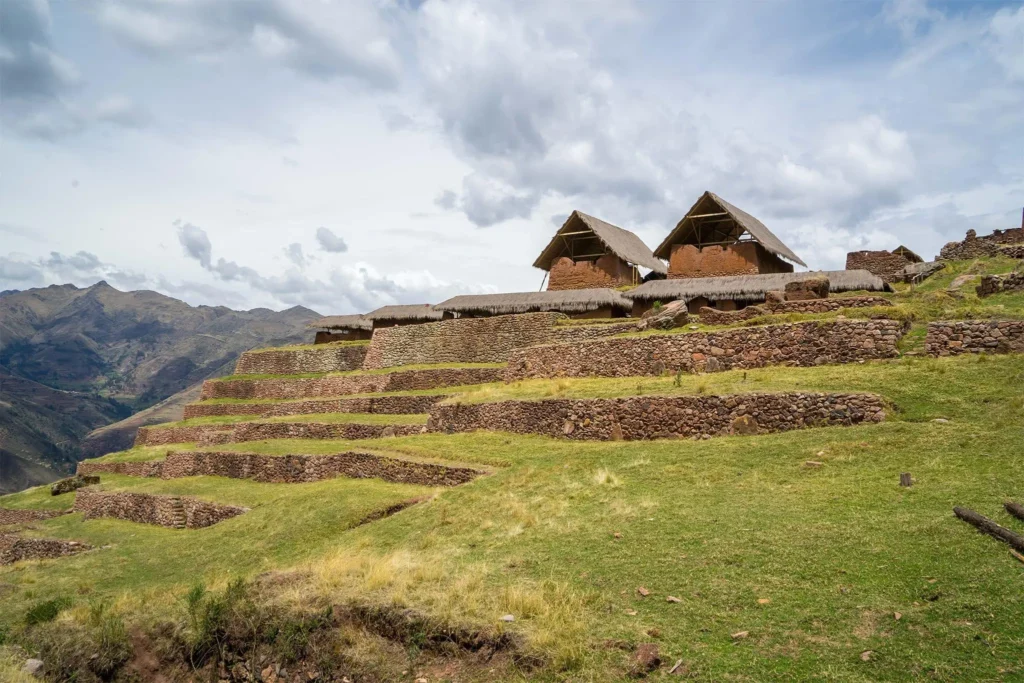
Huchuy Qosqo, meaning “Little Cusco” in Quechua, is an extraordinary archaeological site located above the Sacred Valley. Accessible through a scenic trek or alternative transportation routes, this destination offers a unique blend of history, culture, and breathtaking natural beauty.
The site is believed to have served as a royal estate during the Inca period and features a collection of stone buildings, agricultural terraces, ceremonial spaces, and storage structures. Its strategic location provides stunning views over the Sacred Valley and the surrounding mountain ranges.
One of the highlights of visiting Huchuy Qosqo is the journey itself. The hiking route passes through traditional Andean communities, open grasslands, and mountain passes that reveal some of the region’s most beautiful landscapes. Along the way, travelers can observe local agricultural practices and gain insight into rural life in the Andes.
Unlike some of the more famous archaeological attractions, Huchuy Qosqo remains relatively uncrowded, allowing visitors to explore at their own pace while appreciating the tranquility of the surroundings. The combination of cultural significance and natural scenery creates a memorable experience for those willing to venture beyond the typical tourist circuit.
17. Qeswachaka Bridge
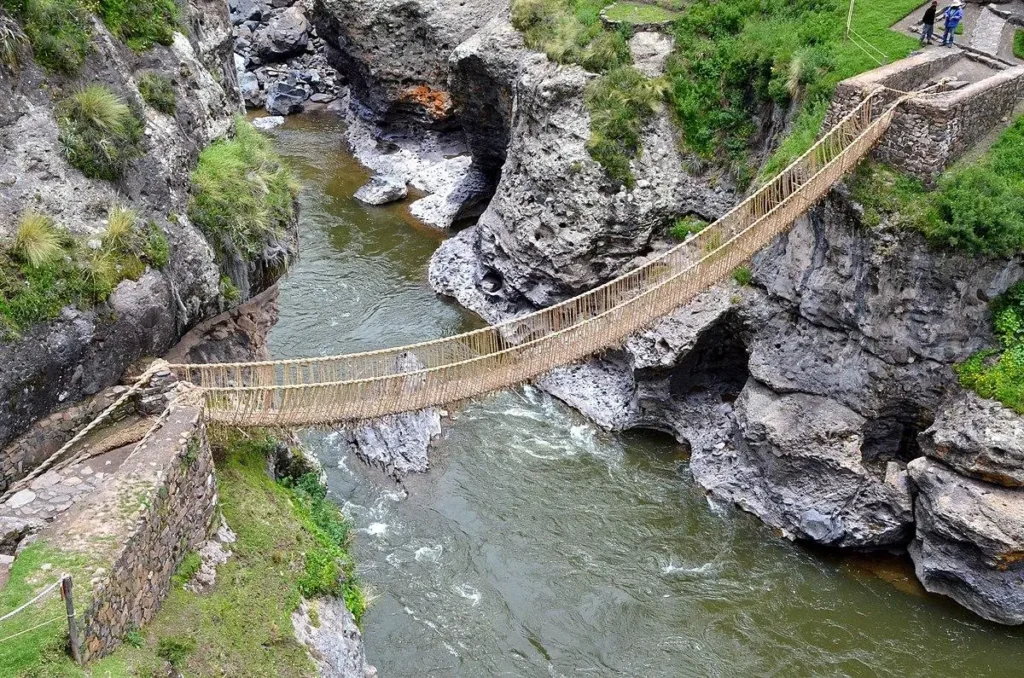
Qeswachaka is one of Peru’s most remarkable cultural attractions and the last remaining Inca rope bridge that is rebuilt annually using traditional techniques. Located over the Apurímac River, approximately three hours from Cusco, this unique structure represents a living connection to the engineering knowledge of the Inca civilization.
For travelers looking for the best day trips from Cusco, Qeswachaka offers a rare experience where culture is still alive rather than preserved only as ruins. The bridge is made entirely from woven grass fibers and is reconstructed each year by local communities following ancestral traditions passed down through generations. This annual event has been recognized by UNESCO as part of the Intangible Cultural Heritage of Humanity.
Visitors can walk across the bridge, observe the construction techniques, and explore the surrounding canyon landscapes. The combination of history, tradition, and dramatic scenery makes this destination one of the most unique cultural experiences near Cusco.
18. Ausangate 7 Lakes
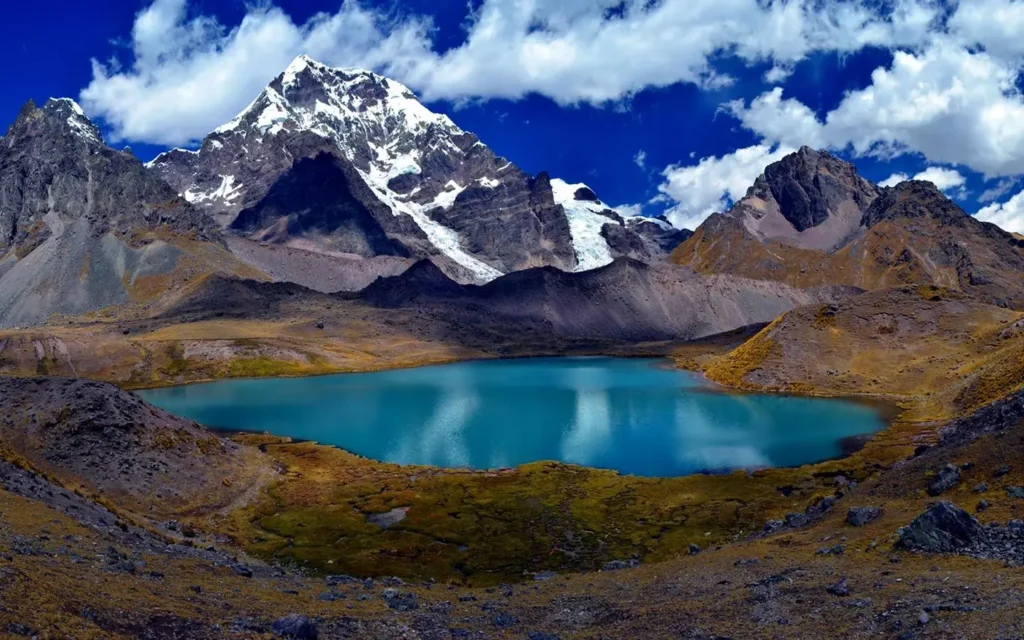
The Ausangate 7 Lakes circuit is one of the most spectacular nature excursions in the Cusco region. Located near the sacred Ausangate Mountain, this route takes visitors through high-altitude landscapes filled with glaciers, colorful lakes, and remote Andean scenery.
Among the best day trips from Cusco, this experience stands out for its raw natural beauty and sense of isolation. Each lake along the trail displays different shades of turquoise, green, and deep blue, creating a constantly changing visual landscape. Snow-capped peaks and grazing alpacas add to the dramatic setting.
The area also holds deep spiritual importance for local communities who consider Ausangate a sacred mountain. Travelers should be prepared for altitude conditions, as the hike reaches high elevations. Despite the challenge, the reward is one of the most visually stunning trekking experiences in the Andes.
19. Perolniyoc Waterfall
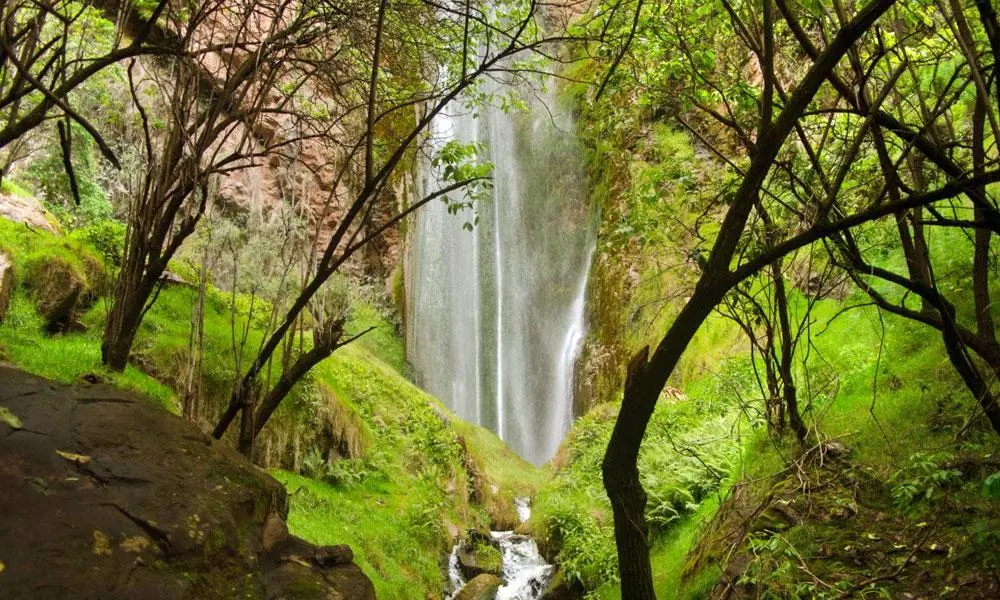
Perolniyoc Waterfall is one of the Sacred Valley’s hidden gems and a perfect destination for travelers seeking nature and archaeology combined in a single experience. Located near the village of Socma, the hike to the waterfall passes through agricultural fields, traditional communities, and scenic mountain landscapes.
When exploring the best day trips from Cusco, Perolniyoc stands out because it offers both natural beauty and cultural heritage without the crowds found at more famous sites. The waterfall itself drops dramatically from a rocky cliff surrounded by lush vegetation, creating a peaceful and refreshing atmosphere.
Near the waterfall, visitors can also explore ancient Inca terraces and ruins that overlook the valley. This combination of hiking, history, and scenery makes it an ideal option for travelers who want something different from standard tourist routes.
You might be interested in: 8 travel ideas for summer to inspire your next vacation
20. Urubamba
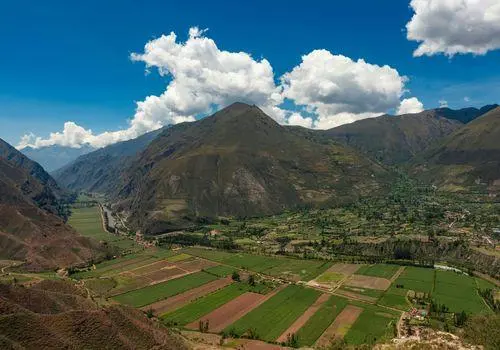
Urubamba is one of the most relaxed and scenic towns in the Sacred Valley, often serving as a base for travelers exploring the region between Cusco and Machu Picchu. Surrounded by fertile farmland and mountain peaks, it offers a peaceful alternative to busier tourist destinations.
For those researching the best day trips from Cusco, Urubamba provides a slower-paced experience focused on nature, food, and local culture. The town is known for its agricultural production and excellent gastronomy, with many restaurants highlighting fresh Andean ingredients.
Visitors can also explore nearby trails, traditional markets, and small communities that maintain ancestral ways of life. Unlike more crowded archaeological sites, Urubamba allows travelers to experience everyday Andean life in a more authentic setting.
Its location makes it an excellent stop for combining relaxation with exploration of the surrounding Sacred Valley attractions.
Tips for Planning Day Trips From Cusco
Planning the best day trips from Cusco requires considering altitude, distance, and weather conditions. Cusco sits at over 3,300 meters, so acclimatization is essential before attempting hikes or high-altitude excursions. Spending at least one or two days in the city before intense activities helps reduce fatigue and altitude sickness.
It is also important to start tours early in the morning since many attractions are located several hours away and weather conditions can change quickly in the Andes. Layered clothing, sunscreen, water, and comfortable shoes are essential for most day trips.
Many travelers choose organized tours in Cusco to simplify logistics, transportation, and entrance tickets. This can be especially helpful for first-time visitors who want a stress-free experience while maximizing their time. Along the way, it’s common to stop at local markets or artisan shops where you can pick up unique Peru souvenirs, handcrafted items that capture the culture and spirit of the region.
Best Time of Year for Day Trips From Cusco
The best day trips from Cusco can be enjoyed year-round, but the experience varies depending on the season. The dry season from May to September offers clear skies, stable weather, and ideal hiking conditions, making it the most popular time for visitors.
During the rainy season from November to March, landscapes become greener and more vibrant, although trails can be wetter and cloud cover more frequent. This season also tends to have fewer tourists, creating a more peaceful experience at many sites.
Shoulder months such as April and October often provide a good balance between weather and crowd levels, making them a great option for flexible travelers.

