

Colonial Peru was a crucial part of the Spanish Empire, serving as a center of political, economic, and cultural power in South America from the 16th to the early 19th century. The colonization of Peru had profound effects on its indigenous populations, economic structures, and social hierarchy. In this article, we will explore the history of Colonial Peru, the impact of Spanish rule, and the legacy it left behind.

The Spanish Conquest and the Fall of the Inca Empire
The history of Colonial Peru began in 1532 when Spanish conquistador Francisco Pizarro arrived in the region, leading an expedition to conquer the Inca Empire. At the time, the Incas were experiencing internal conflicts, including a civil war between Atahualpa and his brother Huáscar, which weakened their resistance against the Spanish invaders.
In 1533, after capturing and executing Atahualpa, Pizarro and his men seized Cusco, the Inca capital, marking the beginning of Spanish rule in Peru. To solidify their control, the Spanish established Lima as the capital in 1535, due to its strategic coastal location.

The Colonial Administration and Political Structure
Under Spanish rule, Peru became the heart of the Viceroyalty of Peru, established in 1542. The viceroyalty extended over vast territories, including present-day Peru, Ecuador, Bolivia, Chile, and Argentina. It was governed by a viceroy, appointed by the Spanish Crown, who had absolute authority over the region.
The Spanish administration followed a strict hierarchical system:
- The Viceroy: The highest authority representing the Spanish king.
- Audiencias: Judicial bodies that helped govern specific regions.
- Corregidores: Local officials who controlled indigenous communities.
- Encomenderos: Spanish settlers granted control over indigenous labor and tribute.
Impact on Indigenous and African Populations
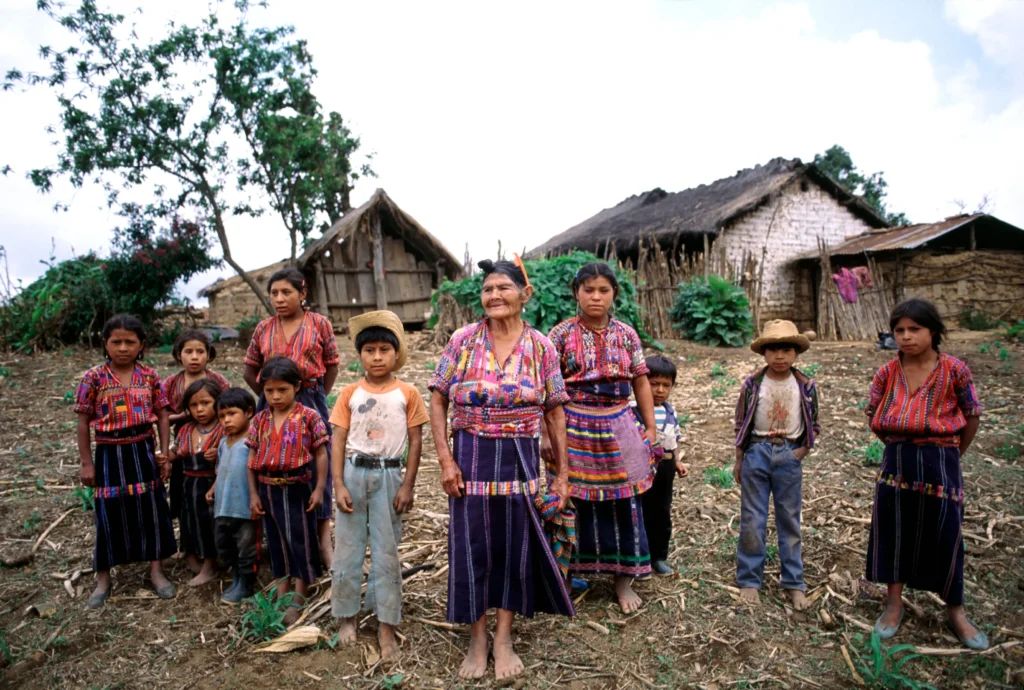
The Spanish conquest brought significant changes to the indigenous population. Many were forced into labor in mines and plantations, while others were converted to Christianity by Spanish missionaries. The Catholic Church played a fundamental role in colonial society, establishing missions, schools, and churches to spread European culture and religion.
The decline of the indigenous workforce led to the introduction of African slaves. Africans were brought to work in coastal plantations, domestic service, and urban trades. Over time, Peru developed a multicultural society, with a blend of indigenous, African, and European influences that shaped its identity.
You might also be interested: Inca temples: 7 sacred sites that still whisper history

Cultural and Architectural Influence
Colonial Peru witnessed the development of unique architecture and art, blending Spanish and indigenous elements. The construction of cathedrals, monasteries, and colonial mansions transformed the landscape of cities like Lima and Cusco. Notable examples include:
- The Cathedral of Lima, a masterpiece of Spanish colonial architecture.
- San Francisco Monastery, famous for its catacombs and religious art.
- Cusco’s churches, such as Santo Domingo, built on the ruins of the Inca Temple of the Sun (Qorikancha).
Artistic expressions also flourished during this period, particularly the Cusco School of Painting, which combined European techniques with Andean themes.
Resistance and Revolts Against Spanish Rule
Despite Spanish dominance, there were several indigenous uprisings against colonial rule. The most famous was the Túpac Amaru II Rebellion in 1780, led by José Gabriel Condorcanqui, who took the name of the last Inca ruler, Túpac Amaru. The rebellion sought to end Spanish exploitation and restore indigenous rights but was brutally suppressed.
The growing discontent among Creoles (people of Spanish descent born in the Americas) and economic struggles fueled the movement for independence in the early 19th century. Inspired by revolutions in the United States and France, Peruvian patriots sought to break free from Spanish rule.
Despite Spanish dominance, there were several indigenous uprisings against colonial rule. One of the key factors behind these revolts was the economic contact between indigenous and Spanish authorities, which often resulted in heavy taxation and forced labor policies. The most famous was the Túpac Amaru II Rebellion in 1780, led by José Gabriel Condorcanqui, who took the name of the last Inca ruler, Túpac Amaru. The rebellion sought to end Spanish exploitation and restore indigenous rights but was brutally suppressed.
You might also be interested: 20 Best Tourist Attractions in Machu Picchu

The End of Colonial Rule and the Birth of an Independent Peru
The independence of Peru was finally achieved in 1821, when José de San Martín declared its independence in Lima. However, the war continued until Simón Bolívar and Antonio José de Sucre led decisive victories against Spanish forces in the Battle of Ayacucho in 1824, marking the definitive end of Spanish rule in South America.

Conclusion: The Legacy of Colonial Peru
Colonial Peru left a profound impact on the country’s culture, economy, and social structure. The Spanish conquest introduced a new political system, Christianity, and economic exploitation, but it also shaped the diverse and rich cultural heritage of modern Peru. Today, Peruvians continue to celebrate their indigenous and colonial past, blending traditions that reflect their unique history.
From the grand colonial architecture of Lima and Cusco to the ongoing influence of indigenous and African cultures, the legacy of Colonial Peru remains a central part of the nation’s identity. Understanding this period helps us appreciate the resilience and adaptability of Peruvian society throughout history.

