

Travel has changed. Not long ago, tourism was mostly about visiting new places, taking photos, and moving on. Today, there is a growing awareness that every trip has an impact on the environment, on local communities, and on cultural heritage. That shift in mindset is exactly where Sustainable tourism development begins to take real shape.
From small eco-lodges in remote regions to large-scale tourism strategies led by governments, sustainability is no longer just a trend, it’s becoming a necessity. Travelers are more conscious, destinations are more vulnerable, and businesses are adapting to meet new expectations.
This article explores how sustainable tourism development works in practice, not just as a concept, but as a real, evolving approach that is transforming the global tourism industry.
What is Sustainable tourism development?
At its core, Sustainable tourism development refers to the management of tourism in a way that balances environmental, social, and economic factors. It aims to meet the needs of current travelers without compromising the ability of future generations to enjoy the same destinations.
This approach is built on three main pillars:
- Environmental protection
- Social and cultural respect
- Economic sustainability
Rather than focusing only on growth, Sustainable tourism development prioritizes long-term impact. It encourages responsible travel behaviors, supports local economies, and reduces negative effects such as pollution or overtourism.
Why Sustainable tourism development matters today?
The importance of Sustainable tourism development has never been more evident. As global travel continues to grow, so do its consequences.
Key challenges facing tourism today:
- Environmental degradation in popular destinations
- Loss of cultural identity
- Overcrowding and overtourism
- Increased carbon emissions
- Unequal economic benefits
Without a sustainable approach, tourism can do more harm than good. However, when managed properly, Sustainable tourism development can become a powerful tool for positive change.
You may also be interested in: Is Machu Picchu Hard to Hike? A Complete Guide for Travelers

Key principles of Sustainable tourism development
To understand how this concept works in practice, it’s important to break down its core principles. These foundations allow tourism to grow in a more balanced way, aligning the interests of the environment, local communities and businesses.
1. Minimize environmental impact
Tourism should be designed to reduce its footprint on natural ecosystems. This includes limiting waste generation, promoting recycling, and optimizing the use of resources such as water and energy. In many destinations, this also means protecting wildlife, avoiding habitat disruption, and encouraging low-impact activities like hiking or guided tours instead of mass tourism experiences. Small changes, such as reducing single-use plastics or choosing renewable energy sources, can make a significant difference over time.
2. Support local communities
Tourism should create real opportunities for the people who live in the destination. This goes beyond job creation—it involves fair wages, support for local businesses, and the inclusion of communities in decision-making processes. When visitors choose local guides, stay in community-run accommodations, or buy from local artisans, the economic benefits remain within the area and contribute to long-term development.
3. Preserve cultural heritage
Every destination has its own identity, shaped by traditions, history and local customs. Protecting this cultural richness is essential to avoid homogenization and loss of authenticity. Tourism should respect local ways of life, promote cultural exchange, and avoid practices that exploit or misrepresent traditions. Encouraging visitors to learn about local customs and engage respectfully helps maintain cultural integrity.
4. Promote responsible travel
Travelers are an active part of the tourism ecosystem, and their behavior has a direct impact. Being responsible means making conscious choices, such as respecting local norms, reducing waste, and avoiding activities that harm the environment or wildlife. Education and awareness play a key role here, as informed travelers are more likely to make decisions that align with sustainable practices.
5. Ensure economic viability
For tourism to be sustainable in the long term, it must also be economically stable. Businesses need to generate profit while maintaining ethical and environmental standards. This balance ensures that tourism operations can continue without overexploiting resources or relying on short-term gains. A well-managed model creates resilience, allowing destinations to adapt to changes in demand or external challenges.
Together, these principles provide a clear framework for building a more balanced and responsible tourism model across different regions.
Sustainable tourism development in South America
South America has become a key region for Sustainable tourism development, thanks to its rich biodiversity, cultural heritage, and growing demand for eco-friendly travel.
Countries like Peru, Chile, and Colombia are investing in sustainable practices, especially in areas such as:
- The Amazon rainforest
- The Andes mountains
- Coastal ecosystems
- Indigenous communities
Example initiatives:
- Eco-lodges that operate with renewable energy
- Community-based tourism projects
- Conservation-focused tours
- Low-impact trekking experiences
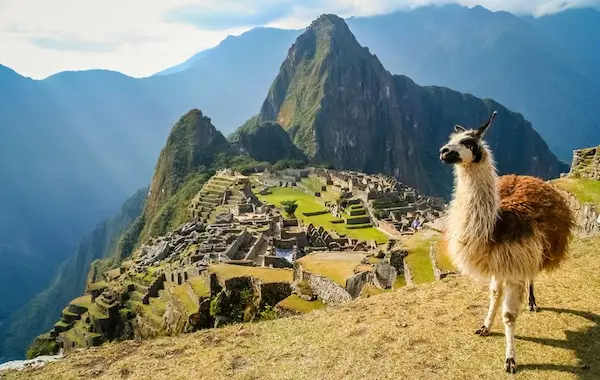
In Peru, for example, sustainable tourism initiatives are helping protect natural landmarks while supporting local economies.
Sustainable tourism development in practice: real-world applications
This is where theory meets reality. Sustainable tourism development is not just a concept—it’s something that can be applied in tangible ways.
Accommodation
Hotels and lodges are adopting sustainable practices such as:
- Energy-efficient systems
- Water conservation methods
- Waste reduction programs
- Use of eco-friendly materials
Some properties even incorporate innovative solutions, similar to how industries use materials like PVC Solutions to improve efficiency and durability in construction and design.
Activities and experiences
Tour operators are designing experiences that align with Sustainable tourism development:
- Wildlife observation with minimal disturbance
- Guided cultural tours led by locals
- Hiking and trekking with environmental guidelines
- Workshops such as crafts with recyclable materials, which promote sustainability and local creativity
These activities not only reduce impact but also enhance the travel experience.
Community involvement
One of the strongest aspects of Sustainable tourism development is its focus on people.
Local communities are increasingly involved in tourism through:
- Homestays
- Artisan markets
- Cultural experiences
- Local guiding services
This ensures that tourism revenue stays within the community and supports long-term development.
You may also be interested in: Cusco train to Machu Picchu: the scenic journey through the heart of the Inca world
Benefits of Sustainable tourism development
The benefits of this approach are wide-reaching and long-lasting, impacting not only the environment but also communities and local economies. When tourism is managed responsibly, it becomes a tool for positive transformation rather than a source of pressure or degradation.
Environmental benefits
- Reduced pollution: By promoting better waste management, limiting single-use materials, and encouraging eco-friendly transportation, tourism activities can significantly decrease their environmental footprint.
- Conservation of natural resources: Efficient use of water, energy and raw materials helps preserve resources that are essential for both local populations and future visitors.
- Protection of ecosystems: Responsible tourism practices contribute to the preservation of biodiversity, protecting natural habitats, wildlife and fragile ecosystems from overexploitation.
Social benefits
- Empowerment of local communities: Tourism can create opportunities for local people to participate actively in the industry, whether through entrepreneurship, employment or cultural exchange.
- Preservation of traditions: When managed properly, tourism encourages the protection and appreciation of cultural heritage, including traditions, languages and local customs.
- Improved quality of life: Increased income, better infrastructure and access to services can positively impact daily life in local communities.
Economic benefits
- Job creation: Tourism generates employment across multiple sectors, from hospitality and transportation to crafts and local services.
- Diversified income sources: Communities are less dependent on a single economic activity, which increases resilience in times of change.
- Long-term profitability: By focusing on sustainability rather than short-term gains, tourism businesses can maintain steady growth and remain competitive over time.
When done correctly, this approach creates a balance between growth, responsibility and long-term sustainability, benefiting both current and future generations. between growth and responsibility.
Challenges in implementing Sustainable tourism development
Despite its many benefits, applying this approach in real-world contexts comes with several obstacles. Transitioning from traditional tourism models to more responsible practices often requires time, investment and a shift in mindset across multiple stakeholders.
Common barriers:
- Lack of awareness among travelers: Many tourists are still unaware of the impact their decisions have on destinations. Without proper information, it becomes difficult to encourage more responsible behavior.
- Limited funding for sustainable initiatives: Implementing eco-friendly infrastructure, conservation programs or community-based projects often requires significant financial resources, which are not always available.
- Resistance to change in traditional tourism models: Some businesses prioritize short-term profits over long-term sustainability, making it harder to adopt new practices that may require initial adjustments.
- Difficulty in measuring impact: Evaluating the real effect of sustainable actions can be complex, especially when it involves environmental and social factors that are not always easy to quantify.
Overcoming these challenges requires collaboration between governments, private companies and local communities. Clear policies, education and incentives can help accelerate the transition toward more responsible tourism practices.
How travelers can support Sustainable tourism development
Travelers play a key role in shaping the future of tourism. Every decision, from where to stay to what activities to choose, contributes to the overall impact of a trip.
Practical tips:
- Choose eco-friendly accommodations: Look for hotels or lodges that implement sustainable practices such as energy efficiency, waste reduction or community involvement.
- Support local businesses: Buying from local markets, hiring local guides and eating in local restaurants helps strengthen the local economy.
- Reduce waste while traveling: Carry reusable items like water bottles or bags to minimize environmental impact.
- Respect local cultures and traditions: Being mindful of customs and social norms helps preserve the identity of each destination.
- Avoid activities that harm wildlife: Choose experiences that prioritize animal welfare and environmental protection.
Small actions, when practiced consistently, can make a meaningful difference and contribute to a more responsible and balanced tourism model.
You may also be interested in: Eco Tourism vs Traditional Tourism in 2026

Future trends in sustainable tourism development
Looking ahead, this approach is expected to evolve significantly as global awareness increases and technology continues to reshape the travel industry. Destinations, businesses and travelers are all contributing to new models that prioritize long-term balance over short-term growth.
Key trends:
- Growth of eco-tourism: Nature-based experiences continue to gain popularity, especially those that emphasize conservation, education and low environmental impact.
- Increased use of technology for sustainability: Digital tools are being used to monitor environmental impact, manage visitor flows and improve resource efficiency in destinations.
- Rise of slow travel: Travelers are choosing longer stays in fewer destinations, reducing transport emissions while creating deeper cultural connections.
- Demand for authentic experiences: Visitors are increasingly seeking meaningful interactions with local communities, traditions and everyday life rather than mass tourism experiences.
- Greater focus on carbon neutrality: Airlines, hotels and tour operators are implementing strategies to reduce and offset carbon emissions as part of long-term commitments.
Innovation will continue to shape how tourism systems operate, pushing the industry toward more responsible and adaptive models.
Integrating sustainability across industries
Interestingly, the principles applied in tourism are also influencing other sectors. Sustainability is no longer limited to a single industry; it is becoming a global operational standard across multiple fields.
Industries such as manufacturing and construction are increasingly adopting more efficient processes and environmentally conscious materials. For example, some production systems incorporate solutions like PVC plasticizers to enhance durability and efficiency while aiming to reduce environmental impact. In a similar way, companies focused on infrastructure development are also evolving toward models such as PVC Solutions, which reflect a growing emphasis on long-term resource optimization.
This cross-industry shift highlights how sustainability is becoming a shared responsibility, where innovation and environmental awareness are driving decisions across all sectors, not just tourism.
Conclusion
In many ways, Sustainable tourism development is not just about tourism, it’s about responsibility. It’s about understanding that every decision, from where we stay to how we travel, has consequences.
What makes this approach powerful is its practicality. It doesn’t require perfection, but awareness. It doesn’t demand radical change overnight, but consistent, thoughtful actions over time.
As travelers, businesses, and communities continue to adapt, Sustainable tourism development becomes less of an abstract idea and more of a shared commitment. A commitment to preserving what makes each destination unique, while ensuring it remains accessible for generations to come.
And in the end, that’s what meaningful travel should be about, not just seeing the world, but taking care of it along the way.

